
2026 Jul 19th
Commercial Kitchen Cleaning Supplies List: What Pro
Pro kitchens stock specific sanitizers and cleaners for each station. This includes no-rinse sprays for food contact areas, heavy-duty floor washes for traffic zones, and specialized glass solutions. Proper segregation prevents cross-contamination.
Commercial Kitchen Cleaning Supplies List: What Pro Kitchens Stock Station by Station
Property managers and facility operators need a precise inventory of cleaning agents to ensure every surface meets strict health codes and safety standards for daily operations.
Key Takeaways
Key insights for optimizing your cleaning inventory follow below.
Station-Specific Product Selection
Assign distinct chemicals to prep zones, dish areas, and floors. This prevents chemical cross-contact and ensures each surface receives the correct treatment level for safety.
No-Rinse Sanitizer Benefits
Use no-rinse products on food contact surfaces to save water and time. These solutions eliminate pathogens without leaving residue, ensuring compliance with strict health regulations immediately after application.
Floor Care Efficiency
Select wash-and-walk floor cleaners that allow immediate re-entry. This reduces downtime in high-traffic commercial kitchens while maintaining slip resistance and removing heavy grease buildup effectively.
Hand Hygiene Protocol
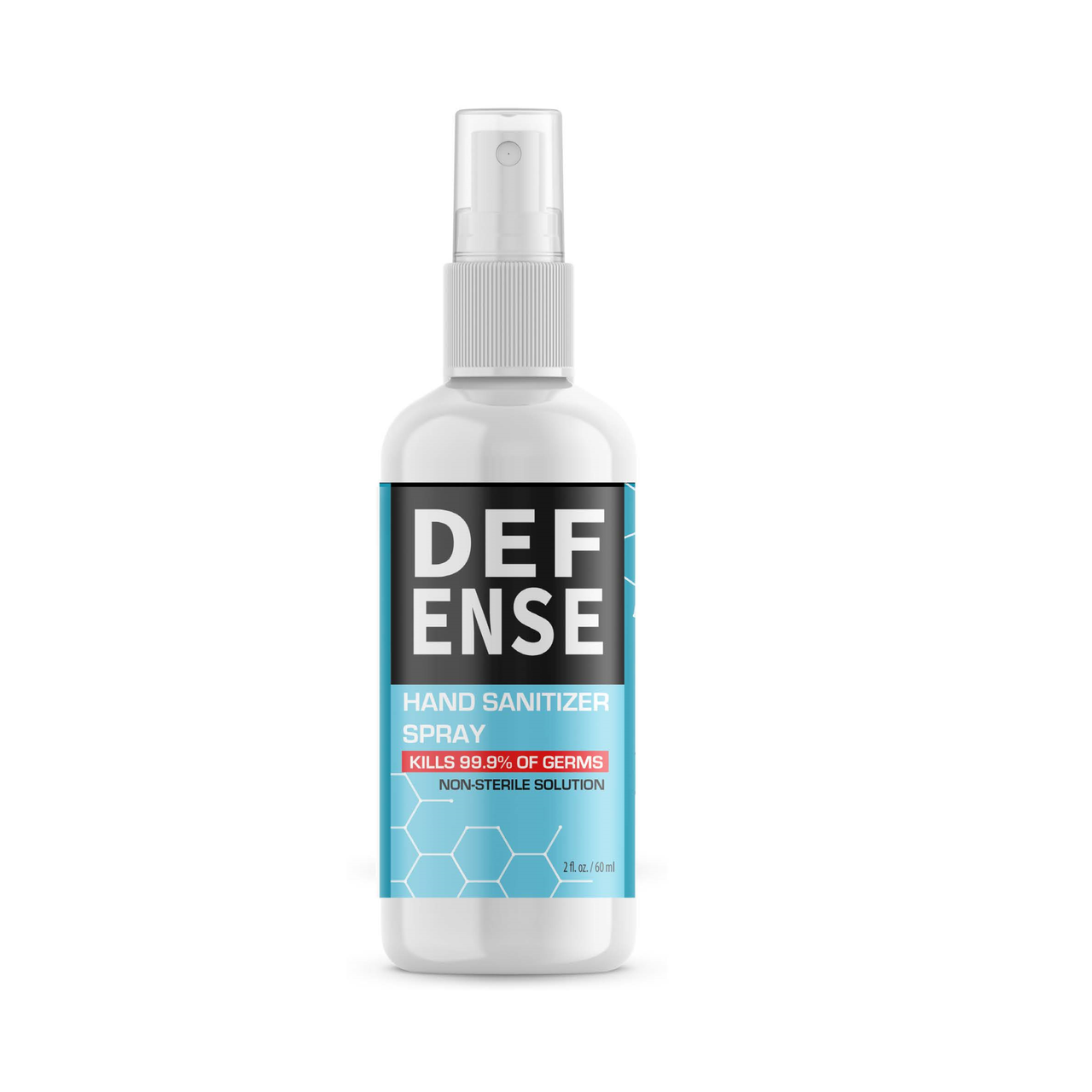
Stock small-bottle hand sanitizers at key stations. Quick access to alcohol-based solutions supports frequent hand hygiene between tasks, reducing pathogen spread without requiring sink usage constantly.
Glass and Mirror Clarity
Dedicate bulk glass cleaners to windows and mirrors. Avoid using multipurpose sprays on transparent surfaces to prevent streaking and ensure clear visibility for staff safety and guest satisfaction.
Concentrate Dilution Control
Use dosing systems with concentrated cleaners to ensure consistent strength. This prevents under-dosing which fails to sanitize, and over-dosing which wastes resources and creates hazardous fumes.
Sanitize Food Contact Surfaces Daily
Food prep areas require rigorous disinfection to prevent cross-contamination between raw ingredients and ready-to-eat items during service hours.
Food preparation stations demand the highest level of hygiene protocols in any commercial facility. Staff must sanitize cutting boards, countertops, and slicers before starting work and after handling raw proteins. Using a dedicated no-rinse sanitizer cleaner streamlines this process significantly. These products kill bacteria without requiring water rinsing, which can spread contaminants if not done correctly.
Proper application involves spraying the surface evenly and allowing it to air dry completely. This method ensures the chemical remains active long enough to neutralize pathogens. Facility managers should train staff to recognize when a surface needs re-sanitizing, particularly after spills or task changes. Consistency in this routine is vital for passing health inspections.
Selecting a product with a broad-spectrum kill claim covers common kitchen threats effectively. The spray format allows for quick targeting of small areas like knife handles or mixer bowls. Keeping these supplies stocked near prep zones reduces the time staff spend walking to storage closets. This efficiency supports faster service turnover without compromising safety standards.
Clean Dishes and Glassware Efficiently
The dishwashing area generates heavy soil loads requiring strong detergents to remove grease, starch, and protein residues from daily operations.
Dishwashing stations face constant pressure to process large volumes of soiled items quickly. Liquid dish detergents formulated for commercial use break down tough soils that household products cannot handle. These cleaners must be compatible with automated machines or manual three-compartment sinks depending on the facility setup. Proper dosing is critical to prevent foaming issues in machine washers.
Glassware requires special attention to avoid spots and streaks that indicate poor cleaning. A dedicated glass cleaner ensures clarity for water goblets, wine glasses, and beer mugs. Using a multipurpose cleaner on glass often leaves a hazy film that guests notice immediately. Separating these tasks with specific products improves the final presentation quality significantly.
Sanitizing the final rinse is mandatory in most jurisdictions to ensure pathogen reduction. Whether using chemical sanitizers or high-temperature water, the goal is consistent safety. Operators should monitor sanitizer concentration levels throughout the shift to maintain efficacy. Regular maintenance of the dishwashing equipment also supports optimal cleaning performance and extends machine life.
Maintain Safe Floors with Wash Solutions
Kitchens experience heavy foot traffic and spillages, necessitating floor cleaners that remove grease while providing slip resistance for staff safety.
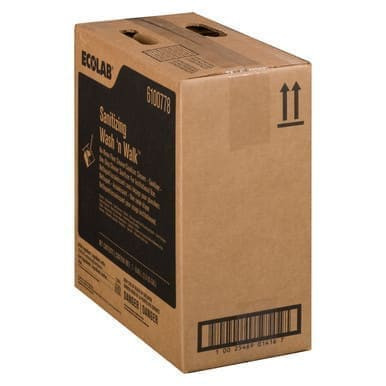
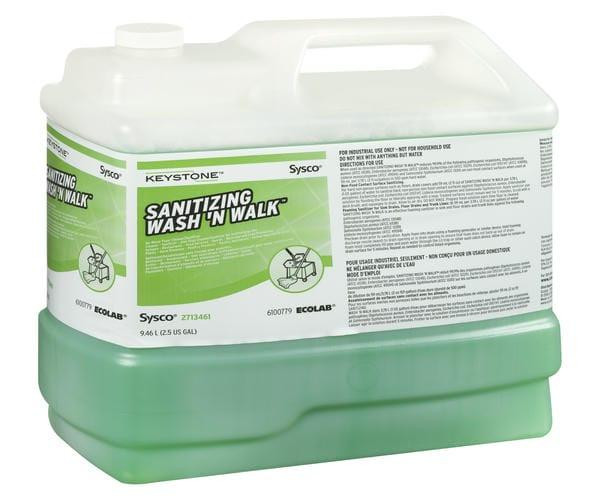
Floor maintenance in commercial kitchens is critical for preventing slips and falls among staff members. Heavy-duty floor cleaners must cut through grease, oil, and food debris that accumulate rapidly. Wash-and-walk formulations allow immediate re-entry after cleaning, minimizing operational downtime. This efficiency is essential during busy service periods when every minute counts.
Regular deep cleaning prevents the buildup of stubborn stains and odors in tile grout lines. Using a neutral pH cleaner for daily maintenance preserves the integrity of vinyl or tile surfaces. Avoiding overly acidic or alkaline products extends the lifespan of flooring materials significantly. Consistent care routines keep the environment professional and welcoming.
Drain area cleaning should include specific degreasers to prevent clogs and backups. These areas trap the heaviest soil loads from dishwashing and prep activities. Scheduled maintenance prevents costly plumbing repairs and keeps operations running smoothly. Investing in quality floor care products reduces long-term replacement costs for damaged flooring materials.
Support Frequent Hand Washing Protocols
Hand hygiene is the first line of defense against foodborne illness, requiring accessible sanitizer stations at key points throughout the facility.
Effective hand hygiene protocols reduce the spread of pathogens in commercial kitchens significantly. While soap and water remain the gold standard, alcohol-based sanitizers offer a convenient alternative when sinks are unavailable. Small-bottle formats allow placement at multiple stations without cluttering workspaces. This accessibility encourages frequent use by busy staff members.
Training programs should emphasize proper hand washing techniques alongside sanitizer usage. Staff must understand when to wash with soap versus using sanitizer for quick decontamination. Regular monitoring ensures compliance with established hygiene standards. Visible reminders and signage reinforce these behaviors in high-stress environments.
Stocking adequate supplies prevents shortages during peak service times. Running out of hand sanitizer disrupts workflow and compromises safety protocols. Automated ordering systems can help maintain consistent inventory levels. Ensuring continuous availability supports uninterrupted operations and maintains high hygiene standards throughout the facility.
Keep All Areas Spotless Daily
General purpose cleaners handle diverse soil types on walls, equipment exteriors, and storage areas, maintaining a professional appearance for guests.
General purpose cleaners address everyday dirt and grime on non-food contact surfaces. Walls, equipment exteriors, and storage shelves benefit from regular wiping to maintain a clean appearance. These products must be versatile enough to handle various soil types without damaging materials. Choosing the right formula ensures effective cleaning without excessive effort.
Bulk packaging offers cost efficiency for high-volume usage in large facilities. Refillable systems reduce plastic waste and streamline inventory management. Operators should assess their specific needs before selecting bulk options. Ensuring compatibility with existing dispensing equipment is key for smooth integration into daily routines.
Consistent cleaning schedules prevent dirt accumulation that becomes harder to remove later. Daily wiping down of surfaces maintains a professional environment for guests. This attention to detail enhances the overall dining experience significantly. Regular inspections help identify areas needing more frequent attention or stronger cleaning solutions.
Manage Stock Levels Proactively
Effective inventory management prevents shortages and overstocking, ensuring continuous supply of essential cleaning products without tying up capital.
Proactive inventory management ensures essential cleaning supplies are always available when needed. Tracking usage patterns helps predict reorder points accurately. Automated systems can alert managers when stock levels drop below thresholds. This approach minimizes the risk of running out during critical service periods.
Organizing storage areas logically improves efficiency and reduces waste. Grouping similar products together makes it easier to locate items quickly. Proper labeling prevents confusion and accidental misuse of chemicals. A well-organized inventory system supports smoother daily operations for facility staff.
Regular reviews of supplier performance help maintain quality standards. Evaluating delivery times and product consistency ensures reliability. Building strong relationships with suppliers can lead to better service levels. Consistent supply chain management supports long-term operational stability and hygiene compliance.
Cleaning Product Comparison Guide
Compare key features of commercial cleaning products to select the best option for your specific station needs.
| Product Type | Primary Use | Rinse Requirement | Packaging Format |
|---|---|---|---|
| No-Rinse Sanitizer | Food Contact Surfaces | None Required | Spray Bottle |
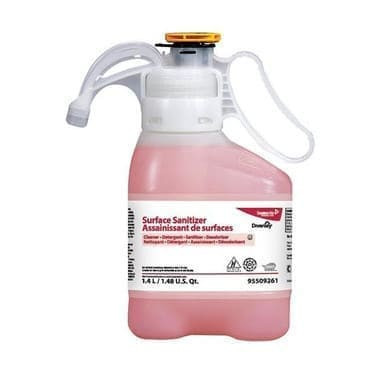
| Surface Cleaner | General Countertops | Optional Wipe | Smartdose System |
| Floor Cleaner | Tile and Vinyl Floors | Wash and Walk | Bulk Gallon |
| Hand Sanitizer | Quick Hand Hygiene | None Required | Small Bottle |
| Dish Detergent | Grease and Soil Removal | Machine/Rinse Aid | Bulk Jug |
| Glass Cleaner | Windows and Mirrors | Wipe Dry | Bulk Gallon |
| General Purpose | Walls and Equipment | Wipe Clean | Concentrate |
Browse Commercial Cleaning Supplies
Explore our full range of professional-grade cleaning products designed for commercial kitchen environments.




People Also Ask
Real questions buyers search before they order — answered straight.
What cleaning supplies does a commercial kitchen actually need?
A working kitchen needs a core set: a degreaser for cooking zones, an all-purpose cleaner for general surfaces, a food-safe sanitizer for food-contact areas, a floor cleaner, plus glass and stainless cleaners. Add the tools — colour-coded cloths, scrubbers, a mop and bucket, and gloves — and you have the backbone of daily cleaning. Buying these as a matched set, rather than piecemeal, keeps your routine consistent and reordering simple.
What counts as the basic cleaning supplies?
The basics are the products that cover most jobs: an all-purpose cleaner, a degreaser, a sanitizer, a disinfectant, and a floor cleaner, along with cloths, gloves, and a mop. Everything else tends to be a specialist add-on for a particular surface or problem. Getting these fundamentals in place first means you rarely reach for something you do not have.
What is the best way to organise a cleaning supply closet?
Group products by where they are used — food-contact, general surfaces, floors, and washrooms — and keep concentrates separate from ready-to-use bottles. Store heavier containers low, keep everything clearly labelled, and never sit different chemical types where a leak could let them mix. A simple shelf order plus a reorder list taped inside the door keeps stock visible and cuts last-minute gaps.
Do cleaning supplies expire?
Yes — many do. Sanitizers and disinfectants gradually lose strength, and some products separate or thicken past their best date, so an old bottle may not perform as labelled. Check dates as stock arrives, rotate older containers to the front, and replace anything that looks or smells off rather than trusting a weak solution.
Are cleaning supplies flammable?
Some are — certain degreasers, aerosols, and alcohol-based products can catch fire, which matters in a kitchen full of open flame and hot surfaces. Always read the label, store flammable items away from heat and cooking lines, and keep aerosols out of hot spots. When in doubt, treat a product as flammable until the label says otherwise.
Can cleaning supplies freeze in winter storage?
Water-based cleaners and sanitizers can freeze if left in an unheated store or on a cold loading area, and freezing can weaken or separate some products so they no longer work properly. In Canadian winters, keep stock in a temperature-stable space and let any chilled deliveries return to room temperature before use. If a product has frozen, check the label guidance before trusting it.
What Canadian Facility Managers say
Hear from operators who have improved their hygiene standards with our supplies.
Switching to no-rinse sanitizers saved us hours of water usage daily. Our health inspector praised the cleanliness of our prep stations. Staff found it easier to sanitize between tasks without waiting for surfaces to dry completely.
The wash-and-walk floor cleaner changed our morning routine entirely. We open faster because floors are safe immediately after cleaning. Grease stains disappear easily, and the scent is neutral enough not to bother guests nearby.
Having dedicated glass cleaners eliminated streaks on our water glasses. Guests commented on the clarity of our drinkware recently. It is a small change that makes a big difference in perceived quality and attention to detail.
Compliance and Safety: Frequently Asked Questions
The following operator questions are answered with cited sources. Every FAQ links to the community thread, buyer guide, or regulator page it was researched from.
What sanitizer do restaurants actually use on food-contact surfaces?
Source: Commercial Kitchen Cleaning Supplies: What Every Restaurant Needs (FAQ)
What's the difference between cleaning, sanitizing, and disinfecting chemicals?
Source: Guide to Commercial Kitchen & Foodservice Chemicals — WebstaurantStore
What degreaser do line cooks actually use on floors and around the line?
Source: r/KitchenConfidential — Kitchen floor degreaser, serious discussion
How do I get baked-on carbon off grates, pans, and the grill?
Is baking soda and vinegar good for cutting kitchen grease?
Source: r/AskCulinary — What's the best product for cleaning kitchen grease?
How many cleaning chemicals does a commercial kitchen actually need?
Do I need commercial-grade products, or do household cleaners hold up?
Source: r/CleaningTips — Restaurant commercial grade degreaser
Are commercial degreaser/decarbonizer products worth it for ovens and BBQs?
Source: r/CleaningTips — Commercial kitchen degreaser and decarbonizer
How do pros choose between degreaser brands and strengths?
Source: r/KitchenConfidential — How do you clean grease like this? Degreaser isn't enough
How often should a kitchen be deep cleaned vs wiped down every shift?
Related guides from ChickenPieces
Why Buy From ChickenPieces
We provide reliable supply chain solutions tailored for commercial operators seeking efficiency and compliance.
Local Calgary Support
Our team understands regional needs and offers personalized assistance. We help you select the right products for your specific operational requirements.
Bulk Pricing Options
Purchase in volume to reduce per-unit costs significantly. Our flexible packaging options suit facilities of all sizes, from small cafés to large hotels.
Fast Delivery Times
Receive your orders quickly to keep operations running smoothly. We prioritize timely shipping so you never run out of essential cleaning supplies unexpectedly.
FDA Food-Contact Compliance
All products meet strict FDA food-contact safety standards. You can count on that that our sanitizers and cleaners are safe for use on surfaces touching food items.
Sources & further reading
- FDA Food Code 2022 — U.S. FDA
- Selected EPA-Registered Disinfectants — U.S. EPA
Request Your Custom Quote Today
Contact our team to discuss your inventory needs. We will provide a tailored solution for your commercial kitchen.
Request a QuoteReferences: Health Canada - Disinfectants CDC - Guideline for Disinfection and Sterilization.