

2026 Sep 3rd
A Canadian Foodservice Trend Playbook for Operators
The trends shaping Canadian foodservice right now are protein-forward eating, functional beverages, global and bold flavours, and speed of service. The smart way to act on any of them is to supply small first — trial a few products, measure uptake, then scale what works — rather than committing a large order to an unproven trend. This playbook covers each trend and how to supply it without overcommitting.
A Canadian Foodservice Trend Playbook for Operators
Menu trends move fast, and chasing every one is how kitchens end up with dead stock. This playbook covers the trends actually shaping Canadian foodservice and, more usefully, how to supply each one in a low-risk way so you can test before you commit.
Key Takeaways
How to turn menu trends into supply decisions that do not backfire.
Test before you commit
Trial a small quantity, measure uptake, then scale. No minimum order makes this cheap.
Protein-forward is durable
Protein-forward eating has moved from trend to expectation across foodservice.
Functional beverages are growing
Drinks positioned around energy, focus, and wellness are a fast-growing menu category.
Global flavour drives interest
Bold, authentic global flavours — especially in sauces — keep menus current cheaply.
Speed is a supply decision too
Portioning, packaging, and prep supplies shape how fast a kitchen can serve.
Supply flexibly
A supplier with no minimum order lets you follow trends without dead stock.
How to act on a trend without getting burned
The test-then-commit method that keeps trend-chasing from creating dead stock.
The danger with menu trends is not missing them — it is overcommitting to them. A big order placed on a trend that does not land with your customers becomes dead stock, and the enthusiasm that drove the order does not pay the storage bill.
The method that avoids this is simple: supply small first. Trial a few products tied to a trend, put them on the menu, measure whether customers actually order them, and only then scale up what works. A supplier with no minimum order makes this genuinely low-risk, because you are not forced into volume to test an idea.
The rest of this playbook applies that lens to the four trends actually shaping Canadian foodservice. For each, the question is not just ‘is this a trend’ but ‘how do I supply it in a way I can walk back if it does not work’.
Trend one: protein-forward eating
The trend that became an expectation, and how to supply it.
Protein-forward eating has moved from a niche trend to a broad expectation across foodservice, from cafes to institutions. Customers increasingly look for meaningful protein in everyday items, not just in obvious ‘fitness’ products.
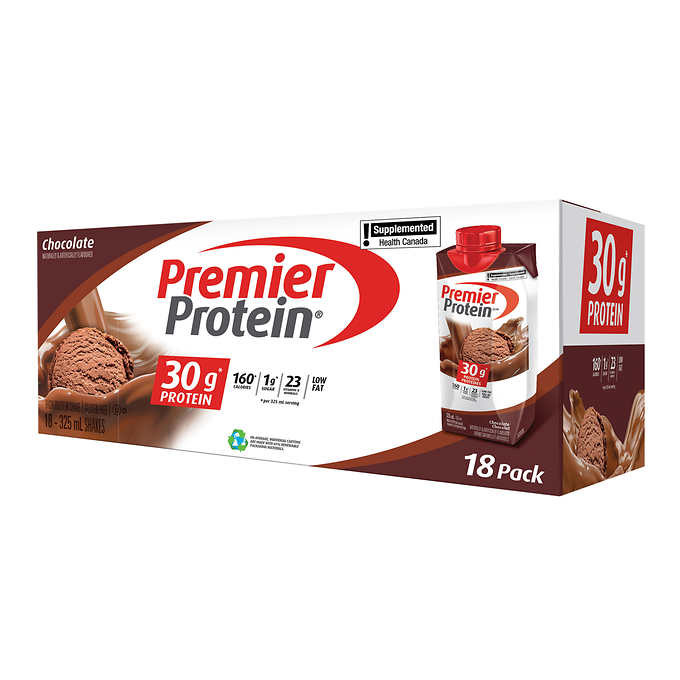
Supplying it is low-risk because the products are shelf-stable and versatile: ready-to-drink protein shakes, protein bars, and higher-protein snacks store easily and sell across many settings. That makes protein-forward one of the safest trends to test — the stock does not spoil quickly if uptake is slower than hoped.
Start with a small range across formats — a shake, a bar, a snack — and let the reorder rate tell you what your customers actually want more of.
Trends two and three: functional beverages and global flavour
Two fast-moving trends you can supply cheaply and reversibly.
Functional beverages — drinks positioned around energy, focus, hydration, or wellness — are among the fastest-growing categories in foodservice, and Canadian operators are asking how to build them into cafe and outlet menus. Because they are packaged and shelf-stable, they are easy to trial: stock a small selection, see what moves, and adjust.
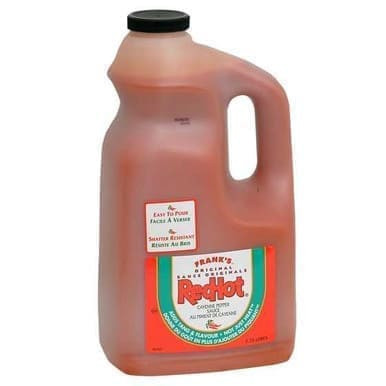
Global and bold flavours are the other durable driver of menu interest, and the cheapest place to act on them is sauces and condiments. A few authentic global sauces can refresh a menu without reworking the kitchen, and they store well, making them a low-risk way to keep a menu feeling current. Where certifications like halal matter to your customers, verify them at the product level from the certifying body.
Both trends share the same advantage: packaged, shelf-stable products that you can test in small quantities and scale only where they land, with little downside if they do not.
Trend four: speed of service
Why the fastest-moving trend is partly a supply question.
Speed of service is a persistent operator concern — how to reduce wait times and turn more covers — and while much of it is equipment and layout, a real part of it is supply. How food is portioned, packaged, and prepped shapes how fast a kitchen can get an order out.
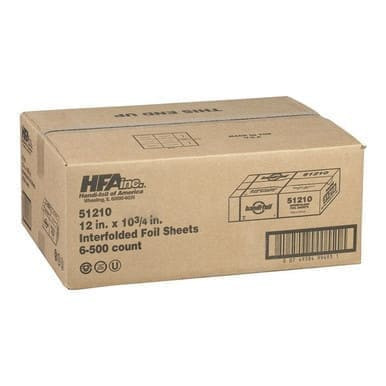
Pre-portioning components into cups and containers, standardizing packaging so staff pack orders without thinking, and keeping prep and service consumables stationed where the work happens all shave time off each order. These are supply decisions as much as workflow ones.
For takeout and delivery in particular, a tight, well-chosen packaging range — matched to hot, greasy, saucy, and cold items — lets staff assemble orders quickly and correctly, which is speed and accuracy at once.
Supplying trends flexibly from one place
Why a no-minimum supplier is the real enabler of trend-testing.
The thread running through this playbook is flexibility. Acting on trends without getting burned depends on being able to buy small, test, and scale — and that depends on a supplier who does not force volume on you.
We stock across all four trend areas — protein-forward items, functional and packaged beverages, global sauces and condiments, and the portioning and packaging that drive speed — and ship Canada-wide from Calgary with no minimum order. That is what makes test-then-commit practical rather than theoretical.
The products below span the trends. Pick a few, give them four weeks, and let the data decide what you scale.
The trends and how to supply them
Each live trend, why it matters, and the low-risk way to supply it.
| Trend | Why it matters | How to supply it | Risk level |
|---|---|---|---|
| Protein-forward | Now an expectation, not a niche | Shelf-stable shakes, bars, snacks | Low (stores well) |
| Functional beverages | Fast-growing menu category | Small packaged selection, test | Low (shelf-stable) |
| Global flavour | Keeps menus current cheaply | A few authentic sauces | Low (stores well) |
| Bold sauces + condiments | High-impact menu refresh | Rotate a small range | Low |
| Speed of service | Turns more covers | Portioning + tight packaging | Low (reusable systems) |
| Takeout growth | Delivery demand persists | Matched container range | Low |
| Any new trend | Uncertain until tested | Trial small, scale winners | Managed by testing |
Supplies across the trends
Protein, beverages, sauces, and packaging stocked in Calgary and shipped Canada-wide.






What Canadian Canadian foodservice operators say
Feedback from Canadian operators supplying trends flexibly.
We trialled three protein items with no minimum order, kept the two that sold, and dropped the one that didn't. No dead stock, no guessing.
Adding a couple of global sauces refreshed our menu for almost nothing. It's the cheapest way we've found to keep things current.
Pre-portioning and a tighter packaging range genuinely sped up our takeout assembly. Speed turned out to be partly a supply problem.
Foodservice trend questions, answered: Frequently Asked Questions
The following operator questions are answered with cited sources. Every FAQ links to Health Canada, CFIA, Canada.ca, or another authoritative regulator.
How much does it cost to start a food truck in Canada?
Products referenced:
- Sysco Classic Box Food Take-Out Kraft 5x4x2.5in 300/Case
- CP Clear Plastic Shot Glasses 1.25oz 250/Case
- Sysco Classic Cup Paper White Hot 8oz 50CT 20/Case
What is the average food cost percentage for a restaurant in Canada?
Products referenced:
- McCormick Culinary Southwest Seasoning 18oz 6/Case
- Ghirardelli Vanilla Flavoring Sauce 64 fl oz 6/Case
- Premium Butter Chicken Sauce
Source: What is the average cost percentage for food at a restaurant? - Quora
Where do Canadian restaurant owners buy wholesale food supplies?
Products referenced:
- Sysco Classic Box Food Take-Out Kraft 5x4x2.5in 300/Case
- Sysco Classic Cup Paper White Hot 8oz 50CT 20/Case
- Club Coffee Colombian Coffee 2.25oz 42/Case
Is food truck overhead more than a standard restaurant?
Products referenced:
- Rubbermaid TakeAlongs Food Storage Containers 4-Pack 2/Case
- Sysco Classic Box Food Take-Out Kraft 5x4x2.5in 300/Case
- CP Bulk Case Wire Rim Aluminum Sheet Pans 13x18
Source: Is food truck expense overhead more than standard restaurants? - r/foodtrucks
How do restaurants track and reduce food waste?
Products referenced:
- CP Bulk Case Half Size Wire Rim Aluminum Bun Sheet Pans 13x18
- Rubbermaid TakeAlongs Food Storage Containers 4-Pack 2/Case
- Full Size Steam Table Pan 4 Inch Deep
Source: How do you guys currently measure food waste? - r/restaurantowners
What are the best eco-friendly takeout packaging alternatives for Canadian restaurants?
Products referenced:
- Sysco Classic Box Food Take-Out Kraft 5x4x2.5in 300/Case
- CP Clear Plastic Shot Glasses 1.25oz 250/Case
- Sysco Classic Cup Paper White Hot 8oz 50CT 20/Case
Source: Anybody interested in tracking what restaurants use eco-friendly packaging? - r/askTO
How is the food truck business doing in 2025 — is now a good time to start?
Products referenced:
- Premium Butter Chicken Sauce
- McCormick Culinary Southwest Seasoning 18oz 6/Case
- Sysco Classic Box Food Take-Out Kraft 5x4x2.5in 300/Case
Source: In general, how is the food truck business going? Is now a good time to start? - r/foodtrucks
What does Canada's single-use plastics ban mean for restaurant operators?
Products referenced:
- Sysco Classic Box Food Take-Out Kraft 5x4x2.5in 300/Case
- Sysco Classic Cup Paper White Hot 8oz 50CT 20/Case
- CP Clear Plastic Shot Glasses 1.25oz 250/Case
How do I add a menu trend without wasting money?
How do you calculate shipping on bulk orders?
Related guides from ChickenPieces
Why run your trend testing with ChickenPieces
Following trends without getting burned depends on buying small, testing, and scaling. Our no-minimum supply across every trend area is what makes that practical.
Test then commit
No minimum order lets you trial any trend and scale only the winners, with no dead stock.
Across every trend
Protein, beverages, global sauces, and speed supplies from one supplier.
Shelf-stable and low-risk
Most trend products store well, so a slower-selling trial does not spoil.
Canadian-owned, shipped nationwide
Stocked in Calgary and shipped Canada-wide, with transparent live-rate shipping at checkout.
Test a trend the low-risk way
Tell us which trend you want to try — protein, functional drinks, global flavour, or faster service — and we will help you build a small trial to test before you commit. No minimum order, shipped across Canada.
Request a Quote