
2026 Sep 8th
Reliable Medical Supply Sources for Canadian Care Facilities
McKesson Canada, Medline Canada, The Stevens Company, and specialized distributors like ChickenPieces each serve distinct facility needs across the country. Your choice depends on order size, product specialization, and whether domestic ownership matters to your procurement policy.
Reliable Medical Supply Sources for Canadian Care Facilities
Facility operators, property managers, and care teams need consistent access to quality medical supplies without supply chain complexity.
Key Takeaways
Six points to guide your supplier selection for medical and long-term care operations.
Scale matches need
McKesson and Medline handle national volume with extensive distribution networks, while smaller distributors serve facilities needing flexible minimums.
Canadian ownership option
The Stevens Company remains Canada's only full-line Canadian-owned distributor, with six centres including Calgary and family ownership since 1830.
IDDSI compliance critical
Texture-modified nutrition and thickeners must meet IDDSI standards to prevent choking and aspiration in dysphagic residents.
Glove quality verified by AQL
Acceptable Quality Level ratings indicate defect probability; AQL 1.5 meets European medical standards for barrier protection.
Pre-thickened nutrition available
Boost and Ensure offer IDDSI-compliant formulations in Canada, reducing preparation errors in LTC dietary programs.
Staff training prevents harm
Proper IDDSI flow testing under intended serving conditions ensures accurate texture modification and resident safety.
McKesson and Medline: Scale and Reach
These multinational distributors dominate Canadian healthcare supply through infrastructure and breadth.
McKesson Canada distributes over 270,000 national brand medical-surgical products alongside more than 4,000 own-brand items. Their network reaches over 9,000 pharmacies, hospitals, clinics, and care sites daily, with dedicated account managers supporting non-acute settings including long-term care.
Medline Canada operates eight distribution centres staffed by over 550 employees, including 125 sales and clinical professionals. Their market coverage spans acute hospitals, long-term care, home healthcare, and physician or dental clinics, with particular strength in continence care, skin and wound management, infection control, and nursing supplies.
Both distributors suit facilities with predictable volume needs and established storage capacity. Their minimum order structures and contract terms favour larger operations; smaller LTC homes or Airbnb-converted care properties may find their systems cumbersome for spot purchases.
The Stevens Company: Canadian-Owned Distribution
Family ownership and domestic control distinguish this sixth-generation operation.
The Stevens Company stands as Canada's only Canadian-owned full-line medical distributor, with family ownership tracing to 1830. Six distribution centres span Brampton, Vancouver, Calgary, Winnipeg, Halifax, and Montreal, providing geographic coverage comparable to multinational competitors.
Their manufacturer network exceeds 500 partners, offering surgical supplies, hospital furniture, operating room equipment, and clinic supplies for physicians and nurses. This range lets facilities consolidate orders rather than managing multiple vendor relationships for different product categories.
Stevens announced expansion into the Canadian laboratory market for June 2026, strengthening its position as a domestic alternative to multinational suppliers. Procurement policies favouring Canadian-owned vendors—common in municipal contracts and some provincial health authorities—make Stevens a strategic option for facilities with domestic-content requirements.
IDDSI Framework for Dysphagia Management
Texture modification standards protect residents from choking and aspiration risks.
The International Dysphagia Diet Standardisation Initiative provides an eight-level framework classifying foods and liquids by texture. Drinks measure across Levels 0 through 4, while foods span Levels 3 through 7. The IDDSI Flow Test uses a 10mL syringe measuring gravity flow over 10 seconds to standardize liquid thickness assessment.
Clinicians bear direct responsibility for recommendations based on comprehensive patient assessment. Testing must occur under intended serving conditions, particularly temperature, because thickened liquids behave differently when heated or cooled. Framework alterations are prohibited; previous errors in texture modification have been associated with choking incidents and fatalities.
Common commercial thickeners include xanthan gum, guar gum, carrageenan, and modified corn starch. Xanthan gum demonstrates the highest viscosity and viscoelasticity among these options. However, thickened liquids prove considerably less palatable than unmodified versions, requiring balance between swallowing safety and nutritional intake.
AQL Ratings and Barrier Protection
Glove defect probability affects infection control for staff and residents.
Acceptable Quality Level represents an internationally recognized standard measuring statistical defect percentage in disposable glove batches. The European EN 455 standard requires medical examination gloves at AQL 1.5, while the FDA minimum for exam-grade gloves in the United States sits at AQL 2.5. Lower AQL numbers indicate greater barrier quality, with AQL 1.0 and 0.65 reserved for specialist areas like microbiology and surgery.
The water leak test validates quality through random sampling: 200 gloves tested with maximum seven defects acceptable for AQL 1.5 compliance. An AQL result of 1.5 indicates less than 1.5 percent statistical probability of defects in that batch. AQL 4.0 also appears for certain applications where barrier requirements are less stringent.
Product lines meeting AQL 1.5 comply with EU standards EN 455, ASTM D6319, and AS/NZS medical glove specifications. Lower AQL ratings ensure fewer pinhole defects and greater protection for healthcare workers in examination and clinical settings. Facilities should verify AQL claims through supplier documentation rather than packaging assertions alone.
Pre-Thickened Supplements for LTC Residents
Malnutrition commonly accompanies dysphagia; pre-thickened options reduce preparation risk.
Malnutrition occurs frequently in dysphagia patients due to reduced food intake and modified diet limitations. Pre-thickened oral nutritional supplements provide an effective method to manage nutritional deficiencies while maintaining safe swallowing consistency. These products avoid aspiration risk during swallowing by ensuring proper viscosity without staff preparation variables.
Boost and Ensure products are available in Canada in multiple IDDSI-compliant thickened levels for long-term care facilities. Standard and specialized formulations include options for post-chemotherapy and radiation patients. Most institutional oral nutritional supplements require prescription following dietitian assessment, though some over-the-counter versions appear at grocery stores and pharmacies.
Proper IDDSI consistency selection remains essential for dysphagia patients. Products like Ensure and Boost in pre-thickened formats meet IDDSI standards for safe swallowing in LTC settings, removing the uncertainty of powder or liquid thickener addition by dietary staff.
Flexible Options for Smaller Facilities
Not every care operation matches the scale of hospital-system procurement.
National distributors structure their operations around volume contracts and predictable replenishment cycles. Facilities with fewer than fifty beds, seasonal operations, or mixed-use properties including Airbnb conversions may lack the storage space and consumption rates these systems assume. Specialized distributors fill this gap with lower minimums and mixed-case availability.
Online medical suppliers serving the Canadian market offer long-term care supplies, personal protective equipment, respiratory products, IV therapy, and nursing supplies without large minimum order requirements. This accessibility matters for small LTC facilities, private care homes, and property managers maintaining medical supply stocks for guest safety or regulatory compliance.
Gloves, incontinence supplies, wound care, and oral nutrition products represent common procurement categories where smaller facilities need reliable access without enterprise-scale commitments. Evaluating suppliers on minimum order flexibility, mixed-case shipping, and account setup speed helps smaller operations maintain appropriate inventory without overextending storage capacity or capital.
Canadian Medical Supply Distributor Comparison
Match your facility's priorities to the distributor best positioned to serve them.
| Distributor | Ownership | Key strength | Best suited for |
|---|---|---|---|
| McKesson Canada | Multinational | 270,000+ products, daily delivery to 9,000+ sites | Large hospitals, health systems, high-volume LTC |
| Medline Canada | Multinational | 8 centres, 125+ clinical/sales staff | Acute and LTC needing clinical support |
| The Stevens Company | Canadian family-owned | 6 centres since 1830, 500+ manufacturers | Domestic procurement policies, Western Canada |
| EmerDepot | Private | Online ordering, no large minimums | Small LTC, home care, spot purchases |
| ChickenPieces | Calgary-based | Flexible quantities, mixed-case shipping | Airbnb hosts, small facilities, property managers |
| Direct manufacturers | Varies | Single-product specialization | Facilities with established multi-vendor systems |
| Pharmacy wholesalers | Varies | Local access, emergency stock | Clinics with immediate, small-quantity needs |
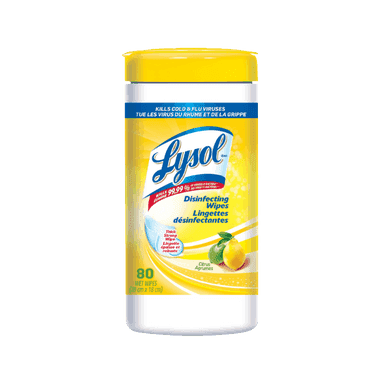
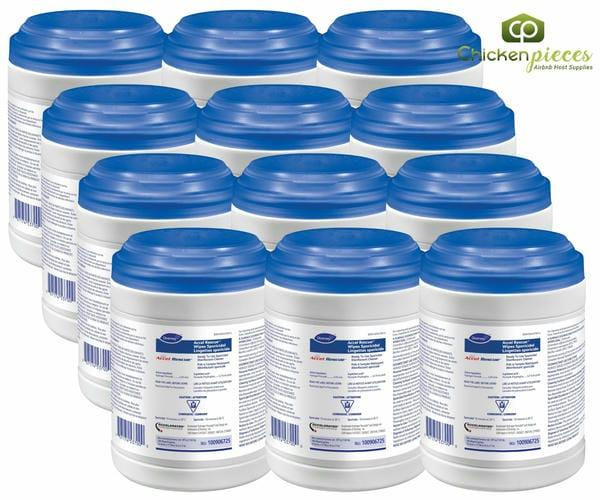
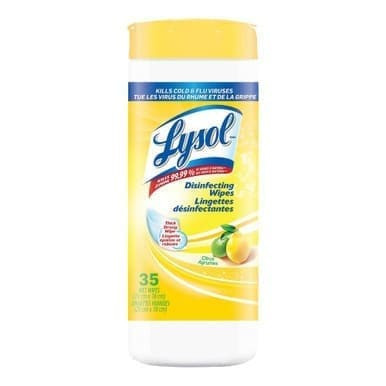
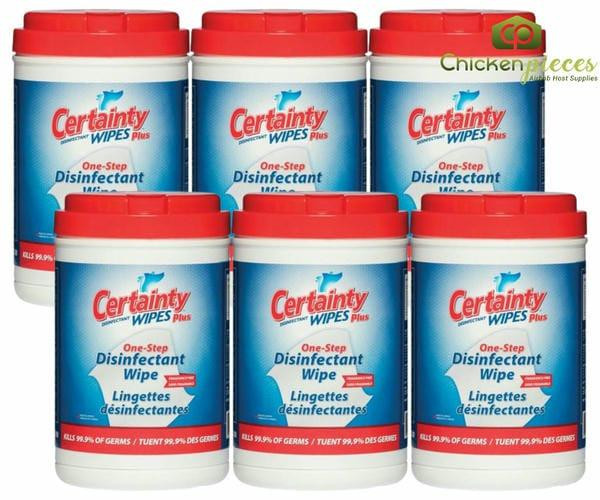
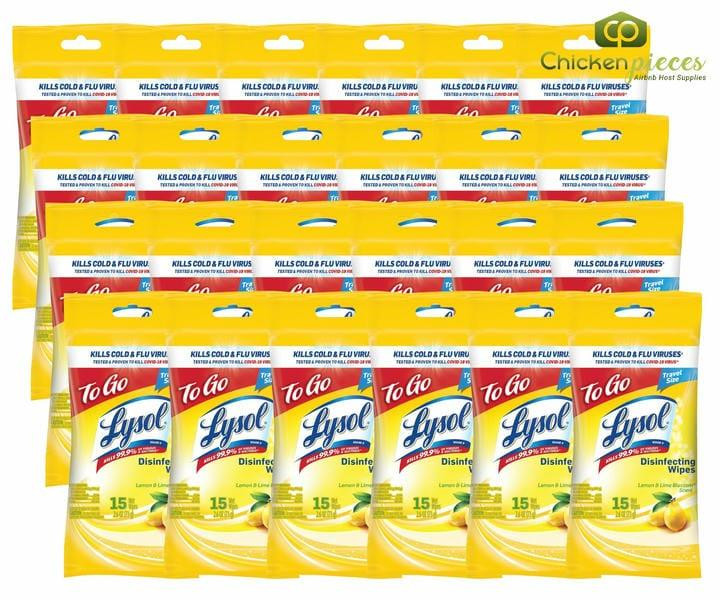
Medical and LTC Supplies for Canadian Facilities
Nutrition, gloves, thickeners, and protective items selected for care facility operations.




What Canadian Facility operators say
Facility operators across Canada describe their supply sourcing experiences.
Switching to pre-thickened Ensure cut our dietary incidents by half. Staff no longer guess at consistency, and residents actually finish their supplements now.
We needed gloves that met EN 455 without ordering ten cases. The vitrile option arrived in mixed sizing, which let us stock properly for our twelve-bed home.
As a property manager with two Airbnb units accessible to seniors, I keep a small medical stock. Flexible ordering let me build this without warehouse requirements.
Medical supply sourcing: Frequently Asked Questions
The following operator questions are answered with cited sources. Every FAQ links to Health Canada, CFIA, Canada.ca, or another authoritative regulator.
Where do Canadian care facilities actually buy their medical supplies?
Source: MediZONE — Medical Supplies for Healthcare Organizations in Canada
Is it cheaper to buy medical supplies in bulk through a distributor or retail/Amazon for a Canadian care home?
Products referenced:
- gloves, underpads, briefs, wipes
Source: Medical supply delays disrupting home care across Ontario (CBC News)
Can a care home or home care operator just order medical supplies on Amazon.ca instead of a medical distributor?
Products referenced:
- exam gloves, wound dressings, surgical masks
Which incontinence products do Canadian long-term care homes buy in bulk, and from whom?
Products referenced:
- briefs, protective underwear, underpads, booster pads
Where can I buy patient lifts and slings in Canada for a care facility or home care client?
Products referenced:
- patient lift, hoyer lift, slings
What supplies does a new home care agency need to stock, and where do Canadian operators buy them?
Products referenced:
- PPE, continence products, wound care, transfer aids
Source: Starting a homecare agency — struggles — r/smallbusiness (Reddit)
Where do Canadian clinics and care homes get medical supplies when they need them fast?
Products referenced:
- exam gloves, masks, wound care, sanitizers
Source: CANADA — where to buy medical supplies? — r/FamilyMedicine (Reddit)
How do Canadians buy ostomy and continence supplies — pharmacy, online, or distributor?
Products referenced:
- ostomy supplies, continence products
What are the best overnight incontinence products for elderly residents, and where do caregivers buy them in Canada?
Products referenced:
- overnight briefs, pull-ups, booster pads
Source: Overnight adult diapers — r/CaregiverSupport (Reddit)
How many Canadians live in long-term care, and what does that mean for facility supply purchasing?
Products referenced:
- gloves, briefs, wound care, transfer equipment
Source: Ensuring resident well-being and comfort in long-term care — CIHI
How do you calculate shipping on bulk orders?
Related guides from ChickenPieces
Why Canadian Facilities Source from ChickenPieces
Calgary-based supply with national reach for operations of every scale.
Flexible quantities
Order single cases or mixed products without warehouse-scale minimums. Suitable for small LTC homes, care properties, and facility managers building initial inventory.
Practical selection
Curated range covering nutrition, gloves, thickeners, and protective supplies. Avoid catalog overwhelm from distributors carrying hundreds of thousands of items.
Western Canada presence
Calgary location reduces transit variables for Alberta, Saskatchewan, and Manitoba operations. Account familiarity with regional facility types and seasonal demands.
Health Canada compliance
Products sourced and documented to meet Canadian regulatory standards. Nutrition items, medical gloves, and thickening agents align with CFIA and Health Canada requirements for facility use.
Sources & further reading
- McKesson Canada - Healthcare Distribution & Solutions — McKesson Canada
- Medline Canada - Medical Supplies & Healthcare Distribution — Medline Canada
- The Stevens Company - Canadian Medical Supplies & Equipment — The Stevens Company
- What is Acceptable Quality Level (AQL) and Its Impact on Safety Glove Selection — Globus Group
- Understanding AQL - Acceptable Quality Level for Medical Exam Gloves — Ansell
- Texture-Modified Food for Dysphagic Patients: A Comprehensive Review — PubMed Central - NIH
- Flow Test by IDDSI Reveals Distinct Viscosity Parameters of Thickening Agents — PubMed Central - NIH
- Webinars and Videos - IDDSI Testing & Dysphagia Training — Thick-It Educational Resources
- EmerDepot - Canada's Largest Online Medical Supplier for LTC & Home Care — EmerDepot Canada
- Oral Nutritional Supplements (ONS) - Boost & Ensure Products — Nestlé Medical Hub
Request Your Facility Supply Quote
Tell us your resident count, product categories, and delivery location. We will respond with availability, quantities, and timing based on live carrier rates.
Request a QuoteReferences: Health Canada - Food Chemical Contaminants CFIA - Food Safety for Industry.