2026 Sep 8th
Why Canadian B2B Suppliers Outperform Amazon for Janitorial
Canadian B2B suppliers publish complete ASTM and AQL specifications that Amazon marketplace sellers often omit. Health Canada Class II medical device licensing, transparent defect rates, and zero cross-border tariff exposure make domestic wholesale sourcing the lower-risk choice for bulk janitorial and PPE procurement.
Why Canadian B2B Suppliers Outperform Amazon for Janitorial Safety
For Airbnb hosts, property managers, and facility operators who need verified nitrile gloves, can liners, and chemical supplies without cross-border risks.
Key Takeaways
Six practical points to guide your next bulk procurement decision.
AQL transparency matters
Amazon Basics nitrile gloves omit AQL ratings and ASTM revision numbers. Certified Canadian suppliers publish full defect-rate documentation for every batch.
Medical vs industrial grade
Exam-grade nitrile requires AQL 2.5 or lower and FDA Class I registration. Industrial gloves run AQL 3.0-4.0 with looser defect tolerance—know which your task demands.
Seller cycling hides quality
Marketplace vendors frequently relist under new brand names after negative reviews. This masks consistency problems that dedicated B2B suppliers prevent through enforced standards.
Chemical residue risks
Lab-grade suppliers control for accelerator leachables and chemical residues. General-purpose Amazon gloves carry no such specifications, creating liability in sensitive applications.
Cross-border tariff exposure
US-sourced janitorial equipment and packaging items face 15-50 percent Canadian counter-tariffs. Domestic suppliers eliminate this cost uncertainty from bulk orders.
Samples prevent mislabeling
Many online listings misrepresent pure nitrile when products contain vinyl blends. Direct suppliers offer verified samples and material authentication before bulk commitment.
Reading AQL and ASTM for nitrile glove procurement
Understanding defect rates and testing protocols prevents costly mismatches between gloves and tasks.
ASTM D6319-19(2023) governs Canadian medical exam glove performance, measuring barrier integrity through a standardized water-leak test. Each glove is filled with one litre of water, sealed, inverted for two minutes under pressure, and inspected for pinholes. Lower AQL numbers mean stricter passing thresholds. AQL 0.65 suits dental and medical environments where barrier failure carries infection risk. AQL 1.5 works for general medical exam use. AQL 2.5-4.0 covers industrial and janitorial tasks where cost efficiency outweighs maximum barrier assurance.
Amazon Business listings rarely display manufacturer datasheets or FDA 510(k) clearance numbers. Third-party sellers write their own product descriptions without independent verification. This opacity matters because marketplace vendors cycle through brand names or relist identical products after accumulating negative reviews. Buyers cannot distinguish a one-time quality dip from a systemic problem when the seller identity keeps shifting. Certified wholesale suppliers maintain consistent inventory lots with traceable documentation.
Thickness measured in mils should match application, not serve as a blanket quality marker. Medical and dental facilities typically need 3-4 mil powder-free exam-grade gloves. Automotive chemical work demands 5-8 mil for permeation resistance. Food service and general janitorial operations can use AQL 2.5 general-purpose gloves at lower unit cost without compromising safety. The wrong specification either overspends or underprotects—neither serves operational efficiency.
Matching gloves to cleaning chemical hazards
No glove material resists all chemicals indefinitely; systematic assessment prevents exposure incidents.
The Canadian Centre for Occupational Health and Safety states that glove selection demands matching task, chemicals, contact type, duration, and potential skin effects. A glove rated for brief splash contact may fail during immersion. Permeation—the invisible passage of chemicals through intact glove material—proceeds even when the glove looks undamaged. Degradation, the physical breakdown of glove structure, shows as swelling, stiffening, or cracking. Both require specific testing data, not generic chemical resistance claims.
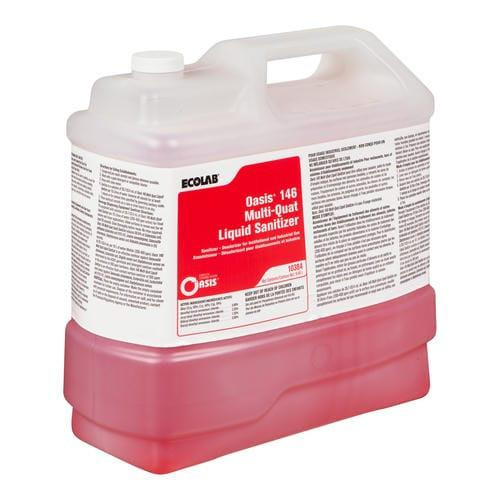
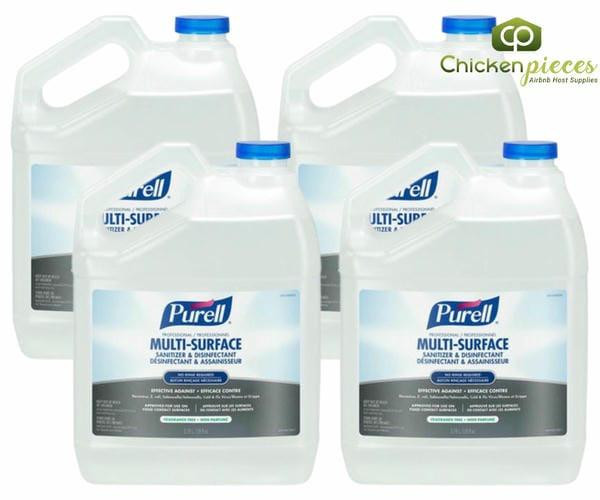
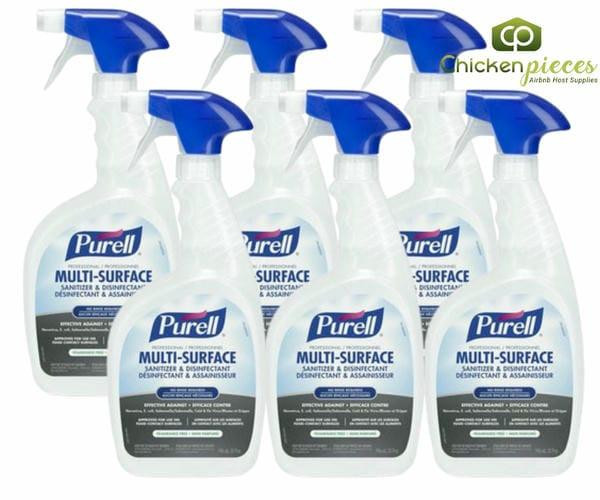
Multi-quat sanitizers and disinfectants common in janitorial work present different glove challenges than solvent-based cleaners. Oasis 146 Multi-Quat and Purell Professional Multi-Surface Sanitizer each carry specific use directions and contact times that affect glove exposure duration. Facility operators must request manufacturer permeation data for the exact chemical concentration used, not assume universal nitrile compatibility. Wholesale suppliers with technical staff can source this documentation; marketplace sellers typically cannot.
Formal PPE programs under CCOHS guidelines include worker training, equipment selection, fitting protocols, maintenance schedules, and inspection routines. Gloves stored past manufacturer recommendations degrade even in original packaging. Bulk procurement from suppliers with rotation-managed inventory reduces this risk compared to marketplace purchases of unknown warehouse age. Documented lot numbers enable traceability if quality issues emerge.
How dedicated B2B suppliers reduce quality risk
Consistent inventory, responsive service, and verified documentation separate professional supply from marketplace gambling.
Eco Gloves research found that online marketplaces introduce quality control risks through seller anonymity and rapid brand cycling. A supplier with consistent negative feedback simply reappears under a new name. Buyers chasing lowest unit cost cannot verify whether the same manufacturing lot or even the same factory produced their replacement order. Dedicated B2B suppliers enforce quality standards through direct manufacturer relationships and batch testing protocols that marketplace intermediaries bypass.
Free sample programs let facilities assess sizing accuracy, grip texture, and material authenticity before bulk commitment. Many online nitrile listings contain vinyl blends misrepresented as pure nitrile. Vinyl lacks nitrile's tensile strength and chemical resistance, failing faster and requiring double-gloving that increases total consumption. Sample testing against specifications prevents this hidden cost inflation. Amazon Business convenience does not extend to pre-purchase material verification.
Responsive customer service matters when inventory disruptions occur. Canadian suppliers with multiple fulfillment locations can redirect stock regionally. Marketplace sellers ship from wherever their current inventory sits, with no obligation to notify buyers of warehouse changes. For facility operators managing multiple properties, supply continuity outweighs marginal per-unit savings. Relationship-based suppliers communicate proactively about lot changes or specification updates.
Understanding cross-border cost uncertainty
US-sourced janitorial supplies carry tariff risk that domestic procurement eliminates entirely.
The Government of Canada's counter-tariff schedule targets specific US product categories including filtering machinery, vacuum cleaners, and packaging materials. These items integrate into janitorial supply chains as equipment and consumable packaging. While individual glove shipments may fall below de minimis thresholds, bulk orders and equipment purchases face cumulative exposure. Tariff rates applied at import are non-recoverable costs that inflate total cost of ownership beyond listed product prices.
Canadian-based suppliers source through domestic distribution or pre-cleared import channels with tariff costs already absorbed into stable pricing. This predictability supports annual budgeting for property managers and facility operators. Amazon Business orders fulfilled from US warehouses cross the border as individual shipments with customs documentation that delays delivery and creates administrative burden. Carrier rates at checkout do not include potential duty reassessments months later.
Airbnb hosts managing multiple properties face amplified impact from any supply disruption. A single tariff reassessment or customs hold affects cleaning schedules, guest turnover, and review scores. Domestic supplier relationships with documented pricing and consistent lead times reduce operational volatility. The procurement decision extends beyond unit cost to total reliability cost.
Where Amazon Business falls short for bulk buyers
Convenience features mask structural weaknesses in quality verification and supplier accountability.
Amazon Business Canada's primary value proposition is marketplace access with business pricing tiers and consolidated ordering. The platform hosts hundreds of thousands of sellers with independent pricing and sourcing decisions. This fragmentation means identical SKUs may ship from different suppliers with different manufacturing lots, quality levels, and documentation. Amazon's logistics network optimizes speed, not specification consistency.
Third-party sellers retain control over product descriptions, which need not match actual manufacturer specifications. A listing claiming ASTM compliance may reference an outdated revision or omit critical testing details. Amazon's return policy handles defective individual items, not systematic quality drift across recurring bulk orders. Facility operators cannot build compliance documentation from marketplace screenshots when health inspectors or insurers request verification.
The platform's two-day shipping promise addresses convenience, not procurement suitability. For janitorial and PPE supplies, verification speed—confirming certifications, testing samples, reviewing datasheets—matters more than transit speed. Canadian B2B suppliers match this need with technical staff who understand facility requirements and can escalate questions to manufacturers. Amazon's customer service handles transactions, not technical compliance consultation.
Building a verification checklist for bulk orders
Systematic evaluation prevents the hidden costs of specification mismatches and unreliable supply.
Start with application mapping. Medical and dental cleaning requires AQL 1.5 exam-grade nitrile with Health Canada Class II medical device licensing. General janitorial and food service tasks operate safely at AQL 2.5 industrial grade with lower unit cost. Automotive or heavy chemical work needs thicker gloves with specific permeation data for target chemicals. Document these requirements before soliciting quotes to prevent specification drift during price comparison.
Verify supplier documentation practices. Reputable Canadian wholesalers provide manufacturer datasheets, certificates of analysis, and lot traceability. They maintain sample programs for sizing and material verification. They disclose whether products are stocked domestically or drop-shipped from international warehouses. Each factor affects delivery reliability and compliance documentation availability. Marketplace sellers optimizing for lowest visible price typically omit this infrastructure.
Evaluate total cost including administrative burden. Tariff exposure, customs documentation, return processing for quality failures, and double-gloving from inadequate specifications all add hidden costs. A slightly higher unit price from a verified domestic supplier often yields lower total cost of ownership. Request annual cost projections from potential suppliers that include these factors, not just per-box pricing. Professional B2B suppliers provide this analysis; marketplace platforms do not.
Amazon Business vs Canadian B2B suppliers: key differences
Use this comparison to evaluate which sourcing model matches your operational priorities.
| Factor | Amazon Business | Canadian B2B Supplier | Impact on procurement |
|---|---|---|---|
| AQL documentation | Often omitted in listings | Published per batch with test results | Compliance verification |
| ASTM revision tracking | Unverified or outdated claims | Current D6319-19(2023) specified | Specification accuracy |
| Health Canada licensing | Not guaranteed; third-party variable | Class II medical device verification | Regulatory alignment |
| Seller accountability | Cycling brand names mask history | Established legal entity with traceability | Quality consistency |
| Tariff exposure | US-fulfilled orders subject to duties | Domestic sourcing eliminates cross-border risk | Cost predictability |
| Sample verification | Limited or unavailable | Free programs for sizing and material check | Pre-commitment validation |
| Technical consultation | Transactional customer service | Staff with PPE and chemical expertise | Application suitability |
Janitorial and PPE supplies for verified operations
Nitrile gloves in foodservice and industrial grades, multi-quat sanitizers, and surface disinfectants with transparent specifications.


What Canadian facility operators say
What Canadian facility operators say about switching to verified supply.
We stopped double-gloving after switching to documented AQL 2.5 gloves. Our monthly glove consumption dropped by a third and staff complaints about tearing disappeared entirely.
The sample program saved us from a bulk order of mislabeled vitrile. Our inspector now gets full certification binders instead of marketplace screenshots.
No more surprise duty bills from US shipments. Our accountant can actually predict supply costs now, and delivery dates stay consistent through the year.
B2B procurement: Frequently Asked Questions
The following operator questions are answered with cited sources. Every FAQ links to Health Canada, CFIA, Canada.ca, or another authoritative regulator.
Where can I buy janitorial supplies in bulk in Canada without using Amazon?
Is it cheaper to buy cleaning supplies from a janitorial distributor than Amazon?
Why are Amazon prices for cleaning products so unpredictable for business buyers?
How do I choose a reliable janitorial supplier for my cleaning company?
Source: Reliable vendors for janitorial and PPE products? - r/SafetyProfessionals
Where do small businesses actually buy cleaning and facility supplies instead of Costco?
Source: where are you guys actually buying supplies because costco aint it - r/smallbusiness
How do I get commercial case pricing on cleaning supplies instead of retail pack prices?
Source: Would You Support Independent Distribution in the Janitorial Supply Industry? - r/Custodians
Do janitorial suppliers have minimum order quantities?
Source: Becoming a janitorial supplies distributor - r/smallbusiness
Are cleaning products bought on Amazon safe and authentic for workplace use?
What should Canadian workplaces know about SDS and WHMIS documentation when buying cleaning chemicals?
Do I pay duties and taxes when ordering janitorial supplies from Amazon to Canada?
Source: Guide to importing commercial goods into Canada: Step 3. Determining value for duty - CBSA
How do you calculate shipping on bulk orders?
Related guides from ChickenPieces
Why operators choose ChickenPieces.com
Verified supply with documentation that satisfies inspectors and insurers.
Transparent specifications
Every glove lot ships with published AQL ratings, ASTM revision dates, and manufacturer datasheets. No guessing, no screenshots, no missing documentation.
Consistent inventory
We stock domestically with traceable lot numbers and rotation-managed warehousing. Your tenth reorder matches your first in specification and performance.
Technical support
Our staff understand PPE selection for chemical handling, food service, and medical-adjacent cleaning. We escalate to manufacturers when your application demands specific permeation data.
Health Canada compliance
Medical-grade gloves carry verified Class II device licensing. Industrial gloves are properly classified and labeled. We maintain CFIA-recognized supplier status for foodservice operations requiring documented food safety compliance.
Sources & further reading
- Amazon Basics Nitrile Gloves vs Lab-Grade Exam Nitrile: ASTM D6319, AQ — Innovative Bioscience
- Where to Buy Bulk Nitrile Gloves Without Sacrificing Quality — Eco Gloves
- Acceptable Quality Level Determines If a Glove Is Industrial or Exam Grade — AMMEX
- Understanding AQL For Gloves — HALYARD
- Nitrile Glove Thickness and AQL: What the Numbers Mean When Buying in Bulk — Centennial Safety & Supplies
- Buying low-cost or less Nitrile Gloves Is Dangerous—and They're Everywhere Online — Schneider Direct
- Nitrile Gloves Standards in Canada: ASTM & Health Canada Guide — 72Hours
- CCOHS: Chemical Protective Clothing - Glove Selection — CCOHS (Canadian Centre for Occupational Health and Safety)
- List of top 10 PPE Suppliers in Canada — Anbu Safety
- How to get real nitrile gloves distributors/wholesalers who could sell millions of boxes — Quora
- Business Supplies - Janitorial & Sanitation — Amazon.ca
- List of products from the United States subject to counter-tariffs effective September 8, 2026 — Government of Canada
Request a bulk quote with specifications
Tell us your application, volume, and compliance requirements. We will recommend appropriate grades, provide sample pairs for verification, and quote stable domestic pricing without tariff exposure.
Request a QuoteReferences: Health Canada - Food Chemical Contaminants CFIA - Food Safety for Industry.