
2026 Aug 16th
Bulk Esthetics Supplies Without Amazon Markups
Estheticians and spas in Canada buy bulk gloves, towels and back-bar disposables through wholesale suppliers like ChickenPieces.com that stock Health Canada-compliant products with proper lot tracking and account-managed reordering. These suppliers avoid retail markups while meeting provincial infection prevention requirements.
Bulk Esthetics Supplies Without Amazon Markups
For Alberta estheticians and spa operators who need reliable bulk quantities of gloves, towels and disposables with proper hygiene documentation.
Key Takeaways
Six points to guide your bulk purchasing for compliance and operational efficiency.
Sterilization-grade sourcing
Suppliers must document that gloves and single-use items meet provincial standards for items contacting blood or penetrating skin, with proper biohazard disposal protocols.
Five-step cleaning alignment
Your back-bar disposables supplier should understand the full tool-cleaning cycle: presoak, detergent wash, rinse, dry, then disinfect or sterilize.
Single-use documentation
Emery boards, wax applicators and wooden tools must be discarded after each client; bulk buying reduces per-service cost without compromising this rule.
Puncture-resistant disposal
Sharps containers need tight-fitting lids and biohazard signage; your supplier should stock compliant containers alongside gloves and wipes.
Intermediate-level disinfection
Work surfaces and non-sterilizable equipment require hospital-grade disinfectants between clients, not general-purpose cleaners.
Covered storage compatibility
Towels and linens must be stored in covered containers after cleaning; bulk packaging should support this, not hinder it.
Why provincial rules shape your supplier choice
Canadian esthetics operates under strict provincial health regulations that vary by jurisdiction.
Public Health Ontario, Region of Waterloo and BC Public Health all publish detailed infection prevention guidance for personal service settings. These documents specify that reusable equipment must be cleaned manually or ultrasonically after each use, then disinfected or sterilized according to provincial law. Items penetrating skin or contacting blood require sterilization via Health Canada-approved autoclaves or dry heat sterilizers, not surface disinfection alone.
Single-use items create a different procurement challenge. Emery boards, wooden foot paddles, nail buffers and wax cartridges must be discarded after each client to prevent cross-contamination. Buying these in bulk through a wholesale account reduces per-unit cost while maintaining the discard protocol that inspectors expect. Your supplier should understand this distinction and stock accordingly.
Sharp instruments require puncture-resistant, leak-proof containers with tight-fitting lids and biohazard signage. Many retail sources do not carry proper disposal systems alongside gloves and towels. A wholesale supplier serving the personal services industry stocks the full hygiene chain: gloves for the service, wipes for surfaces, towels for drying, and containers for safe disposal afterward.
Nitrile gloves for invasive and non-invasive work
Glove material and sizing affect both compliance and practitioner comfort.
The Esthetic Institute emphasizes that staff must wear clean gloves for all client contact and change them between appointments to reduce infection risk. Nitrile has largely replaced latex in Canadian spas due to allergy concerns and better chemical resistance against salon products. Large sizing accommodates most practitioners without the tearing risk of overstretched smaller gloves.
Powdered gloves are problematic in esthetics settings. Residue interferes with product application and can trigger client sensitivities. Non-powdered nitrile gloves reduce these complications while maintaining the barrier protection required for procedures involving potential blood contact, including extractions and microneedling.
Bulk case quantities matter for high-volume operations. A typical spa running multiple treatment rooms goes through hundreds of gloves weekly. Buying by the case rather than individual boxes ensures you are not reordering mid-week and paying rush shipping fees that eat into service margins.
C-fold, multifold and singlefold towel formats
Towel format affects storage, dispensing and laundry workflows differently.
BC Public Health guidelines require single-use towels and linens that are laundered or disposed of properly after each use, never reused without cleaning. For estheticians, this means either laundering cloth towels on-site or using disposable paper alternatives. The choice depends on your equipment, space and municipal water costs.
Centerfold towels fit standard dispensers and reduce countertop clutter in treatment rooms. Multifold towels offer higher sheet counts per case, making them economical for high-traffic facilities. Singlefold towels work well in mobile or smaller setups where dispenser installation is not practical. Each format serves a specific operational need.
Natural versus white towels is partly aesthetic and partly practical. White towels show stains immediately, prompting faster replacement. Natural tones hide minor discoloration longer, which some operators prefer for back-bar use where clients do not directly see the towel. Your supplier should stock both options without forcing colour commitments.
Wipes, applicators and single-use tools
Back-bar hygiene extends beyond gloves to every surface and tool touching the client.
Work surfaces and non-sterilizable equipment require intermediate-level disinfection using hospital-grade disinfectants after each client. This means the wipes sitting on your back bar must carry proper efficacy claims, not just general cleaning labels. Graffiti wipes and surface cleansing wipes serve different purposes; know which your protocol requires.
Applicators and spatulas intended for single-use must be discarded immediately after each client. Buying these in bulk prevents the temptation to reuse due to shortage. The Region of Waterloo specifically names this practice as a violation when skipped. Your wholesale supplier should offer cases large enough that running out mid-week is unlikely.
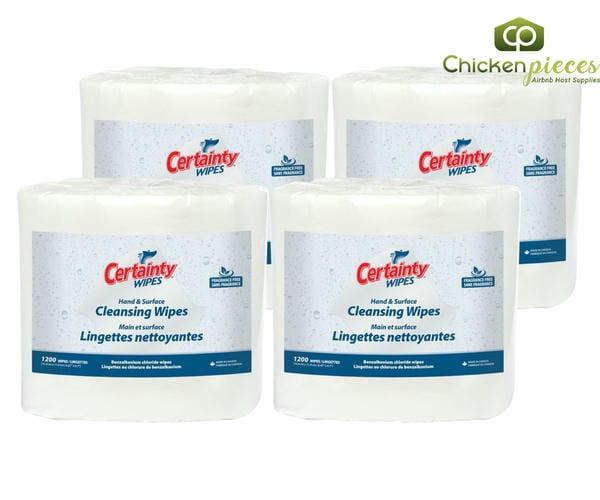
Hand and surface cleansing wipes with high sheet counts reduce packaging waste and reordering frequency. Four rolls per case at over one thousand wipes each supports multiple treatment rooms for weeks. This predictability helps with inventory scheduling and reduces the operational distraction of constant restocking.
Maintaining hygiene between cleaning and use
Clean tools become contaminated again if storage is careless.
The five-step cleaning process ends with air drying in a covered container, then disinfection or sterilization. But the protocol does not stop there. Region of Waterloo Public Health requires storage of cleaned tools in covered containers until ready for use. This means your bulk supplies need compatible storage solutions, not just low per-unit pricing.
Covered containers for towels, gloves and cleaned instruments should be non-porous and easily wiped down. Cardboard boxes from bulk deliveries should not become permanent storage. Transfer items to proper containers and label them with contents and date. This step impresses inspectors and prevents service delays from hunting for supplies.
Inventory rotation matters for disinfectants and wipes with active ingredients. Older stock loses efficacy; first-in-first-out systems prevent this. A wholesale supplier with account-managed reordering can help by flagging products approaching expiration and suggesting rotation schedules based on your usage patterns.
What to verify before your first bulk order
Not all wholesale accounts serve the compliance needs of personal services.
Verify that your supplier documents Health Canada compliance for sterilization-related products and provincial alignment for disinfectants. Generic cleaning suppliers may not understand the difference between general-purpose and intermediate-level hospital-grade requirements. This gap shows up during health inspections when product labels do not match protocol documentation.
Account-managed service matters for busy operators. Reordering by phone or email with a representative who knows your treatment volume prevents stockouts better than self-service websites. Ask whether your supplier assigns a dedicated contact, tracks your usage history, and suggests case quantities based on actual consumption rather than generic estimates.
Shipping transparency protects your scheduling. Live carrier rates at checkout let you compare options and costs without false speed promises. ChickenPieces.com does not guarantee delivery windows because carrier performance varies by destination and season. This honesty lets you plan inventory buffers appropriately rather than relying on unrealistic commitments.
Wholesale versus retail sourcing for esthetics supplies
Compare how bulk wholesale accounts and general retail platforms serve different operational needs.
| Source type | Compliance support | Case quantities | Account service |
|---|---|---|---|
| Canadian wholesale supplier | SDS and Health Canada docs provided | Full cases with lot tracking | Dedicated rep, usage history |
| Amazon Business | Variable; seller-dependent | Mixed; often partial cases | Self-service, no assigned contact |
| Medical supply distributor | Strong on sterilization items | Very large minimums | Technical, not esthetics-focused |
| Salon-specific retailer | Limited provincial alignment | Small cases or individual | Seasonal promotions, not ongoing |
| Restaurant supply wholesaler | Not applicable to spa needs | Bulk available | No infection prevention expertise |
| Direct from manufacturer | Full documentation possible | Very high minimums | Slow response, small accounts deprioritized |
| Local cooperative buying group | Shared responsibility, gaps common | Split cases negotiated | Peer-managed, inconsistent |
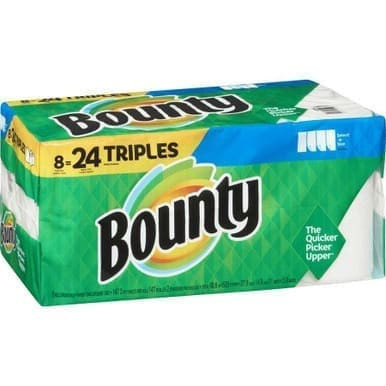
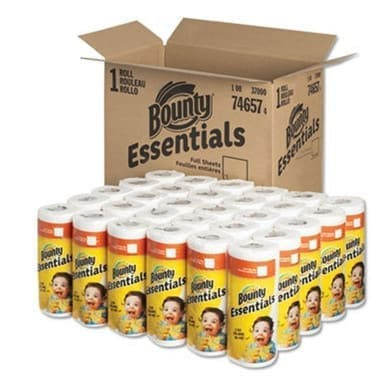
Gloves, towels and back-bar disposables in case quantities
Health Canada-compliant products for personal service settings, available through wholesale accounts with usage tracking.



What Canadian estheticians say
What Canadian estheticians and spa operators say about switching to wholesale bulk ordering.
We were buying gloves at retail and constantly running out on Saturdays. Switching to case quantities with a dedicated rep cut our restocking time by half and we never miss a busy weekend now.
The inspector asked for SDS sheets on our disinfectants and our old supplier had nothing. Our new wholesale account had everything ready and we passed with no follow-up required.
I run a mobile facial service and needed towels that fit my small kit. The singlefold natural towels in bulk let me stock three weeks ahead without the storage space I do not have.
Bulk esthetics supplies: Frequently Asked Questions
The following operator questions are answered with cited sources. Every FAQ links to Health Canada, CFIA, Canada.ca, or another authoritative regulator.
Where can I buy esthetician supplies in bulk in Canada without paying Amazon markups?
Products referenced:
- nitrile gloves
- disposable bed sheets
- cotton pads
- waxing strips
Source: What are some good websites for buying wholesale beauty supplies in the United States? - Quora
What supplies should a new esthetician buy first when stocking a treatment room?
Products referenced:
- fitted bed sheets
- microfibre towels
- nitrile gloves
- gauze pads
- wooden spatulas
- towel warmer
Source: What would you prioritize buying when starting out? - r/Esthetics
Where do estheticians order spa bed sheets and linens affordably?
Products referenced:
- fitted bed sheets
- microfibre towels
- poly-cotton linens
Which wax brands and kits do estheticians actually recommend?
Products referenced:
- hard wax beads
- roll-on wax cartridges
- waxing strips
- wooden applicators
How do spa owners keep back bar and consumable costs down?
Products referenced:
- back bar consumables
- disposable applicators
- cotton pads
- nitrile gloves
What spa equipment is worth buying first for a new treatment room?
Products referenced:
- treatment bed
- magnifying lamp
- towel warmer
- hot towel cabinet
Source: Spa equipment - r/Esthetics
Should a solo esthetician commit to one branded product line or mix supplies?
Products referenced:
- professional skincare products
- generic disposables
- retail-size products
How much should a small spa budget each month for consumable supplies?
Products referenced:
- nitrile gloves
- cotton pads
- disposable bed sheets
- wax refills
Source: What would you prioritize buying when starting out? - r/Esthetics
Are professional-grade waxes and disposables better than drugstore versions?
Products referenced:
- hard wax
- strip wax
- non-woven strips
- applicators
Related guides from ChickenPieces
Why estheticians buy from ChickenPieces.com
We stock for compliance, not just convenience, with account support that understands provincial requirements.
Case quantities
Full cases with lot tracking let you trace products back to their batch if a recall occurs, protecting your inspection record.
Assigned rep
Your account manager learns your usage patterns and suggests reorder timing so you do not stockpile or run short.
Provincial alignment
We carry products meeting Ontario, BC and Alberta personal services requirements, with documentation ready for health unit requests.
Health Canada compliance
Sterilization and disinfectant products are sourced with Health Canada or CFIA alignment where applicable, with records maintained for your audit trail.
Sources & further reading
- Personal Service Settings - Infection Prevention and Control Guidance — Public Health Ontario
- Personal Services, Beauty and Body Art Health Requirements — Region of Waterloo Public Health
- Guidelines for Personal Services Establishments — BC Public Health
- Sanitation and Sterilization Standards Workshop for Esthetics Professionals — The Esthetic Institute
Request your wholesale account
Open a business account with ChickenPieces.com to access case pricing on gloves, towels and back-bar disposables. Your assigned representative will confirm product alignment with your provincial requirements before your first order ships.
Request a QuoteReferences: Health Canada — Food Chemical Contaminants CFIA — Food Safety for Industry.
Authoritative References