
 US Dollar (USD)

2026 Jul 10th
NSF vs CSA vs ETL: Choosing Certifications for Canadian
CSA marks indicate Canadian safety compliance, which is legally required for electrical devices. NSF focuses on public health and sanitation standards for food contact surfaces. ETL verifies safety against recognized standards. Select the right mark based on your specific operational needs.
NSF vs CSA vs ETL: Choosing Certifications for Canadian Commercial Appliances
Facility operators and property managers need clear guidance on appliance standards to maintain safety compliance and ensure reliable daily operations across all managed properties.
Key Takeaways
These points clarify the essential differences between major certification bodies.
Legal Safety Requirements
CSA certifications ensure appliances meet strict Canadian electrical safety codes. This mark is often mandatory for insurance purposes and building inspections in commercial settings across the country.
Sanitation Standards Matter
NSF standards focus on public health protection. These guidelines cover material safety, cleanability, and durability. Facilities handling high volumes of guests benefit significantly from these rigorous sanitation protocols.
Equivalent Safety Verification
ETL marks indicate a product meets applicable safety standards. This verification is recognized nationally. It provides confidence that the equipment operates safely under heavy commercial use conditions.
Insurance Implications Exist
Many insurance policies require specific certifications for commercial equipment coverage. Understanding these requirements prevents claim denials. Proper documentation supports smoother interactions with insurers during audits.
Durability Is Key
Certified appliances typically undergo rigorous testing for longevity. This ensures consistent performance in demanding environments. Choosing certified units reduces unexpected downtime and maintenance costs over time.
Compliance Simplifies Audits
Having clear certification documentation streamlines health and safety inspections. Inspectors look for recognized marks. Maintaining compliant equipment demonstrates due diligence to regulatory bodies.
Understanding CSA Certification Standards
CSA Group sets the benchmark for electrical safety in Canada.
The Canadian Standards Association, now known as CSA Group, develops standards that ensure product safety. For commercial appliances, this means rigorous testing of electrical components. These tests prevent fire hazards and electrical shock risks in busy environments. Property managers must prioritize these standards to protect their assets. Compliance with CSA standards is often a legal requirement for occupancy permits.
Many building codes explicitly reference CSA standards for installed equipment. This makes the presence of a CSA mark critical for new installations. Inspectors look for this specific certification during routine checks. Without it, facilities may face delays or fines. Ensuring every unit meets these criteria supports long-term operational stability and legal adherence.
Insurance providers also scrutinize equipment certifications closely. Policies may be voided if non-compliant devices are found on site. This financial risk makes CSA certification indispensable for responsible operators. By selecting CSA-certified products, you mitigate liability effectively. This proactive approach safeguards both your staff and your business interests.
Why NSF Standards Matter
NSF International focuses on public health and sanitation.
NSF standards address the intersection of equipment design and public health. They ensure materials used in appliances are safe for food contact. Surfaces must be non-toxic, corrosion-resistant, and easy to clean. This is vital for Airbnb hosts maintaining high hygiene ratings. Proper sanitation reduces the risk of cross-contamination significantly.
For facility operators, NSF certification signals a commitment to cleanliness. It covers aspects like structural integrity under heavy use. Equipment must withstand frequent cleaning without degrading or harboring bacteria. This durability supports consistent service quality. Guests expect pristine conditions, and certified equipment helps deliver that reliably.
Regulatory bodies often reference NSF guidelines in health inspections. Having these certifications on file demonstrates compliance proactively. It simplifies the audit process for property managers. Facilities with NSF-certified appliances show due diligence to inspectors. This can lead to faster approvals and fewer operational interruptions.
The Role of ETL Markings
ETL verifies compliance with recognized safety standards.
ETL, formerly Electrical Testing Laboratories, provides independent safety verification. Products bearing this mark meet applicable North American standards. It is widely accepted as equivalent to other major certifications. This recognition offers flexibility when sourcing equipment from various suppliers. Operators can trust the safety profile of ETL-listed devices.
The testing process for ETL certification is thorough and ongoing. Manufacturers must maintain quality control systems consistently. This ensures every unit produced meets the required standards. For property managers, this means reliable performance across multiple locations. Consistency in safety reduces the burden of individual inspections.
ETL marks appear on a wide range of commercial products. They cover electrical safety, fire prevention, and mechanical integrity. Recognizing this mark helps streamline procurement decisions. Buyers can quickly identify compliant equipment without extensive research. This efficiency supports faster facility setup and renovation projects.
Comparing Certification Requirements
Different certifications serve distinct purposes in compliance.
Understanding the nuances between CSA, NSF, and ETL is essential. CSA focuses primarily on electrical safety and code compliance. NSF emphasizes public health and sanitation aspects. ETL provides broad safety verification against recognized standards. Each plays a unique role in ensuring overall facility safety. Operators should consider all three when evaluating equipment.
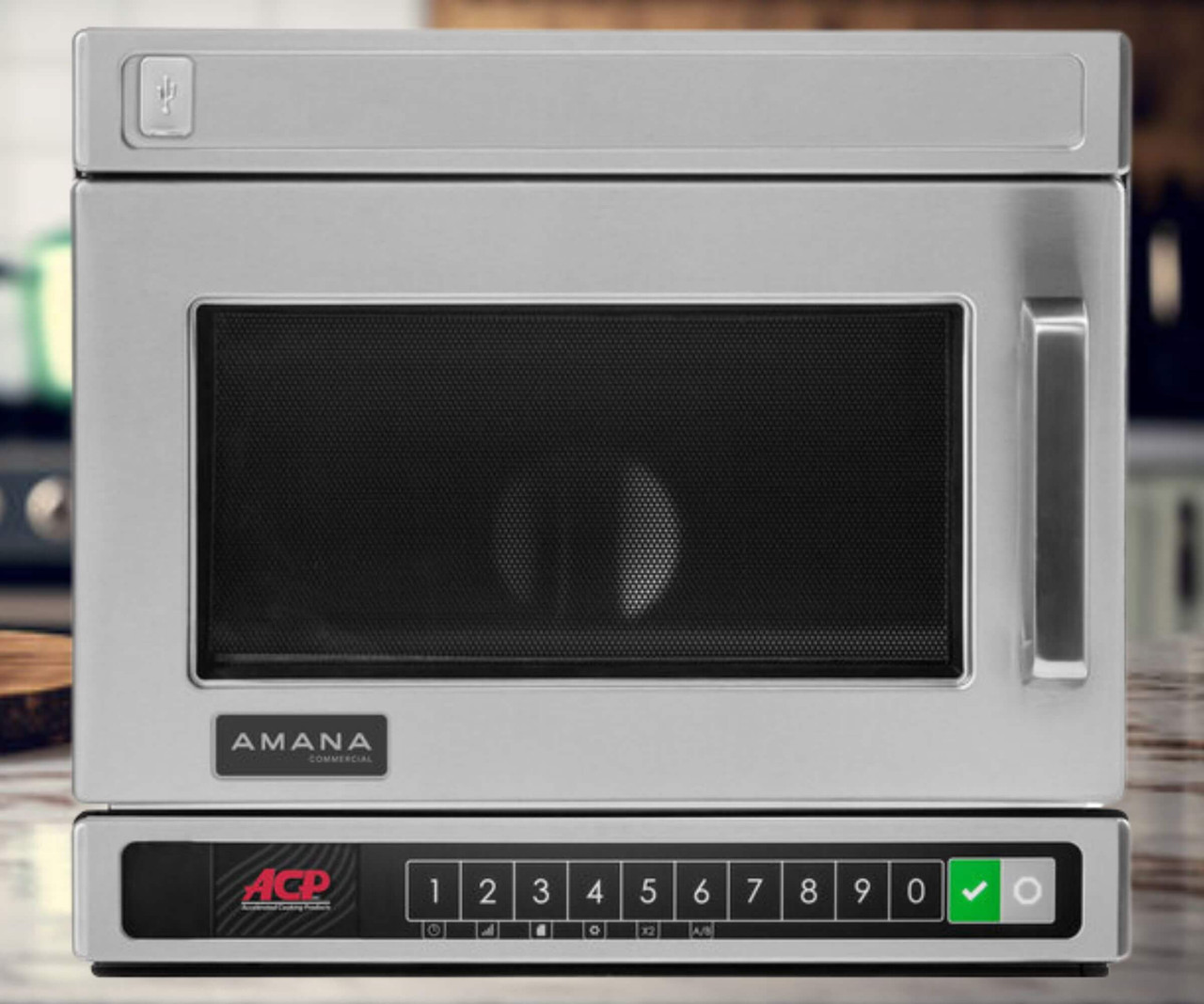
Some appliances may carry multiple certification marks. This indicates comprehensive testing across different criteria. For example, a microwave might have both CSA and NSF marks. This dual certification covers electrical safety and health standards. Such products offer maximum protection for demanding commercial environments.
Prioritizing the right certification depends on your specific needs. If electrical safety is the primary concern, CSA is key. For hygiene-focused facilities, NSF is indispensable. ETL offers a reliable alternative for general safety verification. Balancing these factors ensures optimal equipment selection.
Impact on Facility Operations
Certified equipment supports smoother daily operations.
Using certified appliances reduces the risk of unexpected failures. Regular testing ensures components meet safety thresholds consistently. This reliability minimizes downtime in busy facilities. Property managers appreciate equipment that performs predictably. Fewer breakdowns mean less disruption to guest experiences.
Certified equipment often comes with better manufacturer support. Warranties may be contingent on using compliant parts. This encourages proper maintenance and repair practices. Operators benefit from clearer guidelines for upkeep. This structure extends the lifespan of valuable assets.
Staff training is also simplified with certified products. Clear safety markings guide proper usage protocols. Employees can operate equipment with greater confidence. This reduces the likelihood of user error. A safe workplace enhances employee morale and productivity significantly.
Staying Compliant Long Term
Regular audits ensure ongoing compliance with standards.
Compliance is not a one-time achievement. Standards evolve, and equipment ages. Regular inspections help identify potential issues early. Property managers should establish routines for checking certifications. This proactive stance prevents minor problems from becoming major liabilities.
Documentation plays a vital role in compliance efforts. Keeping records of purchases and certifications is essential. These documents prove adherence to regulations during audits. Organized records save time and reduce stress. They demonstrate professionalism to stakeholders and regulators alike.
Investing in certified equipment pays dividends over time. It protects against legal risks and enhances reputation. Guests trust facilities that prioritize safety. This trust builds loyalty and positive reviews. Ultimately, compliance supports sustainable business growth.
Certification Comparison Overview
This table highlights key differences between major certification marks.
| Certification Type | Primary Focus | Recognition Level | Typical Use Case |
|---|---|---|---|
| CSA | Electrical Safety | National (Canada) | Building Code Compliance |
| NSF | Public Health | International | Food Service Hygiene |
| ETL | Safety Verification | North American | General Equipment Safety |
| UL | Product Safety | North American | Broad Consumer Goods |
| CSA C22.2 | Canadian Standards | National (Canada) | Specific Technical Specs |
| NSF/ANSI | Standardization | International | Industry Best Practices |
| ETL Listed | Compliance Check | North American | Manufacturing Quality |
Browse Certified Appliances
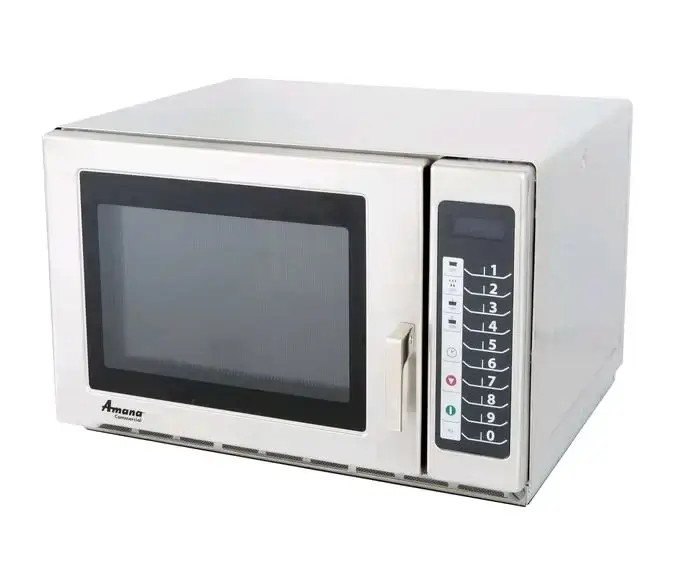
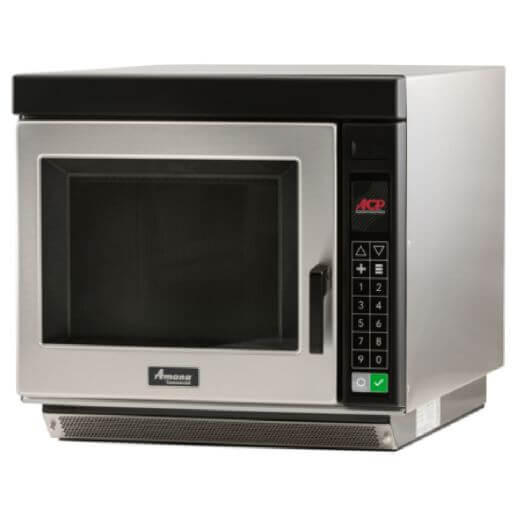
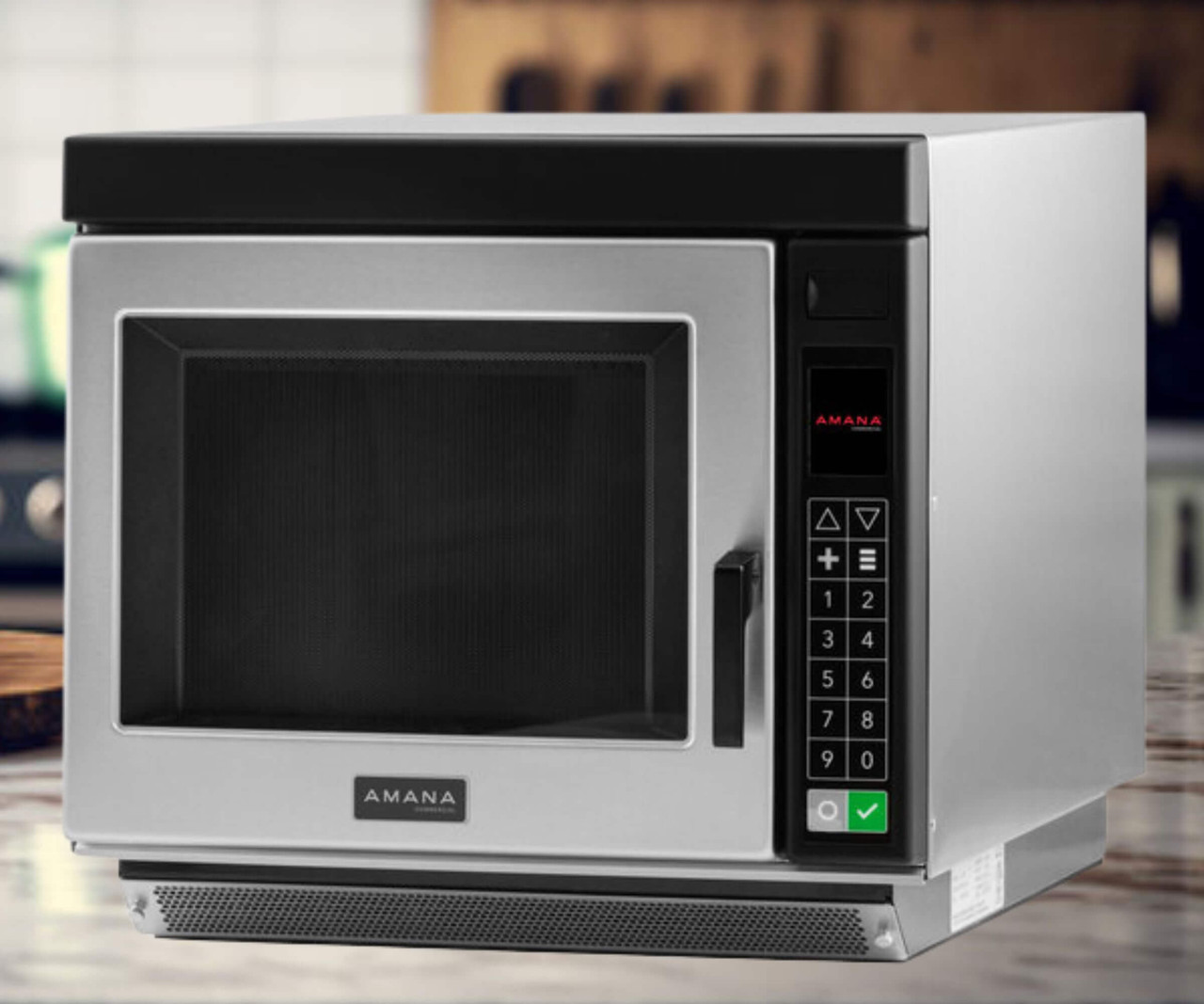
Explore our range of compliant commercial equipment.

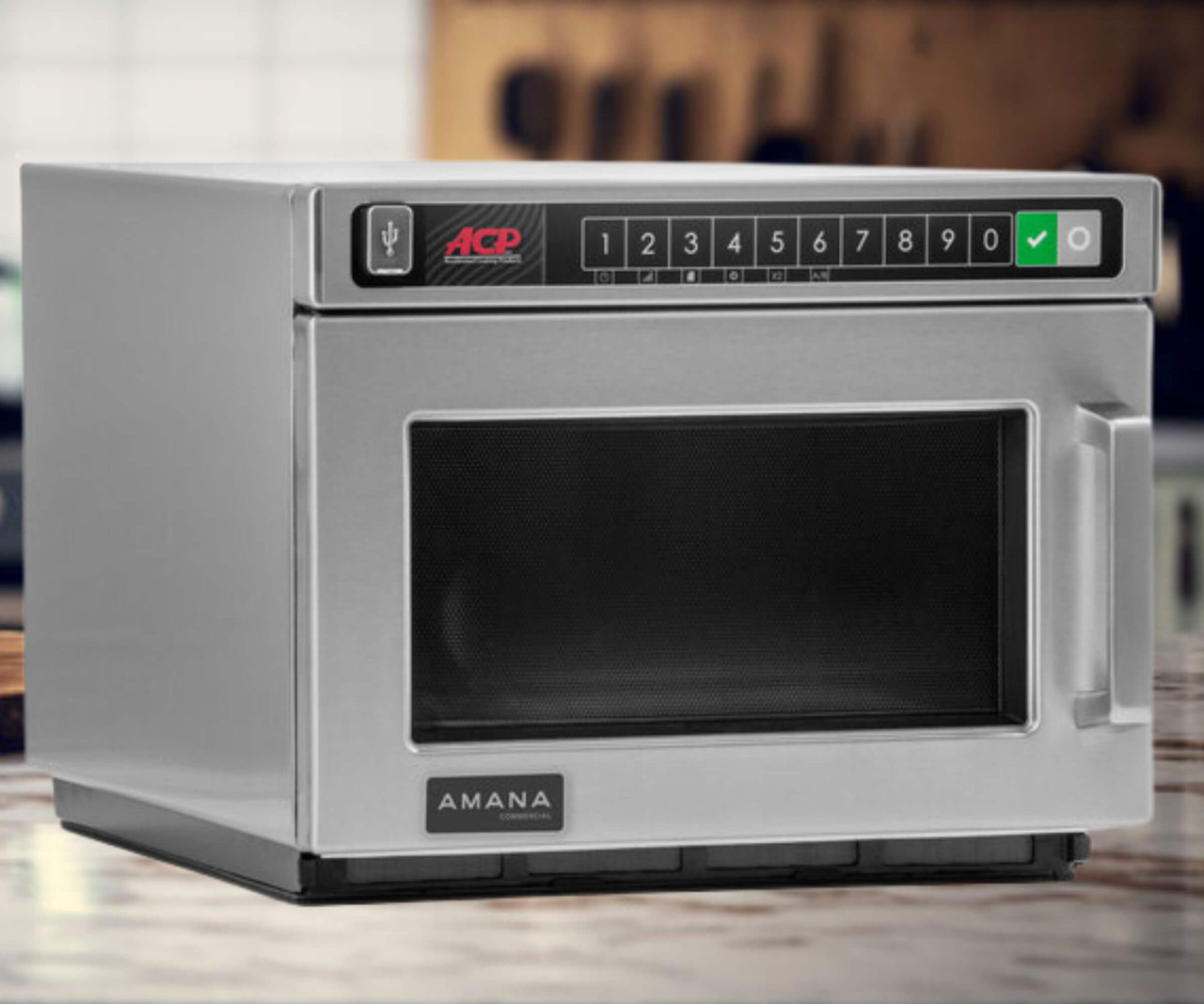
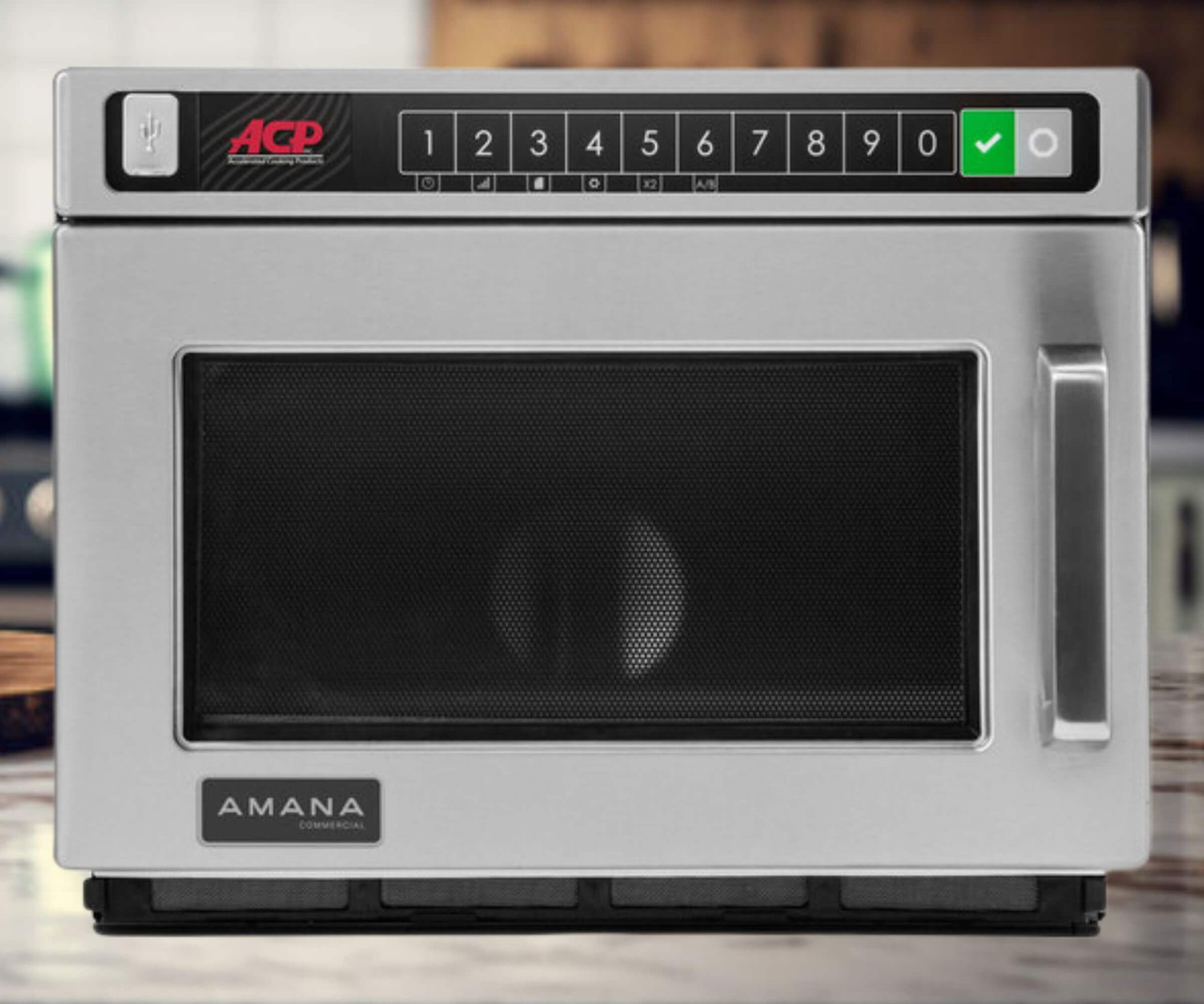
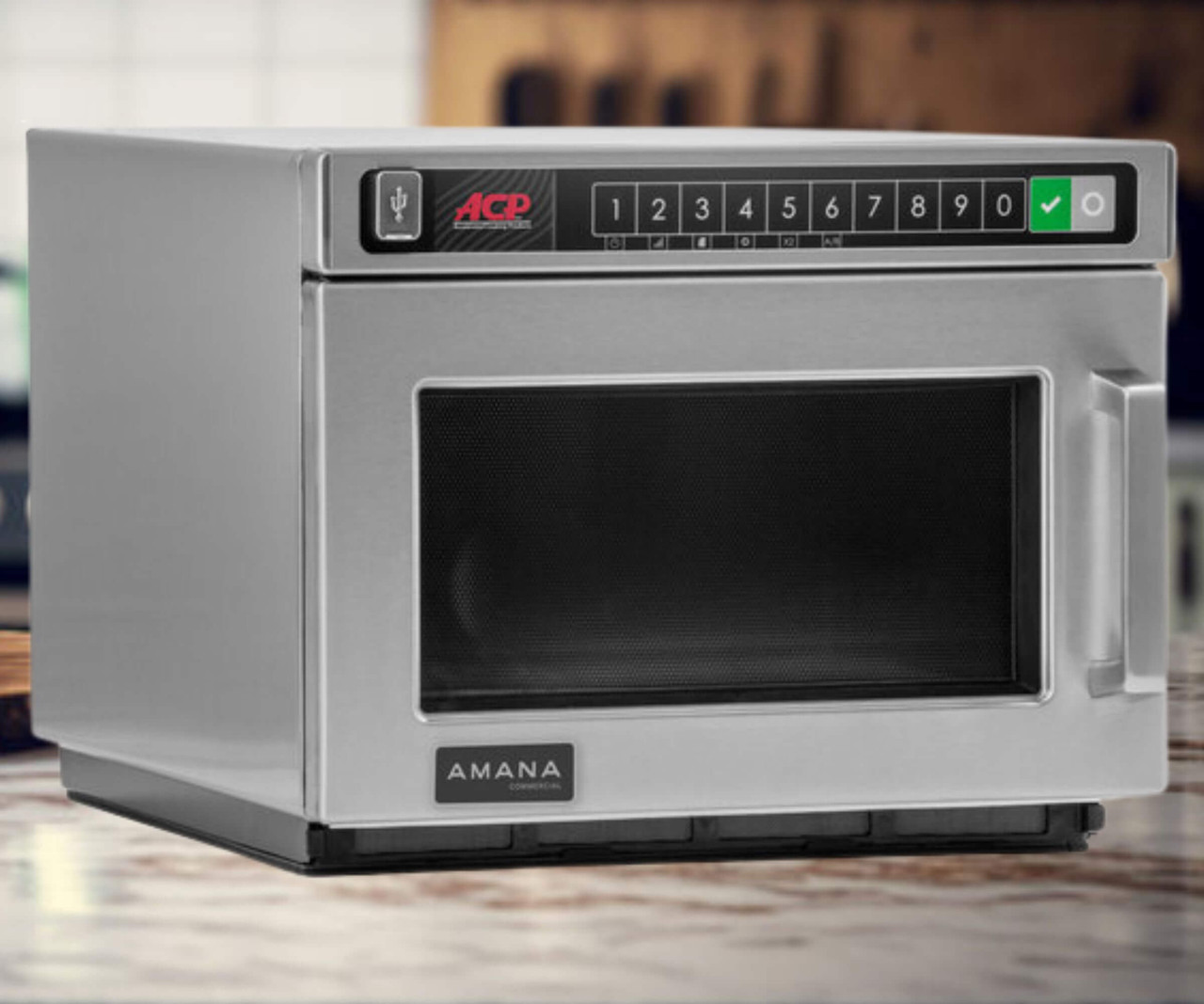
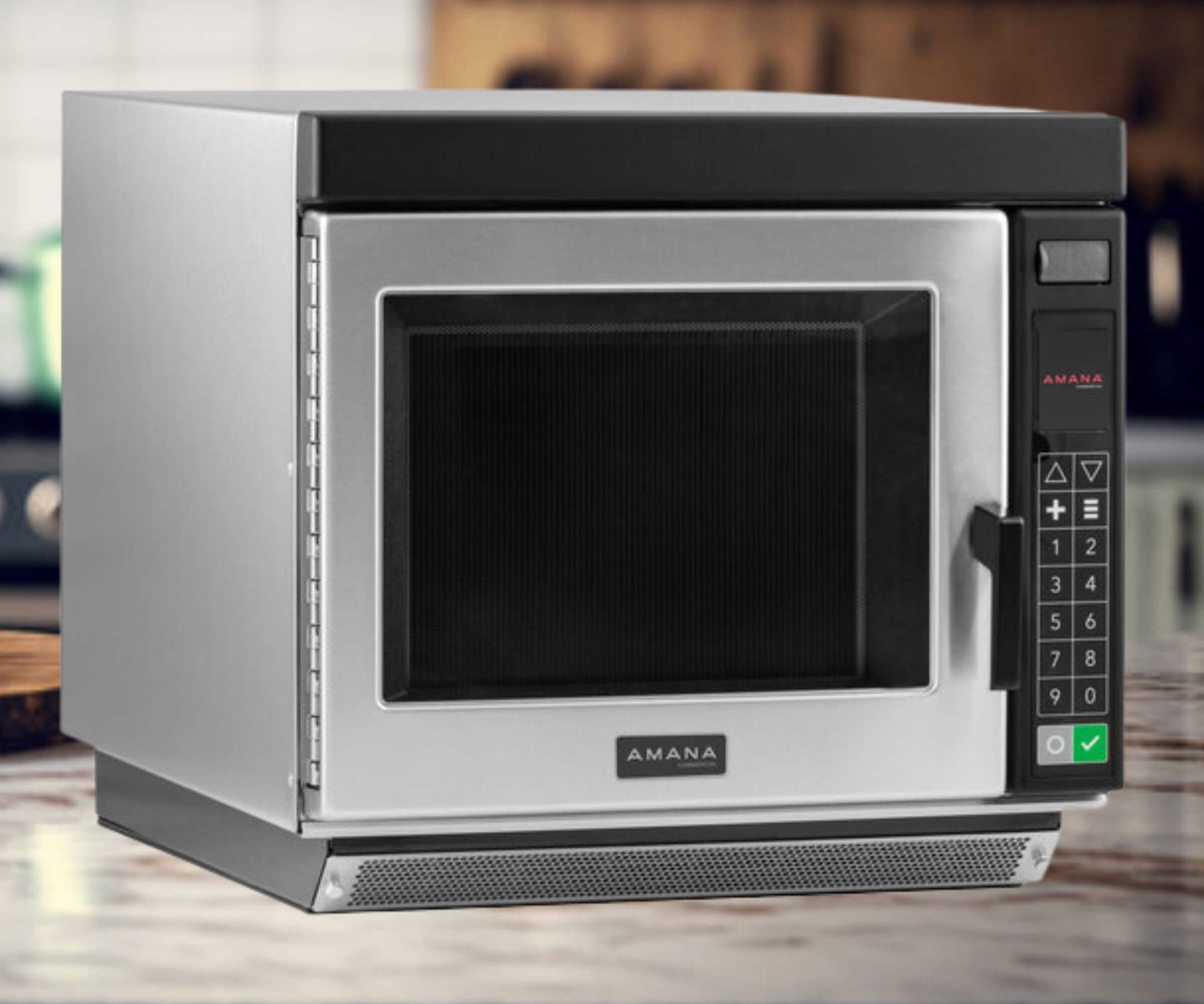
What Canadian facility operators say
Read feedback from verified Canadian facility operators.
Switching to these certified microwaves simplified our inspection process. The CSA marks gave us confidence during the recent health audit. Our staff also appreciates the consistent performance across all units.
We needed reliable equipment for our new Airbnb properties. The NSF certification was essential for meeting hygiene standards. Guests have commented on the cleanliness, which reflects well on our brand.
The durability of these commercial units is impressive. After six months of heavy use, they still perform like new. The ETL mark assured us of their safety compliance from the start.
Certification Basics: Frequently Asked Questions
Is CSA certification mandatory in Canada?
For electrical safety compliance in commercial settings, yes. Most building codes require CSA or equivalent marks to ensure public safety and meet insurance requirements.
What does the NSF mark signify?
NSF indicates compliance with public health and sanitation standards. It ensures materials are safe for food contact and that surfaces can be effectively cleaned and sanitized.
Can I use ETL-marked appliances?
Yes, ETL marks are widely recognized in Canada. They verify that products meet applicable safety standards set by nationally recognized testing laboratories.
Do all commercial microwaves have certifications?
Reputable manufacturers provide certification documentation for their products. Always check the rating plate or manual to confirm specific compliance marks before purchasing.
How often should I check certifications?
Review equipment certifications during annual audits or when replacing units. Keeping up-to-date records helps ensure ongoing compliance with local regulations and insurance policies.
What happens if an appliance lacks certification?
Non-compliant appliances may pose safety risks and void insurance coverage. They can also lead to fines during inspections. It is best to replace uncertified units promptly.
Are international certifications accepted in Canada?
Some international marks are recognized if they align with Canadian standards. However, CSA or equivalent national certifications are preferred for legal compliance and insurance purposes.
How do I verify a certification mark?
Check the manufacturer's website or contact them directly. Many certification bodies also offer online verification tools to confirm the validity of specific product listings.
Does certification affect warranty coverage?
Yes, many warranties require proper installation and use according to certified standards. Using non-compliant parts or ignoring safety guidelines may void your warranty protection.
How do you calculate shipping on bulk orders?
We calculate shipping on live carrier rates at checkout, not on flat or subsidized tiers. Every order is priced against real LTL, parcel, or pallet-freight quotes from our Calgary warehouse to your dock. That means you never absorb hidden shipping costs into product margins — what we charge is what the carrier charges us, plus a small handling pass-through. For bulk and pallet orders this typically runs 15–25% lower than competitors who bake shipping into their unit prices, because the rate is transparent and tied to the actual shipment weight and distance.
Related guides from ChickenPieces
Why Choose ChickenPieces
We provide reliable supply solutions for Canadian facilities.
Local Inventory
Stock kept in Calgary ensures fast delivery. Reduce downtime with immediate access to essential commercial appliances and replacement parts for your operations.
Expert Support
Our team understands facility needs. We offer guidance on product selection and compliance requirements to help you make informed purchasing decisions confidently.
Quality Assurance
We source only from trusted manufacturers. Every product undergoes strict quality checks to ensure durability and performance in demanding commercial environments.
Compliance Focus
All our products meet Health Canada or CFIA compliance standards where applicable. We prioritize safety and regulatory adherence to protect your business interests fully.
Get a Custom Quote
Request a tailored quote for your facility needs. Our team will provide competitive options quickly.
Request a QuoteAuthoritative Sources
The following government and public-health sources informed the operator guidance above. Citations to Reddit, Quora, and operator forums appear in the FAQ block above.