
 US Dollar

2026 Jul 25th
Keep Your Staff Safe from Dangerous Cleaning Mixes
Never mix bleach with ammonia, acids, or other cleaners. These combinations release toxic gases that cause serious respiratory harm or worse. Store products separately and train staff on proper dilution.
Keep Your Staff Safe from Dangerous Cleaning Mixes
Airbnb hosts, property managers, and facility operators in Alberta rely on clear chemical protocols to protect staff and guests from accidental poisoning.
Key Takeaways
Six practical rules to keep your team safe around cleaning chemicals.
Bleach plus ammonia kills
This mix creates chloramine gas. It burns lungs and eyes. Even small amounts in poorly ventilated spaces hospitalize workers.
Bleach plus acid is deadly
Toilet bowl cleaners and rust removers contain acids. Combined with bleach, they release pure chlorine gas. This was used as a weapon in war.
Different bleaches clash
Never mix chlorine bleach with oxygen bleach or hydrogen peroxide cleaners. The reaction creates heat and toxic vapour.
Quats need solo use
Quaternary ammonium compounds lose effectiveness when mixed with soaps or hard water minerals. They also irritate skin when combined with other agents.
Ventilation is mandatory
Open windows and run fans before any cleaning with strong products. Toxic gases concentrate fast in bathrooms and small laundry rooms.
Label storage clearly
Keep acids, bleaches, and neutral cleaners in separate marked areas. Colour-coded shelving prevents morning-rush mistakes.
Common combinations that poison housekeepers
Some everyday products turn lethal when mixed by tired staff.
Bleach-based cleaners sit in most supply closets. So do ammonia glass cleaners and acidic toilet products. Alone, each works fine. Together, they create chemical weapons. Chloramine gas forms when bleach meets ammonia. Symptoms start with eye irritation and coughing. Higher exposure brings chest pain and pneumonia. Death occurs in enclosed spaces.
Chlorine gas releases when bleach contacts acids. This includes vinegar, lemon cleaners, and rust stain removers. The gas is heavier than air. It fills lungs with fluid. Victims drown from the inside. Both gases are invisible. Workers smell something wrong too late. Training must happen before the first shift, not after an incident.
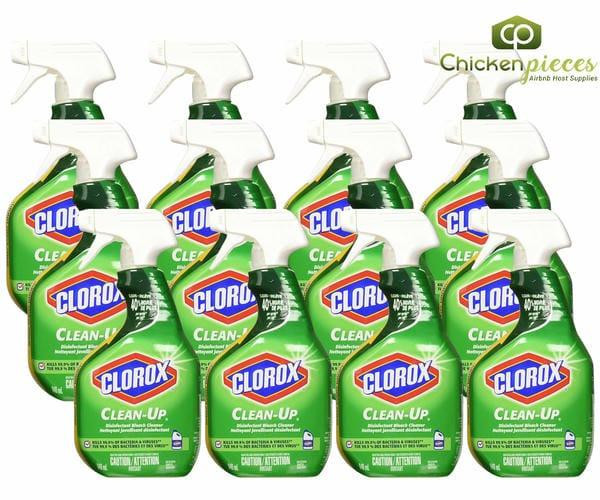
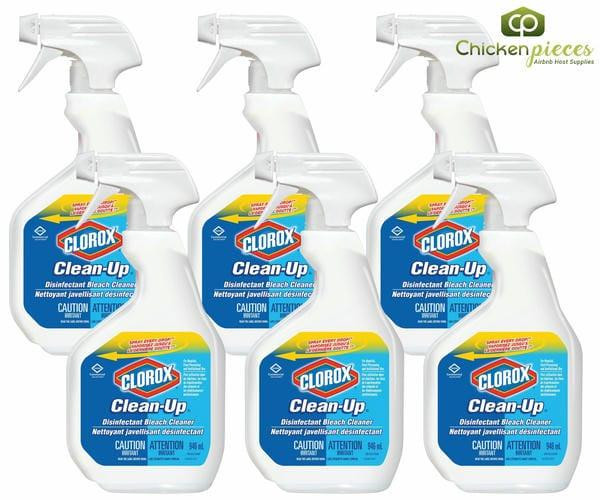
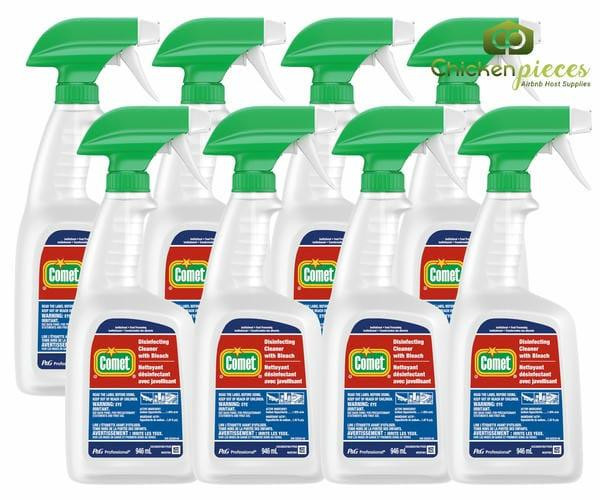
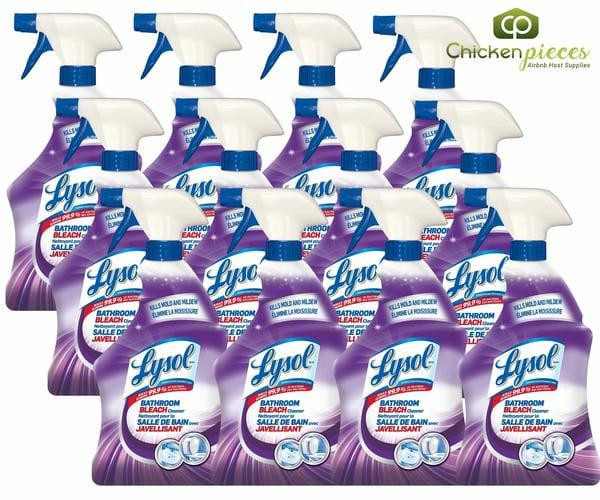
Many Alberta properties stock multiple bleach products. Clorox spray for kitchens. Comet for bathrooms. Lysol for mould. These share an active ingredient. Stacking them together invites accidental mixing. One sprayer gets refilled from the wrong jug. One cloth wipes two surfaces. The result harms the lowest-paid, most exposed workers on your team.
Why quaternary ammonium needs isolation
Multi-quat sanitizers fail or irritate when combined wrongly.
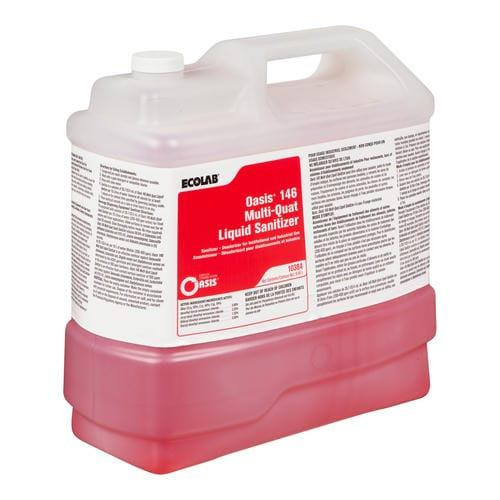
Ecolab Oasis 146 and similar multi-quat products sanitize food contact surfaces in kitchens. They target specific bacteria and viruses. Their chemistry demands precise conditions. Mix them with anionic surfactants from general cleaners and they form complexes. These complexes stick to surfaces without killing germs. Your kitchen looks clean. It is not.
Hard water compounds the problem. Calcium and magnesium bind with quat molecules. The solution turns cloudy. Efficacy drops by half or more. Staff cannot see this failure. They trust the label. Guests get sick. Health inspectors find violations. The fix is simple: use quats alone, on rinsed surfaces, with soft water or proper dilution.
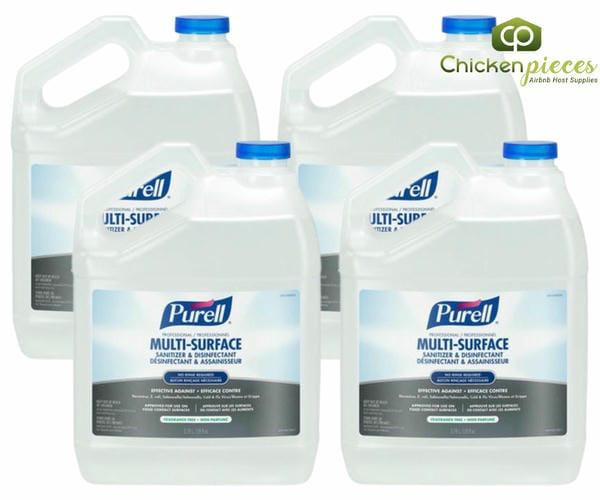
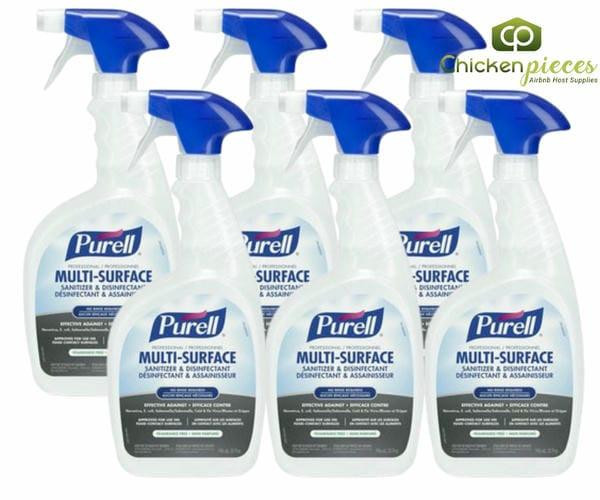
Purell Professional multi-surface sanitizer faces the same limits. It replaces bleach in sensitive areas. Mixing it with acidic or alkaline cleaners destroys the active chemistry. Staff must know which bottle follows which in the cleaning sequence. Written checklists beat memory every time. Post them in each supply room, not just the main office.
Organize products to prevent accidents
Physical separation stops dangerous combinations before they start.
Most chemical accidents happen during rush periods. Turnover days. Emergency cleans. Staff grab the nearest bottle. If bleach and ammonia sit beside each other, someone mixes them. If acids hide behind bleaches, the wrong cap goes on the wrong bottle. Separation by type and height reduces these errors. Acids low. Bleaches high. Quats middle. Never adjacent.
Label every shelf in English and the languages your staff speak. Picture labels help too. A skull and crossbones for acids. A flame for bleach. These seem obvious to managers. They are not obvious to new hires at six in the morning. Replace labels when they fade. Faded labels become ignored labels.
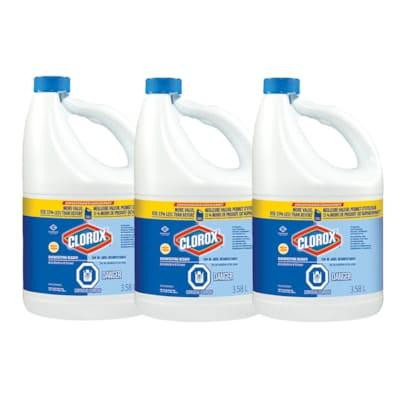
Locked storage adds another layer. Not for everything. Staff need quick access to frequent products. But restrict concentrated chemicals. The Clorox Disinfecting Bleach jugs in your back room deserve a cage. Diluted spray bottles can roam. Concentrates stay controlled. This also reduces theft and spill waste. Two benefits from one lock.
What every cleaner must know before starting
Written protocols protect workers and reduce your liability.
Training starts with the product list. What do you stock? Where does each item belong? Which ones never touch? New staff need this before they enter a guest room. Shadowing helps but is not enough. Verbal warnings evaporate under pressure. Written job cards stay in pockets. Laminated cards survive bleach splashes and washing machines.
Teach the smell signals. Chloramine smells like chlorine but sharper. Chlorine smells like a swimming pool but harsher. Both mean leave now. Do not investigate. Do not open windows from inside. Exit first, ventilate second. Staff who hesitate become statistics. Drill this until it is automatic. Like a fire alarm.
Document everything. Signatures on training sheets. Dates of refreshers. Photos of organized storage. These protect you if someone gets hurt despite your efforts. Alberta courts and workers compensation boards ask for proof. Give it to them in advance. Update records when products change. A new supplier means new training. No exceptions.
First steps after accidental mixing
Speed matters when toxic gas fills a room.
The moment someone reports dizziness or smells something wrong, evacuate. Do not debate which product was used. Do not sniff to identify it. Chlorine and chloramine damage lungs before victims recognize danger. Move everyone to fresh air. Count heads. Missing person means fire department, not heroics.
Fresh air helps conscious victims. Loosen clothing. Flush eyes with water for fifteen minutes. Skin contact gets fifteen minutes of washing too. Call Health Link at 811 for guidance. Poison Control follows. Document symptoms and products involved. Photos of labels help medical staff choose treatment. Keep SDS sheets accessible, not buried in an office.
After the emergency, investigate without blame. What bottle was grabbed? Where was it stored? What label was unclear? Fix the system, not just the worker. Most accidents repeat because organizations blame individuals and ignore design. Better storage, clearer labels, simpler product selection prevent the next incident. This costs less than one workers compensation claim.
Simplify your lineup to reduce risk
Fewer chemical types mean fewer possible dangerous combinations.
Complex supply closets breed mistakes. Twelve different cleaners for twelve different tasks sounds efficient. It is not. Staff confuse bottles. Products expire before use. Inventory management consumes hours. Reduce to essentials. Bleach for bathrooms and mould. Quat for kitchens and food surfaces. Neutral pH for floors and general wipe-downs.
ChickenPieces.com stocks concentrated and ready-to-use options for each category. Match your operation size to container size. Small Airbnb: spray bottles. Mid-size property: concentrate with dilution station. Large facility: bulk with automated systems. The chemistry stays consistent. Only the packaging changes. This lets staff move between properties without relearning products.
Consider fragrance and residue too. Some guests react to strong bleach smells. Others distrust surfaces that smell like nothing. Match products to your guest profile. Health regulations set minimums. Guest satisfaction sets maximums. Find the middle. Test new products in one unit before building-wide rollout. Measure complaints and cleanliness scores together. Adjust based on data, not brand loyalty.
Never-mix cleaning chemical combinations
Scan this table to spot dangerous pairs in your current inventory.
| Product type | Never mix with | Result | First symptom |
|---|---|---|---|
| Chlorine bleach | Ammonia or ammonium cleaners | Chloramine gas | Eye irritation, cough |
| Chlorine bleach | Acidic toilet bowl cleaners | Chlorine gas | Sharp metallic smell, choking |
| Chlorine bleach | Vinegar or lemon cleaners | Chlorine gas | Chest tightness, wheezing |
| Oxygen bleach | Chlorine bleach | Heat, oxygen gas | Pressure buildup, burns |
| Quat sanitizer | Soap or anionic surfactants | Inactivated, cloudy film | Surface stays contaminated |
| Quat sanitizer | Hard water minerals | Precipitate, reduced kill | Cloudy solution, spotting |
| Acid cleaner | Any bleach product | Chlorine gas | Immediate breathing difficulty |
Bleach and quat cleaners for Alberta operations
Concentrated and ready-to-use formats sized for properties from single units to hundred-room portfolios.
What Canadian facility operators say
Alberta operators trust these products for daily turnover safety.
We switched to the Purell line for kitchen sanitizing after a close call with bleach fumes. Staff feel safer, inspections pass clean, and guest complaints about chemical smell dropped to zero.
The Oasis quat replaced our old three-product kitchen system. One jug, one dilution rate, no more guessing. My night crew actually follows the protocol now because it is simple.
Colour-coded storage with these Clorox products cut our chemical incidents from two per quarter to none in eighteen months. Insurance auditor noticed and reduced our premium category.
Chemical mixing safety: Frequently Asked Questions
What happens if I accidentally mix bleach and toilet bowl cleaner?
You create chlorine gas. Leave immediately, ventilate from outside, and seek medical help if anyone inhaled fumes. Never re-enter until air clears.
Can I use bleach and vinegar in the same room?
Not at the same time. The combined fumes create chlorine gas. Finish with one product, rinse thoroughly, ventilate, then switch to the other.
Is it safe to mix different brands of bleach cleaners?
No. All chlorine bleach products share the same active ingredient. Mixing them concentrates the hazard without improving cleaning.
Why did my quat sanitizer turn cloudy?
Cloudiness means soap residue or hard water minerals deactivated it. Rinse surfaces better, check water softness, or increase concentration slightly.
How should I store bleach and ammonia products?
Separate shelves, separate rooms if possible. Label clearly. Never store above eye level where spills risk face contact.
Can I pour leftover bleach down the drain with other cleaners?
Never. Drains trap gases. Bleed meets ammonia or acid residues and releases toxic fumes into your building. Flush with water only.
What personal protective equipment do staff need for bleach?
Nitrile gloves minimum. Goggles for spray application. Long sleeves. Closed-toe shoes. N95 if ventilation is poor.
How often should I replace cleaning product labels?
Replace when faded, damaged, or whenever product changes. Annual audit catches problems before inspectors do.
Can I train staff verbally or do I need written records?
Alberta law requires documented training for hazardous products. Verbal-only exposes you to liability and workers compensation penalties.
How do you calculate shipping on bulk orders?
We calculate shipping on live carrier rates at checkout, not on flat or subsidized tiers. Every order is priced against real LTL, parcel, or pallet-freight quotes from our Calgary warehouse to your dock. That means you never absorb hidden shipping costs into product margins — what we charge is what the carrier charges us, plus a small handling pass-through. For bulk and pallet orders this typically runs 15–25% lower than competitors who bake shipping into their unit prices, because the rate is transparent and tied to the actual shipment weight and distance.
Related guides from ChickenPieces
Why Alberta operators buy from ChickenPieces.com
Local stock, same-day Calgary delivery, and staff who understand hospitality turnover pressure.
Calgary warehouse
No cross-border shipping delays. Order by ten, deliver by four. Emergency stock for same-day pickup.
Hospitality focus
We serve only hosts, managers, and facility operators. Our product range matches your daily workflows, not industrial factories.
Training support
Free SDS sheets, wall charts, and chemical compatibility guides with every first order. Replenish anytime.
Federal compliance
All products meet Health Canada and CFIA requirements for commercial use. Documentation provided for inspection readiness.
Sources & further reading
Get a quote for your property
Tell us your unit count and current product mix. We will size a safe, simplified chemical lineup with proper storage guidance. No minimum order for Calgary addresses.
Request a Quote