
2026 Jul 25th
Get Accurate Dilution Ratios for Cleaning Concentrates
Most concentrates need dilution between 1:32 and 1:512 depending on the task. Always check the product label first. Use a measured dispenser or closed-loop system to eliminate mixing errors and inconsistent strength.
Get Accurate Dilution Ratios for Cleaning Concentrates Every Time
This guide is for facility operators and property managers who need consistent, repeatable cleaning results without wasting concentrate or risking staff exposure.
Key Takeaways
Six practical points to get dilution right from day one.
Read the label first
Every concentrate lists its approved dilution range for different tasks. Heavy soil needs stronger mix; light maintenance needs weaker. Never assume one ratio fits all jobs.
Use proper dispensers
Closed-loop and J-Fill systems prevent direct contact with concentrate and lock in the correct ratio. Bucket filling by eye leads to inconsistent results and wasted product.
Train for consistency
Staff turnover means dilution knowledge walks out the door. Post charts at fill stations and require signed confirmation after initial training sessions.
Track usage monthly
Sudden spikes in concentrate consumption usually mean dilution errors. Compare litres of concentrate against litres of finished solution to catch problems early.
Label every bottle
Mixed solution sitting in a sprayer should show the product name, ratio, date mixed, and who prepared it. Unmarked bottles get discarded or misused.
Match tool to task
Foamers, spray bottles, and mop buckets need different dispensing equipment. The right tool prevents over-application and speeds up daily workflows.
How Dilution Ratios Actually Work
Ratios express parts water to parts concentrate, not the reverse.
Dilution ratios appear on every legitimate concentrate label, usually as two numbers separated by a colon. The first number represents the concentrate; the second represents water. A 1:128 ratio means one unit of concentrate mixed into 128 units of water. This matters because stronger is not better—excess concentrate leaves residue, attracts dirt, and can damage surfaces over time. It also wastes product and extends rinse time.
Different tasks need different strengths. General cleaning might call for 1:256, while heavy grease removal needs 1:32 or even 1:16. Sanitizing concentrations are regulated separately and must hit specific contact times to be effective. Using a general-purpose dilution for a sanitizing job means you are not actually sanitizing, no matter how much product you pour in.
Some products use percentage notation instead of ratios. A 0.5% solution equals roughly 1:200 ratio. Staff trained on one format may freeze when handed a product using the other. Standardize what your team sees at the point of mixing, and convert unfamiliar formats before they reach the floor. This prevents hesitation and incorrect mixing under time pressure.
Choose the Right Dispensing System
Manual, metered, and closed-loop systems each suit different operations.
Manual proportioners attach to a water line and draw concentrate through a venturi tube. They are inexpensive upfront but drift out of calibration over time. Check them monthly with a measuring cup and stopwatch. A proportioner set for 1:256 that slips to 1:180 costs you forty percent more concentrate than planned, and the stronger mix may damage floors or require extra rinsing.
Closed-loop dispensers eliminate guesswork entirely. The concentrate bottle docks into a dedicated station calibrated to that specific product. Staff press one button for bucket fill, another for spray bottle. The ratio is locked at the factory and verified by the manufacturer. These systems cost more initially but reduce waste, training time, and exposure incidents dramatically.
Portable metering pumps work well for mobile crews or buildings without fixed utility closets. Battery-operated units screw onto concentrate jugs and dispense measured doses into any container. They require more staff attention than fixed systems but travel between sites easily. For operations with multiple addresses, this flexibility often outweighs the convenience of wall-mounted equipment.
Calculate Real Cost Per Litre of Use
Concentrate price alone does not reveal true operating cost.
To find cost per litre of ready-to-use solution, divide the concentrate cost by the total litres it produces at your working dilution. A 3.78 litre jug at 1:256 yields 967 litres of finished solution. That is the number that belongs in your budget calculations, not the jug price on its own. Compare suppliers using this metric, and the apparent cheapest option often falls to mid-pack or worse.
Waste multiplies cost without showing up in purchase records. Over-dilution from poorly calibrated equipment, discarded unmarked solution, and spillage during manual pouring all erode your actual yield. Track concentrate purchased against square footage cleaned or rooms turned over. If your usage jumps without occupancy changing, investigate dilution accuracy before blaming the product.
Labour factors in too. Stronger mixes that need extra rinsing add minutes per job. Staff time costs more than concentrate in most operations. A properly diluted product that cleans once and moves on saves more than a cheap concentrate that demands double passes. Build time studies into your cost comparisons, not just chemical arithmetic.
Protect Staff During Dilution Tasks
Concentrate handling is when exposure risk is highest.
Personal protective equipment for dilution tasks includes chemical-resistant gloves and eye protection at minimum. Some concentrates need aprons or face shields during transfer from bulk containers. Check the safety data sheet for each product, not just the bottle label, and post the relevant section at each mixing station. Staff should know what to reach for before they start, not after something splashes.
Ventilation matters more than most operators assume. Mixing concentrates releases vapours that concentrate further in small utility closets. Install exhaust fans that run automatically when dispensers operate, or schedule mixing during low-occupancy periods with doors propped open. Chronic low-level exposure contributes to respiratory irritation and staff turnover that costs more than proper ventilation.
Spill response preparation should be specific to your concentrates. A general-purpose spill kit may not handle iodine-based sanitizers or quaternary ammonium compounds correctly. Know what neutralizes or absorbs each product type, and keep that material within arm's reach of every mixing point. Post the procedure in clear steps, not paragraphs, so someone under stress can follow it accurately.
Build Repeatable Dilution Habits
Clear procedures survive staff changes and rushed mornings.
Written procedures fail when they sit in a binder nobody opens. Turn dilution steps into physical habits: check the label, confirm the dispenser setting, verify the container size, fill to the mark. Have new hires practice with water first, then supervise five live dilutions before independent work. Sign-off sheets protect both the employee and the operation if questions arise later.
Colour-coding reduces errors dramatically. Assign each product type a consistent tape colour on bottles, triggers, and mop handles. Purple for general purpose, green for sanitizers, blue for glass—whatever your scheme, enforce it strictly. A mismatched colour triggers an automatic double-check before the product touches a surface. This simple habit prevents most cross-use accidents.
Refresher training should happen quarterly, not just at hire. Seasonal staff returning after months away forget ratios and procedures. A fifteen-minute group review with hands-on practice resets standards without disrupting operations. Use actual mistakes from the previous quarter as teaching examples, anonymized, to show consequences without blame.
Verify Dilution Accuracy Regularly
Test strips and titration kits catch drift before it becomes expensive.
Chemical indicators strip away assumptions. Dip a test strip into freshly mixed quaternary ammonium solution and compare the colour pad to the chart. If it reads 150 ppm when your health protocol demands 200-400 ppm, your dispenser needs calibration or your ratio interpretation is wrong. Test weekly at minimum, daily during high-turnover periods or after any equipment service.
Titration kits offer more precision for operations under strict audit requirements. A few drops of indicator solution into a measured sample, then count the drops of standard reagent to reach the endpoint. The procedure takes under three minutes with practice. Record results in a logbook that auditors can trace and managers can review for trending patterns.
Document everything. Test strip lot numbers, calibration dates for dispensers, training attendance, and corrective actions taken after failed tests. This documentation is your defence if a health inspection or guest complaint questions your sanitizing practices. Paper trails also reveal whether your problems are equipment, product, or people—and let you fix the right thing instead of guessing.
Dispenser and Dilution Method Comparison
Match your operation size and staff mobility to the right mixing approach.
| Method | Best for | Ratio accuracy | Staff exposure risk |
|---|---|---|---|
| Manual bucket pour | Very small operations | Poor | High |
| Wall-mounted proportioner | Fixed utility rooms | Moderate | Moderate |
| J-Fill closed-loop | Multi-product cleaning programs | High | Low |
| Portable metering pump | Mobile crews, multiple sites | High | Moderate |
| Pre-portioned packets | Limited storage, simple tasks | Fixed | Low |
| Dilution control centre | Large facilities, full-time staff | Very high | Low |
| Ready-to-use product | Emergency backup, spot tasks | N/A | Low |
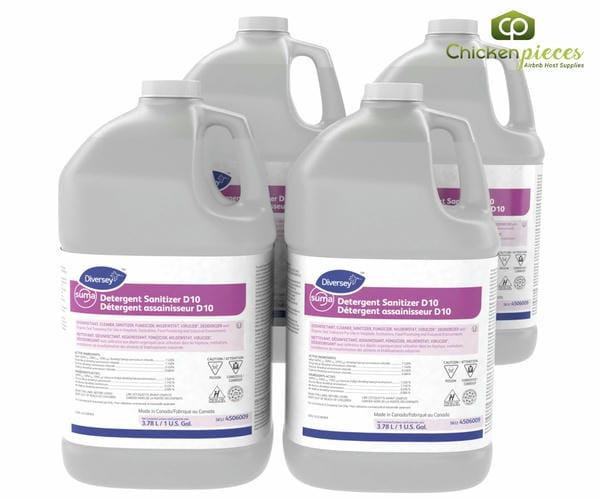
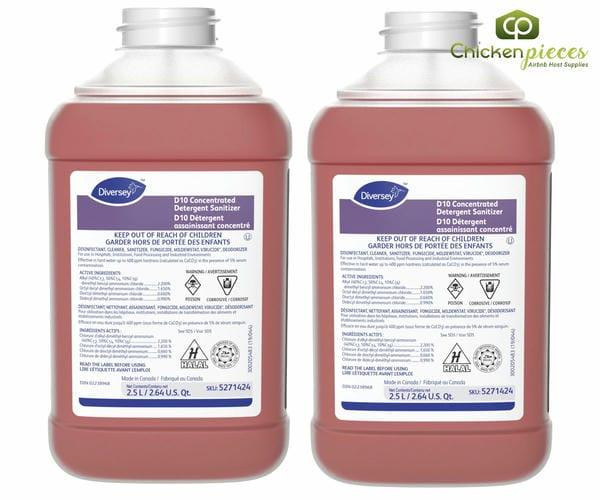
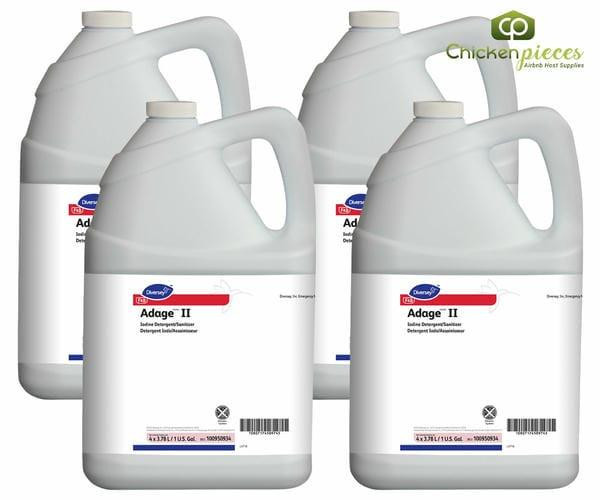
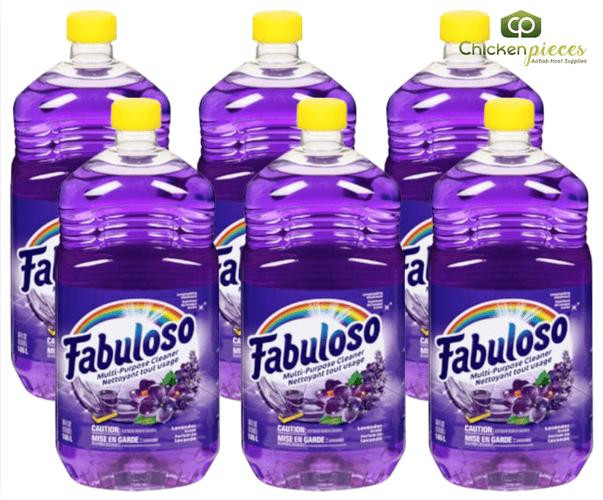
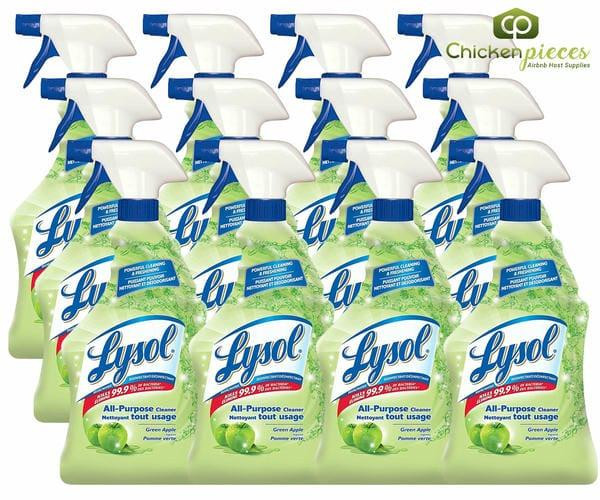
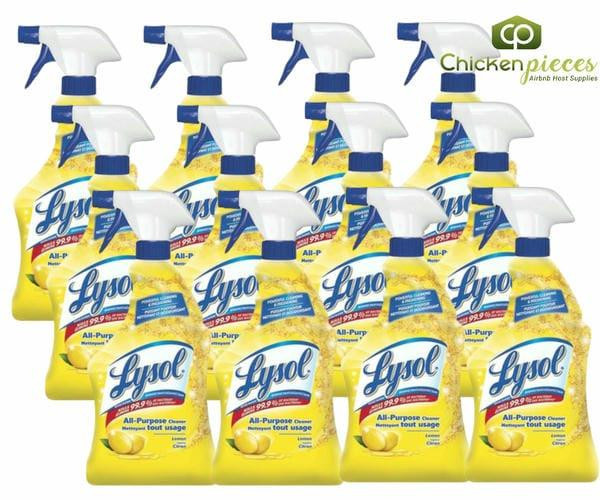
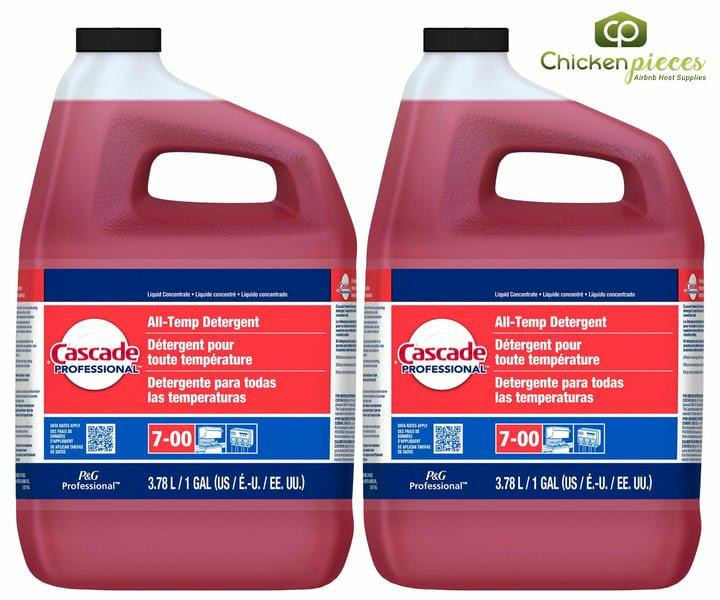
Cleaning Concentrates and Dispensers
Measured formats from single units to closed-loop cases for operations of every scale.


People Also Ask
Real questions buyers search before they order — answered straight.
How do you work out a dilution ratio in plain terms?
A ratio like 1:40 simply means one part concentrate to 40 parts water, so the first number is always the concentrate and the second is the water. To fill a container, work out the water volume and add the matching single part of concentrate. Once you know which number is which, any ratio becomes straightforward arithmetic.
How many millilitres of concentrate go into a standard spray bottle?
Take the bottle's volume and divide it by the total number of parts in your ratio to find the concentrate amount, then top up with water. For a 750 ml bottle at 1:24, that works out to roughly 30 ml of concentrate with the rest water. Marking each bottle with the correct fill line saves working it out every time.
Does a higher second number in a ratio mean a stronger or weaker mix?
A larger second number means more water, so the solution is weaker and more diluted; 1:256 is far gentler than 1:10. Many people assume a bigger number is stronger, which leads to over-diluting heavy-duty tasks. Always match the ratio to the job, using a stronger mix (a smaller second number) only where the label allows.
Does it matter whether you add the concentrate or the water first?
For most cleaning concentrates it is safer to add the water first and then the concentrate, which reduces splashing and foaming. It also helps the product mix evenly rather than settling at the bottom. Always check the label, as a few products specify their own order.
What is the difference between measuring by parts and measuring by millilitres per litre?
Parts is just a proportion, so 1:40 works in any unit as long as both sides use the same one, while millilitres-per-litre or ounces-per-gallon give you a fixed amount to measure out. Converting a ratio into a set measure for your usual container size removes guesswork for staff. A simple wall chart of common ratios in your own bottle sizes keeps everyone consistent.
Why does getting the dilution exactly right matter so much?
Too little concentrate leaves surfaces poorly cleaned or under-sanitised, while too much wastes product, leaves residue, and can damage finishes. Accurate dilution is what makes a concentrate both effective and economical. A measured dosing method or a proportioner beats pouring by eye every time.
What Canadian facility operators say
What facility operators across Canada say about switching to controlled dilution.
We stopped guessing at ratios and started using the J-Fill system. My housekeeping team fills buckets in ten seconds flat, and I stopped finding mystery bottles under sinks every week.
The test strips caught that our old proportioner had drifted way off. We were basically pouring money down the drain and still not hitting sanitizing strength. Fixed now.
Training seasonal staff used to take half a day. With the closed-loop dock and laminated photo cards, they are independent in under an hour. Huge difference for our turnover.
Dilution basics: Frequently Asked Questions
The following operator questions are answered with cited sources. Every FAQ links to Health Canada, CFIA, Canada.ca, or another authoritative regulator.
How do I calculate the amount of cleaning concentrate for a 20-ounce spray bottle?
Products referenced:
- Diversey D10 Concentrated Detergent Sanitizer J-Fill
- Fabuloso All Purpose Cleaner
Why does my diluted floor cleaner leave a sticky film or streaks?
Products referenced:
- Fabuloso All Purpose Cleaner
- Lysol All Purpose Cleaner
Should I use the sanitizer dilution or the disinfectant dilution when mixing a cleaner?
Products referenced:
- Diversey Suma Detergent Sanitizer
- Diversey Adage II Iodine Detergent/Sanitizer
What kind of spray bottle should I buy for dispensing a concentrated degreaser?
Products referenced:
- Diversey D10 Concentrated Detergent Sanitizer J-Fill
- Lysol All Purpose Cleaner
Source: What spray bottles are used to store and dispense degreaser?
How can I verify that a food-contact sanitizer was mixed to the right strength?
Products referenced:
- Diversey Sanitizer Detergent, Food Surf Quaternary Ammon D10
- Diversey Suma Detergent Sanitizer
Source: Quat Sanitizer Testing
What is the best way to verify detergent and sanitizer concentration in a commercial cleaning program?
Products referenced:
- Diversey D10 Concentrated Detergent Sanitizer J-Fill
- Diversey Adage II Iodine Detergent/Sanitizer
Source: Verifying Correct Sanitizer and Detergent Concentrations in Cleaning
How do I dilute a 1:256 cleaning concentrate without wasting product?
Products referenced:
- Cascade Professional All-Temp Detergent
- Diversey Suma Detergent Sanitizer
How often should a commercial chemical proportioner be checked or calibrated?
Products referenced:
- Diversey D10 Concentrated Detergent Sanitizer J-Fill
- Cascade Professional All-Temp Detergent
Source: Foam Concentrate vs Foam Solution: What's the Difference?
What PPE is needed when mixing or changing cleaning concentrate containers?
Products referenced:
- Diversey Suma Detergent Sanitizer
- Diversey Adage II Iodine Detergent/Sanitizer
How should a commercial operation document cleaning and sanitation dilution procedures?
Products referenced:
- Diversey Suma Detergent Sanitizer
- Diversey Sanitizer Detergent, Food Surf Quaternary Ammon D10
Source: Cleaning and Sanitation Program
Related guides from ChickenPieces
Why Alberta Operations Choose ChickenPieces
Local stock, verified products, and compliance support for commercial buyers.
Calgary-based inventory
We warehouse in Alberta, not drop-ship from distant distribution centres. Orders ship within one business day to Alberta, BC, and Saskatchewan addresses.
Bulk case formats
Case quantities match real operational consumption, not consumer-sized packages. Reduce order frequency and packaging waste with proper commercial volumes.
Technical documentation
Safety data sheets, dilution charts, and equipment compatibility guides ship with your order or download from your account dashboard anytime.
Regulatory compliance support
Our concentrate lines include Health Canada-registered sanitizers and CFIA-compliant formulations for food contact surfaces, with documentation for inspection readiness.
Sources & further reading
Request a Quote for Your Operation
Tell us your square footage, staff count, and primary cleaning tasks. We will recommend concentrate formats and dispenser options matched to your actual workflow. No minimum order required for Calgary-area delivery.
Request a Quote