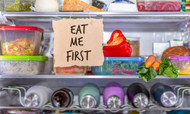
Bulk Grocery Shopping: How to Keep Your Food Fresh
Buying groceries in bulk can be a great way to save money and reduce your carbon footprint. However, it's crucial to store your food correctly to maintain its freshness and prevent waste. In this blog post, we will guide you through the process of bulk grocery shopping and provide tips on how to store your food efficiently to keep it fresh for as long as possible.
Plan Your Purchases
Before heading to the store, make a list of the items you need and their corresponding quantities. This will help you stay organized and avoid impulse purchases that may lead to food waste.
Choose the Right Containers
Invest in high-quality, airtight containers to store your bulk purchases. Glass jars, plastic containers with tight-fitting lids, and vacuum-sealed bags are excellent options for keeping your food fresh and protected from pests.
Label and Date Your Containers
Clearly label your containers with the contents and the date of purchase. This will help you keep track of your inventory and ensure that you use older items first.
Store Items in a Cool, Dark Place
Most bulk items, such as grains, beans, and pasta, should be stored in a cool, dark, and dry place, like a pantry or cupboard. This will help to prolong their shelf life and maintain their freshness.
Freeze Perishable Items
For perishable items like fruits, vegetables, and meats, consider freezing them to extend their shelf life. Make sure to use freezer-safe containers and label them with the contents and the date of freezing.
Rotate Your Stock
Practice the "first-in, first-out" rule by using older items before opening new ones. This will ensure that your food stays fresh and that you don't end up with expired products in your pantry.
Store Produce Properly
Store fruits and vegetables in separate containers, as some fruits release ethylene gas, which can cause vegetables to spoil faster. Also, keep produce in a well-ventilated area, like a crisper drawer in your refrigerator, to prolong freshness.
Keep an Inventory
Maintain a running inventory of your bulk items, including the quantity and the date of purchase. This will help you keep track of your stock and plan your future grocery trips more efficiently.
Buy Only What You Can Use
While buying in bulk can save you money, it's essential to purchase only the quantities that you can reasonably consume before the items go bad. Overbuying can lead to food waste, which negates the benefits of bulk shopping.
Learn Proper Storage Techniques
Research the best storage techniques for each item you purchase in bulk. Different items have different storage requirements, so it's essential to know the best methods to keep your food fresh and prevent spoilage.
By following these tips, you can efficiently navigate the world of bulk grocery shopping and keep your food fresh for longer periods. Enjoy the savings and the satisfaction of knowing you're contributing to a more sustainable lifestyle!
Frequently Asked Questions
The following operator questions are answered with cited sources. Every FAQ links to Health Canada, CFIA, Canada.ca, or another authoritative regulator.
What's the best way to store bulk dry goods like rice, flour, and beans?
The r/preppers and r/Frugal communities agree: for long-term storage, use food-grade 5-gallon buckets with gamma seal lids or Mylar bags with oxygen absorbers. For short-to-medium term (3-6 months), airtight glass or BPA-free plastic containers in a cool, dark pantry work well. Rice and beans stored properly in Mylar with oxygen absorbers can last 10-30 years. Flour keeps 6-12 months in airtight containers in the pantry, or up to 2 years in the freezer. For Airbnb hosts, portion bulk dry goods into smaller airtight containers for guest use — this maintains freshness and prevents contamination. ChickenPieces offers bulk rice, beans, flour, and commercial storage containers suitable for STR kitchens.
Does vacuum sealing actually make food last longer?
Yes — vacuum sealing extends food life 3-5x compared to standard storage. Reddit's r/preppers community reports: vacuum-sealed meat lasts 2-3 years in the freezer vs 3-6 months in regular packaging. Dry goods like coffee, nuts, and flour stay fresh 2-3x longer when vacuum sealed because oxygen is the primary cause of spoilage (oxidation, mould, and pest infestation). For produce, vacuum sealing with a paper towel inside absorbs excess moisture and keeps vegetables crisp for 2-3 weeks in the fridge. For Airbnb hosts, vacuum-sealing bulk coffee beans, tea, and baking supplies preserves freshness between guest turnovers. ChickenPieces carries commercial vacuum sealers and bags.
How do I keep bulk vegetables and produce fresh for 2+ weeks?
Reddit's r/Cooking and r/EatCheapAndHealthy communities recommend: store leafy greens with a paper towel in a sealed container (absorbs moisture), keep herbs like cilantro and parsley in a jar of water with a bag over top, store root vegetables in a cool dark place (not the fridge), keep ethylene-producing fruits (apples, bananas, tomatoes) separate from ethylene-sensitive produce (leafy greens, berries). Use produce storage bags with airflow holes. For Airbnb hosts, stock only 3-4 days of fresh produce per guest booking and supplement with frozen vegetables for longer stays. ChickenPieces offers frozen vegetable bulk packs that last months and reduce waste.
Plastic vs glass containers — which is better for bulk food storage?
The r/moderatelygranolamoms and r/ZeroWaste communities debate this frequently. Glass: non-porous, doesn't stain or absorb odours, microwave and dishwasher safe, lasts indefinitely. Plastic: lighter, unbreakable, cheaper, better for freezer storage (glass can crack). For dry pantry storage, glass mason jars are the gold standard — they're airtight, pest-proof, and you can see contents. For freezer storage, BPA-free plastic or silicone is safer. For Airbnb hosts, glass containers in guest-accessible areas look premium, while plastic works better for cleaning supply storage. ChickenPieces offers both commercial-grade glass and plastic storage options.
Based on r/Frugal and r/Cooking discussions, foods that don't store well in bulk: ground spices (lose potency after 6 months), baking powder/soda (reacts with humidity), nuts with skins (go rancid faster than blanched), whole grain flours (oils go rancid in 3 months at room temp), coffee beans (stale after 2 weeks once opened), and cooking oils (oxidize and turn rancid). For these items, buy in smaller quantities or store in the freezer. For Airbnb hosts, stock spices and oils in small guest-sized portions rather than bulk containers. ChickenPieces offers portion-controlled spice packs and single-use oil sachets perfect for STR kitchens.
The r/ZeroWaste community recommends: glass mason jars for dry goods (pasta, rice, beans, flour, sugar), stainless steel containers for leftovers, beeswax wraps for produce and bowls, cotton bags for bread and produce, and silicone lids for covering bowls. For long-term bulk storage, food-grade 5-gallon buckets (reusable) or Mylar bags (recyclable) are the most practical plastic-free options. For Airbnb hosts, glass jars with chalk labels create an attractive, eco-friendly pantry display that guests love. ChickenPieces offers bulk foods in minimal packaging and reusable storage containers suitable for zero-waste STR operations.
How long does bulk food actually last in different storage methods?
Reddit's r/preppers community has compiled extensive data: pantry (room temp, airtight container): white rice 4-5 years, brown rice 6 months, pasta 2 years, canned goods 2-5 years, dried beans 1-2 years. Freezer (-18°C): meat 6-12 months, vegetables 8-12 months, butter 6-9 months, bread 3-6 months. Vacuum sealed + freezer: meat 2-3 years, vegetables 2-3 years. Mylar + oxygen absorber: white rice 25-30 years, beans 25-30 years, oats 20-25 years. For Airbnb hosts, focus on the 3-12 month window for guest consumables and rotate stock regularly. ChickenPieces labels all bulk items with production dates for easy rotation.
The r/preppers and r/Frugal communities recommend: freeze grains and flour for 72 hours before long-term storage (kills any existing insect eggs), use oxygen absorbers in sealed containers (pests need oxygen), add bay leaves to containers (natural repellent), store off the floor on shelving, inspect regularly for signs of weevils or moths, and use food-grade diatomaceous earth around storage areas. For Airbnb hosts, inspect bulk supplies between guest stays and store everything in pest-proof containers. ChickenPieces offers pest-proof bulk storage bins and food-grade buckets with sealed lids.
What's the best way to organize a bulk food pantry for an Airbnb?
Based on r/airbnb_hosts discussions, the ideal STR pantry setup: use clear, labelled containers for all dry goods, group by category (breakfast, baking, snacks, cooking basics), store frequently used items at eye level, keep a 'first to expire' bin at the front, and maintain a simple inventory list. Guests appreciate seeing organized, labelled containers — it signals cleanliness and professionalism. Stock bulk coffee, tea, sugar, salt, pepper, oil, and basic spices as the minimum. ChickenPieces offers complete STR pantry starter kits with pre-portioned bulk essentials shipped Canada-wide.
Reddit's r/Cooking and r/Frugal communities share: store milk in the coldest part of the fridge (back of bottom shelf, not the door), eggs stay fresh 3-5 weeks past the pack date when refrigerated (don't wash them — the bloom protects them), hard cheese lasts 3-4 weeks wrapped in wax paper then loosely in plastic, butter freezes for 6-9 months. For Airbnb hosts, stock UHT (shelf-stable) milk and plant-based milk alternatives for longer shelf life between guests. ChickenPieces offers shelf-stable milk, creamers, and long-life dairy alternatives perfect for STR kitchens.
The following government and public-health sources informed the operator guidance above. Citations to Reddit, Quora, and operator forums appear in the FAQ block above.