
2026 Jul 19th
Master the IDDSI Framework for Safe Canadian Care Facilities
The IDDSI framework defines eight levels of food thickness and liquid viscosity. It ensures safe swallowing for vulnerable individuals. Each level has specific flow rates and structural requirements for consistency.
Master the IDDSI Framework for Safe Canadian Care Facilities
Facility leaders need clear texture standards. This guide explains every level. It helps you choose correct tableware and lighting for safe, dignified mealtimes.
Key Takeaways
These points cover essential implementation steps for your team.
Understand Level Zero Liquids
Thin liquids move freely. They require intact swallowing reflexes. Most residents with dysphagia cannot tolerate this level. Always verify medical clearance before serving thin fluids.
Identify Mild Thickness
Level one is slightly thicker than water. It flows slowly from a spoon. This texture suits mild swallowing issues. Proper cup selection helps maintain the correct viscosity during service.
Manage Moderate Thick Fluids
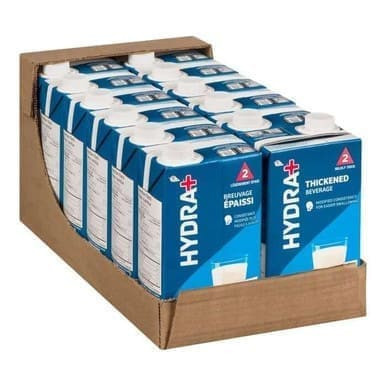
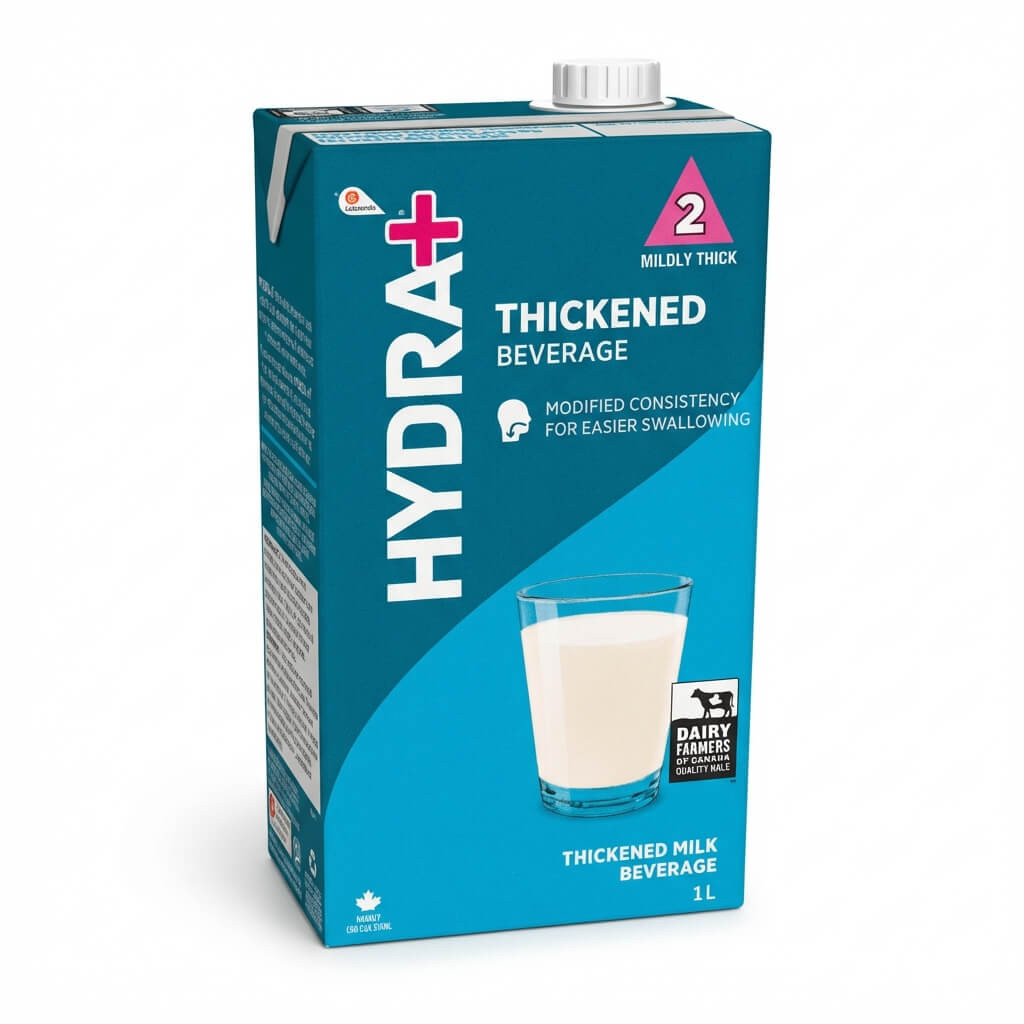
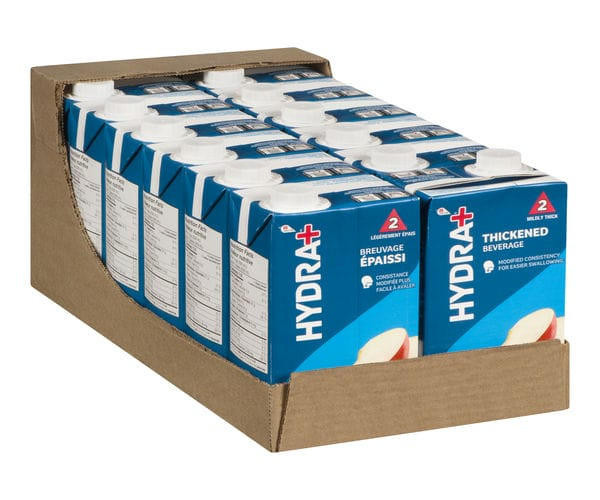
Level two moves very slowly. It requires effort to sip. This thickness reduces aspiration risk for many patients. Use specialized cups that support steady pouring without dripping.
Handle Spoon-Thick Textures
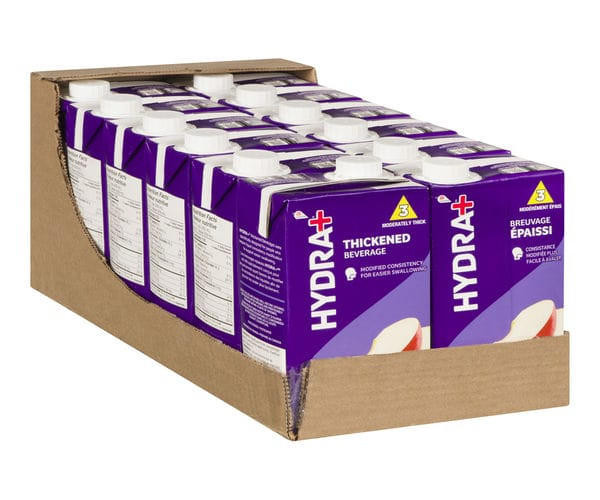
Level three is extremely thick. It pours only with significant effort. This consistency sits on a spoon without sliding. It offers maximum safety for severe swallowing difficulties.
Select Appropriate Tableware
Proper cups and plates prevent spills. They help maintain texture integrity during transport. Choose items that are easy to grip. Lightweight materials reduce fatigue for staff and residents.
Optimize Dining Lighting
Good visibility is essential for safety. Proper lighting helps residents see their food. It aids in identifying texture differences. Ensure dining areas have adequate, glare-free illumination sources.
Understanding Thin Liquids and Standard Flow Rates
Level zero represents standard thin liquids like water or juice.
Thin liquids flow freely and quickly. They are essential for hydration but pose risks for those with swallowing difficulties. The IDDSI framework categorizes this as level zero. It serves as the baseline for all other thickness comparisons in clinical settings across Canada.
Most individuals with dysphagia cannot safely consume thin liquids. Aspiration pneumonia is a significant risk factor here. Healthcare teams must assess each resident carefully. Only those with verified safe swallowing mechanisms should receive this texture type during meal services.
Serving thin liquids requires standard glassware or plastic cups. The container shape does not alter the viscosity. However, ease of holding matters for independence. Lightweight materials help residents manage their own hydration without spilling or struggling with heavy ceramic mugs.
Mildly Thick Liquids for Initial Safety Support
Level one offers slightly increased viscosity to slow flow rates.
Mildly thick liquids move slower than water but still pour easily. They coat the back of a spoon slightly. This level helps individuals who need minimal assistance with swallowing. It provides a gentle introduction to modified textures without drastic changes.
This texture is suitable for mild dysphagia cases. It reduces the speed at which liquid enters the throat. Residents can often use regular cups with this consistency. The key is maintaining uniform thickness across all servings provided in care facilities.
Preparation requires precise thickening agents or specialized products. Inconsistency poses safety risks if some portions remain too thin. Staff must mix thoroughly and verify texture before serving. Proper training ensures every bowl meets the strict level one criteria.
Moderately Thick Fluids Requiring Effort to Sip
Level two flows very slowly from a spoon and cup.
Moderately thick fluids require more effort to drink. They do not drip quickly from a spoon. This texture supports those with moderate swallowing impairments. It strikes a balance between safety and palatability for many patients in long-term care settings.
The viscosity allows better control during the swallow reflex. It gives the tongue time to position the liquid correctly. Residents often report feeling more secure with this thickness. Properly trained staff can monitor intake effectively using standard measuring tools.
Consistency checks are vital before each meal service. Thickening agents must be fully incorporated to avoid pockets of thin liquid. Use visual cues like the tilt test to verify compliance. Maintaining level two standards prevents accidental aspiration events in vulnerable populations.
Spoon-Thick Textures for Maximum Swallowing Safety
Level three is extremely thick and pours only with difficulty.
Spoon-thick textures sit firmly on a spoon without sliding. They require significant effort to pour from a cup. This level is designed for severe swallowing difficulties. It provides the highest degree of safety for liquid intake among dysphagia diets.
Residents cannot sip this texture from standard cups. Drinking straws may be difficult or impossible to use effectively. Spoon feeding becomes the primary method of hydration and nutrition delivery. Staff must ensure spoons are appropriately sized for individual mouth openings.
Preparation demands high-viscosity thickeners or pureed bases. Uniformity is critical to prevent choking hazards. Any variation in thickness can compromise safety protocols. Regular audits of kitchen procedures help maintain strict adherence to level three specifications.
Managing Solid Food Levels Four Through Seven
Levels four to seven cover soft, minced, and regular foods.
Soft and bite-sized foods require minimal chewing effort. They are cohesive and do not crumble easily. Level four is safe for many with mild oral processing issues. It allows residents to maintain some independence in eating without excessive risk.
Minced and moist textures break down quickly in the mouth. Level five suits those with moderate chewing difficulties. Pureed foods, level six, offer smooth consistency without lumps. These levels ensure nutrition while minimizing aspiration risks for vulnerable individuals.
Regular foods, level seven, require normal chewing and swallowing abilities. They include standard dietary items found in most households. Transitioning back to regular textures depends on medical assessment. Care teams must monitor progress closely during any dietary changes.
Optimizing Dining Environments for Safe Consumption
Lighting and tableware impact safety and resident comfort levels.
Proper lighting is essential for identifying food textures. Residents need clear visibility to eat safely and independently. Dim environments increase the risk of spills and confusion. Ensure dining areas have bright, even illumination across all tables.
Tableware selection supports texture integrity and ease of use. Lightweight plates reduce strain on arthritic hands. Cups with ergonomic handles improve grip stability. Choosing the right tools enhances the overall dining experience for everyone involved.
Staff training covers both texture preparation and environmental setup. Understanding IDDSI levels helps serve correct portions consistently. A well-lit, organized dining room promotes dignity and safety. These small adjustments make a significant difference in daily operations.
IDDSI Texture Comparison Chart
Review flow rates and structural properties for each level.
| Level | Name | Flow Rate | Structure |
|---|---|---|---|
| 0 | Thin | Free flowing | Liquid |
| 1 | Slightly Thick | Slow drip | Viscous |
| 2 | Mildly Thick | Very slow drip | Coated |
| 3 | Moderately Thick | No drip | Slippery |
| 4 | Soft & Bite-Sized | N/A | Cohesive |
| 5 | Minced & Moist | N/A | Easy chew |
| 6 | Pureed | N/A | Smooth |
| 7 | Regular | N/A | Standard |
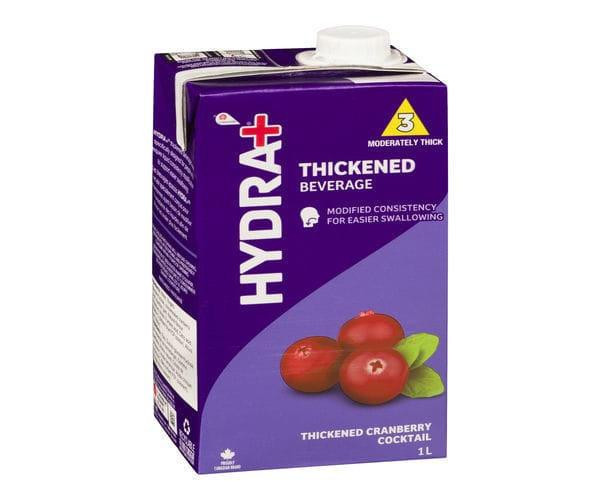
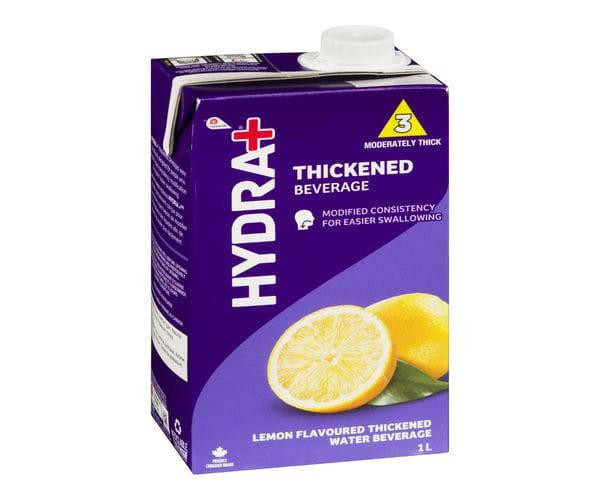
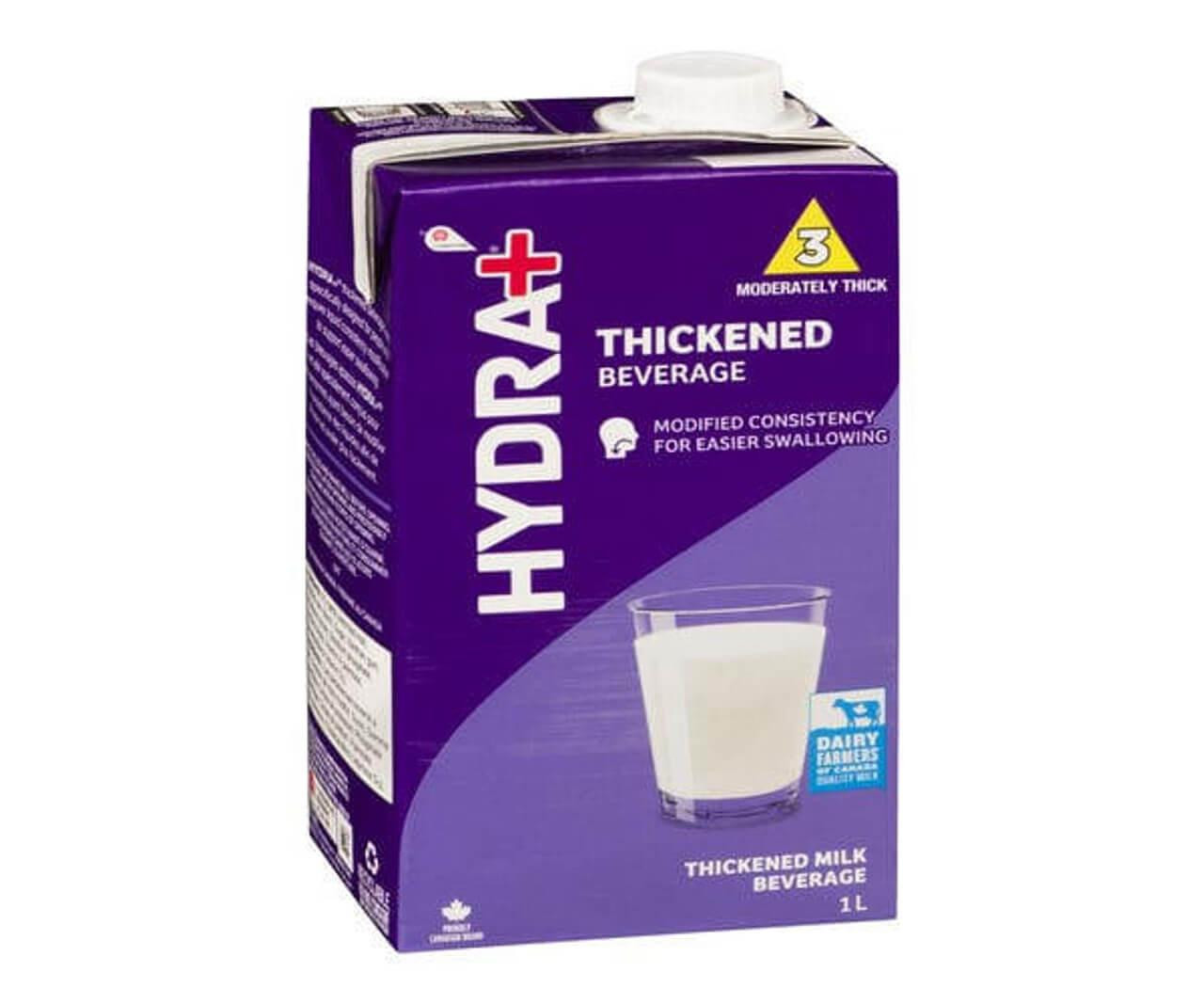
Compliant Dining Supplies
Select tools and furnishings that support safe texture management.

People Also Ask
Real questions buyers search before they order — answered straight.
What does IDDSI stand for?
IDDSI is the International Dysphagia Diet Standardisation Initiative — a single, standardised way to describe how thick a drink is and how soft a food is. It replaced the many local terms facilities once used, so a Level 3 drink now means the same thing in every kitchen and care home. The framework covers eight levels, numbered 0 to 7, shared across drinks and foods.
How many levels are in the IDDSI framework?
There are eight levels, numbered 0 through 7. Drinks run from Level 0 (thin) up through the thicker drink levels, while foods run up to Level 7 (regular). The numbering overlaps in the middle, which is why the framework is drawn as one continuum rather than two separate scales.
Which IDDSI levels are for drinks and which are for foods?
Drinks are described by Levels 0 to 4 — from thin through slightly, mildly, moderately, and extremely thick. Foods sit at Levels 3 to 7 — liquidised, pureed, minced and moist, soft and bite-sized, and regular. The middle levels (3 and 4) apply to both, which is why the scale is shown as one connected framework.
Who created the IDDSI framework, and why?
IDDSI was developed by an international group of volunteers from dietetics, speech-language pathology, nursing, medicine, and food science. Their goal was to remove the confusion and safety risks caused by inconsistent local terms for texture-modified diets. The result is one shared language that travels with a resident between facilities.
Is following IDDSI mandatory?
IDDSI is the recognised standard across Canadian care settings, so while the exact wording in policy varies, facilities are expected to follow it for anyone on a texture-modified diet. Using it consistently protects residents at risk of choking and keeps you aligned with dietitian and inspector expectations. Treat it as the baseline rather than an optional guideline.
What are IDDSI transitional foods?
Transitional foods are items that start firm but change texture — melting, softening, or dissolving — when warmth or moisture is applied, such as some wafers or ice. They matter because something that seems solid can quickly become a thin liquid in the mouth, which affects who can safely have it. The framework flags them so staff assess each one rather than assuming a fixed level.
What Canadian care facility directors say
Hear from facility leaders across Canada about their experiences.
The new lighting fixtures improved visibility in our dining hall. Residents can now see their food clearly. This simple change reduced spills significantly and helped staff monitor intake better during lunch hours each day.
We needed durable tableware for our memory care unit. These lamps and plates arrived quickly. The quality is excellent. Our residents feel more dignified during meals. The investment paid off within the first month of use.
Sourcing compliant supplies used to be difficult. This supplier made it easy. The product range covers all our needs. From lighting to serving ware, everything meets our strict safety standards for IDDSI level services.
Implementation Queries: Frequently Asked Questions
The following operator questions are answered with cited sources. Every FAQ links to Health Canada, CFIA, Canada.ca, or another authoritative regulator.
What is the IDDSI framework and why was it created?
Products referenced:
- IDDSI framework, dysphagia diet standards
Source: IDDSI - Home
What are the 8 levels of the IDDSI framework?
Products referenced:
- IDDSI levels 0-7, framework levels
How do you test IDDSI levels for foods?
Products referenced:
- IDDSI testing methods, fork drip test, syringe flow test
Source: IDDSI For Beginners - The Adult Speech Therapy Workbook
Is IDDSI mandatory in Canadian healthcare facilities?
Products referenced:
- IDDSI Canada, Canadian healthcare standards
What are the challenges of implementing IDDSI in long-term care?
Products referenced:
- IDDSI implementation, LTC transition
Source: Feedback re: IDDSI Implementation at Your Facility - r/dietetics
What is the difference between IDDSI Level 5 (Minced & Moist) and Level 6 (Soft & Bite-Sized)?
Products referenced:
- IDDSI Level 5, IDDSI Level 6, minced and moist
Source: Breakfast ideas for minced and moist diet - r/dysphagia
Is IDDSI too restrictive for patients with only chewing difficulties?
Products referenced:
- IDDSI restrictive, chewing difficulty diet
Source: IDDSI Too Much for Chewing Difficulty Only? - r/dietetics
What foods are appropriate for IDDSI Level 3 (Moderately Thick/Liquidised)?
Products referenced:
- IDDSI Level 3, liquidised foods
Source: All About IDDSI Liquid Levels (0-4) - The Dysphagia Dietitian
How do I transition a patient from IDDSI Level 4 to Level 5?
Products referenced:
- IDDSI diet progression, Level 4 to Level 5
Source: IDDSI Implementation - r/slp
Where can I find IDDSI-compliant recipes and meal ideas?
Products referenced:
- IDDSI recipes, dysphagia meal ideas
Source: Breakfast ideas for minced and moist diet - r/dysphagia
Regulatory reference: FDA IDDSI Framework and Dietary Management
Related guides from ChickenPieces
Why Choose Our Supply Partner
We provide reliable products that meet strict Canadian care standards.
Local Calgary Support
Our team understands regional needs. We offer fast response times and personalized service. This local presence ensures quick resolution of any supply issues or questions you may have regarding orders.
Quality Assurance Focus
Every product undergoes rigorous quality checks. We source only from trusted manufacturers. This dedication ensures durability and safety in your facility. You receive items that withstand daily use without compromising integrity.
Comprehensive Product Range
From lighting to tableware, we cover all dining needs. Our diverse inventory simplifies procurement processes. You can source everything from one place. This efficiency saves time and reduces administrative burden for your team.
Health Canada Compliant
All items meet Health Canada safety regulations. We prioritize compliance in every selection. This ensures your facility operates within legal boundaries. Trust our expertise to provide materials that satisfy strict regulatory requirements consistently.
Sources & further reading
- Comparison of NDD and IDDSI Levels for Thickened Drinks — PMC / National Library of Medicine
- Thickeners and thickened fluids — NHS Specialist Pharmacy Service
- Nutrition Care Resources and Tools — Canadian Malnutrition Task Force
Request Your Custom Quote Today
Contact our team for tailored supply solutions. We help you achieve compliance efficiently. Send a quote request now.
Request a Quote