
2026 Apr 7th
How to Use Tamari in Marinades and Glazes — Canada Guide
How to Use Tamari in Marinades and Glazes
⏱ 8 min read
Key Takeaways
- Tamari offers a richer, less salty flavour profile compared to standard soy sauce.
- Its thicker consistency helps marinades cling better to proteins and vegetables.
- Balancing tamari with sweet and acidic ingredients creates complex, restaurant-quality glazes.
- Applying glazes late in the cooking process prevents bitter, burnt flavours.
- Using tamari allows Canadian chefs to easily adapt recipes for gluten-free diners.
From what we've seen supplying restaurants across Alberta from our Calgary warehouse, chefs are increasingly turning to tamari not just as a gluten-free alternative, but as a superior flavour enhancer. Its robust, meaty profile makes it an exceptional foundation for marinades and glazes, capable of elevating everything from simple chicken skewers to elaborate roasted vegetable dishes.
Table of Contents
- Why Does Tamari Excel in Cooking Applications?
- How Do You Build a Balanced Tamari Marinade?
- What is the Secret to a Perfect Tamari Glaze?
- When Should You Apply a Glaze During Cooking?
- What Are the Considerations for Canadian Kitchens?
- How Do You Troubleshoot Common Glaze Issues?
- Frequently Asked Questions
Why Does Tamari Excel in Cooking Applications?
Tamari is brewed primarily from soybeans, with little to no wheat. This distinct fermentation process results in a sauce that is darker, thicker, and significantly richer in umami than standard soy sauce. When used in cooking, these characteristics provide a profound depth of flavour that stands up well to high heat and bold spices.
The higher concentration of soy proteins in tamari creates a more complex, rounded savoury note that enhances the natural flavours of the food rather than simply masking them with salt.
Because it is less harsh and salty than its wheat-based counterpart, tamari allows chefs to use it more generously in marinades, ensuring deep flavour penetration without over-seasoning the dish.
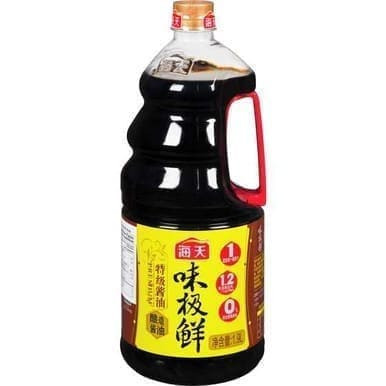
Tamari's thick consistency makes it an ideal base for clinging marinades.
How Do You Build a Balanced Tamari Marinade?
A successful marinade requires a balance of salt, acid, fat, and aromatics. Tamari provides the salt and the umami foundation. To build upon this, you must introduce contrasting elements.
| Component | Purpose | Suggested Ingredients |
|---|---|---|
| Umami/Salt | Deepens flavour, draws out moisture | Kikkoman Tamari |
| Acid | Tenderizes proteins, brightens taste | Rice vinegar, lime juice, mirin |
| Sweetness | Balances salt, aids in caramelization | Honey, brown sugar, maple syrup |
| Aromatics | Adds complex top notes | Minced ginger, crushed garlic, chili flakes |
| Fat | Carries fat-soluble flavours | Sesame oil, neutral canola oil |
For tough cuts of meat, increasing the acidic component will help break down the muscle fibres during the marination process, resulting in a more tender final product.
A standard ratio to start with is two parts tamari, one part acid, one part sweetener, and a splash of oil, adjusted according to the specific protein and desired flavour profile.
What is the Secret to a Perfect Tamari Glaze?
While a marinade is designed to penetrate, a glaze is designed to coat. A glaze needs to be thick enough to adhere to the surface of the food, creating a glossy, flavourful crust. To turn a tamari marinade into a glaze, it must be reduced.
Simmering the tamari mixture over medium-low heat evaporates the water content, concentrating the sugars and amino acids until the sauce becomes syrupy and coats the back of a spoon.
If the glaze needs additional thickening, a small slurry of cornstarch and cold water can be whisked in during the final minutes of simmering. This creates a stable, glossy finish that looks highly professional on the plate.
When Should You Apply a Glaze During Cooking?
The timing of glaze application is critical. Because tamari glazes contain high amounts of natural sugars (both from the added sweeteners and the fermented soy), they are highly susceptible to burning if exposed to direct heat for too long.
Whether grilling, roasting, or broiling, always apply a tamari glaze during the final 5 to 10 minutes of the cooking process.
Brush the glaze on in thin, even layers, allowing each layer to caramelize slightly before applying the next. This builds a complex, sticky crust without introducing the bitter flavours of scorched sugar.
Applying the glaze late in the cooking process ensures a glossy, unburnt finish.
What Are the Considerations for Canadian Kitchens?
For Canadian foodservice operators, utilizing tamari as a primary marinade base simplifies inventory and menu management. By replacing standard soy sauce with a certified gluten-free tamari, such as Kikkoman, entire sections of the menu can be made celiac-friendly without sacrificing flavour.
Adhering to CFIA guidelines for allergen labelling is much easier when the base ingredients of your house-made sauces are inherently free of common allergens like wheat.
Furthermore, sourcing bulk tamari from a reliable distributor ensures that your kitchen maintains a consistent flavour profile across all locations, which is vital for brand consistency in a competitive market.
How Do You Troubleshoot Common Glaze Issues?
If your glaze is too salty, it has likely been reduced too far. You can rescue it by whisking in a small amount of water or unsalted broth, along with a touch more sweetener to restore the balance. If the glaze is too thin and runs off the food, return it to the heat and simmer gently, or utilize a cornstarch slurry as mentioned above.
If you intend to use the leftover marinade as a glaze, it is imperative for food safety that it is brought to a rolling boil for at least five minutes to eliminate any bacteria introduced by the raw meat.
Frequently Asked Questions
The following operator questions are answered with cited sources. Every FAQ links to Health Canada, CFIA, Canada.ca, or another authoritative regulator.
Is tamari the same as gluten-free soy sauce?
Source: Source
What is the difference between tamari and soy sauce?
Source: Source
Can I use tamari in place of soy sauce in marinades?
Source: Source
What is the best gluten-free soy sauce alternative?
Source: Source
Does tamari taste different from regular soy sauce?
Source: Source
What are the best tamari marinade recipes for Canadian kitchens?
Source: Source
Is tamari suitable for celiac customers?
Source: Source
Where can Canadian restaurants buy bulk tamari?
Source: Source
Authoritative Sources
The following government and public-health sources informed the operator guidance above. Citations to Reddit, Quora, and operator forums appear in the FAQ block above.