
2026 Jul 4th
Hospital Bed at Home: Rent vs Buy Guide for Canadian
Renting suits short-term stays with lower upfront costs. Buying offers long-term savings and customization. Electric beds provide superior patient positioning. Choose based on your facility usage patterns and budget constraints for optimal care delivery.
Hospital Bed at Home: Rent vs Buy Guide for Canadian Facilities
This guide helps property managers and facility operators choose the right hospital bed solution for patient comfort and long-term operational efficiency in Canadian markets.
Key Takeaways
Key points to consider when selecting hospital bed equipment.
Cost Analysis Strategy
Evaluate total cost of ownership over time. Rental fees accumulate quickly for long-term stays. Purchasing may offer better value for permanent care setups and consistent patient populations.
Electric Bed Benefits
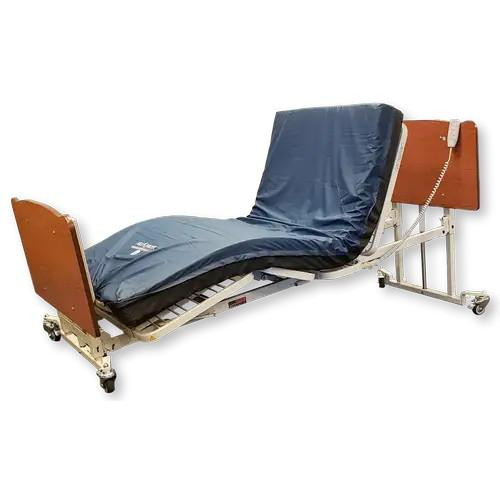
Electric models allow precise height and angle adjustments. This reduces caregiver strain and improves patient circulation. Semi-electric options balance cost savings with essential positioning features for daily comfort.
Patient Safety Features
Look for low-profile designs to prevent fall injuries. Adjustable rails provide secure boundaries without restricting access. Ensure beds meet current safety standards for stability and structural integrity during use.
Durability Matters
Welded steel frames withstand heavy daily usage. Quality materials resist wear and tear better than plastic alternatives. Invest in strong construction to minimize maintenance costs and replacement frequency over time.
Comfort Enhancements
Specialized sheets and padding improve patient rest. Washable fabrics maintain hygiene standards effectively. Proper bedding supports skin health and reduces pressure ulcer risks during extended hospital stays.
Space Efficiency
Compact designs fit smaller home environments well. Floor-level options facilitate easier transfers from wheelchairs. Measure your space carefully before purchasing to ensure adequate room for maneuvering and care.
Rent or Buy: Which Option Fits Your Needs?
Understanding the financial and operational implications of each choice.
Renting hospital beds offers flexibility for temporary situations. This approach works well for post-surgical recovery or short-term rehabilitation stays. You avoid large initial investments and storage issues when the equipment is no longer needed. However, rental costs can accumulate over time, potentially exceeding purchase prices for extended care periods.
Buying a hospital bed provides long-term value for permanent setups. Facilities with consistent patient volumes benefit from owning their inventory. Purchase options allow for customization and upgrades tailored to specific care requirements. While the initial outlay is higher, the cost per use decreases significantly over several years of active service.
Consider your facility's growth plans when making this decision. Expanding operations may require additional beds soon, making purchasing more strategic. Conversely, fluctuating patient numbers might make renting a safer financial bet. Evaluate your budget constraints and cash flow to determine the most sustainable path forward.
Understanding Electric Bed Tiers for Optimal Care
Different power levels offer varying degrees of control and comfort.
Manual hospital beds rely on hand cranks for adjustment. These models are the most affordable and require no power source. However, they demand significant physical effort from caregivers. Manual beds suit stable patients who do not need frequent repositioning or those in facilities with limited electrical infrastructure.
Semi-electric beds combine manual and electric features. The backrest usually adjusts electronically, while the legs remain manual. This tier offers a balance between cost and convenience. It reduces caregiver strain for primary positioning tasks while keeping the overall price point lower than fully automated systems.
Full electric beds automate all major adjustments. Head, foot, and height controls are motorized for effortless operation. These beds enhance patient independence and comfort significantly. They are essential for complex care scenarios requiring frequent repositioning to prevent complications like bedsores or respiratory issues.
Prioritizing Patient Safety with Low-Profile Designs
Reducing fall risks through thoughtful bed height selection.
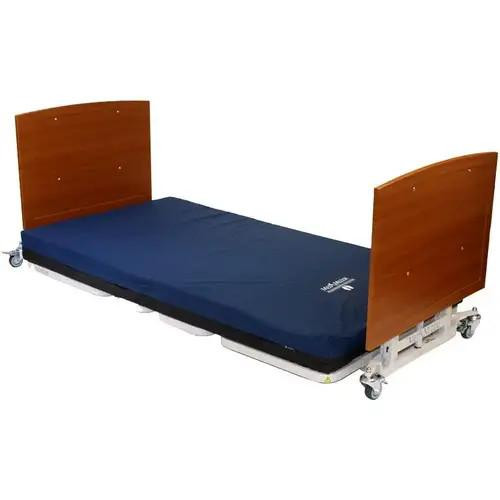
Fall prevention is critical in home care settings. Standard hospital beds can pose significant risks due to their height. Low-profile models address this concern by sitting closer to the ground. This design choice protects vulnerable patients while maintaining ease of access for caregivers performing daily tasks.
Adjustable width features enhance safety further. Wider bases provide greater stability during movement and transfers. Narrower profiles might fit tighter spaces but could compromise balance. Selecting the appropriate width ensures the bed remains secure even when patients shift positions unexpectedly.
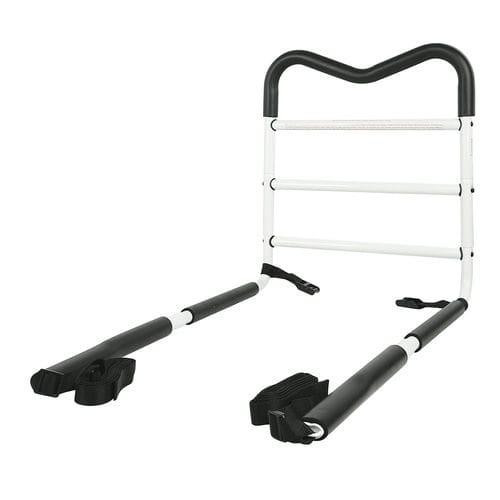
Bed rails add an extra layer of security. Padded handrails offer comfort while preventing accidental roll-offs. Ensure rails are adjustable to accommodate different patient sizes. Properly installed rails contribute significantly to a safe environment without restricting necessary care activities.
Durability and Construction Materials for Longevity
Choosing materials that withstand rigorous daily use.
The frame material dictates the bed's lifespan. Steel construction provides unmatched durability compared to plastic or aluminum alternatives. Welded joints add extra reinforcement at stress points. This strong build quality ensures the bed can handle frequent adjustments and heavy weights without structural failure.
Corrosion resistance is vital for medical equipment. High-quality finishes protect metal components from moisture and cleaning agents. Regular maintenance extends the life of these protective coatings. Investing in well-finished frames reduces the likelihood of rust and degradation over time.
Consider the ease of cleaning when selecting materials. Smooth surfaces without crevices prevent bacterial buildup. Antimicrobial treatments can further enhance hygiene standards. Choosing beds with easy-to-clean designs supports infection control protocols and maintains a healthy environment for patients.
Enhancing Patient Comfort with Specialized Bedding
The role of high-quality sheets in overall well-being.
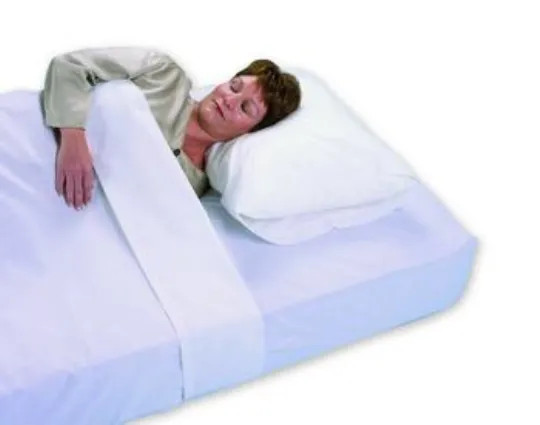
Comfort directly impacts recovery times and satisfaction. Standard home bedding often lacks the necessary support. Hospital-grade sheets provide better pressure distribution and breathability. These specialized textiles help regulate body temperature and reduce discomfort during extended periods of rest.
Fitted sheets designed for hospital beds stay in place. They feature extra depth and secure elastic bands. This prevents bunching and shifting, which can cause skin irritation. Properly fitted bedding contributes to a cleaner appearance and reduces the need for frequent adjustments by staff.
Quality materials withstand repeated washing cycles. Cheap fabrics wear out quickly and lose their shape. Investing in durable sheets saves money in the long run. They maintain their integrity and comfort level even after many washes, ensuring consistent care standards.
Specialized Solutions for Pediatric Hospital Beds
Addressing unique requirements for younger patients.
Children have different needs than adult patients. Pediatric hospital beds are scaled appropriately for smaller bodies. Features like lower side rails and gentler adjustments are essential. These designs ensure safety and comfort tailored specifically to younger individuals.
Space efficiency is key in pediatric wards. Compact beds allow for more room per patient. This layout supports better airflow and easier access for medical staff. Efficient use of space enhances the overall environment without compromising care quality.
Durability remains important even in pediatric settings. Young patients can be active and unpredictable. Beds must withstand movement and play while maintaining safety standards. Strong construction ensures longevity despite higher activity levels compared to adult units.
Comparison of Hospital Bed Options
Review the key differences between manual, semi-electric, and full electric beds.
| Feature | Manual | Semi-Electric | Full Electric |
|---|---|---|---|
| Initial Cost | Lowest | Moderate | Highest |
| Ease of Use | Difficult | Moderate | Easiest |
| Adjustment Speed | Slow | Medium | Fast |
| Maintenance Needs | Low | Medium | Higher |
| Patient Comfort | Basic | Good | Excellent |
| Caregiver Strain | High | Reduced | Minimal |
| Best For | Short Stays | Standard Care | Complex Care |
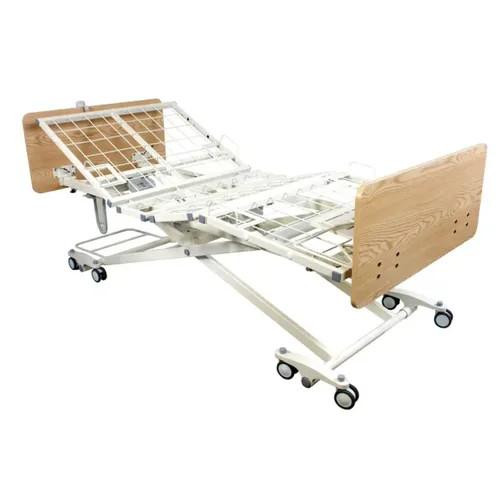
Explore Our Hospital Bed Collection
Browse our comprehensive range of durable and comfortable hospital beds.




People Also Ask
Real questions buyers search before they order — answered straight.
Should you rent or buy a hospital bed?
Renting suits a short, defined need — recovery after surgery, palliative care, or a trial before committing — because it avoids storage and resale later. Buying works out better for a long-term or permanent need, and it lets you choose the exact tier and mattress that fit the person. The honest test is how many months the bed is genuinely needed, weighed against the convenience of owning one that is always set up and yours.
What are the main types of home hospital bed?
The usual tiers are manual (cranks by hand), semi-electric (powered head and foot, manual height), and full-electric (everything at the push of a button), plus heavy-duty bariatric models for higher weight needs. Manual beds cost least but ask more of the caregiver, while full-electric beds are far easier for daily care and for the person adjusting themselves. Matching the tier to how often the bed is adjusted usually matters more than any single feature.
Who needs a hospital bed at home?
A home hospital bed helps someone who spends long periods in bed, needs frequent repositioning, or must raise their head or knees for comfort, breathing, or safety. It also protects caregivers, since adjustable height saves their backs during daily care. A clinician or occupational therapist can confirm whether the adjustability genuinely improves safety and comfort before you invest.
How do you make a hospital bed more comfortable?
Start with the right mattress — a pressure-relieving foam or alternating-air mattress makes the biggest difference for anyone in bed for long spells. Add proper-fitting bedding sized for the longer, narrower frame, and use small adjustments to head and knee angles rather than one fixed position. Regular repositioning and good pillows for support round out the comfort without any special equipment.
Will a hospital bed fit through a standard doorway?
Most home hospital beds are delivered in sections or dismantle for exactly this reason, so the frame passes through a standard doorway before it is assembled in the room. The bigger question is whether the room has space around the bed for a caregiver, and for a lift or wheelchair if needed. Measuring the doorway, hallway turns, and the room before delivery avoids an awkward surprise on the day.
Does a hospital bed come with a mattress?
Not always — many beds are sold as the frame alone, so the mattress is a separate choice, which is actually useful because the mattress should match the person's pressure-care needs. Check whether a listing includes a mattress and what type it is before comparing options. Pairing the right mattress with the frame matters far more for comfort and skin protection than the frame on its own.
What Canadian Facility Operators say
Hear from satisfied customers across Canada.
We switched to full electric beds last year. The reduction in caregiver strain has been remarkable. Patient satisfaction scores have also improved significantly due to better comfort levels.
The low-profile design gave us peace of mind regarding patient safety. Falls have decreased since installation. The welded steel frames feel incredibly solid and reliable during daily use.
Purchasing instead of renting saved us money in the long run. The durability is impressive. We appreciate the easy-to-clean surfaces which help maintain high hygiene standards consistently.
Common Questions: Frequently Asked Questions
The following operator questions are answered with cited sources. Every FAQ links to Health Canada, CFIA, Canada.ca, or another authoritative regulator.
Should I rent or buy a hospital bed for home care in Canada?
Products referenced:
- Med-Mizer SelectCare Elegant Styling Hospital Bed - Comfort Beyond Expectations
- AllCare C Floor Height Low Bed with Adjustable Width, Advanced Positioning Capabilities
Source: Help with finding hospital bed for purchase or lease - Reddit
Is a full-electric hospital bed worth the extra cost at home?
Products referenced:
- Med-Mizer SelectCare Elegant Styling Hospital Bed - Comfort Beyond Expectations
- AllCare Floor Level Low Bed - Adjustable Height 3.6” to 25”, Width Options, Advanced Positioning
Source: What should I consider before buying a hospital bed for home use? - Quora
What is the difference between manual, semi-electric and full-electric hospital beds?
Products referenced:
- Med-Mizer SelectCare Elegant Styling Hospital Bed - Comfort Beyond Expectations
- Dynarex D200 Low Bed Constructed from welded steel
What mattress should I buy for a hospital bed at home?
Products referenced:
- Standard Hospital Bed Fitted Sheets - Comfort and Convenience in Every Thread
- Hermell Products Hospital Bed Sheet Set Quality, Washable, Specifically Designed
Source: Finding a good mattress for mom's hospital bed? - AgingCare
Do I need a low-profile hospital bed to reduce fall risk?
Products referenced:
- AllCare C Floor Height Low Bed with Adjustable Width, Advanced Positioning Capabilities
- AllCare Floor Level Low Bed - Adjustable Height 3.6” to 25”, Width Options, Advanced Positioning
Source: Any recommendations for a bed guard/rail and/or a cushioned mat for the floor? - AgingCare
Are bed rails necessary for a hospital bed at home?
Products referenced:
- BIOS Adjustable M-Shaped Bed Rail with Padded Handrail
- Drive Medical BIOS Adjustable M-Shaped Bed Rail with Padded Handrail
- AllCare C Floor Height Low Bed with Adjustable Width, Advanced Positioning Capabilities
Source: Bed rail alternatives? : r/CaregiverSupport - Reddit
Will an electric hospital bed work during a power outage?
Products referenced:
- Med-Mizer SelectCare Elegant Styling Hospital Bed - Comfort Beyond Expectations
- Dynarex D200 Low Bed Constructed from welded steel
Source: My mother is in a hospital bed, and we lost power yesterday - AgingCare
How can I tell whether a hospital bed will fit through my home and suit the patient’s size?
Products referenced:
- AllCare C Floor Height Low Bed with Adjustable Width, Advanced Positioning Capabilities
- AllCare Floor Level Low Bed - Adjustable Height 3.6” to 25”, Width Options, Advanced Positioning
- Surge Overflow Crib Bed | Inexpensive Pediatric Hospital Bed Solution
Source: Hospital Bed Recommendations? : r/AgingParents - Reddit
What should Canadian buyers check before purchasing a hospital bed?
Products referenced:
- Med-Mizer SelectCare Elegant Styling Hospital Bed - Comfort Beyond Expectations
- AllCare C Floor Height Low Bed with Adjustable Width, Advanced Positioning Capabilities
Source: Purchase of Licensed Medical Devices for Use in Health Care - Health Canada
Related guides from ChickenPieces
Why Choose Us
We provide reliable medical equipment solutions tailored for Canadian facilities.
Local Expertise
Our team understands the unique challenges of Canadian healthcare. We offer personalized advice and support to help you make informed decisions about your equipment needs.
Quality Assurance
We source only from reputable manufacturers. Every product undergoes rigorous testing to ensure it meets high standards of durability, safety, and performance for your facility.
Fast Delivery
Quick shipping ensures you receive equipment when needed. Our efficient logistics network minimizes wait times, allowing you to focus on providing excellent care without delays.
Regulatory Compliance
All products meet Health Canada standards. We stay updated on regulatory changes to ensure your facility remains compliant with current laws and guidelines for medical equipment.
Request Your Quote Today
Contact us for a personalized quote. Our experts are ready to assist you in finding the perfect hospital bed solution.
Request a QuoteReferences: Health Canada - Food Chemical Contaminants CFIA - Food Safety for Industry.