

2026 Jul 22nd
Bulk Hydration Plan For Tournaments And Sports Seasons
Stock bulk concentrates and large case packs to ensure consistent supply. Mix flavors to suit preferences while maintaining inventory levels. Plan orders ahead of season starts to avoid shortages.
Bulk Hydration Plan For Tournaments And Sports Seasons
This guide helps property managers and team coordinators stock reliable hydration solutions for large groups without running out of essential fluids during peak activity periods.
Key Takeaways
Key strategies for managing hydration inventory effectively include the following points.
Plan Seasonal Volume Needs
Calculate total athlete count and daily consumption rates. Multiply by days in season. Add buffer stock for unexpected growth or intense training weeks to prevent shortages.
Mix Concentrate And Ready-To-Drink
Use concentrates for cost-effective bulk mixing at venues. Keep ready-to-drink bottles for quick distribution. This mix balances budget efficiency with operational convenience for staff.
Rotate Flavors Regularly
Offer variety to maintain athlete interest and intake levels. Switch between fruit punch, grape, and lemon-lime. Rotate weekly to prevent palate fatigue during long competitive seasons.
Monitor Inventory Weekly
Check stock levels every Monday morning. Reorder when supplies drop below safety thresholds. Use a simple spreadsheet or inventory app to track usage trends across different teams.
Store Properly For Freshness
Keep concentrates in cool, dry places away from direct sunlight. Store bottled drinks upright to prevent leaks. Proper storage extends product life and maintains quality standards.
Coordinate With Facility Staff
Ensure groundskeepers and coaches know refill schedules. Place hydration stations in high-traffic zones. Clear labeling helps athletes find preferred drinks quickly during busy practice sessions.
Calculate Your Team Hydration Needs Accurately
Determine exact volume requirements based on athlete count, training intensity, and season length to avoid overstocking or shortages.
Start by listing every athlete who will participate in the upcoming season. Include coaches, staff, and volunteers who need hydration during events. Multiply this number by average daily fluid intake recommendations. Consider climate factors like humidity and temperature spikes that increase sweat rates significantly.
Break down the season into distinct phases such as pre-season training, regular games, and playoffs. Each phase has different intensity levels affecting consumption. Pre-season often sees higher volume due to conditioning workouts. Adjust your baseline calculations accordingly for each period of high activity.
Factor in facility constraints like cooler space and storage capacity. Large bulk containers save money but require significant room. Balance cost savings with logistical realities. Choose a mix of formats that fit your physical infrastructure while meeting total volume targets efficiently.
Choose Between Concentrates And Bottled Options
Decide which product format suits your operational workflow, budget constraints, and athlete preferences for maximum satisfaction.
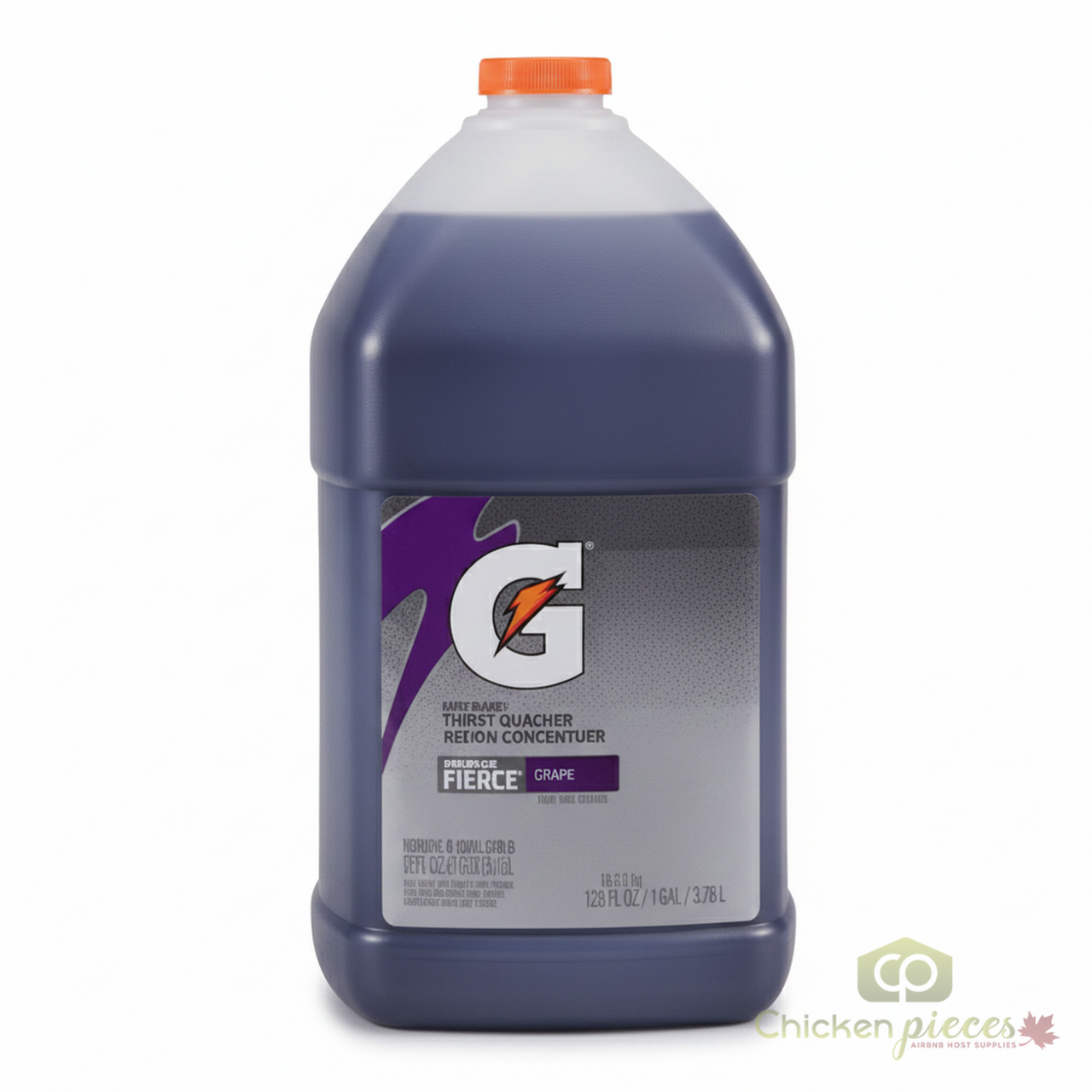
Concentrates offer the lowest cost per liter of finished drink. They require mixing with water and proper storage before opening. Ideal for facilities with reliable water sources and staff to manage preparation. Large volumes can be made quickly for tournaments or multi-team events requiring substantial quantities.
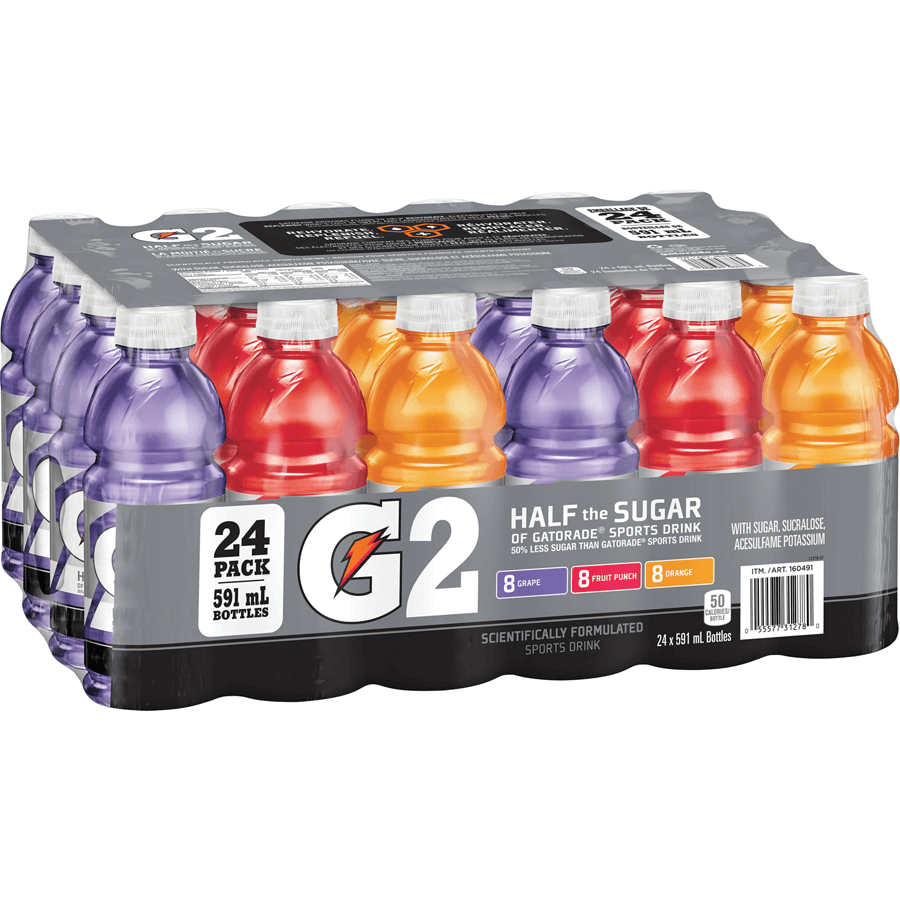
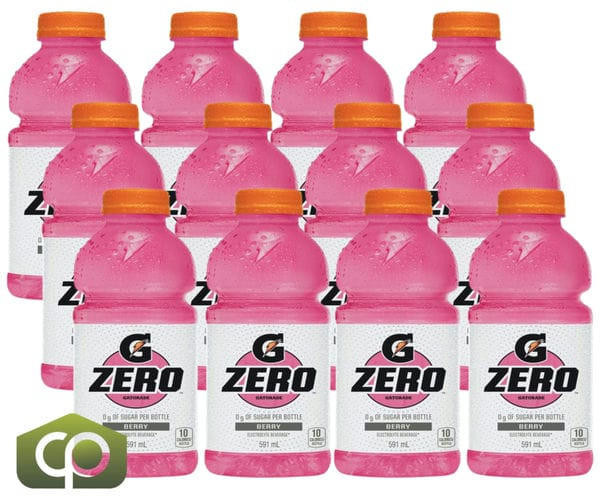
Ready-to-drink bottles provide convenience and portability. Athletes can grab them without waiting for dispensers. Useful for travel days, away games, or quick pickup scenarios. While slightly more expensive per unit, they reduce labor time and eliminate mixing errors or contamination risks during busy periods.
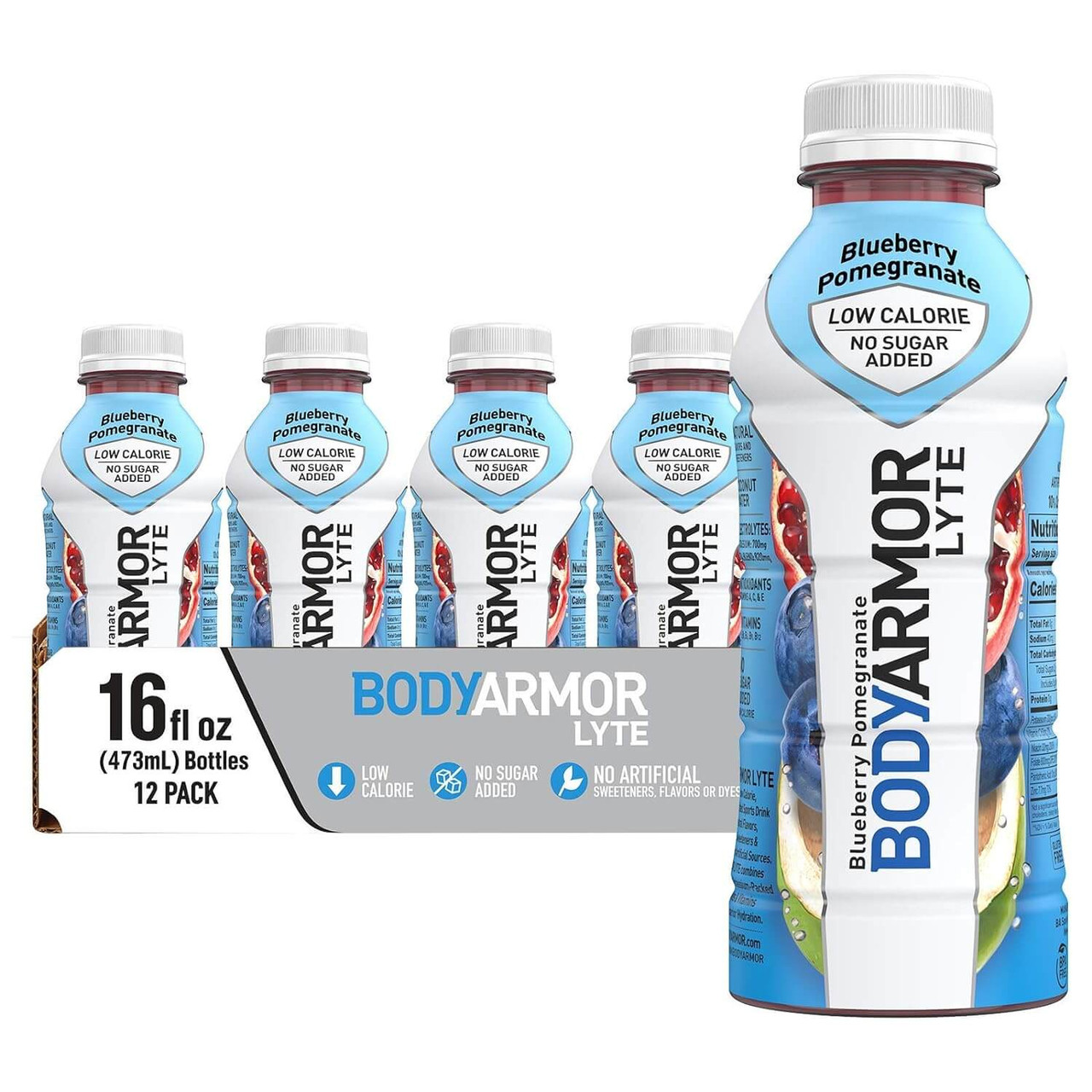
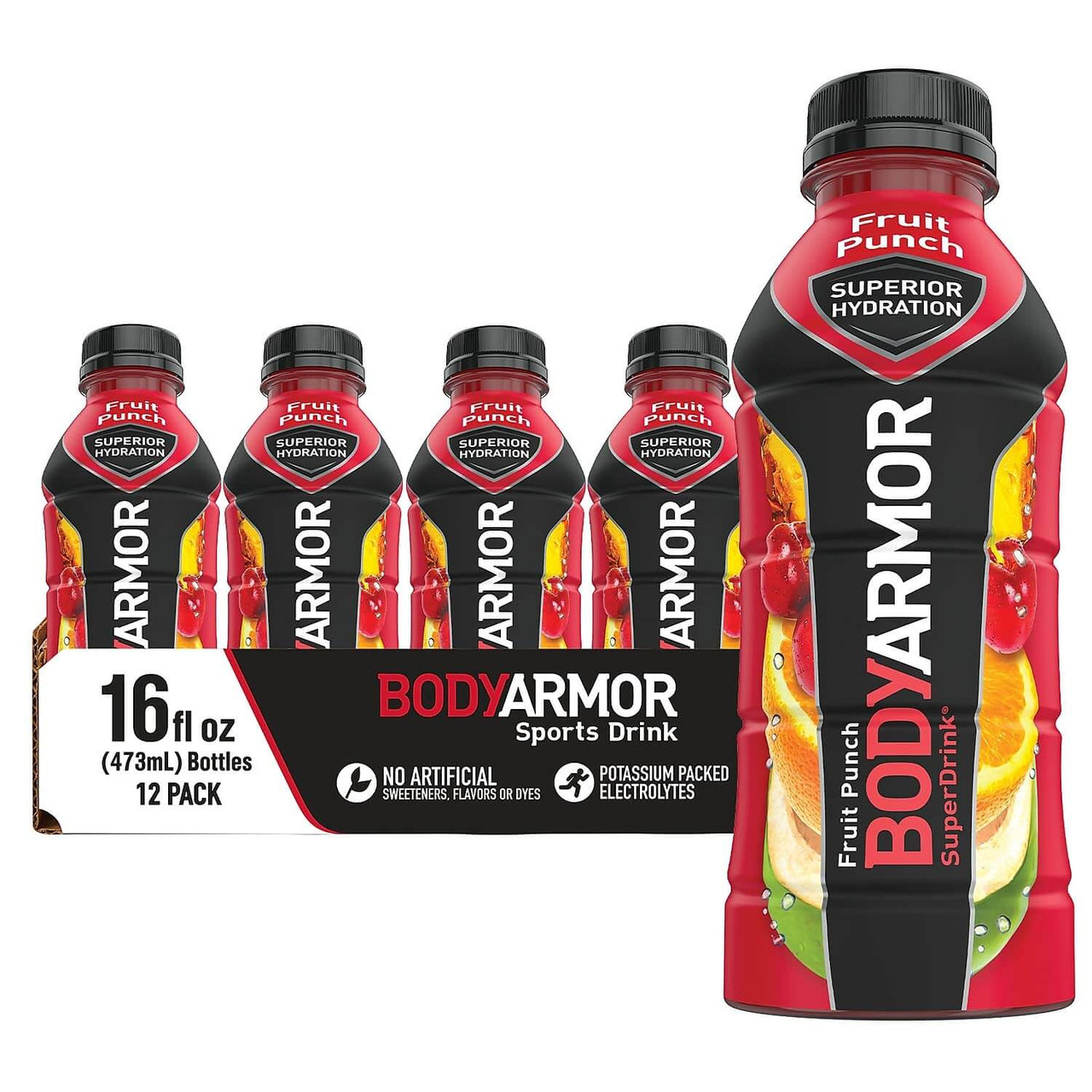
BodyArmor options add variety with coconut water blends. These appeal to athletes seeking electrolyte sources beyond traditional sports drinks. Offering alternative brands keeps hydration interesting. Include them in rotation to cater to diverse dietary preferences and taste sensitivities within your team roster.
Streamline Ordering And Delivery Schedules
Set up recurring orders or bulk purchases timed with season starts to maintain steady supply without emergency rushes.
Work with suppliers who understand seasonal demand spikes. Place initial large orders before camp starts. Follow up with smaller replenishment runs monthly. This strategy smooths out cash flow and prevents last-minute panic buying when shelves run empty unexpectedly.
Negotiate delivery windows that align with your facility schedule. Ensure someone is available to receive heavy cases immediately. Store items in designated areas to keep walkways clear. Efficient receiving processes reduce handling time and potential damage to packaging during transit.
Use digital tools to automate reordering triggers. Set alerts when stock reaches minimum levels. This removes manual tracking burdens from busy managers. Consistent supply chains mean less administrative overhead and more focus on athlete performance and safety matters.
Optimize Storage For Bulk Hydration Products
Implement proper shelving and climate control to preserve product quality and extend shelf life throughout the season.
Keep concentrates in cool, dry locations away from direct sunlight. Heat degrades flavor and nutritional content over time. Use sturdy shelving units that support heavy gallon jugs without bending. Stack bottles securely to prevent tipping hazards in high-traffic storage rooms.
Separate different brands and flavors clearly. Color-coded labels help staff identify products quickly during restocking. This organization reduces errors when filling dispensers or distributing drinks. Clear labeling also aids in inventory audits and ordering accuracy for future seasons.
Monitor humidity levels in storage areas if possible. Excess moisture can damage cardboard cases and packaging integrity. Ensure ventilation is adequate to prevent mold growth on stored goods. Regular inspections maintain a clean, safe environment for all food-related supplies.
Manage On-Site Dispensing And Waste Reduction
Set up efficient dispensing stations and educate athletes on proper consumption to minimize spillage and waste.
Install durable, easy-to-clean dispensing units at key locations. Position them near locker rooms and field entrances. Ensure adequate power sources if using electric coolers. Regular maintenance checks prevent malfunctions during critical game days or intense training sessions.
Educate athletes on portion control and responsible drinking. Overfilling cups leads to spills and wasted product. Encourage refilling as needed rather than taking excessive amounts initially. Clear signage reminds users of proper etiquette and hygiene practices around hydration stations.
Implement recycling programs for empty bottles and cases. Partner with local waste management services for bulk pickup. This reduces landfill impact and demonstrates environmental responsibility. Sustainable practices resonate well with sponsors and community stakeholders supporting your programs.
People Also Ask
Real questions buyers search before they order — answered straight.
What exactly is Gatorade liquid concentrate, and how is it different from powder and ready-to-drink bottles?
Liquid concentrate is a syrup you dilute with water to make finished sports drink, so a compact jug produces far more than its own volume. Powder does a similar job in a dry, lightweight form, while ready-to-drink bottles are already mixed and need no preparation. For a facility or camp serving large numbers, concentrate and powder both cut storage space and cost per serving compared with buying individual bottles.
How do you open and dispense a gallon jug of liquid concentrate?
Most gallon jugs use a screw cap, and many operators fit a dosing pump to the neck so staff can measure each shot of concentrate quickly and cleanly. Give the jug a gentle shake first, then pump or pour the measured amount into your water. A pump keeps servings consistent and reduces spills during a busy rush.
Can you drink Gatorade concentrate straight, or does it always need diluting?
Concentrate is designed to be diluted and is far too intense and sugary to drink neat, so it should always be mixed with water to the stated ratio before serving. Drinking it undiluted is unpleasant and unnecessary. Sticking to the recommended dilution gives the balanced taste and hydration the drink is meant to provide.
Which is better for rehydrating a crowd on a hot day, plain water or an electrolyte drink?
Plain water is fine for general thirst, but during long, hot, or high-activity sessions an electrolyte drink helps replace the salts lost through sweat. Many facilities offer both so people can choose based on how active they are. Providing water alongside a diluted electrolyte drink covers everyone from light users to hard-working staff and athletes.
How do you keep a large batch of mixed drink safe to serve over a long day?
Once diluted, the drink is perishable, so keep batches cool in a clean, covered cooler or dispenser and avoid leaving mixed drink standing in the sun for hours. Mix in manageable amounts you will get through, top up as needed, and discard anything that has been warm for a long time. Cleaning the dispenser between refills keeps each batch fresh.
Is it suitable for people to have an electrolyte drink every day at a camp or facility?
For active people in hot conditions, a diluted electrolyte drink each day can be a sensible part of staying hydrated, but it is still a sweetened drink and works best alongside plenty of water. Offer it as one option rather than the only drink available. Anyone with specific dietary or health needs should follow their own guidance on sugar and salt intake.
Evaluate Performance And Adjust Strategies
Analyze usage data post-season to refine future plans, identifying peak demand periods and preferred flavors.
Review inventory records after the season ends. Identify any shortages or surpluses that occurred. Note unexpected trends like higher concentrate usage in summer months. These insights inform smarter purchasing decisions for upcoming competitive cycles.
Gather feedback from coaches and staff regarding service levels. Did dispensing stations work efficiently? Were deliveries timely? Address pain points promptly to improve operational smoothness. Continuous improvement ensures better experiences for everyone involved.
Update your hydration plan document with new findings. Share lessons learned with relevant team members. Keep historical data accessible for reference. A living document evolves with changing needs and conditions, ensuring long-term success.
Product Format Comparison Table
Compare features of concentrates versus ready-to-drink options to choose the best fit for your facility.
| Format Type | Cost Efficiency | Preparation Time | Portability |
|---|---|---|---|
| Gatorade Concentrate | High | Medium | Low |
| Ready-To-Drink Bottles | Medium | None | High |
| BodyArmor Lyte | Medium | None | High |
| Clubpack Variety | Medium | None | High |
| Bulk Gallon Mix | Very High | Low | Very Low |
| Sugar-Free Options | High | None | High |
| Coconut Water Blend | Medium | None | High |
Featured Hydration Products
Explore our range of bulk sports drinks and hydration solutions for teams.



What Canadian team managers say
Hear from managers who successfully stocked their facilities using our supply chain.
We never ran out during the championship weekend. The concentrate mixed easily with our water system. Staff loved how quick it was to refill stations between matches without delay.
Delivery arrived exactly when promised before season start. Cases were intact and organized neatly. This reliability allowed us to focus on coaching instead of worrying about supply shortages.
Variety packs kept athletes happy with different flavor choices. Easy to distribute during long training sessions. Packaging held up well even in hot weather conditions outside.
Hydration Logistics: Frequently Asked Questions
The following operator questions are answered with cited sources. Every FAQ links to Health Canada, CFIA, Canada.ca, or another authoritative regulator.
How much hydration should a tournament budget for per athlete per day?
Products referenced:
- Gatorade 5+1 concentrate case
- NSF bottled water case
- NSF portion cups
Source: Tournament hydration per athlete per day - r/youthsports
How far ahead of a tournament should hydration supplies be ordered?
Products referenced:
- Gatorade 5+1 concentrate case
- Powerade concentrate case
- NSF bottled water case
Source: How far ahead should tournament hydration supplies be ordered?
What's the cheapest way to keep a team hydrated through a long tournament day?
Products referenced:
- Gatorade 5+1 concentrate case
- NSF beverage cooler
- NSF bottled water case
Source: Cheapest team hydration for a tournament day - r/CFB
Should a youth sports tournament provide both water and sports drinks?
Products referenced:
- Gatorade 5+1 concentrate
- NSF bottled water case
- NSF disposable cups
Source: Youth sports hydration: water vs sports drink - Practical Answers
How do tournament directors handle hydration for athletes with dietary restrictions?
Products referenced:
- Gatorade Zero concentrate
- Gatorade 5+1 concentrate
- BodyArmor Lyte concentrate
Source: Tournament hydration allergen protocol - Foodservice Safety Forum
Is it OK to refill athletes' personal water bottles at a tournament?
Products referenced:
- NSF bottle refill station
- NSF commercial cooler
- NSF disposable cups
Source: Tournament bottle refill station - Practical Answers
What's the best way to keep hydration supplies cold in an outdoor tournament with no electricity?
Products referenced:
- rotomolded NSF cooler
- block ice
- NSF dilution dispenser
Source: Outdoor tournament hydration tips - Sports Venue Management
Are there health-and-safety regulations in Canada that apply to tournament hydration stations?
Products referenced:
- NSF beverage cooler
- NSF cooler thermometer
- wall-mounted cleaning log
How do tournaments handle hydration across multiple venues or fields?
Products referenced:
- Gatorade 5+1 concentrate case
- NSF beverage cooler
- NSF portable cooler
Source: Tournament hydration across multiple fields - r/youthsports
Related guides from ChickenPieces
Why Choose Our Wholesale Supply
We provide reliable, compliant hydration solutions tailored for Canadian sports facilities.
Fast Regional Delivery
Strategic warehouses ensure quick shipping across Western Canada. Next-day options available for urgent requests. Reliable logistics keep your facility stocked without interruption during critical periods.
Bulk Pricing Benefits
Competitive rates on large case orders reduce overall costs. Volume discounts apply automatically. Save significantly compared to retail purchases while maintaining high-quality standards for athletes.
Dedicated Support Team
Experienced staff assist with product selection and ordering. Personal account managers help navigate complex needs. Responsive customer service ensures smooth operations from inquiry to final delivery.
Strict Compliance Standards
All products meet Health Canada regulations for food safety. We verify CFIA compliance for every shipment. Trust our sourcing processes to deliver safe, high-quality hydration solutions consistently.
Start Your Season Strong
Request a quote today to secure your hydration supply. Our team will help you plan the perfect inventory strategy.
Request a Quote