
2026 Jul 6th
Bulk Tallow Fry Costs for Food Trucks
Using bulk tallow often reduces long-term fry costs due to higher smoke points and extended oil life. It creates a distinct flavor profile preferred by many customers. Proper storage ensures the fat remains stable for repeated use without rapid degradation.
Bulk Tallow Fry Costs For Food Trucks And Vendors
Commercial kitchens and food truck operators need reliable frying supplies that balance durability with taste. We provide bulk Canadian sources for consistent results daily.
Key Takeaways
Here are key points regarding bulk frying fats and their operational impact.
Higher Smoke Points Matter
Tallow resists breaking down at high temperatures better than many standard oils. This stability reduces the frequency of full oil changes, saving labor time and reducing waste disposal needs significantly.
Flavor Profile Consistency
Beef tallow adds a rich mouthfeel to fried items that customers recognize instantly. This distinct taste can differentiate your menu from competitors using generic vegetable oils or standard fry blends.
Bulk Storage Efficiency
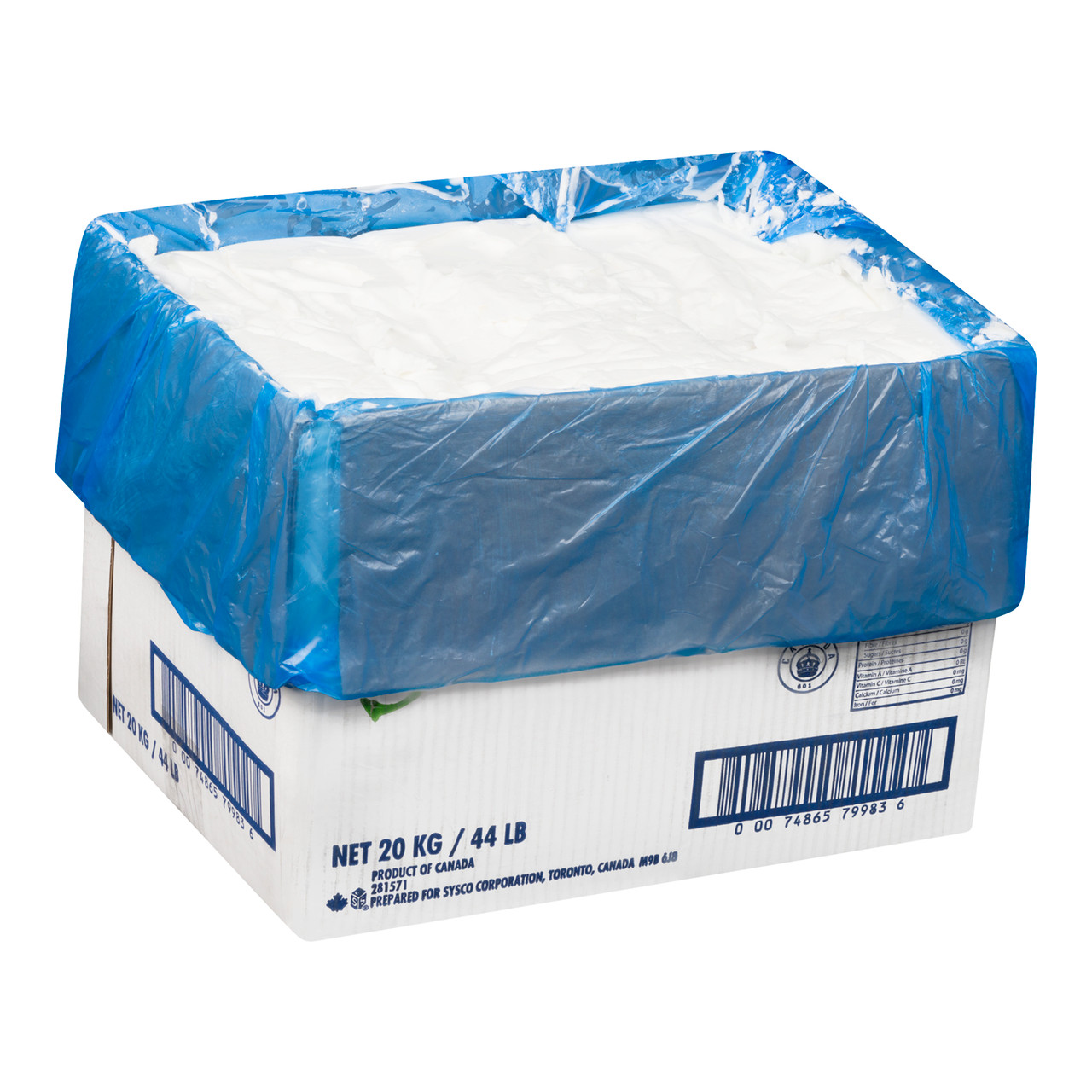
Solid shortening cubes fit neatly in commercial coolers without leaking. Liquid oils require sealed drums that take up more floor space. Solid forms offer better stackability for compact kitchen environments.
Canadian Sourcing Benefits
Local supply chains reduce transit delays and spoilage risks. Buying from Canadian wholesalers ensures product freshness and supports regional agriculture networks. This reliability keeps your service running smoothly every day.
Waste Reduction Strategies
Filtering used tallow extends its usable life considerably. Proper maintenance allows you to fry more batches before replacement. This practice lowers overall consumption rates and minimizes environmental impact from waste disposal.
Menu Versatility Options
While tallow shines for savory items, neutral oils work best for delicate flavors. Having both options allows you to cater to diverse dietary preferences and maintain quality across all menu categories effectively.
Why Tallow Remains A Kitchen Staple
Exploring the historical and practical reasons for using animal fats in commercial frying operations today.
Beef tallow has served as a primary cooking fat for generations due to its stability under heat. It withstands high temperatures without breaking down quickly into harmful compounds. This durability makes it ideal for busy food trucks that fry continuously throughout the day. The solid form at room temperature also simplifies handling and storage logistics.
Unlike liquid oils, tallow does not splash as easily when food enters the hot bath. This safety feature protects kitchen staff from burns during high-volume service periods. The fat coats food evenly, creating a crispy exterior that retains moisture inside. Many customers associate this texture with authentic, traditional fried foods they crave.
Comparing Bulk Purchase Economics
Breaking down the initial investment versus long-term savings of bulk tallow versus standard vegetable oils.
Initial purchase prices for bulk shortening may appear higher than common canola blends. However, the extended lifespan of tallow offsets this upfront difference. You change the oil less frequently, which reduces total monthly spending on frying supplies. This economic benefit becomes clear after tracking usage over several months.
Labor costs also decrease when oil changes happen less often. Staff spend more time preparing food and less time managing waste disposal. Efficient operations rely on predictable supply consumption patterns. Bulk buying stabilizes these patterns by providing a consistent, large reserve of frying medium.
Managing Solid Shortening In Kitchens
Practical advice for storing and handling solid beef tallow in compact food truck environments.
Solid cubes of shortening fit efficiently into standard commercial refrigeration units. They do not leak or spill during transport, unlike large liquid containers. This physical stability is essential for mobile vendors who move their kitchens daily. Proper stacking prevents damage and ensures easy access when refilling fryers.
Temperature control remains essential for maintaining fat quality over time. Fluctuating temperatures can cause premature oxidation and off-flavors. Keep the storage area consistent and dry to preserve the integrity of the product. Regular inventory checks help identify any signs of spoilage early.
Impact On Food Taste And Texture
How different frying fats influence the final sensory experience for your customers.
The distinct richness of beef tallow adds depth to fried potatoes and meats. This flavor enhancement creates a memorable dining experience that encourages repeat business. Customers often perceive food fried in animal fats as more authentic and hearty. It aligns well with traditional comfort food expectations in Canadian markets.
Neutral oils like canola allow the natural taste of ingredients to dominate. This option suits seafood or vegetables where subtle flavors are important. Offering variety requires managing multiple fat types in your kitchen inventory. Understanding customer preferences helps you decide which medium serves each menu item best.
Sourcing Reliable Canadian Products
The advantages of partnering with local wholesalers for consistent and fresh cooking supplies.
Local suppliers reduce transit times, keeping products fresher upon arrival. Shorter supply chains also mean fewer disruptions from international shipping delays. Canadian beef tallow meets strict quality controls that guarantee purity and safety. This reliability supports uninterrupted service for busy commercial kitchens.
Supporting regional agriculture strengthens the local economy while ensuring stable supply. Domestic producers adhere to rigorous grading systems that protect consumer health. Building relationships with these vendors can lead to better service and flexible ordering options. Consistency in product quality remains a top priority for operators.
Optimizing Fryer Maintenance And Use
Daily routines that extend oil life and maintain food quality standards.
Regular filtration removes debris that accelerates breakdown and off-flavors. Clean oil fries food more evenly, resulting in consistent quality every time. Investing in good filtering equipment pays off through reduced replacement frequency. Staff training ensures these maintenance steps become part of the daily routine.
Monitoring temperature closely prevents overheating, which damages fat structure rapidly. Using accurate thermometers helps maintain optimal frying conditions throughout service. Adjusting heat based on load size preserves oil integrity. These practices combine to create a cost-effective and high-quality frying operation.
Frying Fat Comparison Chart
Review these attributes to select the best medium for your specific menu needs.
| Fat Type | Smoke Point | Flavor Impact | Storage Form |
|---|---|---|---|
| Beef Tallow | Very High | Rich, Savory | Solid Cube |
| Canola Oil | High | Neutral | Liquid Drum |
| Palm Oil | High | Mild | Semi-Solid |
| Soybean Oil | Medium-High | Neutral | Liquid Drum |
| Coconut Oil | Medium | Distinct | Solid/Liquid |
| Vegetable Shortening | High | Neutral | Solid Cube |
| Peanut Oil | High | Nutty | Liquid Jug |
Browse Commercial Supplies
Explore our wide range of bulk ingredients and kitchen essentials tailored for Canadian operators.




People Also Ask
Real questions buyers search before they order — answered straight.
Does tallow work out cheaper than seed oil once you factor in how long it lasts?
It can, because a well-maintained fryer of tallow often stands up to repeated use before it needs changing, which spreads the cost over more batches. The real figure depends on your volume, your filtering routine, and how hard the fat is worked. Track cost per batch rather than the purchase price alone.
How many times can tallow be reused before it needs replacing?
With regular filtering and correct temperatures, tallow can be reused across many frying sessions, though the exact number depends on what you cook and how heavily. Watch for darkening, off smells, or foaming as signs it is spent. Consistent filtering is the single biggest factor in getting more turns from it.
Does tallow stay usable in the fryer longer than seed oil?
Many operators find tallow holds up well to repeated frying when it is filtered and kept at the right temperature, which can mean fewer changes. Results vary with the food, the load, and how clean you keep it. Good daily care matters more than the fat you start with.
Is tallow practical for a small food-truck fryer?
It can be, but remember tallow is solid when cold, so a truck fryer needs to melt it gently before service and keep it warm between stops. Smaller fryers heat and cool quickly, which suits a busy service but means planning your warm-up time. Once melted, it runs much like liquid oil.
Can frying in tallow be a selling point for a food truck?
For many customers, cooked in tallow signals a traditional, flavour-first approach that can set a truck apart. It pairs well with chips and battered items where the taste difference shows. Keep any wording focused on flavour and tradition, and avoid overstating health benefits.
Is tallow a healthier option to promote than seed oil?
This is contested ground — some diners actively seek tallow, while nutrition advice on saturated fats is still debated, so be careful with health claims in your marketing. It is usually safer to promote flavour, tradition, and frying quality than to make health promises. This is general information, not dietary or medical advice.
What Canadian Food Truck Chefs say
See what other facility managers and chefs say about our service and product quality.
The beef tallow cubes are incredibly convenient for our food truck. They stack neatly in our cooler and provide consistent frying results every day without any leakage issues during transport.
We switched to bulk canola oil for better storage efficiency. The large drums last longer and reduce our ordering frequency significantly. Delivery has been reliable and the product quality remains high.
Arctic Gardens products offer great value for bulk purchasing. The corn and beets are fresh and save us prep time. Their packaging is practical for our commercial kitchen workflow needs.
Bulk Fat Storage: Frequently Asked Questions
The following operator questions are answered with cited sources. Every FAQ links to the community thread, buyer guide, or regulator page it was researched from.
How do food trucks put frying fat into cost per fry when beef tallow runs dearer than liquid fry oil?
Products referenced:
- Sysco Classic Creamy Frying Oil - Premium - 16LT - 35.2 LBS
Source: Frying oil in food cost?!? How do you add oil when pricing a recipe when ... : r/foodtrucks
What does bulk beef tallow cost per pound for a Canadian food truck buying 20 kg cubes?
Products referenced:
- Sysco Canadian Beef Tallow Shortening Cube - Bulk Food Service, 20kg/44lbs
- Canbra Foods HiLo Canola Oil - Premium Frying Oil Blend - 17.3LT (15.5 kg / 34.2 lbs)
Is filtering used fryer fat actually cheaper than dumping and refilling with fresh tallow?
Products referenced:
- Sysco Reliance Beef Tallow Shortening Cube - Bulk Food Service, 20kg/44lbs
How often should a food truck change the beef tallow in its fryer?
Products referenced:
- Gordon Beef Blended Tallow Frying Shortening 20kg Cube
Source: How often do y'all change out the oil on your deep fryers? : r/KitchenConfidential
How long does a bulk pail or cube of beef tallow keep before it goes rancid?
Products referenced:
- Real Good Kitchen Premium Rendered Angus Beef Tallow 794g
Source: A few questions about frying with tallow : r/AskCulinary
What smoke point should commercial beef tallow have for deep frying fries and chicken?
Products referenced:
- Sysco Canadian Beef Tallow Shortening Cube - Bulk Food Service, 20kg/44lbs
Source: Help tallow smoking at low temperatures : r/AskCulinary
Does a 20 kg tallow cube need refrigeration after delivery on a food truck?
Products referenced:
- Sysco Reliance Beef Tallow Shortening Cube - Bulk Food Service, 20kg/44lbs
Is bulk beef tallow still permitted for commercial frying under Canadian trans fat rules?
Products referenced:
- Sysco Canadian Beef Tallow Shortening Cube - Bulk Food Service, 20kg/44lbs
- Sysco Classic Creamy Frying Oil - Premium - 16LT - 35.2 LBS
Source: Notice of Modification - Prohibiting the Use of Partially Hydrogenated Oils in Foods - Canada.ca
Related guides from ChickenPieces
Why Choose Our Supply Network
We prioritize reliability, quality, and compliance to support your daily operational success.
Local Sourcing
Our products come from trusted Canadian suppliers. This reduces transit times and ensures freshness upon delivery to your location.
Bulk Efficiency
Large container sizes lower unit costs significantly. You spend less time ordering and more time focusing on service excellence.
Dedicated Support
Our team understands commercial kitchen needs. We provide personalized assistance to help you select the right products for your menu.
Regulatory Compliance
All items meet Health Canada and CFIA standards. This guarantees safety and quality for your customers and protects your business reputation.
Request Your Custom Quote Today
Contact our sales team to discuss your specific bulk needs. We will provide a tailored solution that fits your operational requirements perfectly.
Request a Quote