
2026 May 18th
Condensed vs Evaporated Milk: Essential Canadian Wholesale
Evaporated milk is unsweetened with water removed, ideal for cooking and creamy sauces. Condensed milk contains added sugar, making it thick and sweet for desserts. Choose based on your specific culinary needs.
Condensed vs Evaporated Milk: Essential Canadian Wholesale Guide for Property Managers
Property managers and Airbnb hosts can streamline inventory by understanding these two distinct dairy products, ensuring your kitchen operations run efficiently without waste or confusion.
Key Takeaways
Review these key points to stock the right dairy products for your commercial kitchen requirements.
Sugar Content Differences
Evaporated milk contains no added sugar, making it suitable for savory dishes. Condensed milk has significant sugar added, creating a sweet profile perfect for baking and dessert preparations in your facility.
Texture and Consistency
Evaporated milk remains liquid when opened, similar to regular milk but thicker. Condensed milk is viscous and sticky due to sugar content. Understanding this helps prevent misuse in recipes and ensures proper storage handling.
Storage Requirements
Unopened cans of both products are shelf-stable for long periods. Once opened, evaporated milk requires refrigeration like fresh dairy. Condensed milk also needs refrigeration after opening to maintain quality and prevent spoilage.
Culinary Applications
Use evaporated milk in soups, sauces, and coffee for richness without sweetness. Reserve condensed milk for sweet treats like fudge, pies, and glazes. Selecting the correct product prevents recipe failures and customer complaints.
Nutritional Profile
Evaporated milk offers similar nutrients to regular milk but with less volume. Condensed milk is high in calories and sugar due to added sweeteners. Consider your facility's dietary guidelines when choosing which product to stock.
Bulk Purchasing Benefits
Buying these dairy staples in bulk reduces order frequency and ensures consistent supply. Wholesale pricing provides better value for large-scale operations. Stocking both types covers all culinary bases for your property management needs.
Understanding Dairy Processing Methods
Learn how water removal changes milk properties and shelf life for commercial use.
Evaporated milk undergoes a process where approximately sixty percent of the water is removed from fresh milk. This reduction concentrates the nutrients and changes the texture without altering the fundamental dairy profile. The result is a shelf-stable product that requires no refrigeration until opened. It serves as an excellent base for savory recipes.
Condensed milk follows a similar water removal process but includes a critical additional step: adding sugar. This high concentration of sucrose acts as a preservative, allowing the product to remain stable at room temperature. The sugar also creates a distinctively thick and viscous consistency. It is primarily used in sweet applications.
Both products offer significant advantages for facility managers who need reliable pantry staples. They eliminate the daily spoilage risk associated with fresh milk deliveries. This reliability supports consistent menu planning and reduces waste management challenges. Stocking these items ensures your kitchen always has essential dairy components available.
Selecting the Right Product for Menus
Determine which milk type fits your specific culinary requirements and guest expectations.
Evaporated milk excels in savory cooking applications where a creamy texture is desired without added sweetness. It blends smoothly into soups, casseroles, and pasta sauces, enhancing richness without altering flavor profiles negatively. Many property managers stock this item for coffee stations and breakfast buffets. It provides a familiar taste experience for guests.
Condensed milk is indispensable for dessert preparation and sweet beverage creation. Its intense sweetness reduces the need for additional sugar in recipes like pies, fudge, and caramel sauces. This efficiency speeds up food preparation during high-volume service periods. Guests often appreciate homemade desserts that make effective use of this premium ingredient.
Understanding these distinctions prevents costly recipe errors and ensures guest satisfaction. Using the wrong product can ruin a dish or create an unpleasant eating experience. Training kitchen staff on proper usage is essential for maintaining quality standards. Clear documentation helps new hires adapt quickly to your facility's operational protocols.
Managing Inventory and Shelf Life
Implement best practices for storing open and unopened dairy products in commercial settings.
Unopened cans of both evaporated and condensed milk should be stored in cool, dry places away from direct sunlight. Proper storage conditions extend shelf life significantly, allowing you to stock larger quantities without fear of spoilage. This stability is vital for facilities with fluctuating guest numbers. It ensures you always have ingredients on hand.
Once opened, evaporated milk must be treated like fresh dairy. Refrigerate it promptly and use within three to five days for optimal quality. Condensed milk also requires refrigeration after opening due to its high sugar content attracting moisture. Adhering to these guidelines prevents food safety issues and waste.
Regular inventory checks help identify any cans nearing their expiration dates. Rotate stock using a first-in-first-out method to ensure older items are used before newer ones. This practice minimizes financial loss from spoiled goods. Efficient inventory management supports a cleaner and more organized kitchen environment.
Evaluating Value for Bulk Purchases
Assess how wholesale purchasing impacts your overall operational budget and supply chain.
Purchasing dairy products in bulk often yields significant savings compared to buying individual units. Wholesale suppliers offer competitive pricing structures that benefit large-scale operations like hotels and apartment complexes. These savings accumulate over time, impacting your bottom line positively. Reliable supply chains reduce emergency order costs.
Reducing order frequency also saves administrative time and resources. Fewer deliveries mean less disruption to daily operations and lower receiving labor costs. This efficiency allows your team to focus on guest services rather than inventory management. Streamlined processes contribute to a more professional operation overall.
Stable pricing from trusted suppliers helps with accurate budget forecasting. Knowing your dairy costs in advance simplifies financial planning for property managers. It reduces the risk of unexpected expenses due to market fluctuations. Long-term partnerships with suppliers can lead to even better terms.
Ensuring Consistent Product Quality
Verify that your dairy supplies meet high standards for taste and safety.
High-quality dairy products should have a consistent color, texture, and flavor profile. Evaporated milk must be smooth without clumps, while condensed milk should be uniformly thick. Variations in quality can indicate improper storage or handling issues. Sourcing from reputable brands guarantees reliable performance in your kitchen.
Trusted suppliers adhere to strict quality control measures throughout the production process. This diligence ensures that every batch meets established safety and taste standards. You can rely on these products to deliver consistent results for your guests. Consistency builds trust and enhances your property's reputation.
Regular feedback from kitchen staff helps monitor product performance over time. If issues arise, addressing them promptly with your supplier maintains service levels. Open communication fosters a collaborative relationship focused on mutual success. Prioritizing quality supports long-term operational excellence.
Partnering with Local Wholesale Suppliers
Take advantage of regional benefits by choosing suppliers based in Canada for faster delivery.
Choosing a local supplier like ChickenPieces.com offers distinct logistical benefits. Calgary-based operations can provide quicker turnaround times for orders within Alberta and surrounding regions. This speed is invaluable for urgent restocking needs or unexpected demand spikes. Local support ensures responsive communication channels.
Canadian suppliers understand domestic regulations and food safety standards thoroughly. They handle compliance requirements efficiently, reducing administrative burdens for your facility. This expertise ensures all products meet provincial and federal guidelines. You gain peace of mind knowing your supplies are fully compliant.
Building a relationship with a dedicated account manager enhances service quality. Personalized support helps tailor product selections to your specific needs. Proactive advice on trends and promotions adds value beyond simple transactions. This partnership approach supports sustainable growth for your property management business.
Comparing Condensed and Evaporated Milk Attributes
Review this table to quickly distinguish between product features for accurate purchasing decisions.
| Feature | Evaporated Milk | Condensed Milk | Key Takeaway |
|---|---|---|---|
| Sugar Content | No added sugar | High sugar content | Choose based on sweetness needs |
| Consistency | Liquid, slightly thick | Viscous, sticky | Texture affects recipe outcomes |
| Shelf Stability | Stable until opened | Stable until opened | Both require refrigeration after opening |
| Primary Use | Savory dishes, coffee | Desserts, sweet sauces | Do not substitute interchangeably |
| Caloric Density | Moderate calories | High calories | Consider dietary implications |
| Packaging Size | Various bulk options | Various bulk options | Select size based on usage volume |
| Brand Availability | Carnation, others | Eagle Brand, others | Stock preferred brands for consistency |
Browse Our Dairy Selection
Explore our comprehensive range of dairy products designed for commercial kitchen efficiency.





People Also Ask
Real questions buyers search before they order — answered straight.
What is the point of using evaporated milk?
Evaporated milk is fresh milk with about 60 percent of its water gently removed, which concentrates the flavour and gives a richer, creamier body than ordinary milk. Because it is canned and shelf-stable, an operator can hold a reliable dairy supply without fridge space or the spoilage risk of fresh milk. It adds richness to sauces, soups, and hot drinks without the sweetness of condensed milk, making it a versatile back-of-house staple.
How is evaporated milk made?
Fresh milk is heated under a vacuum so roughly half the water evaporates, then it is homogenised and sealed in cans before being sterilised with heat. That final heat step is what gives evaporated milk its slightly cooked taste and its long unopened shelf life. Nothing is added, which is the key difference from condensed milk, where sugar is stirred in.
Can evaporated milk be used instead of heavy cream?
Yes, evaporated milk is a common lower-fat stand-in for cream in savoury cooking, and you can usually swap it in cup for cup in sauces and soups. It will not whip into stiff peaks like cream, though chilling it well first lets it foam a little for lighter uses. For a richer result, stir a small knob of butter into the evaporated milk to lift the fat closer to cream.
What can you substitute for a can of evaporated milk when you run out?
The quickest swap is to simmer regular milk until it reduces by roughly half, which mimics the concentration of evaporated milk. Equal parts fresh milk and cream, or a splash of half and half, also works well in most recipes. For a dairy-free kitchen, a reduced or barista-style plant drink gives a similar body and keeps the dish suitable for lactose-free guests.
Will evaporated milk thicken sauces and soups?
Yes, because the water has already been removed, evaporated milk adds body and a silky finish to sauces, soups, and gravies without watering them down. Add it towards the end of cooking and keep the heat gentle, as a hard boil can cause any milk to split. If you need it thicker still, let the dish reduce a little longer or whisk in a small amount of starch slurry.
How much evaporated milk is in a standard can?
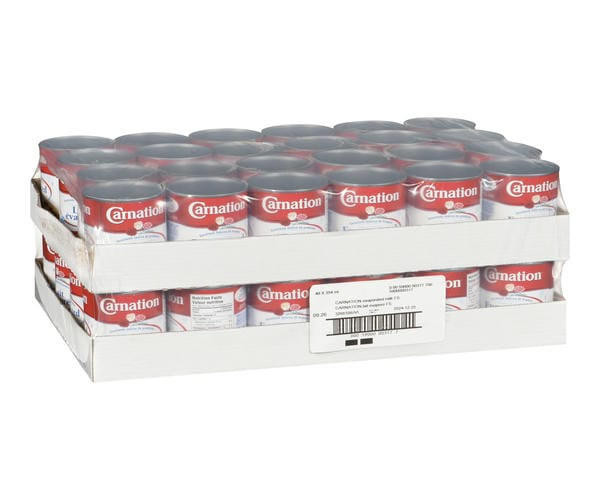
A standard can of evaporated milk holds about 354 millilitres, and smaller cans of around 160 millilitres are also common for lighter use. Knowing the tin size makes it easy to scale recipes and plan bulk orders for a busy kitchen. Buying a case of a single size keeps your prep consistent and cuts down on part-used tins going to waste.
What Canadian Facility Operators say
Read feedback from property managers who rely on our supply chain for their daily operations.
Switching to bulk evaporated milk reduced our weekly orders significantly. The consistency is perfect for our breakfast buffet coffee station, and guests love the rich taste without any spoilage issues.
The condensed milk quality from Eagle Brand is outstanding. Our pastry chef uses it for desserts, and the sweetness level is exactly right. Bulk pricing helped us stay within budget this quarter.
Fast delivery to our Vancouver location was impressive. The packaging arrived intact, and the shelf life gives us plenty of time to use the product. Reliable supply means less stress for my team.
Common Dairy Questions: Frequently Asked Questions
The following operator questions are answered with cited sources. Every FAQ links to Health Canada, CFIA, Canada.ca, or another authoritative regulator.
What is the main difference between sweetened condensed milk and evaporated milk?
Can I substitute evaporated milk for condensed milk in baking?
Source: Sweetened condensed milk vs. evaporated milk - r/AskBaking
What baking recipes use condensed milk vs evaporated milk?
Source: Condensed Milk vs Evaporated Milk - WebstaurantStore
How to make sweetened condensed milk from evaporated milk?
Is condensed milk or evaporated milk healthier?
How do I use evaporated milk as a regular milk substitute?
Source: Milk Substitutes for Baking and Cooking - The Spruce Eats
Does evaporated milk need to be refrigerated after opening?
Source: Difference between condensed and regular milk - Quora
What are the best breakfast/cafe menu items using condensed milk?
Source: Best Condensed Milk Brands for Vietnamese Coffee - Nam Coffee
What is the difference in taste between condensed and evaporated milk?
Where can Canadian cafes buy bulk condensed and evaporated milk?
Related guides from ChickenPieces
Why Choose Our Supply Partner
We provide reliable wholesale solutions tailored to Canadian facility management needs with consistent quality.
Local Calgary Base
Our Alberta location enables rapid shipping across the region. You receive faster delivery times and better communication support for urgent orders and inventory adjustments.
Bulk Pricing Options
We offer competitive rates for large-volume purchases. Save on essential dairy staples while maintaining high quality standards for your guests and operational efficiency.
Dedicated Support Team
Our knowledgeable staff assists with product selection and order management. Personalized service ensures you find the right solutions for your specific facility requirements.
Regulatory Compliance
All products meet strict Health Canada and CFIA guidelines. You can trust our supplies are safe, compliant, and suitable for commercial food service environments without risk.
Request Your Custom Quote Today
Contact us to discuss your specific dairy supply needs. We will provide a tailored quote that fits your budget and operational goals.
Request a QuoteReferences: Health Canada - Food Chemical Contaminants CFIA - Food Safety for Industry.