
 US Dollar (USD)

2026 Jul 18th
Compostable Packaging Facts: Home Versus Industrial
Home composting requires items to break down in backyard piles with moderate heat. Industrial facilities provide high temperatures needed for certified materials. Most labeled compostable products require industrial processing to decompose fully within standard timeframes.
Compostable Packaging Facts: Home Versus Industrial Breakdown In Canada
Property managers and facility operators need clear guidance on composting standards to manage waste streams effectively while meeting environmental goals for their operations.
Key Takeaways
Key points regarding waste management and material selection include the following details.
Certification Matters Most
Look for specific certification labels to ensure materials meet local processing requirements. Without proper verification, items may not break down correctly in your chosen system.
Industrial Heat Needed
Many compostable plastics and fiber products require high-temperature environments found only in commercial facilities. Backyard piles often lack the necessary sustained heat for full decomposition.
Check Local Rules
Municipal regulations vary significantly across Canadian provinces. Always verify with your local waste management provider before purchasing compostable supplies to avoid contamination issues.
Bagasse Is Reliable
Sugarcane fiber products generally perform well in both settings but degrade faster industrially. They offer a durable alternative to plastic without the long-term environmental persistence.
Avoid Contamination Risks
Mixing non-compostable items with certified materials can ruin entire batches. Train staff thoroughly on sorting procedures to maintain stream integrity and processing efficiency.
Plan Volume Carefully
Assess your actual waste volume before switching systems. Industrial composting services often have minimum volume requirements that small properties may not consistently meet.
Understanding Compost Terminology Clearly
Clear definitions help buyers select appropriate materials for their specific waste management infrastructure and goals.
The term compostable often causes confusion among property managers. It does not mean an item will disappear in a backyard pile within weeks. True compostability requires specific conditions including heat, moisture, and microbial activity. Most consumer products labeled as compostable are designed for industrial facilities only.
Industrial composting sites maintain temperatures above fifty-five degrees Celsius consistently. This high heat accelerates the breakdown of complex materials like certain bioplastics and thick fibers. Home piles rarely reach these temperatures except in the very center during hot summer months. Consequently, many items remain intact for years in residential settings.
Understanding this distinction is vital for accurate waste diversion reporting. If you claim compostable waste diversion but send industrial-only items to home composters, you risk contamination penalties. Proper labeling and staff education ensure that materials end up in the correct processing stream every single time.
Canadian Standards For Organic Waste
National standards guide manufacturers and users on what qualifies as truly compostable material within Canadian regulatory frameworks.
Canada has established clear guidelines for organic waste management. These standards define the timeframe and conditions under which materials must break down. They also specify limits on toxic residues left behind after decomposition. Adhering to these rules protects soil health and ensures safe return of nutrients.
Manufacturers must test their products rigorously to claim compliance. This testing involves simulated industrial composting environments over several months. The results determine whether a product can carry official certification marks. Buyers should look for these marks to validate supplier claims about environmental benefits.
Different provinces may have additional local requirements for waste processing. Some municipalities restrict certain materials even if they meet national standards. It is important to stay informed about regional variations. Consistent compliance avoids rejection at transfer stations and maintains your facility's green credentials.
Common Materials And Their Fate
Different compostable materials behave differently depending on the processing environment and available decomposition time.
Paper and cardboard products typically break down well in most environments. They are made from natural fibers that microbes consume easily. However, coated papers or those with heavy inks may slow the process. Unbleached and uncoated options provide the fastest decomposition rates for your waste stream.
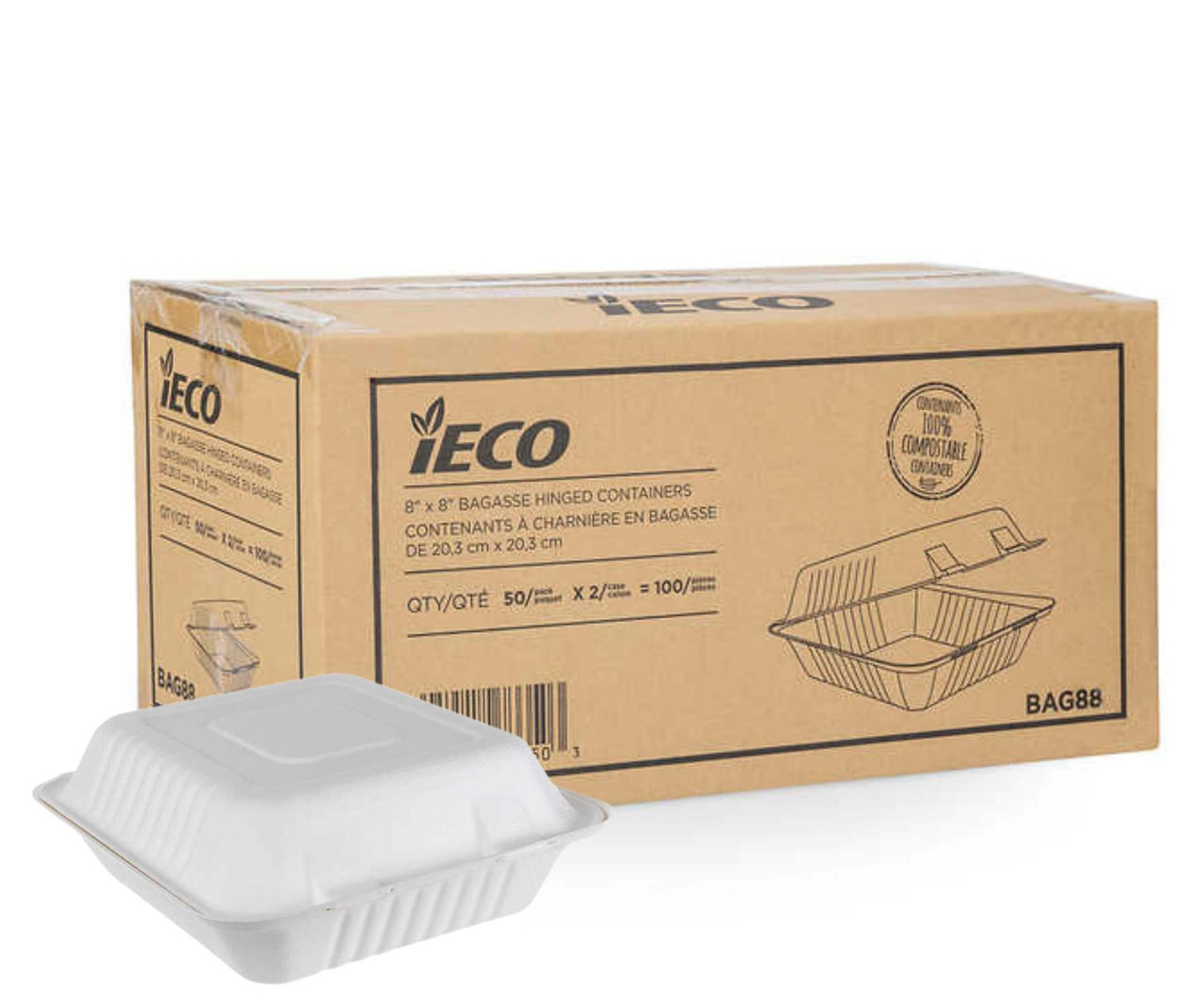
Bagasse, derived from sugarcane fiber, is a popular choice for containers. It withstands heat and moisture better than paper. While it can compost at home, it takes significantly longer. Industrial facilities handle bagasse efficiently due to higher temperatures and mechanical processing aids.
Bioplastics like PLA present unique challenges. They look like conventional plastic but require industrial heat to melt and break down. In a home pile, they remain largely unchanged for years. Mixing them with traditional compost creates contamination problems that facilities must address.
Managing Waste Streams Effectively
Effective waste management requires clear signage and consistent staff training to prevent cross-contamination of streams.
Separating waste correctly at the source is critical. Contamination occurs when non-compostable items enter the organic stream. This can cause entire loads to be rejected by processors. Implementing clear signage and regular staff checks helps maintain purity of your compostable collection bins.
Training programs should cover identification of acceptable materials. Employees need to recognize certification logos and understand material limits. Regular refreshers ensure that new hires follow established protocols. Consistent practices lead to higher diversion rates and lower disposal costs over time.
Monitoring bin contents helps identify recurring issues. If you see frequent contamination, adjust your signage or product selection. Sometimes the problem lies with ambiguous packaging labels. Choosing clearly marked products reduces confusion for both staff and guests.
Choosing Right Products For You
Selecting appropriate compostable supplies depends on your facility type, waste volume, and local processing capabilities.
Assess your current waste infrastructure before making changes. If you lack access to industrial composting, focus on home-compostable options. These include plain paper, untreated wood, and some bagasse products. Avoid complex bioplastics unless you have confirmed processing access.
Consider the durability needs of your operation. High-traffic areas may require sturdier containers that still meet composting standards. Bagasse offers excellent strength while remaining eco-friendly. Balance performance with environmental goals to satisfy both operational and sustainability targets.
Partner with suppliers who understand Canadian regulations. They can provide guidance on product suitability for your specific region. Reliable partners offer consistent stock and clear documentation. This support simplifies compliance efforts and ensures you receive products that truly decompose as advertised.
Measuring Environmental Impact Accurately
Accurate tracking of waste diversion helps demonstrate commitment to sustainability goals and regulatory compliance.
Tracking your waste diversion rates provides valuable insights. It shows progress toward sustainability targets and identifies areas for improvement. Use data to justify investments in better infrastructure or staff training programs. Transparent reporting builds trust with stakeholders and regulators alike.
Set realistic goals based on your current capabilities. Gradual improvements are more sustainable than drastic changes that fail quickly. Celebrate small victories along the way to maintain momentum. Engage your team in these efforts to foster a culture of responsibility.
Review your performance regularly against industry benchmarks. Identify opportunities to reduce contamination further or increase diversion percentages. Continuous evaluation ensures that your waste management strategy remains effective and relevant. Adaptation is key to long-term success in this field.
Comparison Of Compostable Options
This table compares common compostable materials across key performance indicators for decision making.
| Material Type | Home Compostable | Industrial Required | Durability |
|---|---|---|---|
| Paper Plates | Yes | No | Low |
| Bagasse Containers | Slow | Fast | High |
| PLA Cups | No | Yes | Medium |
| Wooden Spoons | Yes | No | Medium |
| PBAT Films | No | Yes | Low |
| Cellulose Bags | Yes | No | Low |
| Starch Blends | Variable | Fast | Medium |
Browse Certified Compostable Supplies
Explore our complete range of verified compostable products suitable for various Canadian facility needs.


What Canadian Facility Managers say
Feedback from operators across Canada highlights the reliability and performance of these sustainable supplies.
Switching to bagasse containers reduced our plastic waste significantly. Staff found them easy to sort correctly, and guests appreciated the eco-friendly approach without noticing any drop in quality or durability.
The compostable bags handle wet waste well without leaking. Our industrial partner confirmed they break down quickly. It has simplified our waste stream management and helped us meet our diversion targets consistently.
We needed sturdy plates for outdoor events. These paper options held up surprisingly well against rain and handling. They composted properly in our designated bins, proving that sustainable choices can be practical too.
Common Questions: Frequently Asked Questions
Can I compost these items at home?
Only specific materials like plain paper and untreated wood break down reliably in home piles. Most certified compostable products require industrial heat. Check labels for home-compostable certification marks to be sure before purchasing.
How long does decomposition take?
Industrial facilities typically process materials within ninety to one hundred eighty days. Home composting takes much longer, often several months to years depending on conditions. Proper sorting ensures timely breakdown in the correct environment.
What happens if I mix plastics?
Mixing non-compostable plastics contaminates the entire batch. This can lead to rejection by processors and increased disposal costs. Strict separation protocols are essential to maintain stream integrity and avoid environmental harm.
Are these products safe for food?
All food-contact items meet relevant safety standards for handling consumables. They are free from harmful toxins that could leach into food. Always verify specific product certifications if you have strict dietary or regulatory concerns.
Do they hold up in microwaves?
Bagasse and molded fiber containers generally handle microwave heat well. They resist melting and warping better than some bioplastics. Check individual product specifications for maximum temperature limits to ensure safe usage.
Is there a minimum order quantity?
Order requirements vary by product type and supplier agreements. Bulk cases offer better value for high-volume operations. Contact our team to discuss specific needs and available options for your facility size.
How do I verify certification claims?
Look for recognized logo marks on packaging such as CSA or BPI. Reputable suppliers provide documentation upon request. Do not rely solely on terms like biodegradable which lack standardized definitions and verification processes.
Can these go in regular trash?
While they can, this defeats the purpose of choosing compostable options. They are designed to return nutrients to soil. Diverting them from landfill maximizes their environmental benefit and supports circular economy principles.
What sizes are available for bags?
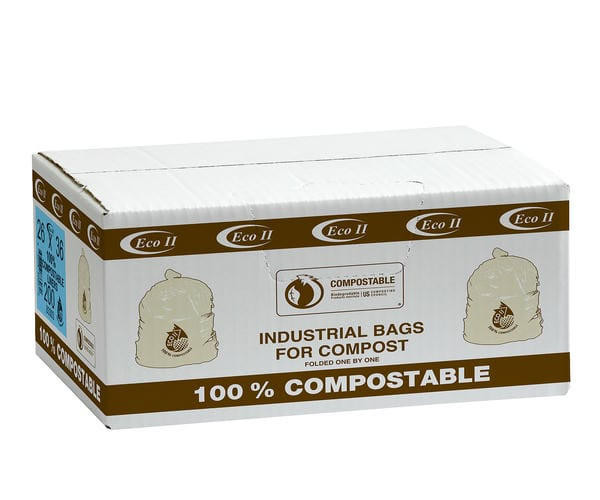
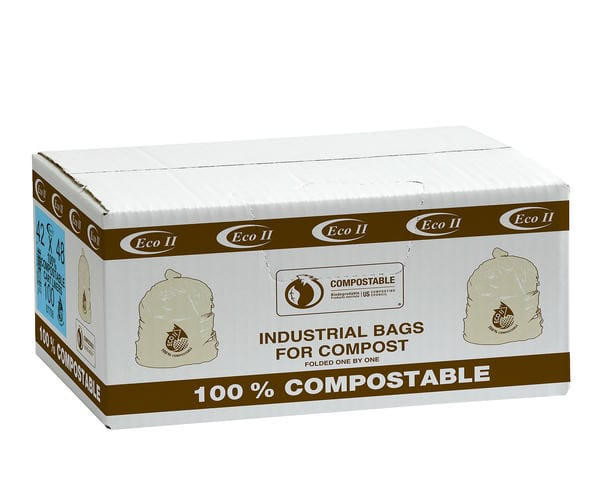
We stock various dimensions including regular duty sizes for general waste. Larger formats suit heavy-duty needs in facilities. Ensure you select the correct size to prevent overfilling or inefficient use of materials.
How do you calculate shipping on bulk orders?
We calculate shipping on live carrier rates at checkout, not on flat or subsidized tiers. Every order is priced against real LTL, parcel, or pallet-freight quotes from our Calgary warehouse to your dock. That means you never absorb hidden shipping costs into product margins — what we charge is what the carrier charges us, plus a small handling pass-through. For bulk and pallet orders this typically runs 15–25% lower than competitors who bake shipping into their unit prices, because the rate is transparent and tied to the actual shipment weight and distance.
Related guides from ChickenPieces
Why Choose ChickenPieces
We provide reliable supply chain solutions tailored for Canadian property management and facility operations needs.
Calgary Based Support
Our local warehouse enables rapid dispatch across Western Canada. You receive consistent stock levels and personalized assistance from a team that understands regional requirements.
Verified Sustainability
We carefully curate products with genuine certifications. This ensures you avoid greenwashing risks and meet strict environmental reporting standards with confidence in every order placed.
Bulk Efficiency
Large case quantities reduce ordering frequency and administrative overhead. Our streamlined process helps you maintain optimal inventory levels without excessive storage or handling costs associated with small orders.
Regulatory Compliance
All food-contact items meet Health Canada standards for safety and quality. We ensure full compliance with relevant regulations to protect your operations from liability issues related to product sourcing.
Sources & further reading
- Reducing plastic waste in Canada — Environment and Climate Change Canada
- Single-use plastics prohibition: overview — Environment and Climate Change Canada
Request A Supply Quote Today
Contact our team to discuss your specific volume requirements and sustainability goals. We will provide a tailored proposal for your facility's ongoing needs.
Request a Quote