
 US Dollar

2026 Jul 6th
Bulk Basmati Rice & Grains for Canadian Food Service: The
Sourcing bulk grains requires checking shelf life and volume consistency. We provide aged basmati, sushi rice, and flours that meet strict Canadian standards for food service operations.
Bulk Basmati Rice & Grains for Canadian Food Service: The B2B Buyer's Guide
This resource helps property managers and facility operators source consistent grain supplies for high-volume kitchens with ease and reliability.
Key Takeaways
Key points for selecting the right grain supply partners include these essential factors.
Check Shelf Life
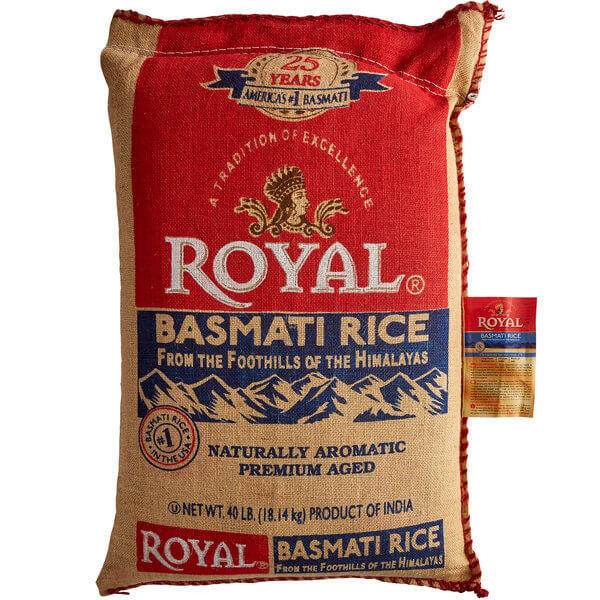
Aged basmati rice cooks better and stores longer. Verify production dates to ensure freshness upon arrival at your facility kitchen.
Verify Origin Details
Know where grains come from. Canadian-made products often mean shorter supply chains, reducing risk and ensuring higher quality control standards.
Assess Bulk Volume
Large cases reduce ordering frequency. Calculate your weekly usage to determine if 18kg or 40lb bags fit your storage capacity needs.
Review Packaging Types
Vacuum-sealed pouches protect against moisture and pests. Ensure packaging integrity matches your warehouse conditions for optimal grain preservation.
Confirm Dietary Needs
Organic options like Simply Milled flour cater to specific customer requests. Having diverse stock helps you meet various dietary requirements easily.
Plan Menu Versatility
Grains like rice and noodles support multiple cuisines. Stocking versatile items allows quick menu changes without needing new supplier approvals.
Proper Storage for Bulk Grains
Keeping grains dry and cool prevents spoilage and maintains texture for optimal cooking results.
Bulk grains require careful handling in commercial kitchens. Moisture is the biggest enemy of rice and flour storage. Ensure your storage area has proper ventilation to prevent humidity buildup. Use sealed containers if you open large bags incrementally. This practice keeps pests out and maintains freshness for longer periods.
Temperature control matters significantly for grain quality. High heat can cause rancidity in oils present within seeds. Aim for a cool, stable environment away from cooking equipment. Rotate stock using first-in-first-out methods to avoid old inventory sitting too long. Regular checks help identify any packaging issues early on.
Pest management is critical when storing dry goods. Keep storage areas clean and free of spills. Inspect incoming shipments for signs of damage or infestation before stocking shelves. Using pest-proof bins adds an extra layer of protection. These steps ensure your grain supply remains safe and usable throughout its shelf life.
Identifying Premium Grain Quality
Look for consistent grain size, clear packaging, and reputable sourcing information on every bulk product.
Visual inspection is the first step in quality assurance. High-quality basmati should have long, slender grains with minimal breakage. Broken pieces cook faster and can become mushy. Check for uniform color and absence of discoloration. These signs indicate proper aging and handling during the supply chain process.
Packaging integrity reflects supplier care standards. Sealed bags prevent contamination from dust or insects. Look for clear labeling with batch numbers and expiry dates. Transparent information allows you to track freshness accurately. Reputable suppliers prioritize clear communication about product origins and processing methods used.
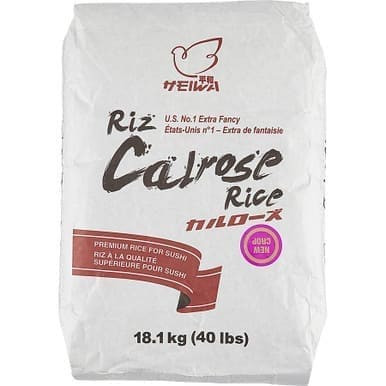
Texture plays a vital role in final dish success. Sushi rice needs specific stickiness while basmati requires separation. Understanding these differences helps select the right grain for each menu item. Testing small batches before full orders ensures consistency. This approach minimizes waste and improves customer satisfaction with meal textures.
Reliable Supply Chain Management
Consistent delivery schedules prevent kitchen disruptions and ensure you always have essential ingredients in stock.
A stable supply chain is vital for food service operations. Delays can halt menu offerings and disappoint customers. Choose suppliers with proven track records of timely delivery. Local warehouses in Canada often offer faster response times than international sources. This proximity reduces transit risks and improves inventory predictability.
Communication channels must remain open with your provider. Regular updates on stock levels help plan purchases effectively. Ask about backup options if primary shipments face delays. Flexibility in ordering processes accommodates sudden menu changes or event needs. Strong partnerships lead to better service during critical times.
Documentation should accompany every shipment for accountability. Verify contents against invoices immediately upon receipt. Report discrepancies promptly to resolve issues quickly. Maintaining records helps analyze usage patterns over time. Data-driven decisions optimize future purchasing strategies and reduce unnecessary inventory holding costs.
Integrating Grains Into Menus
Versatile grains allow creative menu development while catering to diverse dietary preferences and cultural tastes.
Grains form the foundation of many global cuisines. Incorporating them adds substance and nutrition to meals. Basmati rice works well in curries and pilafs. Sushi rice supports delicate fish presentations. Understanding how each grain behaves helps chefs create balanced dishes that satisfy diverse palates effectively.
Dietary restrictions require careful ingredient selection. Gluten-free options like rice and noodles are essential for celiac guests. Organic flours cater to those seeking natural products. Labeling menus clearly builds trust with health-aware consumers. Providing variety ensures all guests feel accommodated without compromising on flavor or quality standards.
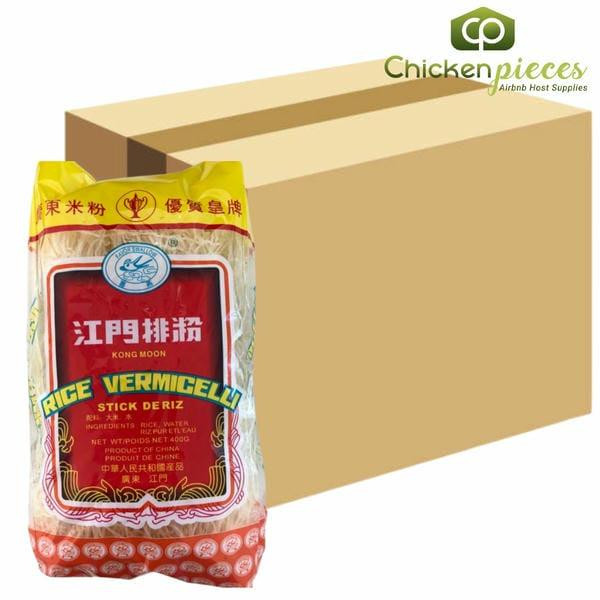
Seasonal trends influence grain popularity in menus. Summer might see more cold noodle salads using vermicelli. Winter could feature hearty rice porridges or warm flatbreads made from strong flour. Adapting offerings keeps the menu fresh and engaging. Staying informed about food trends helps maintain relevance in competitive markets.
Meeting Canadian Food Standards
Adhering to local regulations ensures safety and legality for all food products served to the public.
Canadian food laws are strict for good reason. They protect consumers from harmful contaminants and ensure fair trade practices. Suppliers must comply with CFIA regulations regarding importation and labeling. Choosing partners who understand these rules reduces legal risks. Compliance is not optional but a fundamental business requirement.
Traceability allows tracking products back to their source. This capability is essential during recalls or quality investigations. Detailed records of batches help isolate affected items quickly. It protects your reputation by demonstrating due diligence. Transparent supply chains build confidence among stakeholders and regulatory bodies alike.
Regular audits verify ongoing compliance with standards. Internal checks catch potential issues before they become problems. Training staff on proper handling procedures reinforces safety culture. Documentation should be updated continuously to reflect current practices. Proactive management ensures long-term operational stability and trust.
Optimizing Grain Inventory Costs
Smart purchasing strategies reduce waste and maximize value without sacrificing quality for your guests.
Efficient inventory management saves resources in kitchens. Tracking usage rates helps predict future needs accurately. Avoid overbuying perishable items that might expire unused. Balance between having enough stock and minimizing waste is key. Regular reviews of inventory levels prevent both shortages and excess accumulation.
Negotiating terms with suppliers can yield benefits. Volume discounts may apply for larger, consistent orders. However, never compromise on quality for short-term savings. Premium grains often deliver better results and fewer complaints. Long-term relationships foster mutual respect and favorable pricing structures naturally.
Technology aids in monitoring stock levels efficiently. Digital tools provide real-time data on consumption patterns. Alerts notify managers when reordering is necessary. This automation reduces human error and ensures timely replenishment. Investing in good systems pays off through improved accuracy and reduced labor hours spent managing inventory manually.
Comparing Bulk Grain Options
Review key attributes to select the best grain for your specific menu requirements.
| Grain Type | Best Use | Shelf Life | Origin |
|---|---|---|---|
| Basmati Rice | Pilafs, Curries | Long | India/Pakistan |
| Sushi Rice | Sushi, Salads | Medium | Japan/Canada |
| Vermicelli Noodles | Soups, Stir-fry | Long | Asia |
| Organic Flour | Baking, Bread | Medium | Canada |
| Coconut Milk | Desserts, Curries | Long | Thailand |
| Pumpkin Spice Puree | Drinks, Baking | Short | Italy |
| Diced Beets | Salads, Sides | Medium | Canada |
Explore Our Grain Selection
Browse our comprehensive range of high-quality grains and related pantry staples designed for commercial kitchens.






What Canadian Kitchen Managers say
Hear from professionals who rely on our supply chain for their daily operations.
The basmati rice consistency is excellent. My guests always compliment the texture in biryani dishes. Delivery arrived exactly when promised, keeping my kitchen running smoothly without interruptions.
Organic flour quality surpassed expectations. Our breads rise perfectly every time. The bulk packaging fits our storage well and reduces ordering frequency significantly for our team.
Sushi rice sticks just right without being gloppy. Staff appreciate the easy handling of large bags. Reliable supply means we never miss a service shift due to missing ingredients.
Grain Sourcing FAQs: Frequently Asked Questions
How do I store bulk rice?
Keep rice in a cool, dry place away from sunlight. Use sealed containers if opening bags frequently to prevent moisture absorption and pest intrusion effectively.
Is aged basmati better?
Yes, aged basmati has lower moisture content which results in longer, separate grains when cooked. It cooks more evenly and offers superior aroma compared to fresh rice varieties.
Can I mix different rices?
Mixing is possible but affects texture. Combine similar types like long-grain varieties for best results. Avoid mixing sushi with basmati as their cooking properties differ significantly.
What is shelf life of flour?
Flour typically lasts six months to a year if stored properly. Organic flour may have shorter shelf lives due to lack of preservatives. Always check packaging dates carefully.
Do you offer organic options?
Yes, we stock various organic grains including flour and rice. These meet strict certification standards ensuring no synthetic pesticides were used during cultivation processes.
How fast is delivery?
Delivery times vary by location but generally range from two to five business days within Canada. Rush options may be available depending on current stock levels and demand.
Are products gluten-free?
Many grains like rice and quinoa are naturally gluten-free. However, cross-contamination risks exist in facilities handling wheat. Check labels for specific allergen warnings before purchasing.
Can I return unused goods?
Returns policy depends on product type and condition. Unopened items in original packaging may be eligible. Contact customer service promptly to discuss specific return requests.
How do I place a large order?
Contact our sales team directly for bulk inquiries. They can assist with custom quotes and logistics planning for significant volume purchases tailored to your needs.
How do you calculate shipping on bulk orders?
We calculate shipping on live carrier rates at checkout, not on flat or subsidized tiers. Every order is priced against real LTL, parcel, or pallet-freight quotes from our Calgary warehouse to your dock. That means you never absorb hidden shipping costs into product margins — what we charge is what the carrier charges us, plus a small handling pass-through. For bulk and pallet orders this typically runs 15–25% lower than competitors who bake shipping into their unit prices, because the rate is transparent and tied to the actual shipment weight and distance.
Related guides from ChickenPieces
Why Choose ChickenPieces
We prioritize reliability, quality, and compliance in every grain product we supply to Canadian food service professionals.
Local Expertise
Based in Calgary, we understand regional needs. Our team provides personalized support and quick responses to ensure your operations run without interruption.
Quality Assurance
Every product undergoes strict quality checks. We source only from reputable manufacturers who adhere to high standards for safety and consistency.
Flexible Ordering
Custom order sizes accommodate varying kitchen demands. Whether you need one case or fifty, our system handles it efficiently without hassle.
Regulatory Compliance
We ensure all products meet Health Canada standards. This includes proper labeling and traceability documentation required for safe food service operations.
Request Your Quote Today
Get customized pricing for your grain needs. Contact our team now to discuss volume discounts and delivery schedules.
Request a QuoteAuthoritative Sources
The following government and public-health sources informed the operator guidance above. Citations to Reddit, Quora, and operator forums appear in the FAQ block above.