
2026 Sep 7th
Wholesale Suppliers for Small Canadian Operators
Sysco suits operators needing vast product variety across remote regions. GFS fits those wanting cash-and-carry flexibility and personal rep relationships. ChickenPieces serves small Canadian operators with no account minimums and no salesrep gatekeeping.
Choosing a Wholesale Supplier for Small Canadian Hospitality Operations
Airbnb hosts, property managers and facility operators in Calgary and across Canada need suppliers that match their scale, not overwhelm it.
Key Takeaways
Six points to guide your supplier decision.
No Order Minimums
Sysco North states explicitly that no order minimums apply, letting small operators buy exactly what they need without overstocking.
Cash-and-Carry Option
GFS Marketplace locations allow fill-in purchases between scheduled deliveries, a channel Sysco does not operate.
Private Ownership Advantage
GFS's family ownership permits longer rep tenures and relationship flexibility versus Sysco's quarterly shareholder pressures.
Multi-Supplier Strategy
Industry best practice runs a primary broadline distributor plus weekly spot comparisons on high-spend items.
Buying Group Access
Groups like Groupex consolidate purchasing power across distributors without requiring operators to switch suppliers.
Regional Specialists
Family-owned distributors like Flanagan and Colabor often provide more personalized service in their coverage areas.
How National Suppliers Serve Small Accounts
Volume and geography shape what Sysco and GFS can offer smaller operators.
Sysco North operates the broadest national reach in Canada, with Perimeter Airlines serving northern communities on two-to-five business day schedules. This matters for remote Airbnb clusters or fly-in lodges that other distributors cannot reach reliably. The company accepts all major credit cards and charges immediately upon order completion, which helps with predictable cash flow but removes the payment float some operators prefer.
GFS runs nine Canadian distribution centres across six provinces, with particular strength in Ontario, Quebec, Alberta and British Columbia. Their network emphasizes on-time delivery in perfect condition, backed by the Gordon Ordering platform for inventory tracking. For small operators, the physical footprint matters less than whether your location falls within efficient delivery radius.
Both distributors rank among Canada's three largest broadline foodservice companies, according to industry coverage. Yet scale creates distance. Sysco's automated systems and technological infrastructure handle volume efficiently but can leave small accounts without dedicated rep attention. GFS counters with personalized support approaches, though this varies by territory and account size.
Cash-and-Carry Versus Delivery-Only Models
How you prefer to buy determines which supplier structure fits.
GFS Marketplace cash-and-carry locations fill a gap that pure delivery distributors cannot address. Operators who run out of gloves, cleaning supplies or guest amenities between scheduled drops can drive to a location and restock immediately. This avoids the over-ordering trap — buying extra inventory simply to meet delivery minimums or fill trucks. For property managers overseeing multiple short-term rentals, this flexibility reduces storage needs across scattered locations.
Sysco lacks this alternative channel entirely. Every purchase routes through delivery scheduling, which suits operators with predictable usage patterns and adequate storage. The trade-off is simplicity: one invoice, one relationship, one quality standard. But it demands advance planning that reactive operators may find constraining.
Smaller alternatives amplify this choice. Prime Restaurant Supply and FoodsUp both operate with no minimum orders, targeting operators who want online purchasing without salesrep gatekeeping. Colabor in Quebec and various regional distributors offer cash-and-carry as well. The pattern is clear: small operators increasingly resist structures built for high-volume restaurant chains.
Specialty Items Versus Staple Consistency
What you sell guests determines which supplier catalog matters more.
Sysco excels in specialty and ethnic products, carrying the deepest catalog for operators with varied or international menus. An Airbnb host offering curated breakfast experiences with global ingredients finds more options here. The breadth extends to equipment and smallwares through partnerships, though dedicated suppliers like Nella Cutlery still lead that category with kitchen design support and multilingual specialists.
GFS particularly strong in produce, dairy and proteins in core markets. Their private ownership allows longer-term supplier relationships that stabilize quality on commodity items. For facility operators feeding consistent groups — senior living residents, healthcare patients, hotel breakfast crowds — this predictability matters more than exotic selection.
The practical reality, confirmed across industry analyses: no distributor carries the best option for every item every week. Savvy operators run a primary broadline relationship for reliability, then compare specific high-spend categories weekly. This multi-supplier approach balances operational simplicity with cost control, though it requires more administrative attention than single-source purchasing.
Setup Friction and Ongoing Access
How easily you can start and maintain supplier relationships varies significantly.
Sysco requires accounts for tax exemptions, with status card numbers needed for eligible Indigenous operators. The setup creates initial friction but streamlines subsequent ordering. GFS similarly operates on account terms, with rep-assigned relationships that can expedite or complicate access depending on territory coverage. Both structures assume ongoing business volume worth the administrative investment.
Contrast this with Prime Restaurant Supply, Nella Cutlery, and ChickenPieces: no account requirements, no minimum orders, immediate online purchasing. For Airbnb hosts operating seasonally or facility managers with irregular demand, this removes a barrier. The trade-off is loss of negotiated pricing, volume rebates, and dedicated rep problem-solving. Operators must self-serve more completely.
Buying groups like Groupex offer a middle path. They consolidate purchasing power across multiple distributors without replacing existing relationships, securing better pricing while maintaining flexibility. For small operators already using Sysco or GFS, this can improve terms without switching suppliers entirely. The model works best for those with enough volume to matter to group negotiations but not enough to command direct distributor attention.
When National Coverage Misses Local Needs
Geography and service style often favour smaller distributors.
Flanagan Foodservice, family-owned since 1977, serves over eight thousand operators across Ontario and Atlantic Canada with GPS-tracked deliveries and electronic proof of delivery. Their Forbes Canada recognition as Best Employer and Best Managed Company suggests operational stability that translates to consistent service. For operators in their footprint, the personalized attention often exceeds what national broadlines provide.
Colabor in Quebec operates cash-and-carry locations alongside delivery, combining GFS's channel flexibility with regional focus. Other provinces have similar specialists: Pratts Food Service nationally, various local distributors in Prairie and Atlantic markets. These alternatives matter because broadline national coverage does not guarantee local execution quality.
For Calgary-based operators specifically, ChickenPieces positions as a regional specialist understanding Alberta's hospitality patterns — seasonal tourism flows, energy sector business travel, mountain destination properties. National distributors serve Calgary efficiently from distribution centres, but their systems optimize for density and frequency that favour larger accounts. Smaller operators may find themselves scheduled inconveniently or routed through less efficient delivery patterns.
Building Your Supplier Stack
Most successful small operators use multiple suppliers strategically.
Start with your operational reality: storage space, ordering frequency, menu variety, guest volume consistency. Remote operators with limited storage and unpredictable occupancy need different structures than urban properties with steady demand and walk-in coolers. Match supplier strengths to these patterns rather than forcing standard approaches.
Consider a primary relationship for reliability — scheduled deliveries of core items — plus supplementary channels for flexibility. GFS cash-and-carry for emergencies, Prime or FoodsUp for no-minimum online ordering, ChickenPieces for Alberta-specific hospitality supplies. Each addition increases administrative load but reduces risk of stockouts or overcommitment to single-source terms.
The ultimate test is guest experience consistency. Suppliers exist to support your operation, not define it. Whether Sysco's breadth, GFS's flexibility, or ChickenPieces's small-operator focus serves you best depends on whether your supplies arrive in condition and timing that let you deliver reliable service. Measure that outcome directly, and let performance data drive your supplier mix more than sales presentations or industry rankings.
Supplier Comparison for Small Canadian Operators
Use this to match supplier characteristics to your operational needs.
| Supplier | Best For | Key Limitation | Ordering Style |
|---|---|---|---|
| Sysco | Remote locations, specialty variety | No cash-and-carry; automated service | Delivery-only, account required |
| GFS | Flexible rep relationships, fill-in buying | Coverage gaps in smaller markets | Delivery + cash-and-carry |
| ChickenPieces | Small operators, no minimums | Limited to Calgary/Alberta region | Online, immediate access |
| Prime Restaurant Supply | Online flexibility, no account | Bolton Ontario based; GTA delivery focus | Public wholesale webstore |
| FoodsUp | Ontario/Quebec restaurants | Limited to 250km from warehouses | Online with combo discounts |
| Flanagan Foodservice | Ontario/Atlantic personalized service | No western Canada coverage | Account-based with GPS tracking |
| Nella Cutlery | Equipment-heavy operations | Not primary food distributor | No minimum, multilingual support |
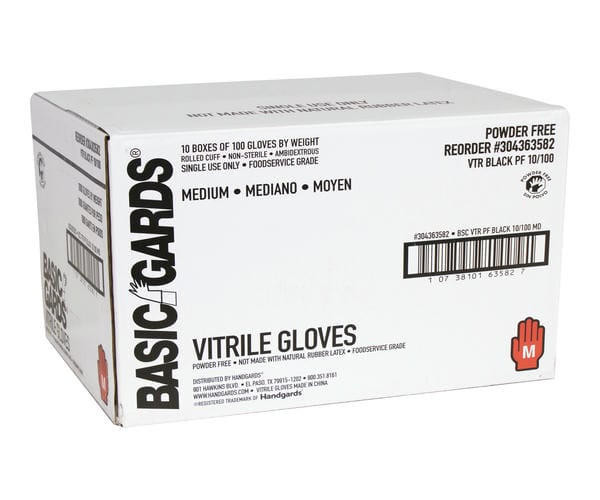
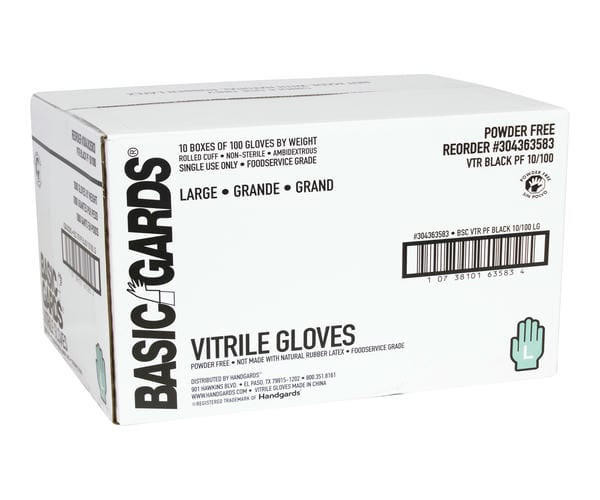
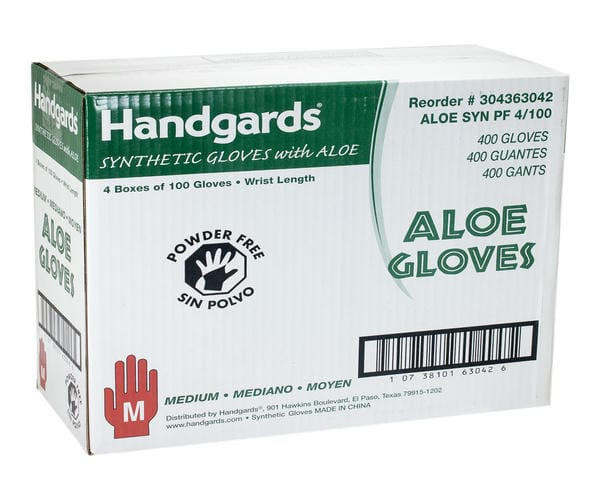
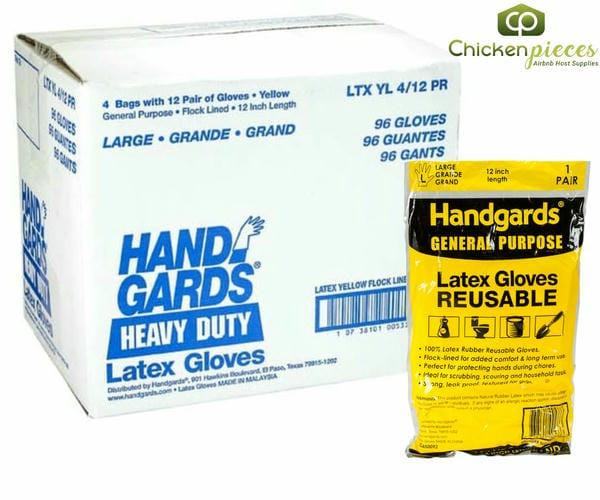
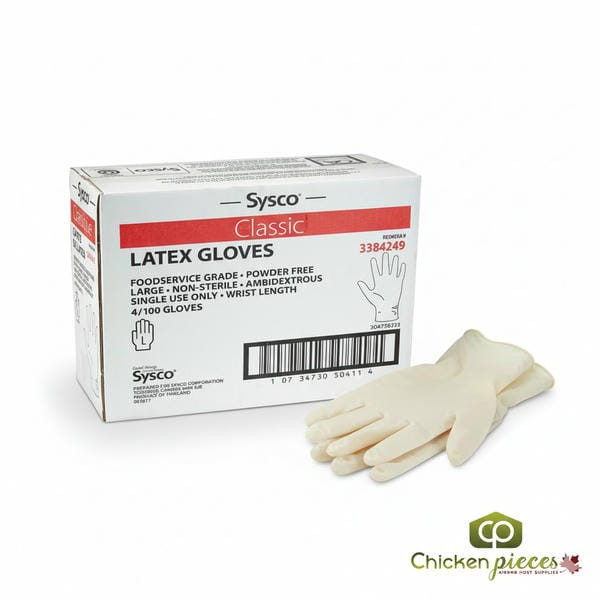
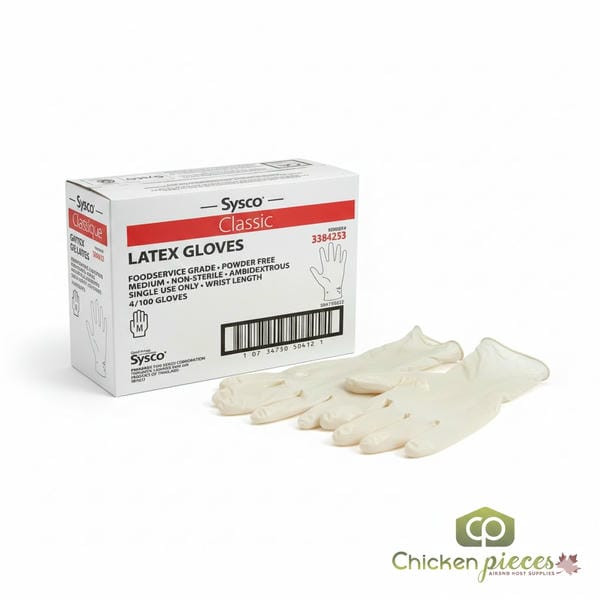
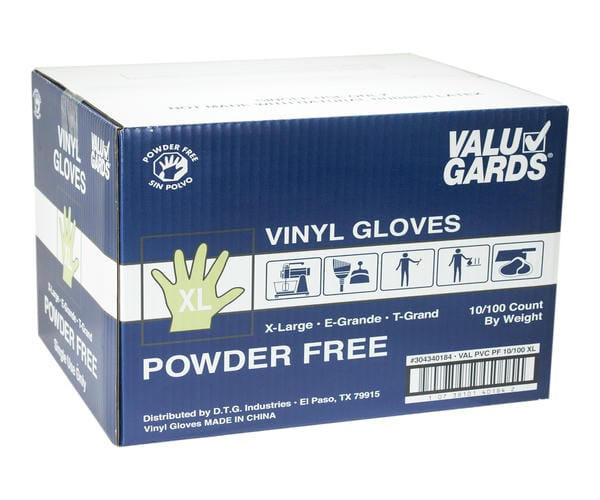
Hospitality Essentials in Stock
Gloves, guest amenities and back-of-house supplies with no account minimums.


What Canadian small operators say
What Alberta operators say about flexible supply access.
Switched from a major broadline because I was buying too much just to fill trucks. Now I order exactly what my three properties need each week.
The no-minimum ordering saved my season. I run a small lodge and cannot predict guest counts. I buy gloves and snacks as needed, not months ahead.
Having supplies arrive without chasing a salesrep changed how I manage my properties. I order online after guests leave, stock arrives before new check-ins.
Supplier Selection: Frequently Asked Questions
The following operator questions are answered with cited sources. Every FAQ links to Health Canada, CFIA, Canada.ca, or another authoritative regulator.
How do small Canadian restaurants actually find a wholesale food supplier?
Products referenced:
- CP-WEB-BULK-FOOD
Source: Restaurant owners, how do you find suppliers in your area? - r/smallbusiness
Do I need a contract, credit check, or years of history to open a wholesale food account?
Products referenced:
- CP-WEB-BULK-FOOD
What are distributor delivery minimums, and how many times a week will they deliver?
Products referenced:
- CP-WEB-BULK-FOOD
Source: What is the minimum drop that suppliers charge in order to deliver products? - r/restaurateur
Why do food distributors require minimum monthly purchases, and what if my volume is small?
Products referenced:
- CP-WEB-CLEANING
Source: Suppliers with monthly minimum purchase - r/KitchenConfidential
Are Sysco or GFS really cheaper than Costco for a small restaurant?
Products referenced:
- CP-WEB-BULK-FOOD
How do I know if I am getting a fair price from my food distributor?
Products referenced:
- CP-WEB-BULK-FOOD
Source: Price transparency for Sysco, US Foods etc - r/restaurantowners
Should I buy everything from one big distributor or split orders between several suppliers?
Products referenced:
- CP-WEB-BULK-FOOD
Source: Wholesale food distributors other than US Foods or Sysco? - r/KitchenConfidential
What happens when my distributor shorts items or substitutes products I never ordered?
Products referenced:
- CP-WEB-FROZEN
Source: Chefs who order from both Sysco & US Foods (or GFS in Canada) - r/Chefit
What questions should I ask a wholesale food supplier before signing up?
Products referenced:
- CP-WEB-KITCHEN
Source: 9 Questions to Ask When Choosing a Wholesale Food Supplier - Sangla Foods
Can my small-town restaurant get wholesale food shipped without a local distributor?
Products referenced:
- CP-WEB-COFFEE
How do you calculate shipping on bulk orders?
Related guides from ChickenPieces
Why Small Operators Choose ChickenPieces
Built for Alberta hospitality businesses that value flexibility over volume commitments.
No Account Minimums
Order one case or one box as needed. Seasonal operators and new hosts avoid overstocking to meet arbitrary thresholds.
Direct Online Access
Browse and purchase without salesrep gatekeeping. Check stock, place orders, and track shipments on your schedule.
Calgary-Based Support
Local team understands Alberta's hospitality patterns — tourism seasonality, energy sector travel, mountain destination properties.
Health Canada Compliant
All products meet Health Canada and CFIA requirements for commercial foodservice and hospitality use.
Sources & further reading
- Sysco North FAQs — Sysco North (Official)
- GFS Canada - Food Distribution — Gordon Food Service (Official)
- Sysco vs Gordon Food Service Comparison — FrillPick
- Gordon Food Service vs Sysco: Quality and Price Comparison — Delivisor
- Top 30 Food Distributors in Canada 2026 — Groupex
- Best Restaurant Equipment Suppliers in Canada 2026 Rankings — Nella Online
- Best Food Distributors for Restaurants Comparison Guide — FrillPick
- Canada's Largest Online Restaurant Supply - No Minimum — Prime Restaurant Supply Wholesale
- Canadian Leading Restaurant Supply Platform - No Minimum — FoodsUp
- Ontario & Atlantic Canada Food Distributor — Flanagan Foodservice
- Sysco Eliminates Minimum Delivery Requirements — Sysco News Archives
Get Your Supply Quote Today
Tell us what your operation needs and we will confirm availability and timing. No volume commitments required — start with a single order and scale as your properties grow.
Request a QuoteReferences: Health Canada - Food Chemical Contaminants CFIA - Food Safety for Industry.