

2026 Jun 7th
Prevent Muscle Loss in GLP-1 Patients: A Supply Guide
GLP-1 users often lose muscle alongside fat. Providing accessible, high-protein options helps preserve lean mass. Stocking shakes and mixes ensures guests have convenient nutrition sources.
Prevent Muscle Loss in GLP-1 Patients: A Supply Guide
Facility operators need reliable protein sources to support guests managing weight loss with GLP-1 medications while maintaining healthy muscle tissue levels daily.
Key Takeaways
Review these key supply strategies for better guest outcomes.
Prioritize Protein Density
Focus on products with high protein content per serving. This helps guests meet daily requirements without excessive volume intake during appetite suppression phases.
Offer Variety Daily
Rotate flavors and formats to prevent fatigue. Guests may lose interest in single options quickly, so providing shakes, powders, and mixes keeps nutrition engaging.
Ensure Convenience First
Time is often limited for guests managing health changes. Ready-to-drink shakes and instant mixes offer quick solutions that fit into busy travel schedules easily.
Monitor Portion Control
Pre-packaged servings help users track intake accurately. This reduces the risk of overconsumption while ensuring they hit specific protein targets for muscle preservation.
Support Digestive Health
Some supplements include fiber or digestive aids. Choosing balanced formulas can help guests manage potential side effects associated with rapid dietary changes and weight loss.
Maintain Consistent Stock
Reliable supply chains prevent gaps in nutrition access. Bulk purchasing ensures your facility always has essential items available for guests throughout their stay duration.
Understanding Muscle Loss Risks
Weight loss medications can accelerate muscle breakdown if nutrition is not carefully managed by the user.
GLP-1 agonists reduce appetite significantly, which often leads to lower overall caloric intake. While fat loss is a desired outcome, insufficient protein consumption can cause the body to break down muscle tissue for energy. This process undermines long-term metabolic health and physical strength for the user.
Guests staying at your facility may not have access to their usual grocery stores or meal prep routines. They rely on available amenities to maintain their dietary goals. Providing high-quality protein options helps bridge this gap effectively during their temporary residence in your property.
Muscle preservation is critical for maintaining basal metabolic rate. When muscle mass decreases, metabolism slows down, making future weight management more difficult. Supplying nutrient-dense foods supports guests in keeping their bodies functioning optimally while they undergo medical weight loss treatments.
Protein Needs for Recovery
Higher protein intake helps offset the catabolic effects of rapid weight reduction protocols used today.
Standard dietary guidelines often underestimate protein needs for individuals undergoing significant weight changes. Active users require more amino acids to repair tissue damaged during exercise and daily movement. Ensuring adequate intake prevents the body from using muscle as a fuel source instead of stored fat reserves.
Complete proteins contain all essential amino acids required for synthesis. Whole food sources are ideal, but supplements provide a reliable alternative when whole foods are scarce or inconvenient. Stocking diverse protein forms ensures guests can choose what fits their taste preferences and digestive comfort levels best.
Timing also plays a role in muscle maintenance. Distributing protein intake evenly across the day supports continuous synthesis processes. Offering breakfast mixes and afternoon shakes helps spread consumption rather than relying on one large meal, which is often difficult for those with reduced appetites.
Choosing High-Quality Supplements
Look for verified protein content and minimal added sugars in your wholesale purchases.
Not all supplements offer equal value or nutritional density. Some products contain excessive fillers or artificial sweeteners that may cause digestive discomfort. Selecting brands with clear labeling and reputable manufacturing standards ensures safety and efficacy for your guests who may have sensitive systems.
Shakes and powders provide quick absorption options for busy individuals. These formats are particularly useful for those experiencing nausea or early satiety from medication side effects. Liquid nutrition can be easier to consume than solid foods when appetite signals are significantly dampened by treatment regimens.
Breakfast mixes offer a familiar format that encourages consistent consumption. Pancakes and waffles made with high-protein blends provide a satisfying meal experience without compromising nutritional goals. This approach helps guests feel normal while still adhering to strict dietary requirements for muscle preservation.
Stocking Your Kitchen Amenities
Place protein options in visible areas to encourage usage by health-conscious guests during their stay.
Visibility drives consumption. If guests cannot easily find protein sources, they may skip meals or choose less nutritious alternatives. Positioning supplements in common areas or well-stocked pantries increases the likelihood of use. Clear signage can also educate guests on the benefits of specific products available.
Variety prevents boredom and supports adherence. Offering different flavors and textures ensures that guests have options suited to their current preferences. This flexibility is important because taste perceptions can change during weight loss journeys, making some foods suddenly unappealing or intolerable.
Bulk purchasing reduces long-term costs for your operation. Sourcing directly from wholesale suppliers allows you to maintain a consistent stock level without frequent reordering hassles. Reliable supply chains mean you never run out of essential items when guests need them most.
Supporting Informed Choices
Provide simple guides on how to use these products effectively for muscle maintenance goals.
Many guests are unfamiliar with specific supplement brands or formats. Simple guidance cards placed near the products can explain how to mix powders or when to consume shakes. This small effort adds significant value by helping users integrate these items into their existing routines smoothly.
Education reduces anxiety around new dietary changes. Guests may feel uncertain about what constitutes adequate protein intake. Providing clear information empowers them to make confident choices that align with their health objectives while staying at your facility comfortably.
Highlighting the benefits of specific ingredients can also drive usage. For example, noting the role of whey or plant-based proteins in recovery helps guests understand why certain products are recommended. This transparency builds trust and encourages repeat engagement with your amenities.
Long-Term Supply Planning
Build relationships with reliable suppliers to ensure consistent access to essential nutrition items year-round.
Consistency is key for maintaining guest satisfaction. Running out of popular items disrupts routines and creates frustration. Establishing strong supplier relationships ensures you can restock quickly when inventory runs low. This reliability supports your reputation as a thoughtful and well-managed property.
Seasonal trends may influence product preferences. Guests might prefer warmer options in winter or lighter choices in summer. Adapting your stock accordingly shows attentiveness to guest needs. Flexible ordering strategies allow you to pivot without holding excessive dead inventory.
Cost efficiency matters for operational success. Wholesale pricing structures often reward volume purchases, but smart planning prevents waste. Balancing bulk savings with realistic consumption rates ensures financial sustainability while keeping high-quality nutrition available for all guests.
Protein Option Comparison
Review these categories to select the right mix for your facility's needs.
| Option Type | Protein Density | Convenience Level | Best Use Case |
|---|---|---|---|
| RTD Shakes | High | Very High | Quick snacks |
| Whey Powder | Very High | Medium | Post-workout recovery |
| Pancake Mix | Moderate | Low | Breakfast meals |
| Meal Replacements | High | High | Full meal substitute |
| Plant Protein | Moderate | Medium | Dietary restrictions |
| Collagen Peptides | Low | High | Joint support |
| Casein Powder | High | Medium | Nighttime recovery |
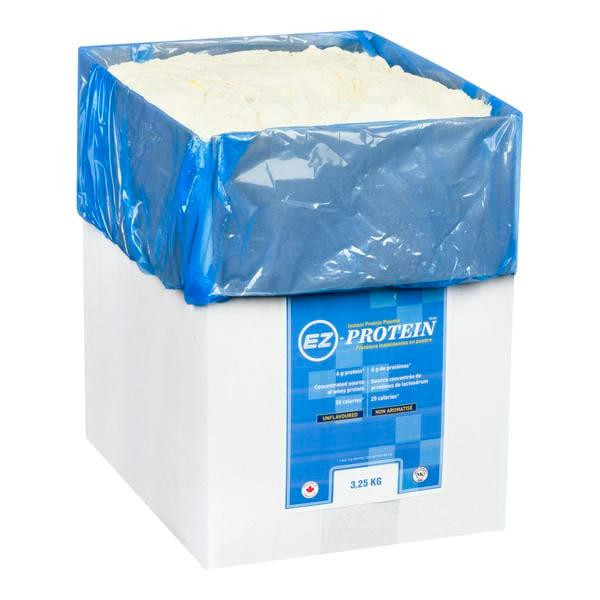
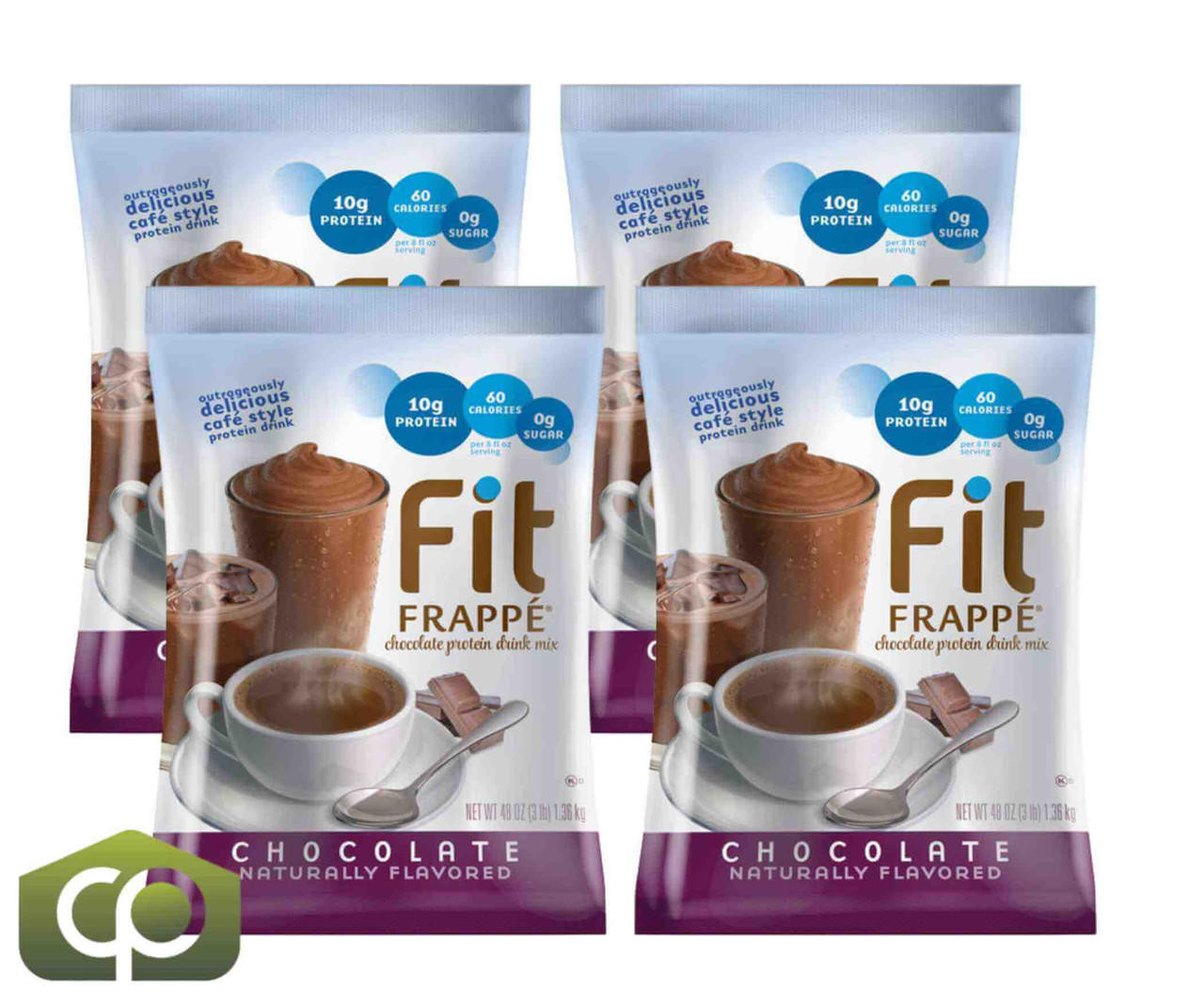
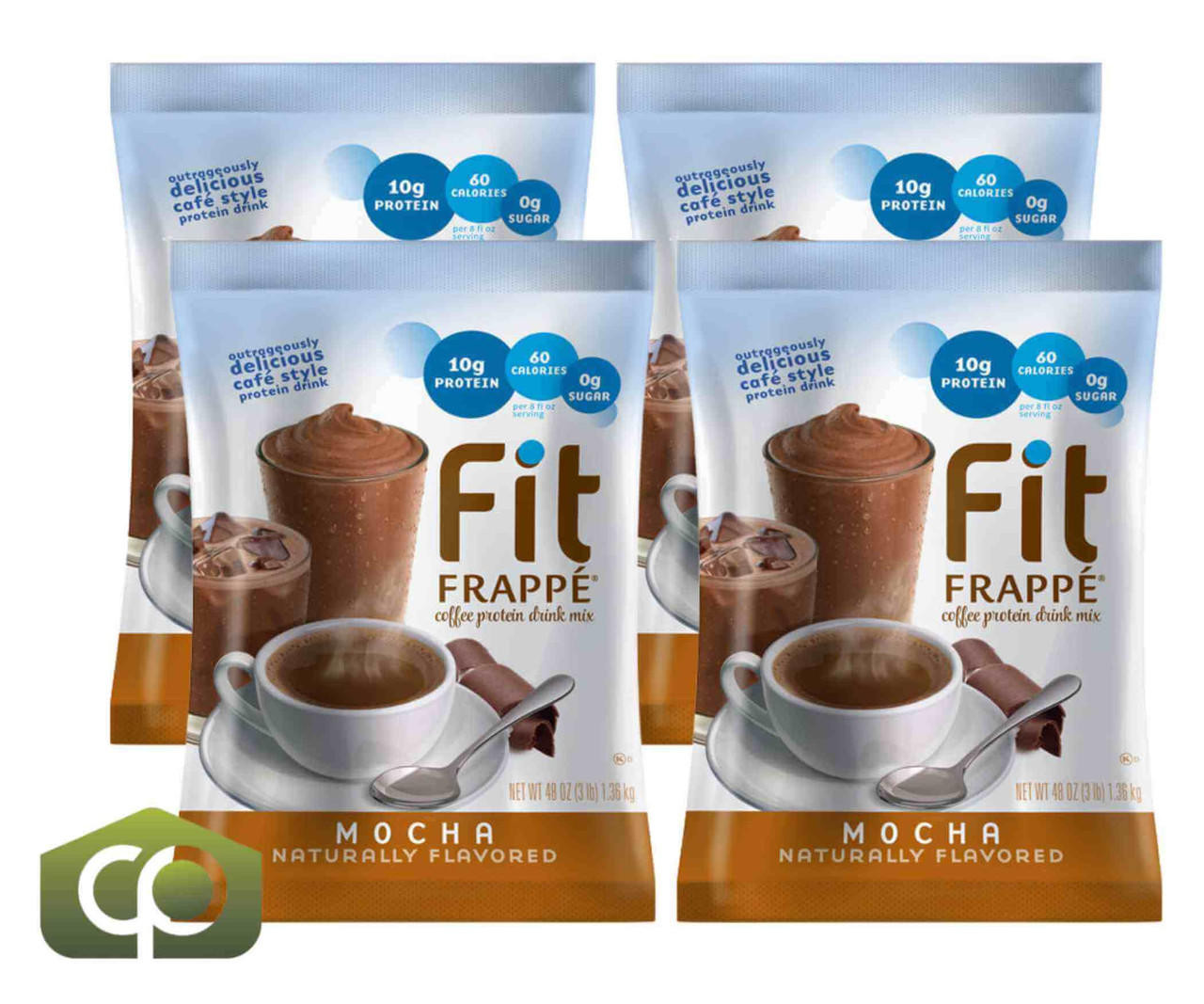
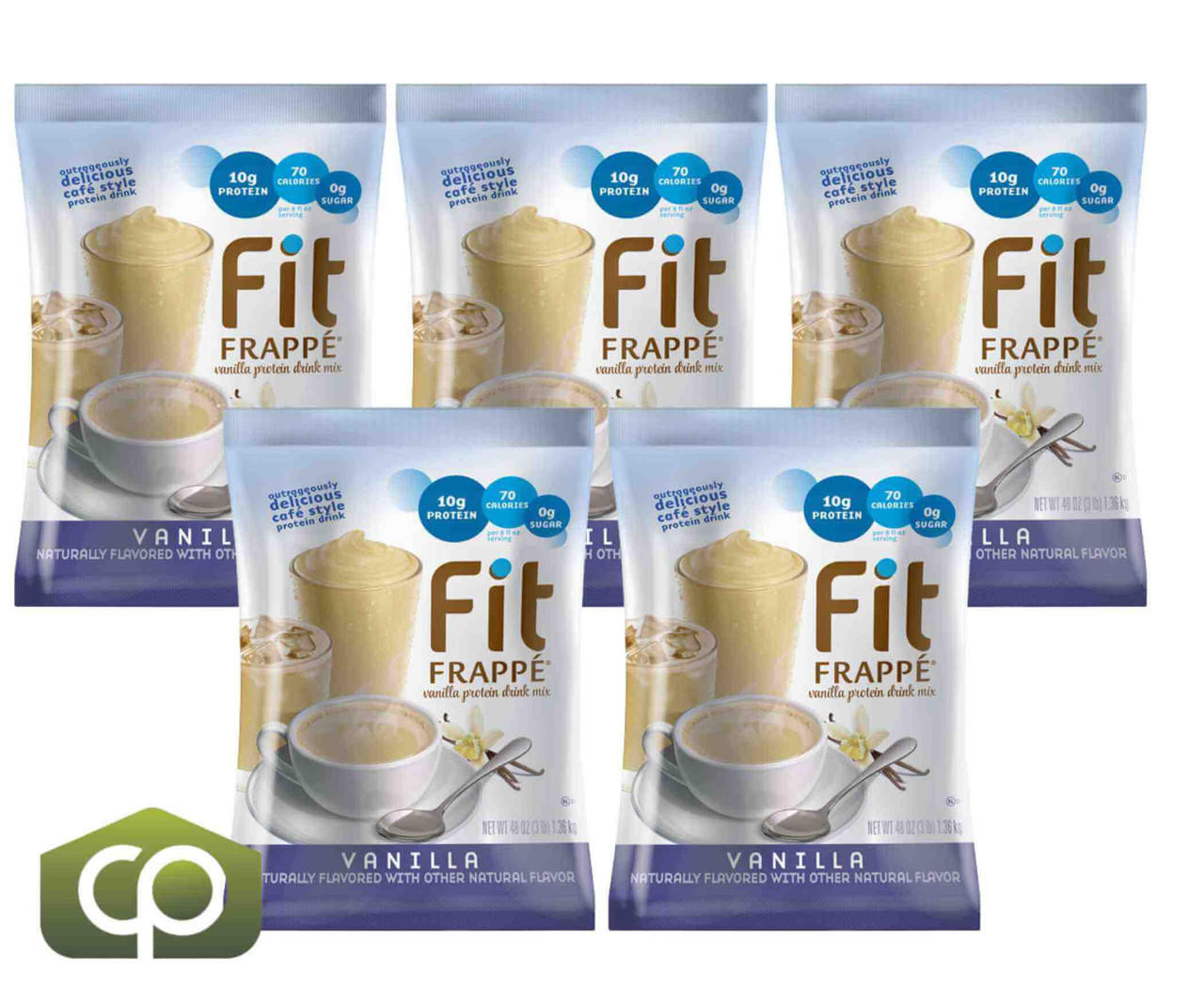
Browse Protein Essentials
Explore our curated selection of high-protein items suitable for various dietary needs.
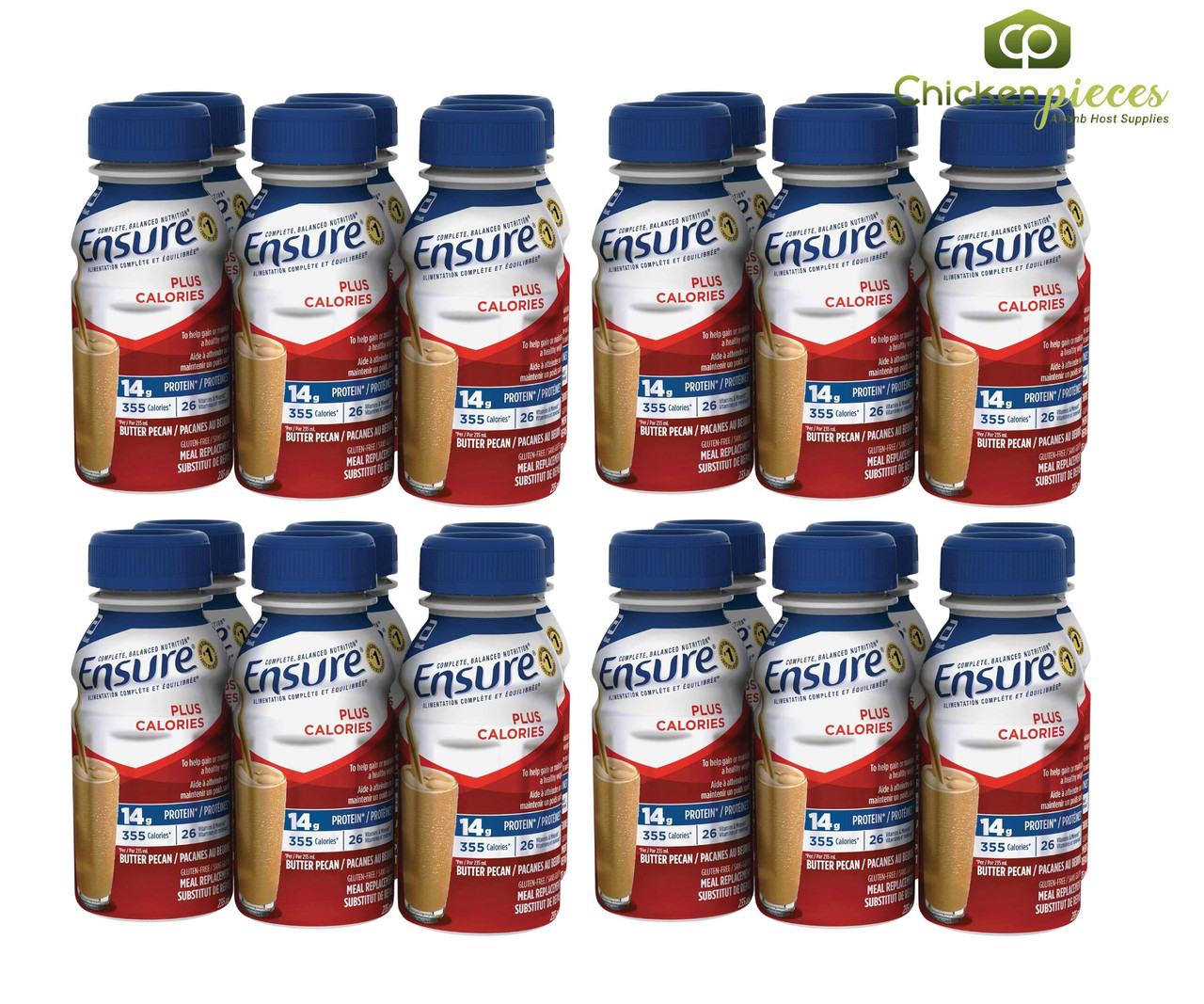
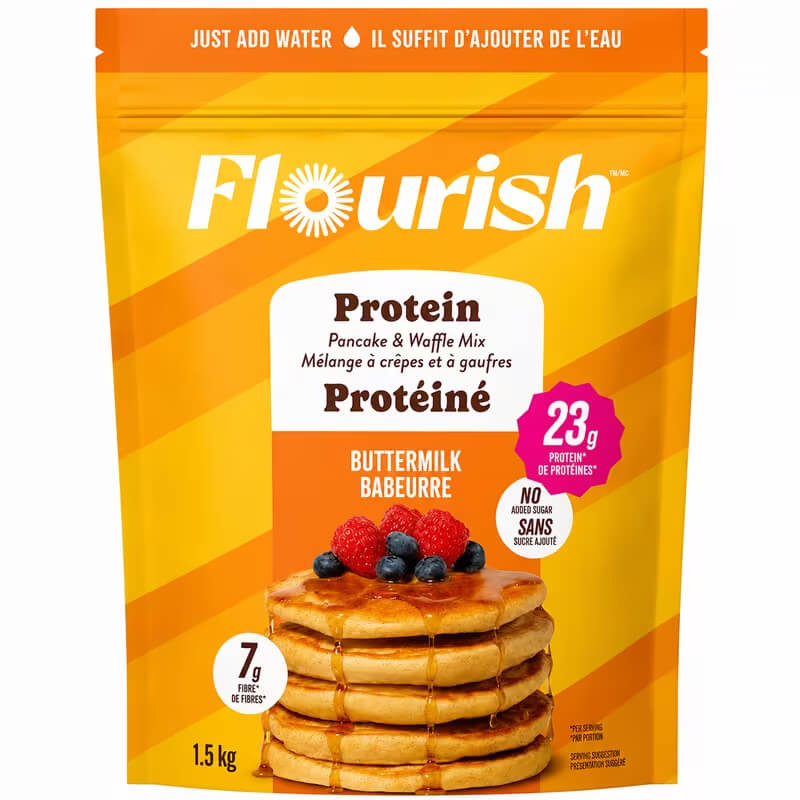
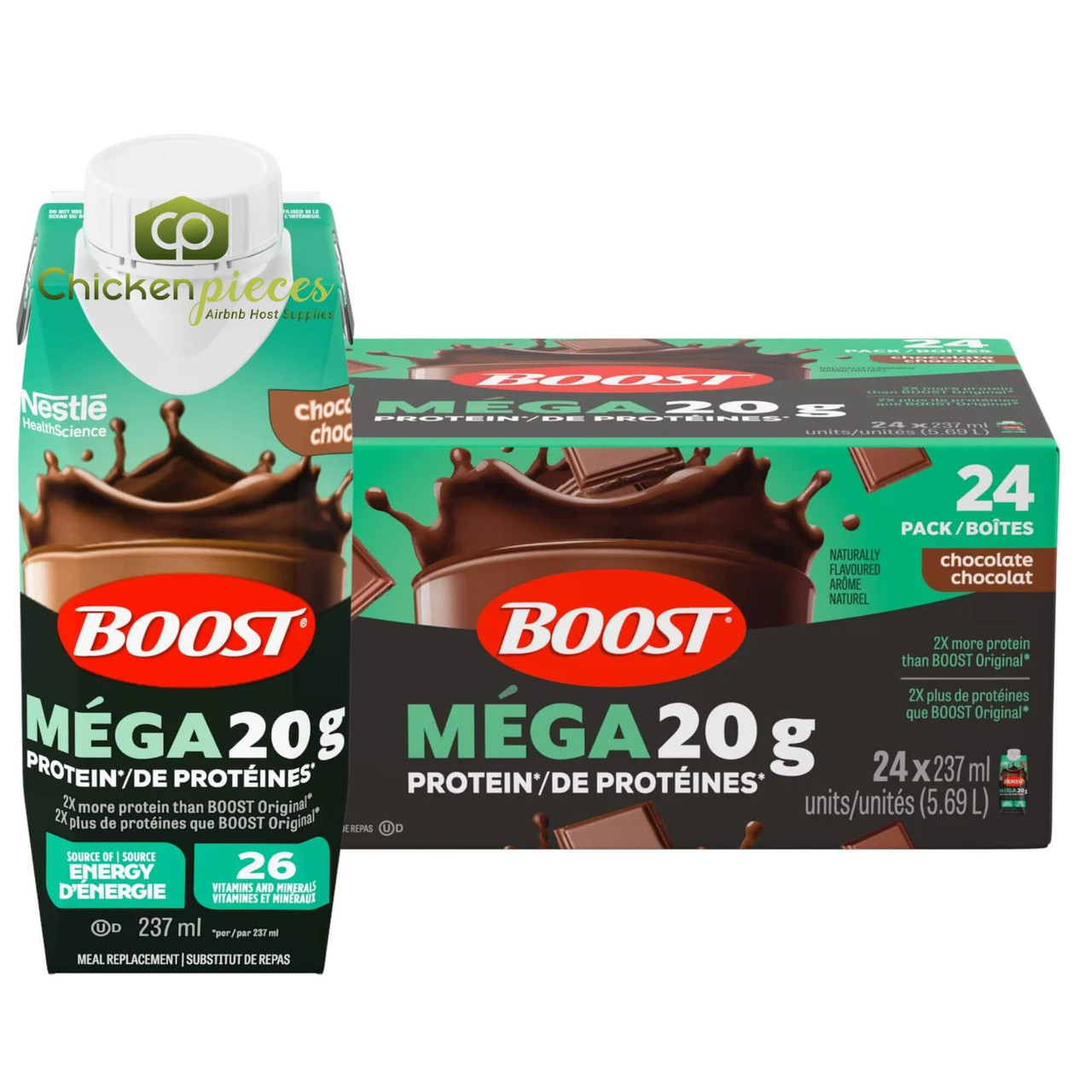
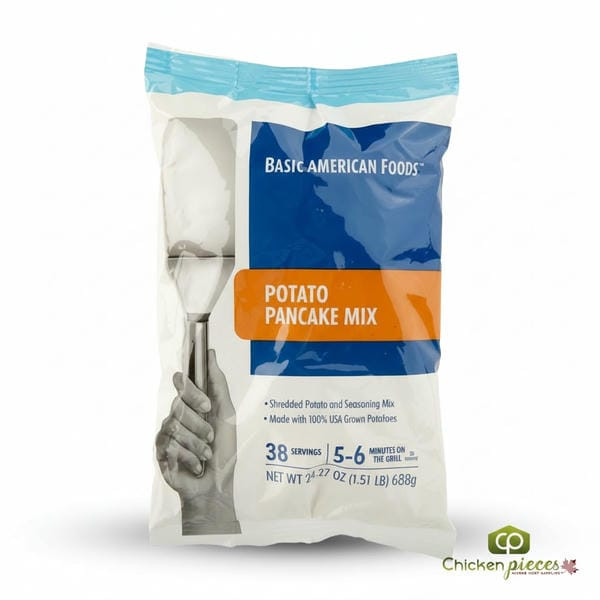
People Also Ask
Real questions buyers search before they order — answered straight.
Why do GLP-1 medications like Ozempic cause muscle loss?
GLP-1 medications work partly by reducing appetite, so people naturally eat less, and when overall intake drops the body can break down muscle as well as fat. Rapid weight loss of any kind tends to include some lean muscle unless protein intake and activity are kept up. This is why care teams pair these medications with enough protein and gentle resistance activity to help protect muscle.
What are the first signs of muscle loss?
Early signs include feeling weaker, tiring more easily, and finding everyday tasks like standing up or carrying items harder than before. Clothes may fit more loosely around the arms and legs, and grip strength often fades. In a care setting, staff who notice these changes early can flag them so diet and activity are adjusted before mobility is affected.
What is age-related muscle loss called?
Gradual muscle loss with age is called sarcopenia, and it tends to speed up after roughly the age of 60. It matters in long-term care because weaker muscles raise the risk of falls and slow recovery from illness. Enough protein spread through the day, plus safe strength activity, is the widely recommended way to slow it.
Can muscle loss in the elderly be reversed?
Older adults can rebuild muscle, though it takes longer than in younger people and needs consistency. The proven combination is regular resistance or strength activity paired with enough daily protein to give the body its building blocks. Progress is realistic when a care team sets a steady routine rather than expecting fast results.
What is the best way for seniors to regain muscle mass?
The most effective approach pairs simple strength exercises, done a few times a week, with protein at every meal rather than in one large serving. Spreading protein across the day helps older bodies use it better, and shakes or fortified foods make it easier when appetites are small. Any programme should be set with the resident's care team so it is safe for their mobility.
How can residents keep muscle while taking a GLP-1 medication?
The key is making sure reduced appetite does not mean too little protein, so smaller, protein-rich meals, snacks, and ready-to-drink options help hit daily targets. Gentle, regular strength activity signals the body to hold on to muscle rather than lose it. Care teams usually monitor weight and strength so the plan can be adjusted as the medication takes effect.
What Canadian Property Managers say
Read feedback from property managers who have improved guest satisfaction with these supplies.
Switching to higher protein options really helped our guests stick to their diets. The shakes are popular and easy to store in our mini-fridges without taking up much space at all.
We noticed fewer complaints about food availability since stocking these mixes. Guests appreciate having convenient, healthy options that fit their weight loss goals during their stay with us.
The variety allows us to cater to different tastes without complicating inventory. Our guests love the pancake mix for breakfast and it aligns perfectly with their protein intake targets daily.
Protein Supply FAQs: Frequently Asked Questions
The following operator questions are answered with cited sources. Every FAQ links to the community thread, buyer guide, or regulator page it was researched from.
Does Ozempic really cause muscle loss in Canadian patients?
Products referenced:
- CP-WEB-GLP1-PROTEIN
How much protein should GLP-1 patients eat daily to prevent muscle loss?
Products referenced:
- CP-WEB-GLP1-PROTEIN
Source: Reddit r/Ozempic — How to get enough protein on Ozempic
What protein supplements work best for GLP-1 patients with nausea?
Products referenced:
- CP-WEB-PROTEIN-SUPPLEMENTS
Can you regain muscle lost while taking Ozempic or other GLP-1s?
Products referenced:
- CP-WEB-PROTEIN-SUPPLEMENTS
What is 'Ozempic face' and is it caused by muscle loss?
Products referenced:
- CP-WEB-GLP1-PROTEIN
Source: Drugs.com — Ozempic Face
What high-protein foods are easiest for GLP-1 patients to tolerate?
Products referenced:
- CP-WEB-PROTEIN-SUPPLEMENTS
How do dietitians recommend GLP-1 patients space protein throughout the day?
Products referenced:
- CP-WEB-PROTEIN-SUPPLEMENTS
What is sarcopenia and how do GLP-1 medications affect it?
Products referenced:
- CP-WEB-PROTEIN-SUPPLEMENTS
Are there Canadian clinical guidelines for protein intake on GLP-1s?
Products referenced:
- CP-WEB-PROTEIN-SUPPLEMENTS
Source: Reddit r/Ozempic — Worried about muscle loss on Ozempic
Where can Canadian caregivers buy high-protein supplements for GLP-1 patients in bulk?
Products referenced:
- CP-WEB-PROTEIN-SUPPLEMENTS
Related guides from ChickenPieces
Why Buy From ChickenPieces
We provide reliable, compliant supplies tailored for Canadian facility operators and property managers.
Local Inventory
Warehoused in Calgary, we offer fast shipping across Alberta. This reduces lead times and ensures your kitchen amenities are always well-stocked without long waits.
Bulk Pricing
Wholesale rates help you manage costs effectively. Our volume discounts allow property managers to stock high-quality nutrition items without straining operational budgets significantly.
Curated Selection
We focus on products that support health goals like muscle preservation. This targeted range simplifies your purchasing decisions and ensures relevance for modern guest needs daily.
Regulatory Compliance
All products meet Health Canada standards for safety and labeling. You can trust that every item we supply adheres to strict regulatory requirements for consumer protection.
Request Your Custom Quote
Contact our team to discuss your facility's specific protein supply needs. We provide tailored solutions to support guest health goals effectively.
Request a QuoteReferences: Health Canada - Food Chemical Contaminants CFIA - Food Safety for Industry.