
 US Dollar


2026 Jul 19th
High Protein Nutrition Strategies for Canadian Senior Care
Elderly residents typically require higher protein levels to prevent muscle loss and maintain strength. Care homes should offer fortified meals, high-protein supplements, and fiber-rich legumes to meet these specific nutritional goals effectively.
High Protein Nutrition Strategies for Canadian Senior Care Facilities
Facility operators need reliable ways to boost protein intake for aging residents without compromising texture or taste preferences in meal service.
Key Takeaways
Key strategies for improving resident nutrition include:
Increase Daily Intake Targets
Aging bodies process nutrients differently. Raising protein targets helps counteract natural muscle degeneration and supports overall physical resilience among senior populations.
Use Liquid Supplements Wisely
Oral supplements are vital for residents with chewing difficulties. They provide concentrated nutrition without adding bulk to meals, ensuring adequate intake.
Fortify Existing Menu Items
Adding protein powders to soups or sauces increases nutritional value subtly. This method avoids altering texture significantly while boosting the overall meal profile.
Incorporate High-Fiber Legumes
Beans and lentils offer excellent plant-based protein with added fiber. They support digestive health and provide sustained energy for active seniors in care settings.
Monitor Gut Health Closely
High protein diets can impact digestion. Supporting gut flora with probiotics ensures residents absorb nutrients efficiently and experience fewer gastrointestinal issues.
Prioritize Canadian Sourced Goods
Local sourcing reduces supply chain risks. Choosing domestic products ensures freshness and supports regional agriculture while meeting strict food safety standards.
Understanding Senior Protein Requirements
Aging muscles require more support than younger bodies to maintain function.
Sarcopenia is a natural part of aging. It involves the gradual loss of muscle mass and strength. This process accelerates if protein intake is insufficient. Care facilities must recognize that standard dietary guidelines often underestimate the needs of frail seniors. Residents with chronic conditions or limited mobility require even more support to maintain their physical baseline. Implementing precise weighing protocols for food portions ensures accurate tracking. Staff should log intake data daily into digital systems to identify trends early. Regular audits of these records help adjust meal plans dynamically.
Protein helps repair tissues and supports immune function. It also aids in wound healing for those recovering from surgery or injury. Without adequate supply, residents face higher risks of falls and fractures. Facility managers should work closely with dietitians to tailor plans. Individual assessments ensure each resident receives the right amount without exceeding kidney limits. Documenting these assessments creates a clear audit trail for compliance reviews. Storing medical records securely protects patient privacy while allowing authorized staff access.
Many seniors struggle to eat enough solid food. Appetite loss is common due to medication side effects or dental issues. This makes nutrient-dense options critical for daily sustenance. Liquid supplements and fortified foods bridge the gap between desire and need. They offer a practical solution for maintaining health standards across diverse care environments. Proper storage of these liquids at recommended temperatures prevents spoilage. Rotating stock using first-in-first-out methods maintains freshness and safety.
Strategies for Meal Fortification Success
Boosting existing dishes adds value without changing menu structure.
Adding protein powder to baked goods or cereals is effective. It blends smoothly into textures seniors already enjoy. This approach avoids the stigma of taking supplements. Staff can prepare these items in bulk for efficiency. The result is a familiar taste with significantly higher nutritional content per serving. Standardizing recipe cards with exact gram measurements ensures consistency across shifts. Training kitchen staff on proper mixing techniques prevents clumping and uneven distribution.
Soups and sauces are excellent candidates for fortification. A splash of protein-enriched liquid increases value instantly. Residents often consume more liquids than solids. This method uses that habit to improve overall intake. It also helps maintain the warmth and comfort associated with home-style cooking in care settings. Labeling containers clearly with preparation dates and allergen info supports safety protocols. Regularly checking viscosity ensures the texture remains acceptable for those with swallowing difficulties.
Smoothies offer another versatile platform for nutrient delivery. Blending fruits, yogurt, and protein mixes creates appealing drinks. These are easy to swallow and digest quickly. They serve well as snacks between main meals. Offering variety prevents boredom and encourages consistent consumption of necessary nutrients throughout the day. Sanitizing blender blades thoroughly after each use is mandatory. Storing pre-measured dry ingredients in airtight containers preserves potency and prevents contamination.
Integrating Legumes into Daily Meals
Beans provide high protein with beneficial fiber for digestion.
Legumes are cost-effective and nutritionally dense. Black, navy, and pinto beans offer substantial protein content. They also provide fiber which supports regular bowel movements. This is key for seniors prone to constipation. Including these in stews or salads adds variety to the weekly menu rotation. Tracking usage rates helps forecast purchasing needs accurately. Organizing storage by type and expiration date simplifies inventory checks and reduces waste.
Canadian-made legumes ensure quality control and freshness. Local sourcing reduces carbon footprint and supports regional farmers. Facilities can trust the supply chain remains stable. These ingredients are versatile across different cultural dishes. They allow dietitians to create inclusive menus that respect diverse dietary preferences. Verifying supplier certifications annually ensures ongoing compliance with food safety regulations. Maintaining open communication channels with distributors aids in resolving any delivery issues promptly.
Plant-based proteins reduce reliance on animal products. This aligns with growing trends toward sustainable eating. Many residents prefer vegetarian options for personal or health reasons. Offering strong plant-based choices ensures everyone has access to good nutrition. It also simplifies inventory management by focusing on shelf-stable goods. Labeling packages with batch numbers assists in traceability efforts. Conducting regular pest control inspections of storage areas maintains product integrity.
Role of Oral Nutritional Supplements
Shakes and powders fill gaps when food intake is low.
Complete meal replacement drinks offer convenience and balance. They contain vitamins, minerals, and protein in one package. This ensures residents get a broad spectrum of nutrients. Staff can administer these easily during snack times. The portion control helps manage overall calorie intake effectively. Monitoring expiration dates closely prevents serving expired products. Keeping a detailed log of distributed units supports accountability and inventory reconciliation.
Protein drink mixes allow for customized preparation. Facilities can adjust sweetness or thickness based on needs. Chocolate, mocha, and vanilla flavors appeal to different tastes. Mixing them with milk or water creates a familiar beverage experience. This flexibility supports individualized care plans efficiently. Calibrating measuring spoons regularly ensures accurate dosing. Cleaning mixing equipment immediately after use prevents residue buildup and cross-contamination.
Supplements are not just for weight loss patients. They support muscle maintenance in active seniors too. Preventive use helps avoid future health complications. Integrating them into routine care normalizes their consumption. Residents see them as part of daily wellness rather than medical treatment. Educating staff on the benefits of preventive nutrition fosters a supportive environment. Providing clear instructions to families helps reinforce consistency outside facility hours.
Supporting Digestion with Probiotics
Healthy gut flora improves nutrient absorption from high-protein diets.
High protein intake can burden the digestive system. Probiotics help maintain a balanced intestinal environment. This balance is key for absorbing amino acids effectively. Supplements containing beneficial bacteria support this process. They reduce bloating and discomfort often associated with dietary changes. Storing probiotics according to manufacturer guidelines preserves viability. Separating them from other supplements avoids potential interactions.
Gut health influences overall immunity and mood. A healthy microbiome communicates with the brain directly. Supporting it contributes to better mental well-being. This holistic approach benefits residents beyond just physical strength. It addresses the mind-body connection in senior care environments. Recording resident feedback on digestive comfort helps gauge effectiveness. Adjusting dosages based on observed outcomes ensures personalized care.
Choosing reputable probiotic brands ensures potency. Capsules offer a discreet way to administer these supplements. They do not interfere with meal flavors or textures. Staff can include them in medication rounds for consistency. Regular use helps sustain long-term digestive health outcomes. Verifying seal integrity before administration guarantees safety. Documenting any side effects promptly allows for quick intervention.
Building Reliable Supply Chains
Consistent access to quality ingredients prevents menu disruptions.
Supply chain stability is critical for operations. Relying on single sources creates risk. Diversifying suppliers ensures continuity during shortages. Local distributors offer faster delivery times. This responsiveness helps adapt to sudden changes in resident needs or inventory levels. Conducting quarterly reviews of supplier performance identifies potential issues early. Negotiating favorable terms supports budget management.
Bulk purchasing reduces waste and cost. Large containers of protein powder or legumes last longer. They require less frequent ordering and handling. Storage efficiency improves with standardized packaging sizes. This streamlines kitchen workflows and reduces labor hours spent on restocking. Organizing warehouse space logically speeds up retrieval processes. Implementing barcode scanning systems enhances accuracy in inventory tracking.
Quality verification is non-negotiable in care settings. Suppliers must meet strict safety standards. Certifications prove adherence to health regulations. Partnerships with trusted brands like Berthelet or Arctic Gardens provide confidence. These companies prioritize product integrity and customer support. Requesting certificates of analysis for each shipment verifies compliance. Maintaining a backup supplier list mitigates risks associated with unexpected closures.
Comparing Protein Sources for Care Homes
Review the nutritional profile and convenience of different options.
| Protein Source | Primary Benefit | Preparation Effort | Shelf Life |
|---|---|---|---|
| Instant Powder | Quick absorption | Very low | Long |
| Meal Replacements | Complete nutrition | None required | Medium |
| Black Beans | High fiber content | Moderate | Very long |
| Navy Beans | Mild flavor profile | Moderate | Very long |
| Pinto Beans | Versatile usage | Moderate | Very long |
| Drink Mixes | Flavor variety | Low | Long |
| Probiotics | Gut support | None required | Medium |
Featured High-Protein Supplies
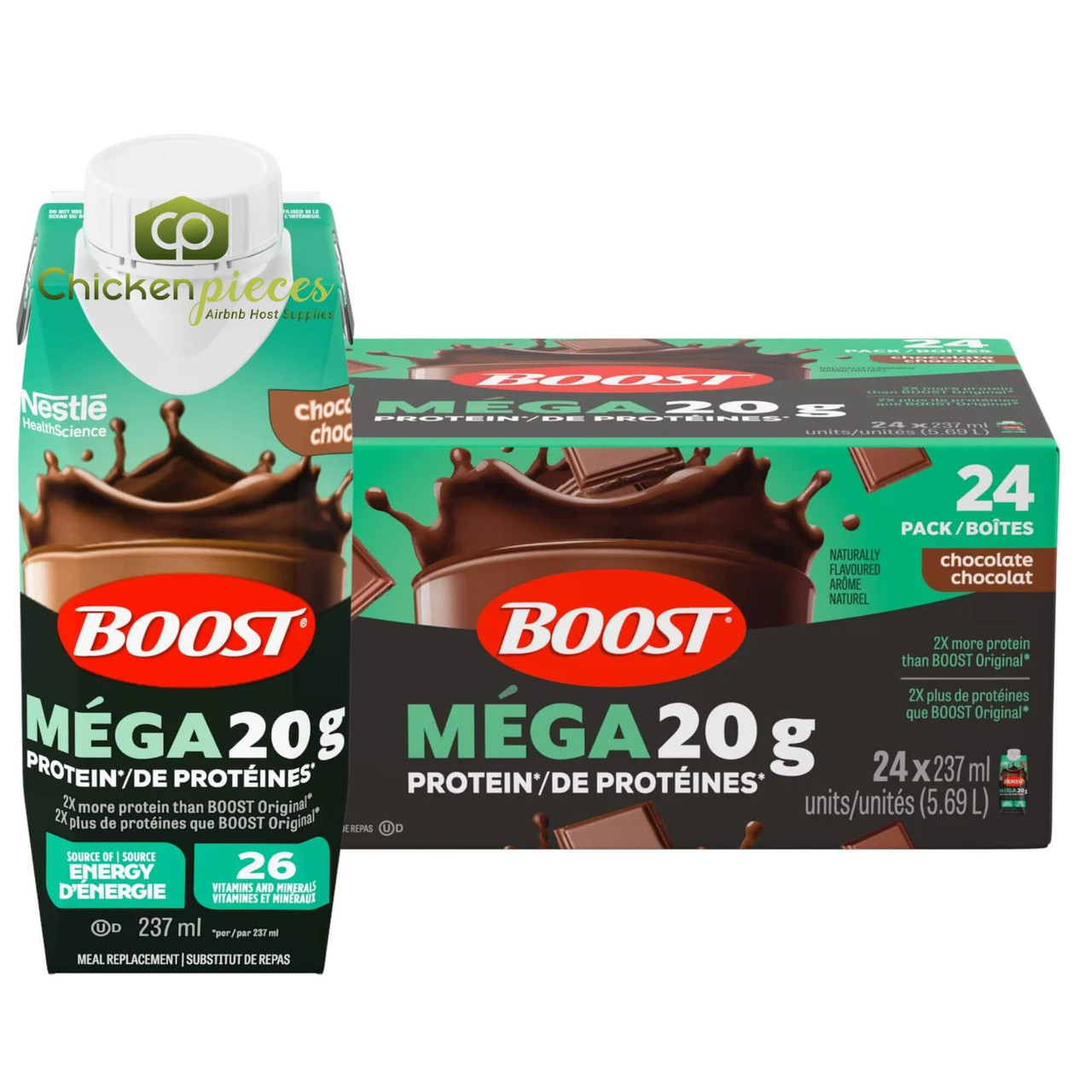
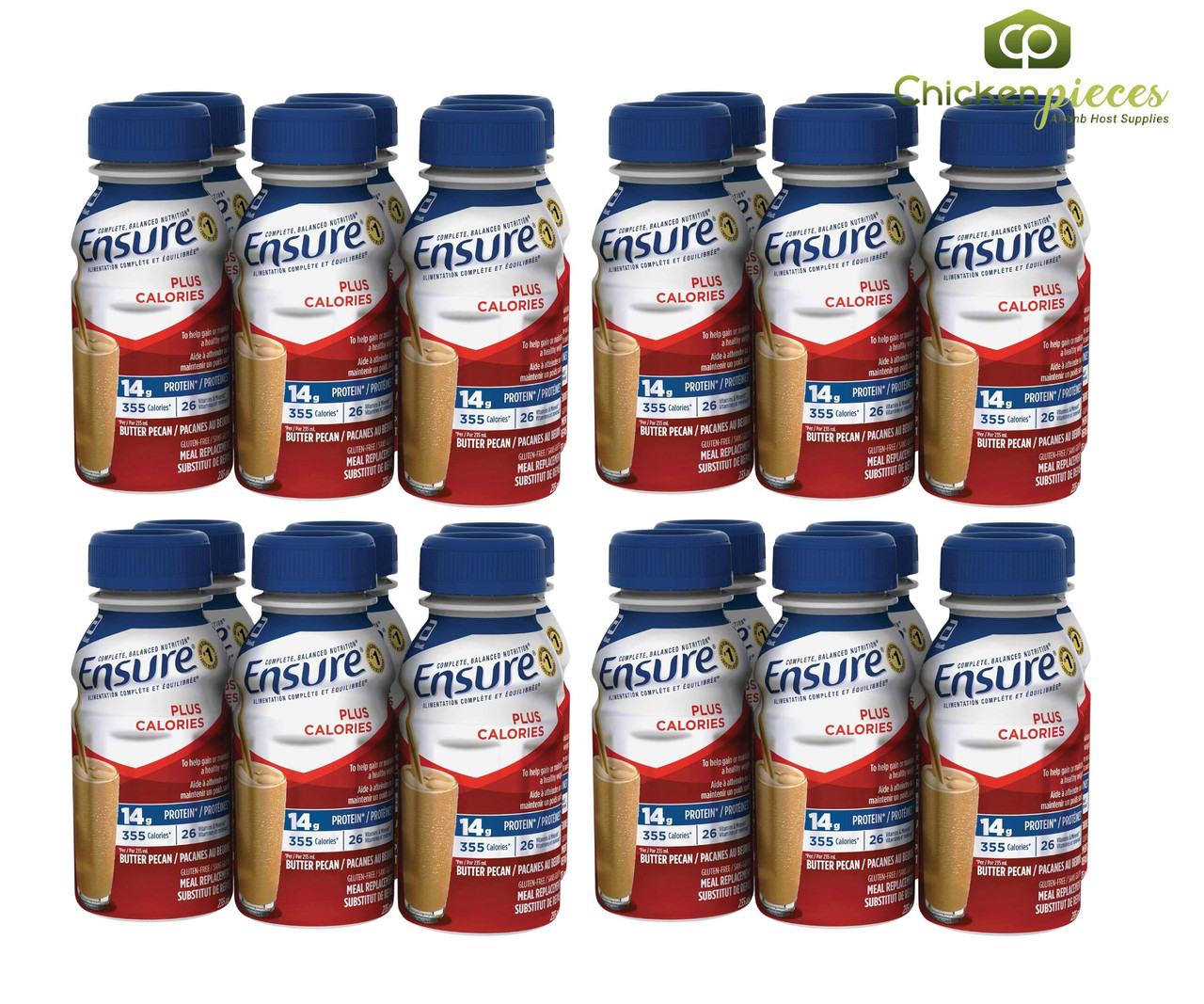
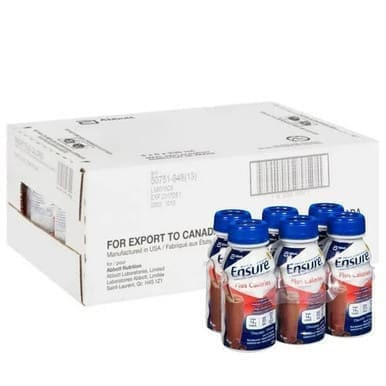
Select items designed for bulk use in institutional settings.

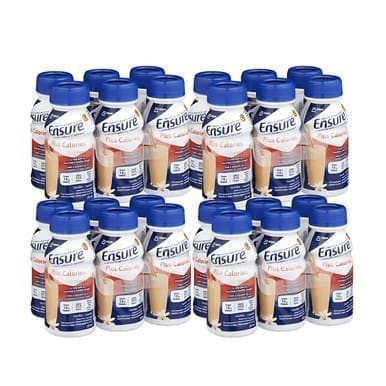

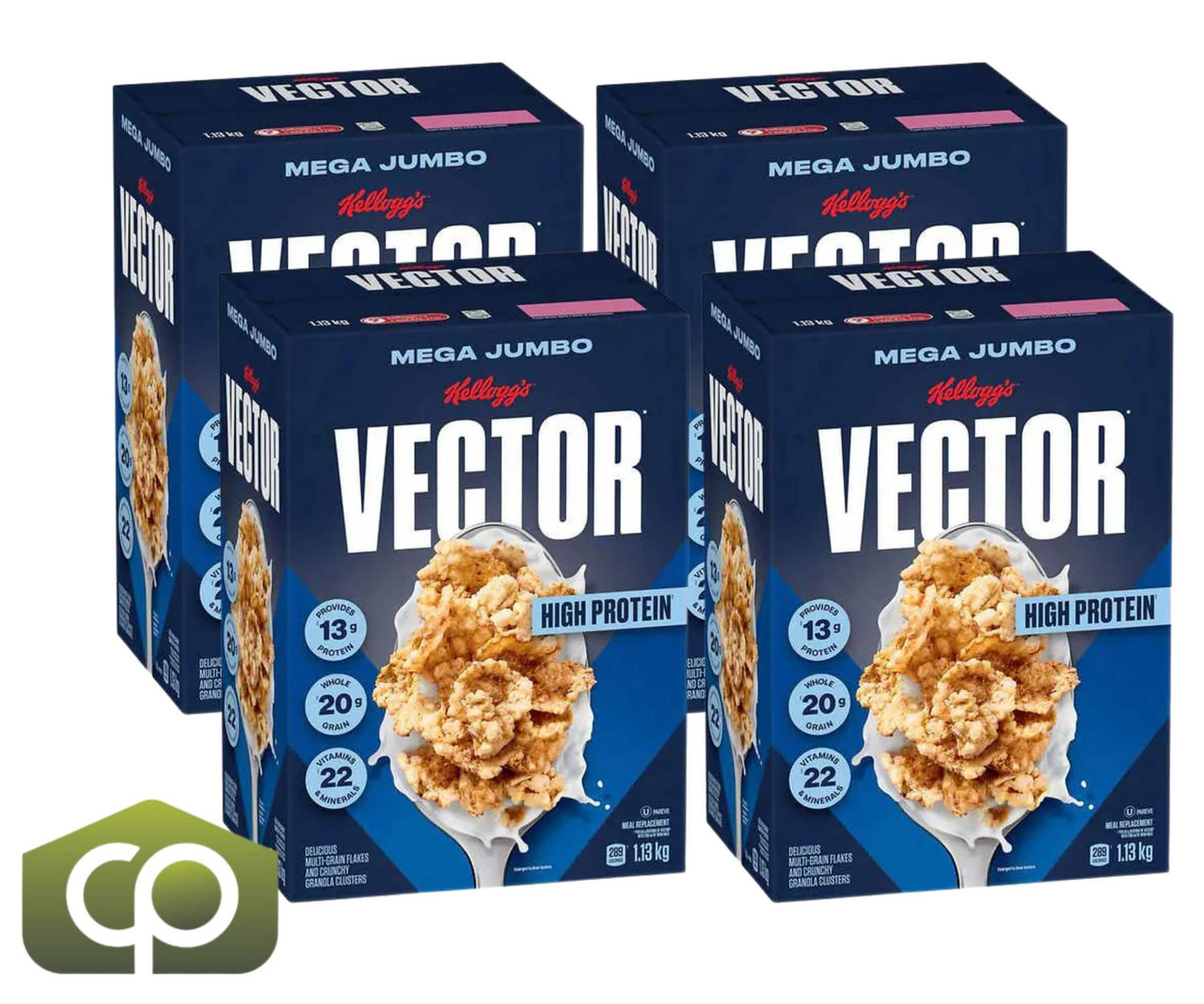
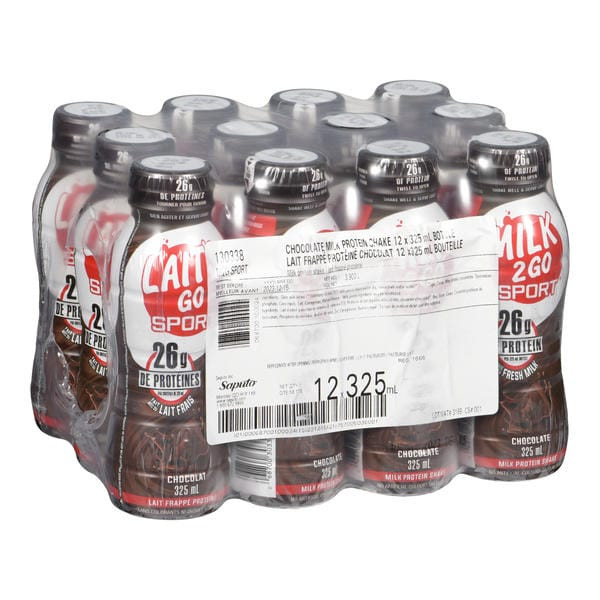
What Canadian Care Home Directors say
Hear from professionals using these products daily.
Residents love the chocolate mix. It dissolves quickly and tastes great. We saw improved energy levels within weeks of adding it to snack routines.
The black beans are consistently high quality. Easy to prepare for large groups and residents appreciate the familiar taste in soups.
Probiotics helped reduce complaints about bloating. Staff find them easy to administer during medication rounds without issues.
Nutrition Compliance: Frequently Asked Questions
How do I calculate protein needs?
Consult a registered dietitian. They assess weight, activity level, and health status to determine precise requirements for each resident.
Can I mix powders in food?
Yes, many powders blend well into soups or sauces. Ensure even distribution to avoid clumps and check flavor compatibility first.
Are legumes safe for seniors?
Most are safe if prepared properly. Cook them thoroughly to soften texture. Introduce gradually to monitor tolerance levels in residents.
How often should I order?
Based on consumption rates and shelf life. Bulk items last longer but check expiration dates regularly to maintain quality standards.
Do supplements replace meals?
Not entirely. They supplement intake when food consumption is low. Aim for a balanced diet with whole foods whenever possible.
Is Canadian sourcing important?
It ensures freshness and regulatory compliance. Local products often have shorter supply chains, reducing risk of contamination or delays.
How do I store protein powder?
Keep in a cool, dry place. Seal containers tightly after use to prevent moisture absorption and maintain potency over time.
Can diabetics take these supplements?
Check sugar content carefully. Some options are low-sugar or sugar-free. Always consult healthcare providers before making changes.
What if a resident refuses?
Try different flavors or textures. Involve the resident in choices when possible. Patience and flexibility often lead to better acceptance.
How do you calculate shipping on bulk orders?
We calculate shipping on live carrier rates at checkout, not on flat or subsidized tiers. Every order is priced against real LTL, parcel, or pallet-freight quotes from our Calgary warehouse to your dock. That means you never absorb hidden shipping costs into product margins — what we charge is what the carrier charges us, plus a small handling pass-through. For bulk and pallet orders this typically runs 15–25% lower than competitors who bake shipping into their unit prices, because the rate is transparent and tied to the actual shipment weight and distance.
Related guides from ChickenPieces
Why Partner With Us
We provide reliable supply solutions tailored for Canadian care environments.
Local Calgary Base
Our central location allows efficient distribution across western Canada. Fast shipping times ensure your inventory remains stocked and fresh.
Bulk Pricing Options
We offer competitive rates for large orders. This helps facilities manage budgets while maintaining high nutritional standards for residents.
Dedicated Support Team
Our staff understands facility operations. We provide personalized assistance with product selection and order management throughout the year.
Regulatory Compliance Focus
All products meet Health Canada or CFIA standards. You can trust our supplies adhere to strict food safety and labeling requirements.
Sources & further reading
- Dietary Reference Intakes — Health Canada
- Supplemental nutrition for older people affected by undernutrition — World Health Organization
- Oral nutritional interventions in frail older people who are malnourished — NCBI Bookshelf
Request Your Supply Quote
Contact us today to discuss your specific nutritional needs. Our team will provide a tailored proposal for your facility.
Request a Quote