 US Dollar (USD)

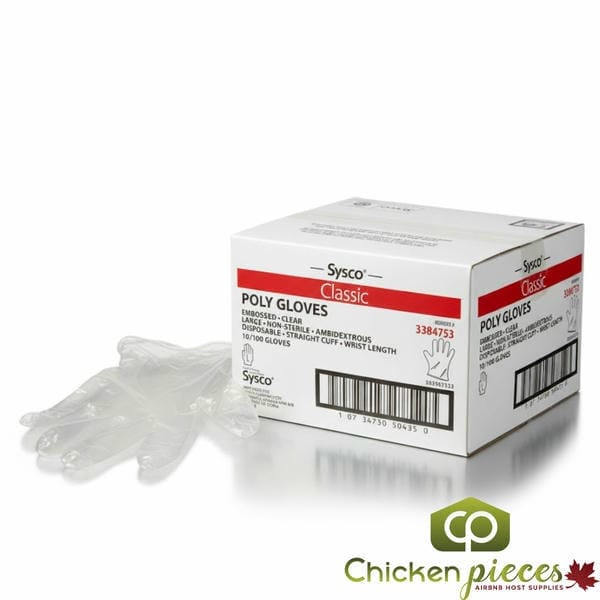
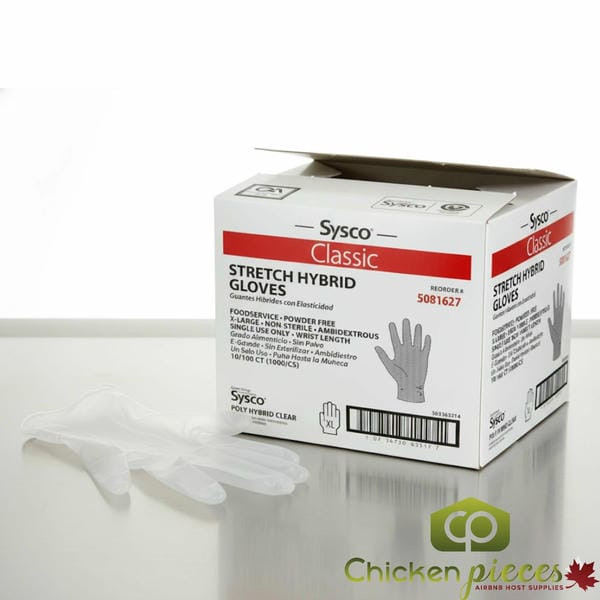
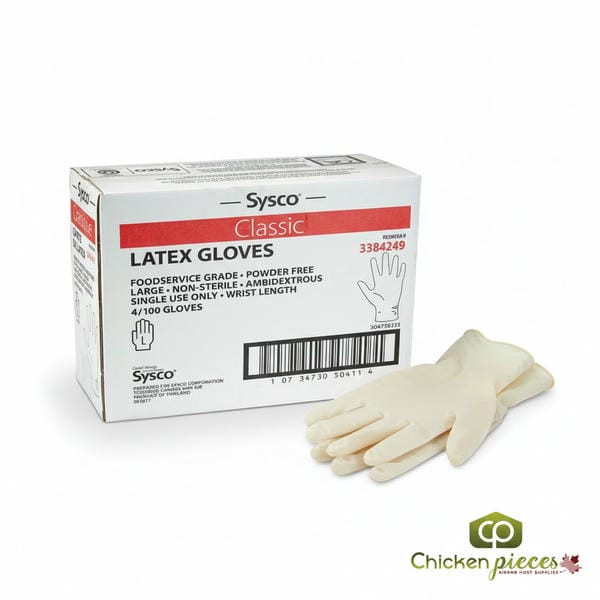
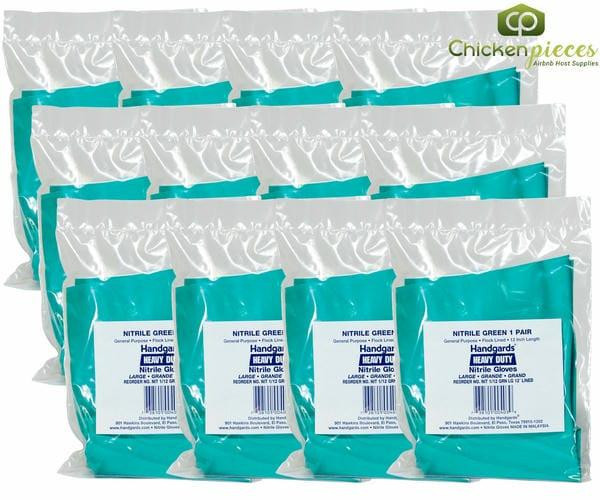
No Canadian regulation orders a cook to wear a glove. Ontario Regulation 493/17 under the Health Protection and Promotion Act sets the actual obligation: food must be protected from contamination while it is handled, stored, displayed and served. A no-bare-hand-contact policy for ready-to-eat food is a recommended control that public health inspectors expect to see documented, and it is the industry norm across hospital kitchens and long-term-care sites. It is not a statutory glove requirement, and any supplier telling a Canadian operator that gloves are the law is selling rather than advising.
The United States is stricter on paper. The FDA Food Code instructs that food employees may not contact exposed ready-to-eat food with bare hands, and directs the use of suitable barriers such as single-use gloves, deli tissue or dispensing equipment. Because the Food Code is adopted state by state, a US operator should plan for a no-bare-hand standard on ready-to-eat items and keep any exception paperwork in order.
Both frameworks share the point that gets lost on kitchen forums: the glove is a barrier, not an absolution. An inspector who sees a cook move from raw prep to plating in the same glove has found a violation, whatever the glove is made of.