
 US Dollar

2026 Jul 6th
Deep Frying Guide: Beef Tallow Versus Seed Oil For Canadian
Beef tallow offers superior heat stability and distinct flavor, reducing oil change frequency. Seed oils provide a neutral taste and lower upfront cost. Canadian operators often blend both for balance.
Deep Frying Guide: Beef Tallow Versus Seed Oil For Canadian Operators
This guide helps facility managers and property owners select the optimal frying medium for high-volume operations, focusing on heat stability, waste reduction, and consistent food quality standards.
Key Takeaways
Here are the key factors influencing your purchasing decision.
Heat Stability Matters
Tallow withstands higher temperatures without breaking down. This reduces harmful compound formation and extends oil life between changes, saving labor time on disposal.
Flavor Profile Differences
Seed oils taste neutral, letting ingredients shine. Tallow adds a rich, savory note suitable for traditional items like fries. Choose based on your menu requirements.
Waste Reduction Potential
Stable fats last longer in the fryer. Fewer changes mean less waste disposal volume. This reduces environmental impact and simplifies daily cleanup routines for staff.
Cost Efficiency Analysis
While initial purchase prices vary, total cost includes usage rate. Tallow may cost more upfront but lasts longer. Calculate lifetime value per batch served.
Canadian Sourcing Benefits
Local production reduces shipping times and carbon footprint. Canadian-made oils meet strict quality standards. Support domestic agriculture while ensuring reliable supply chains.
Storage And Handling
Solid shortenings require melting before use. Liquid oils pour directly. Consider your kitchen layout and staff training needs when selecting your primary frying medium.
Understanding Frying Fat Options
Explore the core differences between animal-based and plant-based frying mediums.
Commercial kitchens face a daily choice in frying mediums. Beef tallow and seed oils dominate the Canadian market. Each offers distinct advantages for different culinary applications. Understanding these differences helps managers make informed purchasing decisions. The right choice impacts food quality, staff efficiency, and overall operational costs significantly.
Beef tallow comes from rendered beef fat. It has a high smoke point and stable structure. This stability allows it to withstand repeated heating cycles without degrading quickly. Seed oils like canola offer versatility and neutrality. They are widely available and often preferred for modern recipes requiring subtle flavors in finished products.
The decision is not always black and white. Many successful operations use both fats strategically. Tallow might serve traditional comfort foods while seed oil handles delicate items. This hybrid approach maximizes the strengths of each medium. It ensures consistent quality across diverse menu offerings without compromising efficiency or taste.
Heat Stability And Oil Life
Examine how fat structure impacts longevity during continuous frying.
Heat stability determines how long fat lasts before spoiling. Saturated fats like tallow resist oxidation better than polyunsaturated seed oils. This resistance means fewer free radicals form during cooking. Operators see extended fryer life and reduced frequency of oil changes. This extension directly translates to labor savings and less waste.
Seed oils vary in stability depending on their composition. High-oleic versions perform better under heat stress. However, standard canola or soybean oils degrade faster over time. Frequent changes increase operational costs and environmental impact. Choosing stable fats helps maintain consistent food quality throughout service hours without constant monitoring.
Understanding smoke points is critical for safety. Tallow typically boasts a higher threshold than many seed oils. Exceeding this point releases harmful compounds and ruins food texture. Proper temperature control remains essential regardless of the fat chosen. Regular maintenance checks ensure your equipment operates within safe parameters for optimal performance.
Impact On Food Flavor Profile
Analyze how different fats influence the taste of fried items.
Flavor contribution varies significantly between tallow and seed oils. Tallow imparts a rich, savory depth to fried foods. This characteristic enhances traditional dishes like french fries or onion rings. Many customers associate this taste with authenticity and quality. It creates a nostalgic experience that drives repeat business for hospitality venues.
Seed oils remain largely flavorless during the frying process. They allow the natural taste of ingredients to shine through clearly. This neutrality suits modern culinary trends focusing on clean eating. Guests seeking subtle flavors often prefer items fried in neutral mediums. Versatility becomes a key advantage when preparing diverse menu items daily.
Consider your target demographic when selecting a frying fat. Older generations may appreciate the strong taste of tallow. Younger audiences might lean towards lighter, less intrusive flavors. Balancing these preferences requires careful menu planning and testing. Offering options can satisfy broader customer bases without alienating specific groups entirely.
Operational Costs And Efficiency
Evaluate the financial implications of choosing one fat over another.
Initial purchase price is only part of the cost equation. Tallow often commands a higher upfront fee per kilogram. However, its longevity reduces total volume needed over time. Seed oils may appear cheaper initially but require more frequent replacement. Calculating cost per batch served provides a clearer financial picture for managers.
Labor costs associated with oil changes matter greatly. Fewer changes mean less staff time spent on disposal tasks. This efficiency allows employees to focus on guest service instead. Reduced waste disposal fees also contribute to overall savings. Long-term planning should account for these hidden operational expenses accurately.
Supply chain reliability affects budgeting consistency. Local Canadian suppliers offer stable pricing structures generally. Import dependencies can introduce volatility due to exchange rates. Establishing relationships with domestic vendors ensures predictable costs year-round. Stability in sourcing supports accurate financial forecasting and smoother kitchen operations daily.
Canadian Sourcing And Quality Standards
Highlight the benefits of purchasing locally produced frying fats.
Supporting Canadian agriculture has tangible business benefits. Local production reduces transportation emissions significantly. Freshness improves when supply chains are shorter and simpler. Domestic manufacturers adhere to rigorous quality control measures already. This adherence guarantees consistent product performance across all batches received by your kitchen.
Economic resilience grows with local procurement decisions. Relying on imports exposes businesses to global market fluctuations. Canadian suppliers provide steadier pricing models overall. This stability aids in long-term financial planning efforts substantially. Investing locally strengthens regional economies while securing reliable access to essential cooking ingredients daily.
Quality assurance protocols differ internationally sometimes. Canadian standards prioritize safety and purity heavily. Products meet strict guidelines set by regulatory bodies explicitly. This focus minimizes risk of contamination or inconsistency issues arising unexpectedly. Operators gain peace of mind knowing every unit purchased meets high expectations reliably.
Choosing The Right Fat For You
Determine which option aligns best with your specific operational goals.
Assess your current menu structure carefully first. Identify which items benefit most from rich flavors. Others may require neutral backgrounds for balance. Matching fat type to dish profile optimizes results naturally. This alignment ensures every plate meets quality expectations consistently without compromise or confusion among staff members serving guests.
Consider equipment capabilities alongside ingredient choices next. Older fryers might struggle with higher viscosity shortenings initially. Modern units handle various mediums more efficiently generally. Upgrading technology could unlock new possibilities for fat usage flexibility later. Evaluate infrastructure needs before making significant changes to established routines entirely.
Finally, think about sustainability values driving your brand forward. Eco-conscious guests appreciate responsible sourcing practices visibly. Highlighting local origins builds trust and loyalty effectively. Communicate these efforts transparently through marketing channels available. Demonstrating commitment to ethical standards enhances reputation positively within competitive hospitality markets today.
Comparison: Beef Tallow Versus Seed Oil
Review key metrics to determine suitability for your kitchen.
| Attribute | Beef Tallow | Canola/Seed Oil | Blended Shortening |
|---|---|---|---|
| Smoke Point | High (200°C+) | Medium-High (190-205°C) | High (200°C+) |
| Flavor Profile | Rich, Savory | Neutral, Light | Mild, Customizable |
| Heat Stability | Excellent | Good (Varies) | Very Good |
| State at Room Temp | Solid | Liquid | Solid/Semi-Solid |
| Oil Change Frequency | Infrequent | Frequent | Moderate |
| Local Availability | High | Very High | High |
| Best For | Traditional Fries | Delicate Items | Mixed Menus |
Explore Our Frying Product Range
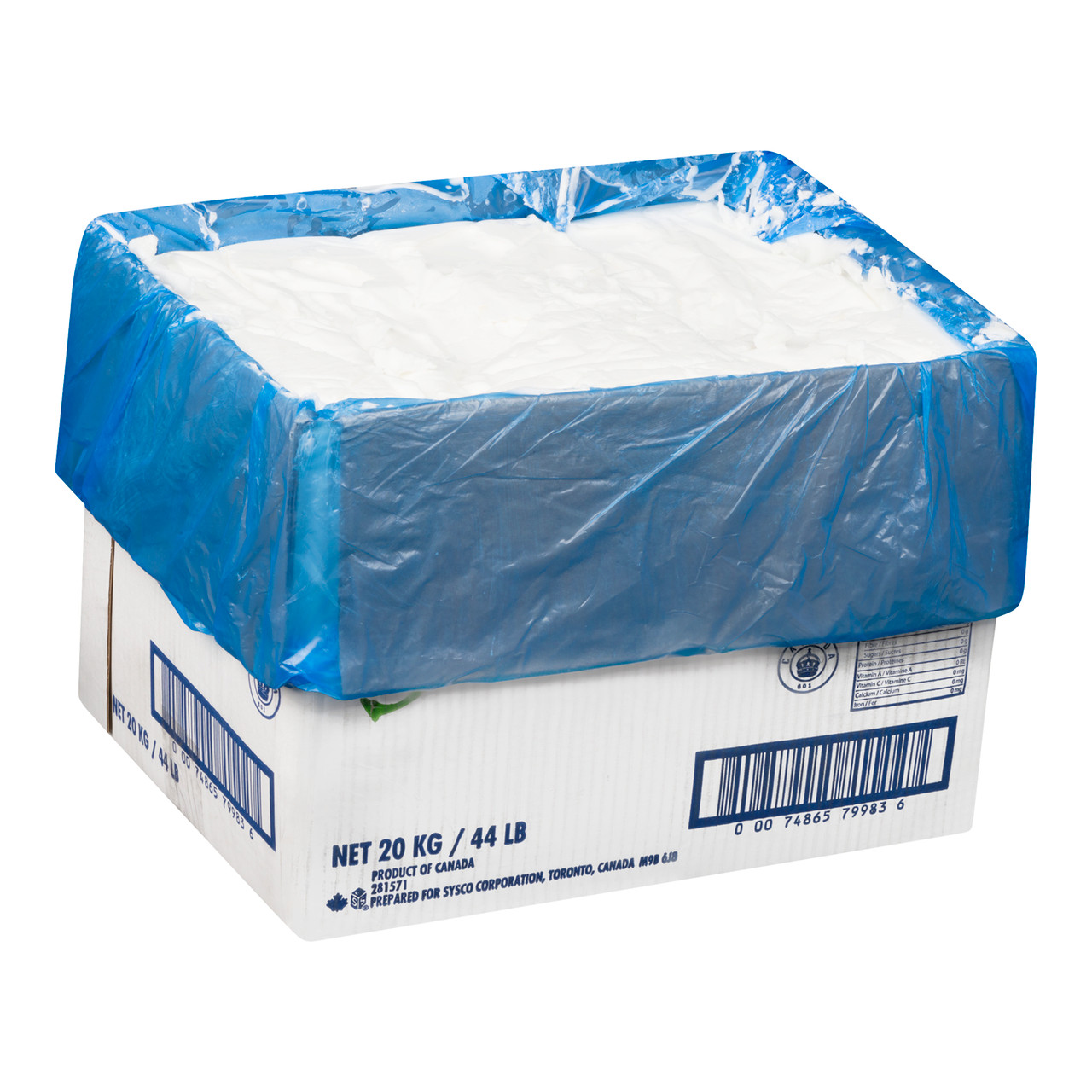
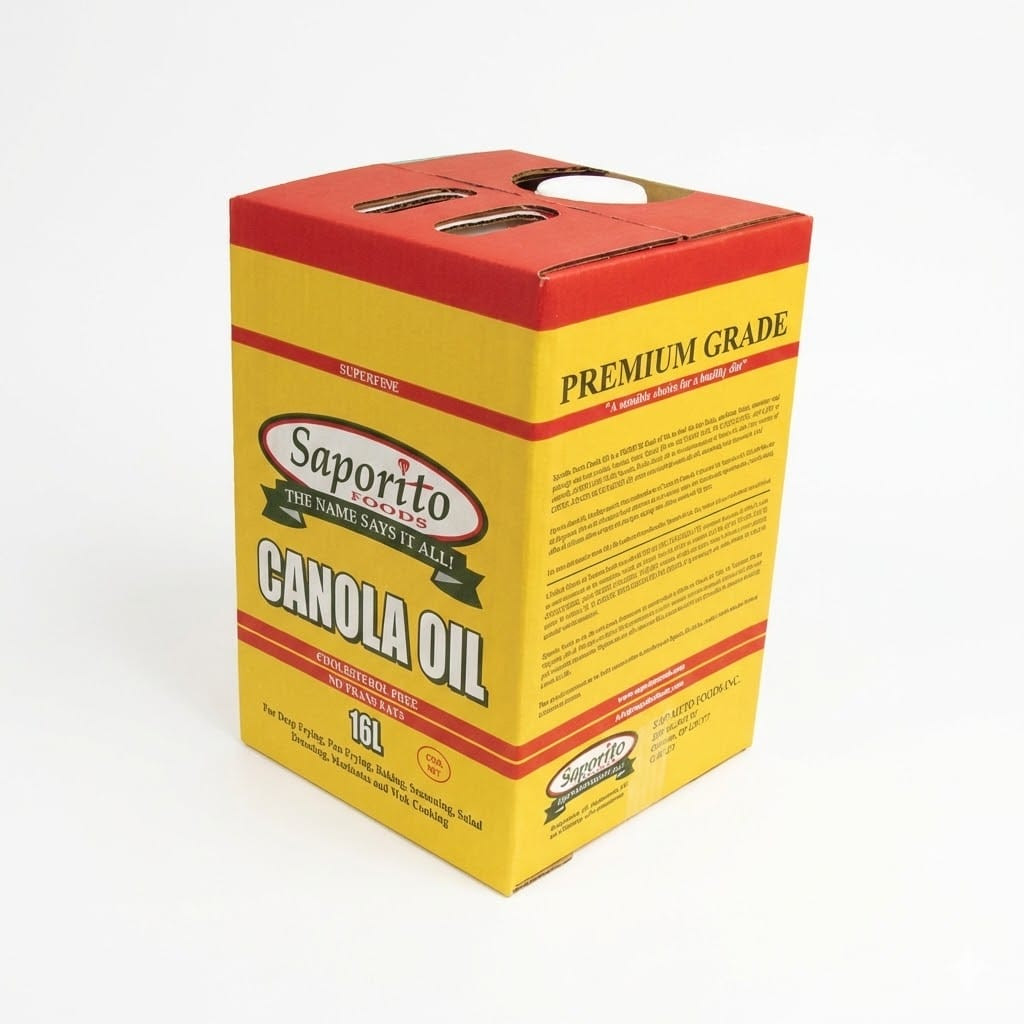
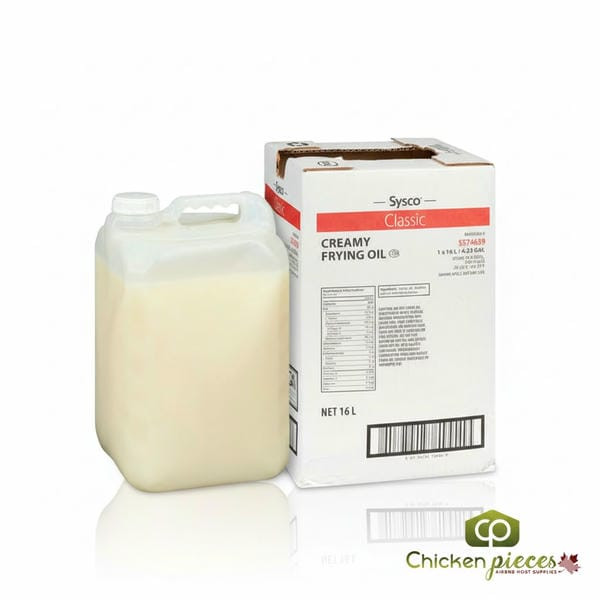
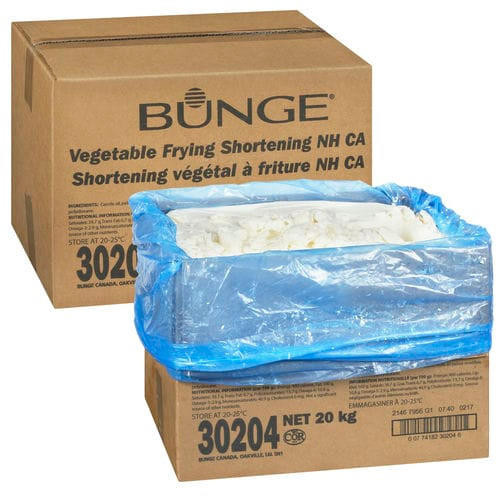
Browse our comprehensive selection of oils and shortenings tailored for Canadian commercial kitchens.





What Canadian Kitchen Managers say
See what industry professionals say about our supply reliability.
Switching to their beef tallow reduced our oil waste by forty percent. The fries taste authentic now, and guests notice the improvement immediately. Our staff loves fewer changes too.
Delivery consistency is unmatched in Ontario. We never run out during peak hours. The canola oil blend keeps our tempura light and crisp without heavy aftertastes lingering on plates.
Bulk pricing makes sense for our large scale operation. Quality remains high across every batch received. Customer service team resolves any minor issues quickly and efficiently always.
Frying Fat FAQs: Frequently Asked Questions
How do I store beef tallow properly?
Keep tallow in a cool, dry place away from direct sunlight. Store unopened cubes in original packaging. Once opened, transfer to airtight containers if necessary. Proper storage prevents rancidity and maintains quality for extended periods of time.
Can I mix different oils together?
Yes, blending is common practice among professional chefs. Mixing tallow with seed oil balances flavor and stability. Experiment with ratios to find your ideal combination. Consistency in mixing ensures predictable results every time you cook.
What is the shelf life of frying oils?
Shelf life varies by product type and storage conditions. Generally, unopened containers last twelve to eighteen months. Check expiration dates printed on labels carefully. Proper storage extends usability significantly beyond minimum guarantees provided by manufacturers typically.
Is tallow suitable for vegan menus?
No, beef tallow is an animal-derived product. It does not meet vegan dietary requirements strictly. Use certified plant-based alternatives like high-stability canola or sunflower oils instead. Clearly label menu items to inform guests accurately about ingredients used.
How often should I filter my oil?
Filtering removes food particles that accelerate breakdown processes. Daily filtering is recommended for high-volume operations. Use fine mesh screens or commercial filtration systems available locally. Regular maintenance extends oil life and preserves flavor integrity effectively.
Do you deliver to remote Canadian regions?
We serve clients across Canada, including many rural areas. Delivery times may vary depending on location and weather conditions. Contact our support team for specific scheduling details. We strive to reach every customer with reliable service regardless of distance.
What defines a premium frying oil?
Premium oils offer superior heat stability and neutral flavors. They undergo rigorous refining processes to remove impurities effectively. Look for products sourced from reputable Canadian manufacturers meeting strict standards. Quality ingredients ensure consistent performance in demanding kitchen environments daily.
How do I dispose of used frying fat?
Never pour fat down drains as it causes blockages. Cool and solidify the fat before disposal in trash bins. Many municipalities offer recycling programs for used cooking oils. Participating supports environmental sustainability efforts while complying with local regulations fully.
Can I use tallow for baking?
Yes, tallow works well in certain baked goods like pie crusts. It creates flaky textures similar to butter or lard. Use it sparingly as the flavor is distinct. Adjust recipes accordingly to accommodate its unique properties best.
How do you calculate shipping on bulk orders?
We calculate shipping on live carrier rates at checkout, not on flat or subsidized tiers. Every order is priced against real LTL, parcel, or pallet-freight quotes from our Calgary warehouse to your dock. That means you never absorb hidden shipping costs into product margins — what we charge is what the carrier charges us, plus a small handling pass-through. For bulk and pallet orders this typically runs 15–25% lower than competitors who bake shipping into their unit prices, because the rate is transparent and tied to the actual shipment weight and distance.
Related guides from ChickenPieces
Why Buy From ChickenPieces
We provide reliable supply chains and expert support for Canadian operators.
Local Expertise
Our team understands regional market dynamics deeply. We tailor solutions to fit specific Canadian kitchen needs effectively. This localized approach ensures relevant product recommendations always.
Fast Delivery
Efficient logistics networks guarantee timely arrivals across provinces. Reliable scheduling prevents stockouts during critical service periods. You get what you need when you need it most consistently.
Quality Assurance
Every product meets stringent quality benchmarks before shipping. We partner only with trusted Canadian manufacturers known for excellence. This commitment protects your reputation and guest satisfaction levels daily.
Regulatory Compliance
All items adhere to Health Canada and CFIA guidelines strictly. This compliance ensures safety and legality in your operations. We handle the regulatory complexity so you can focus on cooking.
Request A Custom Quote Today
Contact our sales team for personalized pricing options. We are ready to support your operational needs immediately.
Request a QuoteAuthoritative Sources
The following government and public-health sources informed the operator guidance above. Citations to Reddit, Quora, and operator forums appear in the FAQ block above.