
 US Dollar

2026 Jul 6th
Master Slush Concentrate Ratios For Better Yield And Control
A 5:1 concentrate means one part syrup mixes with five parts water. This ratio creates the correct sweetness and texture for frozen drinks. It allows operators to calculate exact yields from each bottle.
Master Slush Concentrate Ratios For Better Yield And Control
Property managers and hosts need precise mixing ratios to maintain consistency across multiple locations while controlling inventory levels effectively.
Key Takeaways
Key points every operator should know about slush ratios.
Understand The Ratio Meaning
The first number represents water volume. The second number is the syrup. A five-to-one ratio means you add five liters of water to one liter of concentrate.
Calculate Total Yield Easily
Add the ratio numbers together. For a four-liter bottle, multiply by six. This gives you twenty-four liters of finished product. Simple math helps in planning inventory needs.
Control Sweetness Levels Precisely
Using pre-measured ratios prevents over-sweetening or weak flavors. Consistency builds customer trust. Staff can follow instructions without guessing how much syrup to add each time.
Manage Inventory More Efficiently
Knowing yield helps predict when to reorder. You avoid running out during peak seasons. Bulk purchasing becomes easier when you understand exactly how much product each bottle produces.
Reduce Waste And Error
Manual pouring often leads to mistakes. Concentrates with clear ratios minimize human error. This reduces waste and ensures every cup meets the same high standard of taste.
Scale Operations With Confidence
Whether you run one location or fifty, standardized ratios work everywhere. Training new staff is faster. Quality remains stable regardless of who operates the equipment daily.
Understanding The Five-To-One Mixing Standard
Learn how this specific ratio defines your beverage output and consistency.
The term five-to-one refers to the dilution rate. You take one volume of syrup. Then you add five volumes of water. This creates a specific concentration level. It is standard for many frozen drink machines. The ratio ensures proper freezing points are reached.
This method simplifies training for your staff. They do not need to taste test every batch. The instructions are clear and repeatable. Consistency becomes easy to achieve across shifts. Guests expect the same flavor every visit. Meeting that expectation builds loyalty quickly.
Many operators confuse this with other ratios. Two-to-one is much sweeter. Ten-to-one is very diluted. Using the wrong ratio ruins the texture. It can also damage equipment over time. Stick strictly to the manufacturer guidelines for best results.
Calculating Total Volume From Concentrate Bottles
Simple math helps you predict exactly how much drink you get.
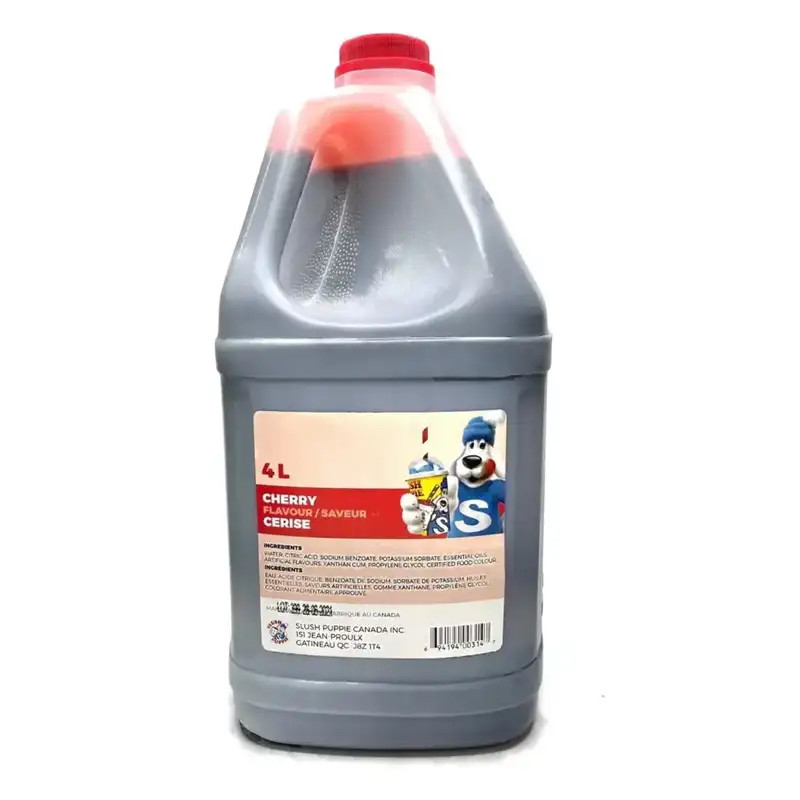
Start with your bottle size. Most are four liters. Add the ratio numbers together. One plus five equals six. Multiply your bottle size by this sum. Four times six gives you twenty-four liters. This is your total yield potential.
Knowing this number helps in ordering supplies. You can estimate how many bottles you need per week. It prevents over-ordering or under-ordering stock. Your inventory management becomes more accurate. You save space and reduce waste significantly.
This calculation applies to all five-to-one products. Whether grape or strawberry, the math stays the same. It provides a reliable baseline for planning. Use this data to forecast demand during busy seasons. Accurate forecasting leads to smoother operations overall.
Managing Input Costs Through Volume Awareness
Track your spending by understanding how much each cup costs.
While we avoid specific prices, volume matters. Higher yield means lower cost per serving. You get more drinks from each bottle purchased. This improves your overall margin structure. It makes frozen beverages highly profitable items on any menu.
Compare different brands carefully. Some offer better yields or flavors. Look for consistent quality in every batch. Reliable suppliers ensure steady supply chains. They help you maintain service without unexpected interruptions or shortages.
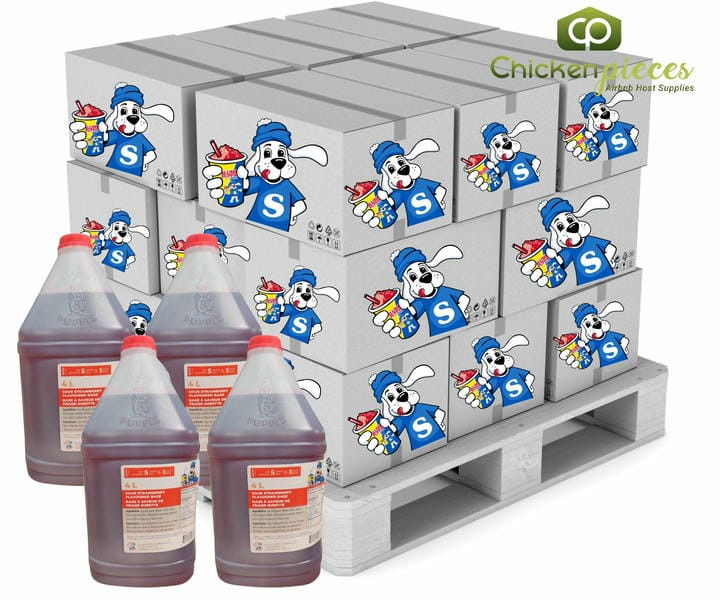
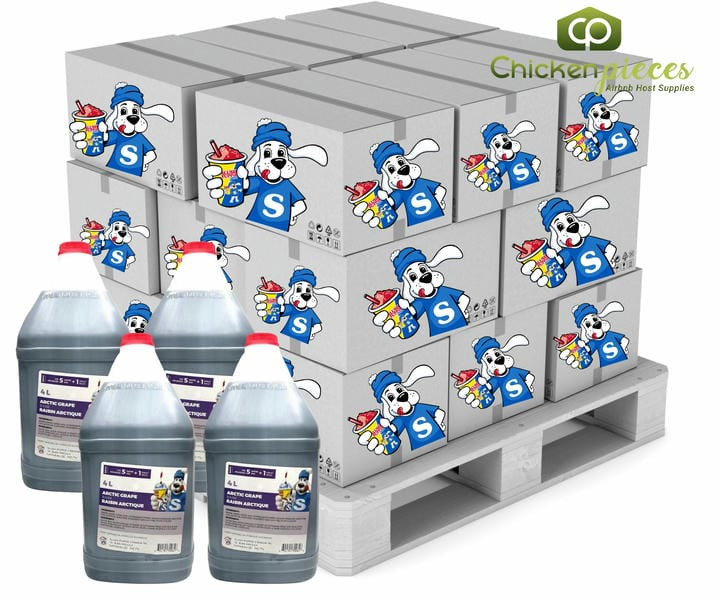
Bulk buying often reduces per-unit expenses. Consider pallet orders if storage allows. Storing extra stock prevents emergency purchases. Plan ahead for summer peaks. Smart purchasing habits directly improve your bottom line performance.
Maintaining Machine Health With Proper Dilution
Correct ratios protect your machinery and ensure smooth operation.
Using the wrong ratio harms equipment. Too thick syrup strains pumps. Too thin mix fails to freeze properly. Both issues cause breakdowns. Repair costs add up quickly. Preventative care starts with correct mixing procedures every single time.
Five-to-one ratios are designed for standard machines. They balance viscosity and freezing points well. This balance reduces wear on internal parts. Your investment lasts longer with proper use. Regular maintenance checks support this longevity effectively.
Train staff on equipment care too. They should report issues early. Small problems become big repairs if ignored. Establish clear protocols for daily cleaning. Keep logs of maintenance activities for reference and accountability.
Ensuring Uniform Taste Across All Locations
Standardized mixing guarantees every guest gets the same experience.
Consistency is key for brand reputation. Guests notice changes in flavor intensity. A standardized ratio removes guesswork from the process. Every cup tastes identical regardless of location. This reliability encourages repeat visits and positive reviews online.
Different flavors may have slight variations. However, the base ratio remains constant. Trust the formula provided by manufacturers. They test extensively before release. Deviating from instructions risks compromising product quality unnecessarily.
Document your mixing procedures clearly. Post them near preparation areas. New hires can learn quickly this way. Consistent practices reduce errors significantly. Quality control becomes part of daily routine rather than an afterthought.
Strategic Stocking For Peak Season Demand
Prepare for busy periods by calculating needs ahead of time.
Peak seasons require careful planning. Estimate daily sales accurately. Multiply by expected duration of busy period. Add buffer stock for safety. Ordering early avoids last-minute rushes. Reliable suppliers deliver on time consistently.
Storage conditions matter greatly. Keep syrup in cool dry places. Avoid direct sunlight exposure. Proper storage maintains flavor integrity. Damaged bottles should be replaced immediately. Do not use compromised product under any circumstances.
Review sales data monthly. Identify trends and patterns. Adjust orders based on historical performance. This proactive approach minimizes waste. It ensures you always have popular flavors in stock when needed most.
Comparing Slush Concentrate Options And Yields
Review how different bottle sizes impact total volume and storage needs.
| Option Type | Bottle Volume | Ratio Used | Total Yield |
|---|---|---|---|
| Standard Bottle | 4 Litres | 5:1 | 24 Litres |
| Case Pack | 16 Litres | 5:1 | 96 Litres |
| Pallet Order | 768 Litres | 5:1 | 4608 Litres |
| Single Flavor | 4 Litres | 5:1 | 24 Litres |
| Multi Flavor | 4 Litres | 5:1 | 24 Litres |
| Bulk Case | 4 Cases | 5:1 | 96 Litres |
| Full Pallet | 48 Cases | 5:1 | 4608 Litres |
Browse Our Complete Slush Syrup Collection
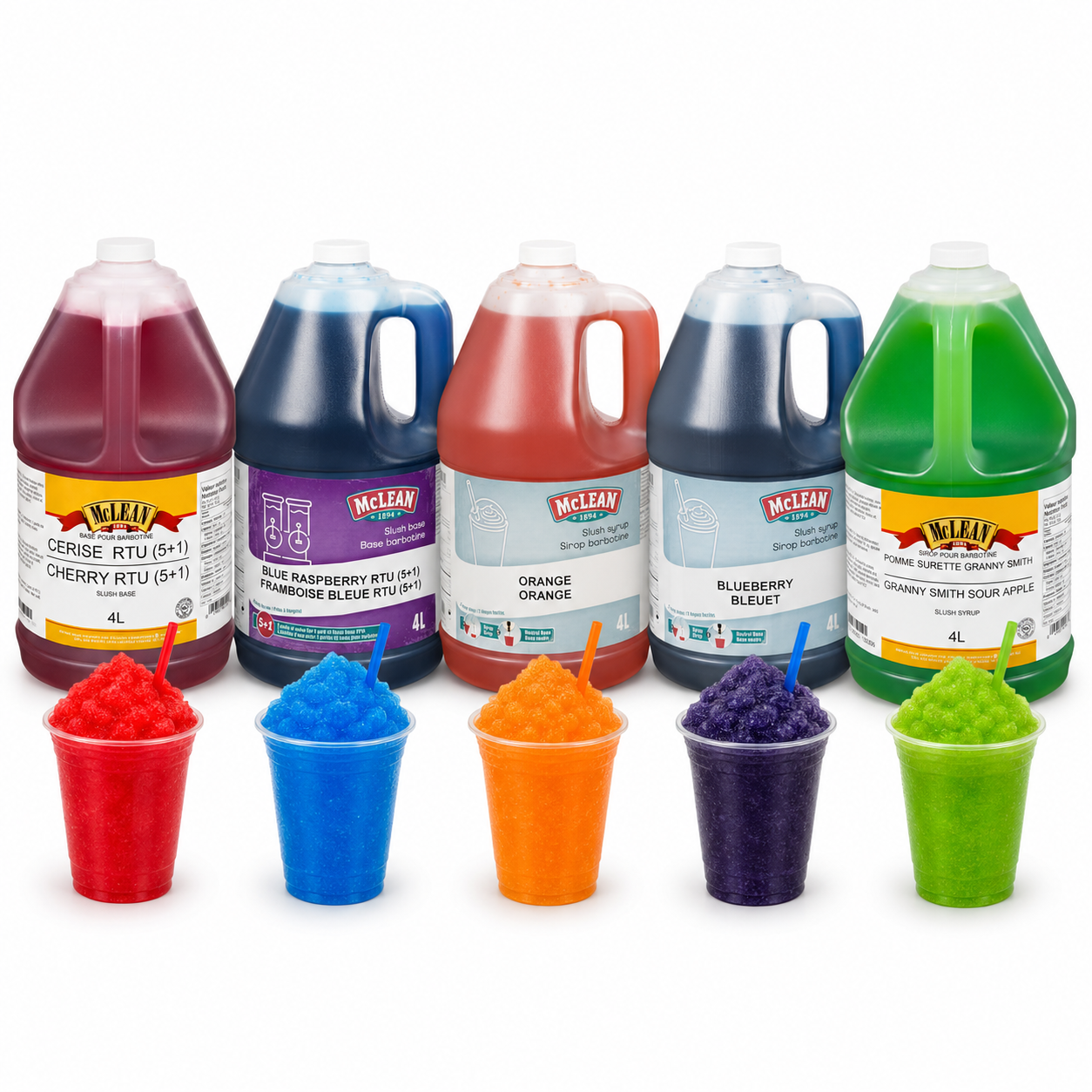
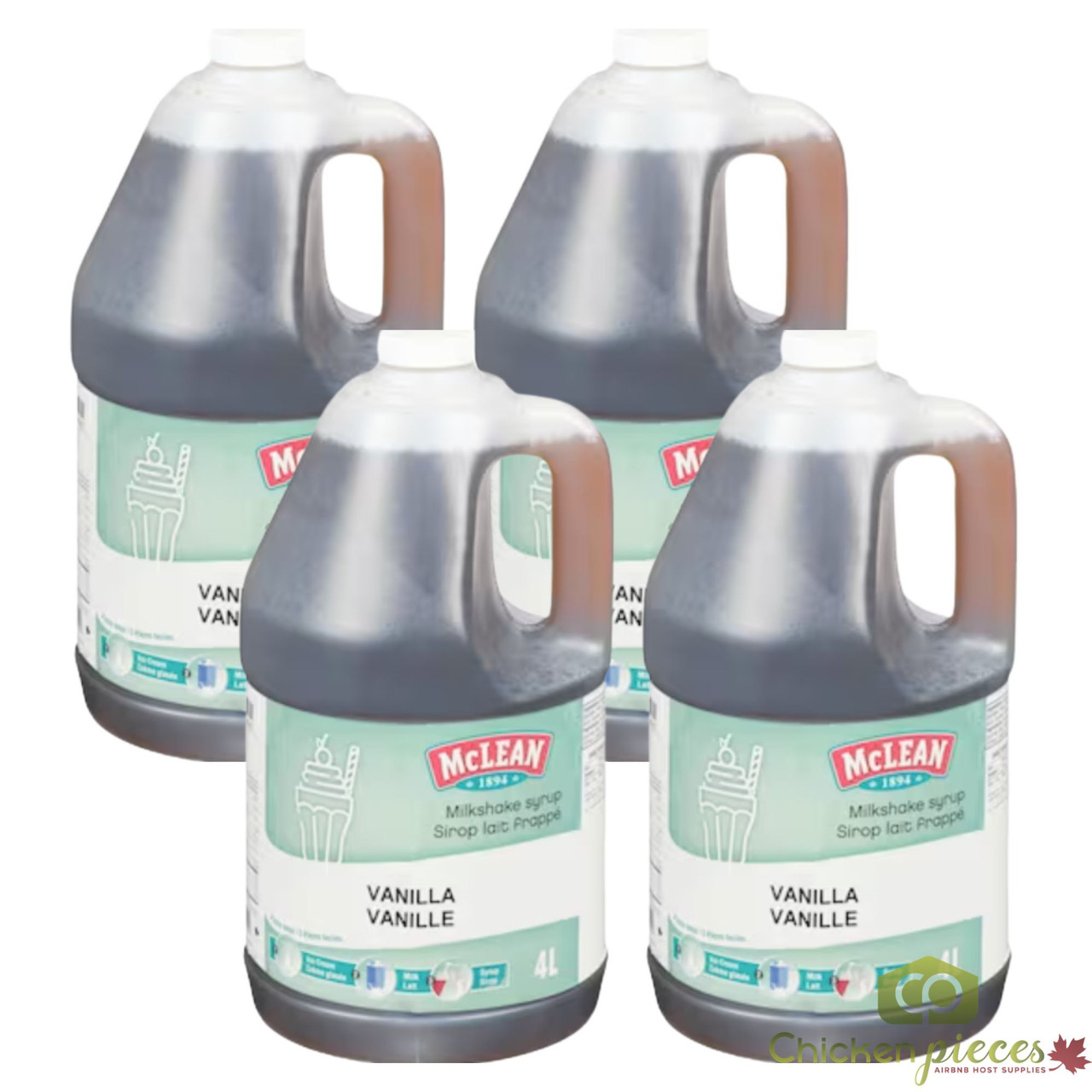
Find every flavor and size needed for your operation.
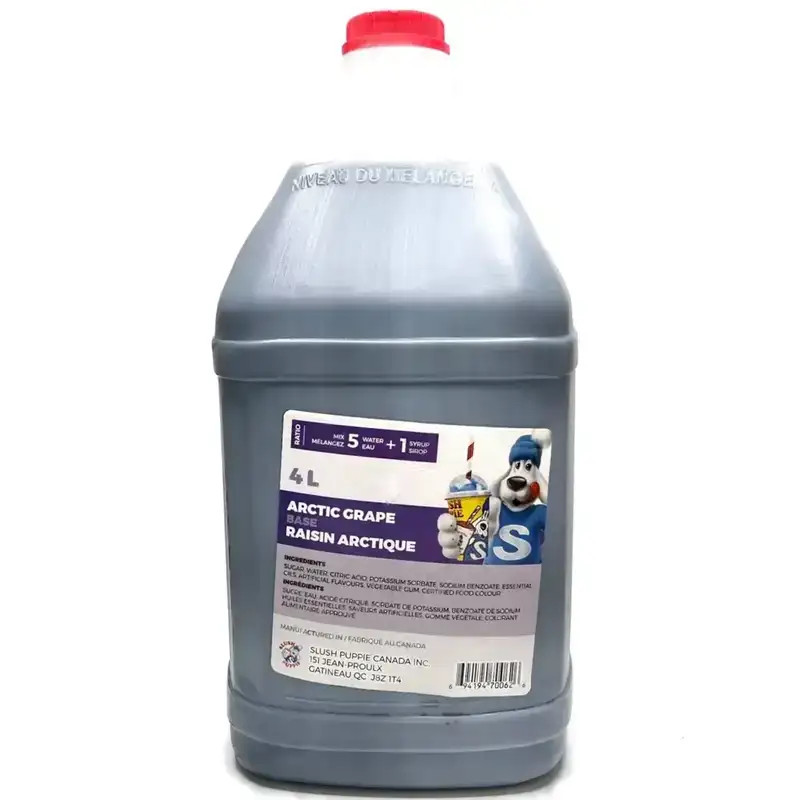
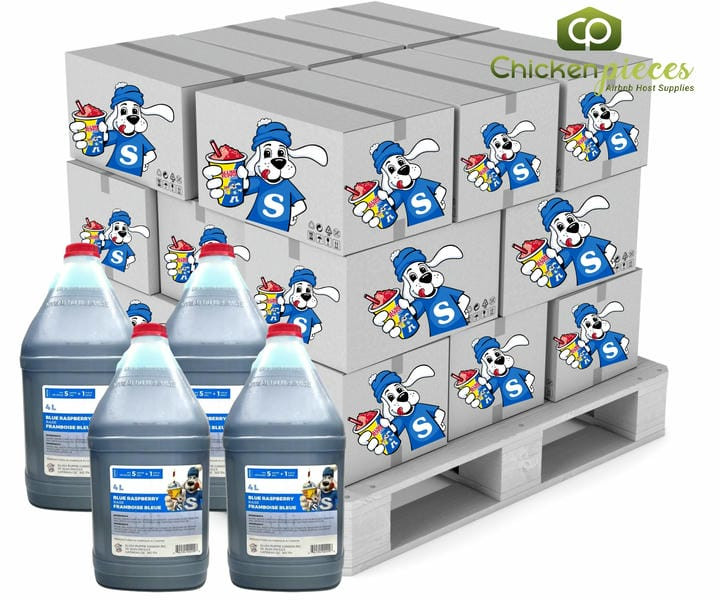
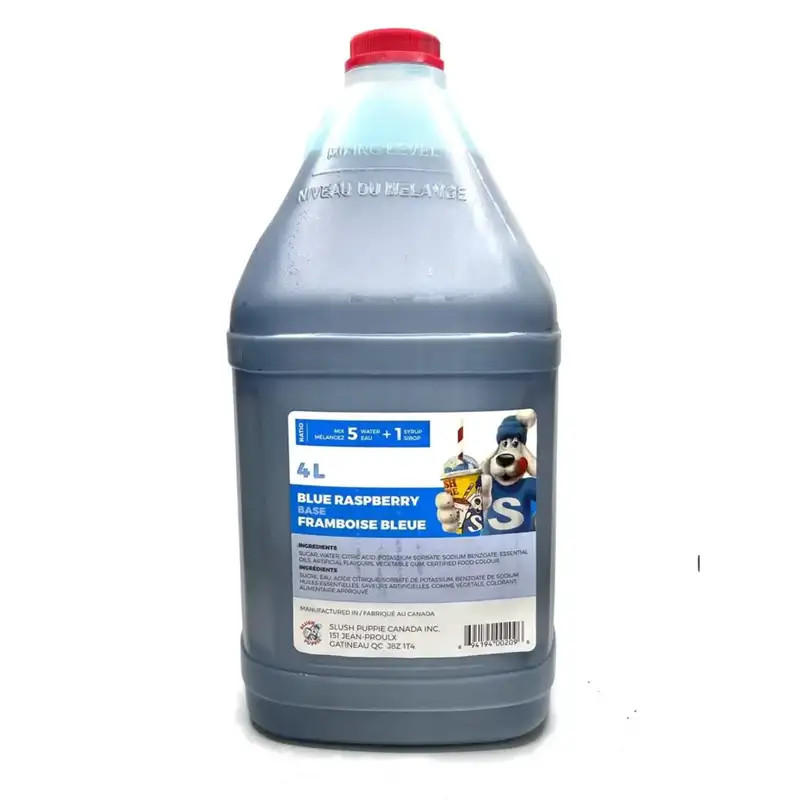
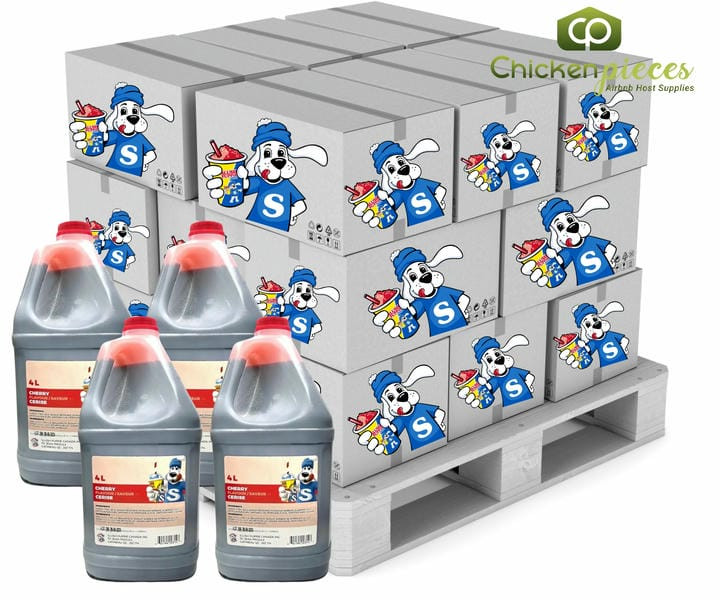
What Canadian hospitality managers say
Hear from operators who improved their beverage service.
Switching to five-to-one concentrates simplified our morning routine. Staff made fewer mistakes. Guests noticed the consistent taste immediately. Our inventory tracking became much easier with predictable yields per bottle.
Managing multiple properties requires reliable supplies. These syrups deliver consistent quality every time. The yield calculations helped us order accurately. We reduced waste significantly within the first month of using them.
Our facility serves hundreds daily. Consistency is critical for satisfaction. The five-to-one ratio works perfectly with our machines. We see fewer breakdowns now. Customer complaints about taste have dropped noticeably since switching.
Mixing And Storage: Frequently Asked Questions
How do I clean the nozzle after pouring?
Rinse the nozzle with warm water immediately after use. Sugar residue can harden quickly. Use a soft brush for tough spots. Regular cleaning prevents clogs and maintains hygiene standards effectively.
Can I mix different flavors together?
Yes, you can experiment with blends. However, test small batches first. Some combinations may alter texture or taste unexpectedly. Ensure both syrups use the same ratio for consistent results in your final product.
What happens if I use too much water?
The drink will taste weak and watery. It may not freeze properly in the machine. This can lead to operational issues too. Always follow the recommended ratio to ensure proper texture and flavor intensity.
Is refrigeration required before opening?
Check the label for specific instructions. Most concentrates are shelf-stable until opened. Once opened, refrigerate to maintain freshness. Store in a cool dry place away from direct sunlight for best results.
How long does an open bottle last?
Use within the timeframe stated on packaging. Typically several weeks if refrigerated properly. Seal tightly after each use. Discard if you notice any changes in smell or appearance before expiration date.
Can I adjust sweetness levels manually?
We recommend sticking to the tested ratio. Adjusting may affect freezing points and texture. It could also void equipment warranties. Trust the manufacturer guidelines for optimal performance every time.
Do these syrups contain artificial colors?
Ingredients vary by brand and flavor. Check the label details for full information. Many use natural sources where possible. Transparency helps you choose products that align with your values and guest preferences.
How do I handle spills during mixing?
Clean spills immediately to prevent slipping hazards. Use towels or mops for larger amounts. Slippery floors are dangerous in commercial kitchens. Maintain a safe environment for staff and guests at all times.
What water quality works best?
Filtered water produces the cleanest taste. Tap water may contain minerals affecting flavor. Install a filtration system if needed. Good water enhances the syrup quality and ensures consistent results every time.
How do you calculate shipping on bulk orders?
We calculate shipping on live carrier rates at checkout, not on flat or subsidized tiers. Every order is priced against real LTL, parcel, or pallet-freight quotes from our Calgary warehouse to your dock. That means you never absorb hidden shipping costs into product margins — what we charge is what the carrier charges us, plus a small handling pass-through. For bulk and pallet orders this typically runs 15–25% lower than competitors who bake shipping into their unit prices, because the rate is transparent and tied to the actual shipment weight and distance.
Related guides from ChickenPieces
Why Partner With ChickenPieces For Supplies
We provide reliable Canadian sourcing for your business needs.
Fast Local Delivery
Based in Calgary, we ship quickly across Canada. Your orders arrive on time. Reliable logistics support your operations without delay or unexpected shortages.
Quality Assurance
We source only reputable brands. Every product meets high standards. You receive consistent quality batch after batch. Trust our selection process for your beverage needs.
Expert Support
Our team understands hospitality operations. We offer practical advice on mixing and storage. Get help when you need it most. Professional guidance improves your daily workflow significantly.
Regulatory Compliance
All products meet Health Canada standards. We ensure full regulatory compliance. This protects your business and guests. Shop with confidence knowing safety comes first in our supply chain.
Request A Custom Quote Today
Contact us for tailored pricing on bulk orders. We help you optimize your inventory costs effectively.
Request a QuoteAuthoritative Sources
The following government and public-health sources informed the operator guidance above. Citations to Reddit, Quora, and operator forums appear in the FAQ block above.