
 US Dollar (USD)


2026 Jul 13th
Stock N95 Respirators and PPE for Canadian Facility Safety
Canadian facilities should stock certified N95 respirators, disposable masks, and reusable options. Maintain adequate inventory levels to ensure immediate availability for staff protection against airborne particles and dust during routine operations or emergency response situations.
Stock N95 Respirators and PPE for Canadian Facility Safety Compliance
Facility operators and property managers in Canada need dependable personal protective equipment to maintain safe environments for staff and guests during daily operations or unexpected health events.
Key Takeaways
Key considerations for maintaining proper personal protective equipment inventory include the following points regarding selection and storage protocols.
Verify Certification Standards
Ensure all respirators meet Canadian regulatory standards. Proper certification guarantees filtration efficiency and structural integrity, providing reliable protection against hazardous airborne particles in various workplace environments.
Assess Fit Requirements
Different tasks require different mask types. Evaluate whether your staff needs surgical-style masks or high-efficiency particulate respirators based on exposure risks and specific industry safety guidelines for optimal comfort.
Plan Storage Conditions
Store equipment in cool, dry places away from direct sunlight. Proper storage prevents degradation of materials and ensures the product remains effective until use, extending the shelf life of your inventory significantly.
Rotate Inventory Regularly
Practice first-in-first-out rotation to prevent expiration. Old stock loses efficacy over time, so tracking purchase dates helps maintain a fresh supply of protective gear for immediate deployment when needed most.
Train Staff Usage
Provide clear instructions on donning and doffing procedures. Proper usage ensures the seal is tight and effective, maximizing protection levels and preventing accidental exposure to harmful substances during daily operations.
Monitor Supply Levels
Set reorder points before stock runs low. Maintaining buffer inventory prevents gaps in protection coverage, ensuring your facility can respond quickly to sudden increases in demand or unexpected safety incidents.
Identifying Specific Respiratory Protection Requirements
Different facilities face unique risks that dictate the type of respiratory protection needed for staff safety.
Facility managers must evaluate the specific environmental conditions within their properties. Offices differ significantly from industrial sites or hospitality venues in terms of exposure risks. Understanding these distinctions helps determine whether standard dust masks or advanced particulate respirators are necessary for daily operations and staff well-being.
Healthcare settings require higher filtration standards due to potential pathogen exposure. In contrast, construction sites might prioritize protection against heavy dust and debris. By categorizing risks accurately, buyers can avoid purchasing unnecessary high-end gear while ensuring critical areas receive adequate protection levels for all personnel.
Seasonal variations also impact respiratory needs. Winter months may see increased indoor air quality issues due to heating systems and ventilation constraints. Planning for these fluctuations ensures your inventory remains sufficient year-round without excessive surplus or dangerous shortages during peak usage periods for your specific location.
Choosing Between Disposable and Reusable Options
Selecting the right mask type depends on frequency of use, cost considerations, and specific protection requirements.
Disposable N95 respirators offer convenience and high filtration efficiency for single-use scenarios. They eliminate the need for cleaning and sterilization processes, making them ideal for emergency situations or low-frequency use cases where maintaining strict hygiene protocols is paramount for staff safety.
Reusable masks provide a sustainable alternative for regular daily use. When paired with replaceable filters, they reduce waste generation while maintaining consistent protection levels. This option appeals to facilities focused on environmental responsibility without compromising on the health and safety standards required by local regulations.
The choice ultimately hinges on operational frequency and budget constraints. High-turnover environments may benefit from bulk disposable purchases for ease of distribution. Conversely, stable workforces might prefer reusable systems that offer long-term value through filter replacements rather than constant full-mask procurement cycles.
Proper Storage and Inventory Management Techniques
Correct storage preserves product integrity and ensures respirators remain effective when retrieved for immediate use.
Temperature and humidity control are vital for preserving respiratory equipment. Extreme heat or moisture can degrade materials, compromising the seal and filtration efficiency. Store items in climate-controlled environments away from direct sunlight to maintain their structural integrity and ensure they perform as expected during critical moments.
Organizing inventory by type and expiration date streamlines distribution processes. Clear labeling helps staff quickly identify available stock without delaying safety protocols. This systematic approach reduces the risk of using compromised gear and ensures that the freshest supplies are always prioritized for deployment in high-risk areas.
Regular audits help maintain accurate stock levels and prevent unexpected shortages. By monitoring usage patterns, managers can predict future needs more accurately and adjust purchasing habits accordingly. This proactive management style keeps facilities well-prepared for both routine operations and sudden surges in demand for protective equipment.
Meeting Canadian Regulatory Safety Requirements
Adhering to local laws ensures your facility meets mandatory safety standards for employee and guest protection.
Canadian regulations specify strict criteria for respiratory protection equipment. Products must meet established filtration standards to be considered compliant. Purchasing from reputable suppliers who verify these certifications simplifies the compliance process and reduces liability risks associated with substandard protective gear in your workplace.
Documentation plays a key role in demonstrating adherence to safety protocols. Keeping records of product certifications and purchase histories provides evidence of due diligence during inspections or audits. This paperwork trail supports your facility's commitment to maintaining a safe environment for all occupants and visitors.
Training programs should align with regulatory expectations regarding mask usage. Employees must understand not just when to wear masks, but how to use them correctly. Proper education reinforces the importance of compliance and ensures that everyone contributes to a safer working atmosphere through correct handling practices.
Training Personnel on Correct Mask Usage
Effective training ensures masks are worn properly, maximizing their protective potential during daily operations.
Understanding how to don and doff masks correctly is essential for maximum effectiveness. Many users make minor errors that compromise the seal, reducing filtration efficiency. Comprehensive training sessions address these common mistakes, ensuring staff feel confident and competent in using their protective equipment every day.
Regular refreshers help maintain high standards of usage over time. Habits can slip without reinforcement, leading to inconsistent practices among employees. Scheduled reviews keep safety protocols top-of-mind and encourage adherence to best practices, fostering a culture of responsibility and care within your organization.
Feedback mechanisms allow staff to report issues or discomfort with specific products. Addressing these concerns promptly improves satisfaction and compliance rates. Listening to user experiences helps refine procurement decisions, ensuring future purchases align better with actual workplace needs and comfort preferences.
Preparing for Emerging Health Challenges
Anticipating potential health threats allows facilities to respond swiftly and protect occupants effectively.
Historical data shows that health crises often arise unexpectedly. Being prepared means having sufficient reserves of essential PPE to bridge gaps until normalcy returns. Strategic stocking decisions today can prevent panic buying and ensure steady availability for your team when they need it most.
Diversifying product ranges offers flexibility in response strategies. Different situations may call for different types of protection. Maintaining a varied inventory allows you to tailor responses to specific threats, whether viral outbreaks or environmental hazards, without compromising on quality or safety standards.
Continuous monitoring of global health trends informs better decision-making. Staying informed helps you anticipate shifts in demand and adjust your purchasing habits proactively. This forward-thinking approach positions your facility as a leader in safety management, building trust with both employees and clients.
Comparing N95 Respirator Options for Facilities
Review key features of each respirator type to determine the best fit for your specific operational needs.
| Product Type | Filtration Level | Pack Size | Best Use Case |
|---|---|---|---|
| 3M 1860 Surgical | High Efficiency | 20 per box | Healthcare Settings |
| 3M 8200 Reusable | Standard N95 | 20 per box | General Industry |
| 3M 8511 Surgical | Fluid Resistant | 10 per box | Medical Facilities |
| 3M 8210 Standard | Dust Protection | 20 per pack | Construction Sites |
| Cordova Basic N95 | Particulate Filter | 10 per box | Light Duty Work |
| Cordova Heavy Dust | High Filtration | 20 per box | Industrial Environments |
| Social Safely Reusable | Filter Pocket | Single Unit | Daily Office Use |
Explore Our Complete Safety Range
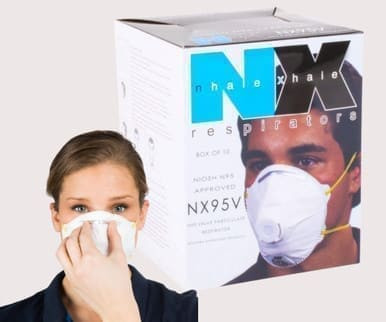
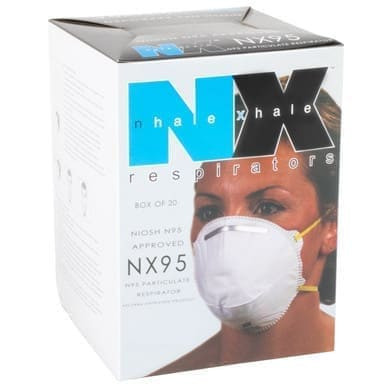
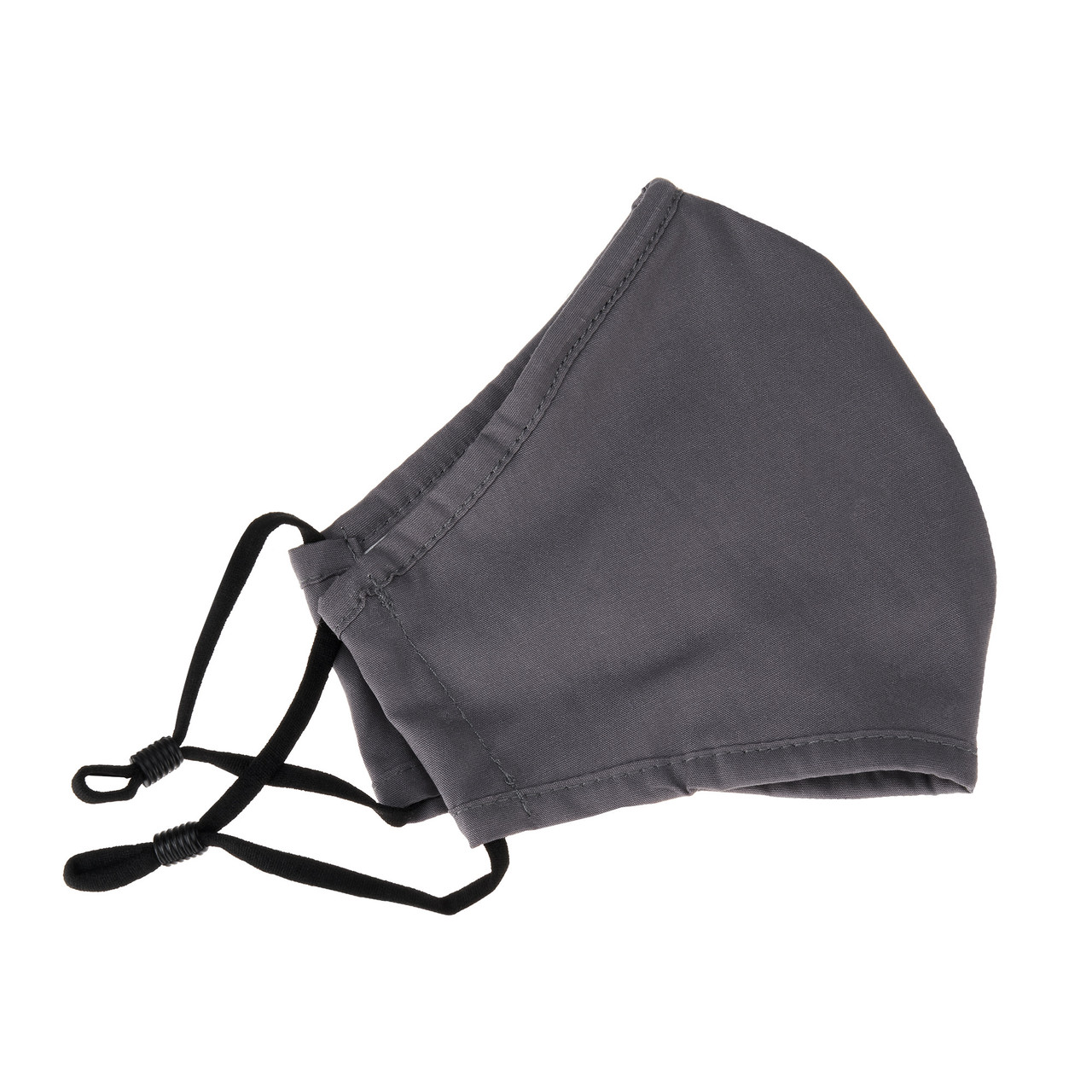
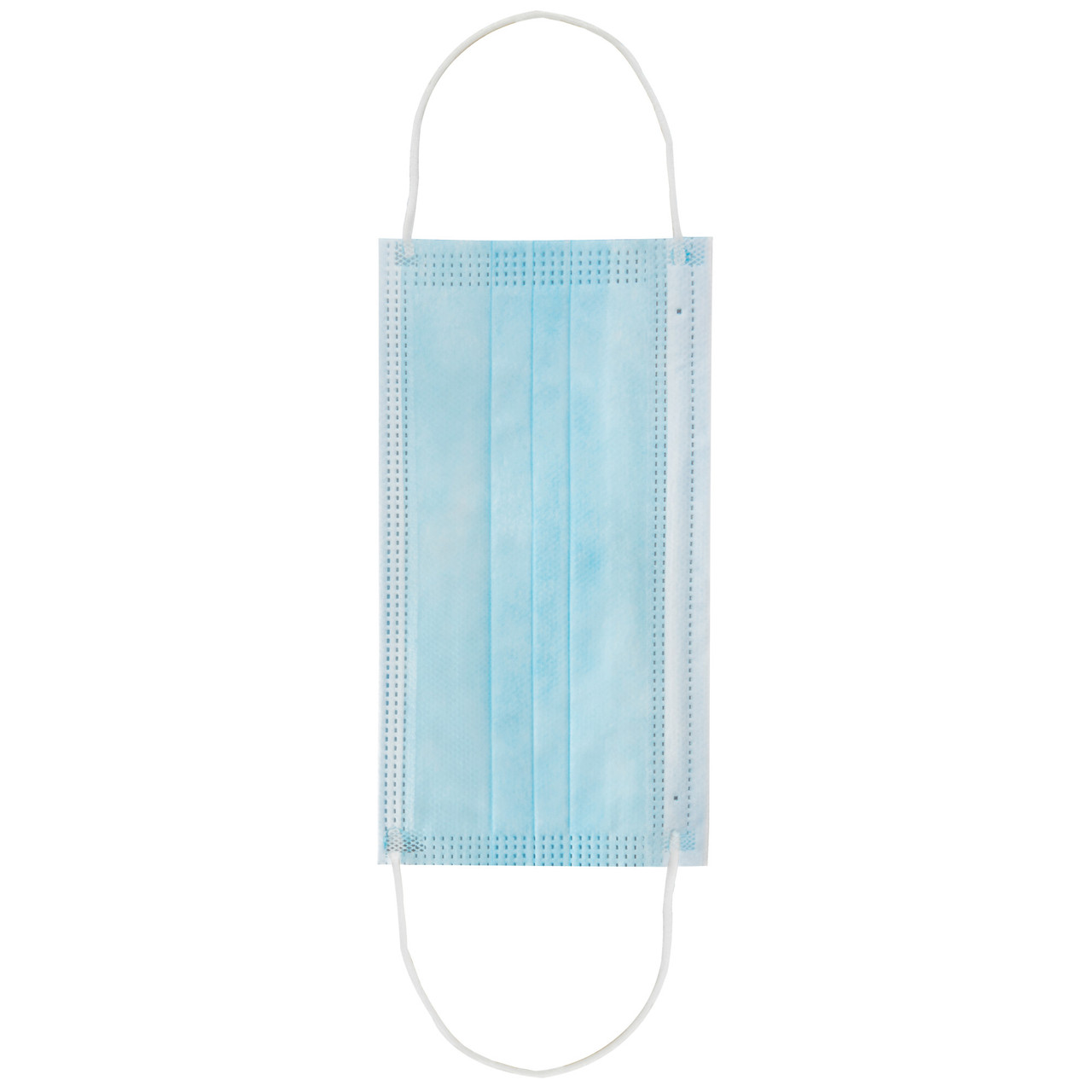
Browse our extensive selection of certified protective equipment designed for diverse Canadian facility needs.



What Canadian facility managers say
Read feedback from professionals who rely on our supplies for their daily operations.
We needed a reliable source for bulk N95 masks during peak season. The delivery was prompt and the quality met all our internal safety standards perfectly. Highly recommended for any property manager looking for dependable stock.
The variety of options allowed us to choose specific masks for different departments. Our maintenance team prefers the heavy-duty versions while office staff use lighter alternatives. Excellent customer service throughout the process.
Finding certified suppliers in our region was challenging until we discovered this catalog. The detailed product descriptions helped us make informed decisions quickly. Our inventory levels have remained stable thanks to their consistent supply.
Common PPE Questions: Frequently Asked Questions
How long do N95 respirators last?
Shelf life varies by manufacturer but typically spans several years. Check packaging for expiration dates. Proper storage in cool, dry conditions helps preserve integrity and ensures maximum filtration efficiency during use.
Can I reuse disposable masks?
Disposable masks are designed for single use. Reusing them compromises hygiene and filtration performance. For repeated daily use, consider reusable options with replaceable filters to maintain safety standards effectively.
Do these masks fit all face shapes?
Fit varies depending on individual facial structure. Conduct fit tests to ensure a proper seal. Different models offer varying sizes and styles to accommodate diverse needs, enhancing comfort and protection levels for all users.
Where should I store unused masks?
Store in original packaging within climate-controlled areas. Avoid exposure to heat, humidity, or direct sunlight. Proper storage prevents material degradation and maintains the respirator's effectiveness until the moment of deployment.
Are these products certified for Canada?
Yes, all listed items meet relevant Canadian safety standards. We source from reputable manufacturers who adhere to strict quality controls, ensuring compliance with local regulations for workplace health and safety requirements.
How often should I replace filters?
Filter replacement depends on usage frequency and environmental conditions. Generally, replace when breathing resistance increases or after extended exposure to contaminants. Regular checks ensure optimal performance and continued protection for your staff.
What is the difference between surgical and N95?
Surgical masks primarily block large droplets and fluids, while N95 respirators filter small airborne particles. Choose based on specific hazard types present in your facility to ensure appropriate protection levels for all personnel.
Can I order custom quantities?
Yes, we accommodate various order sizes. Contact our sales team to discuss your specific volume requirements and delivery schedules. We aim to provide flexible solutions tailored to the unique needs of each client facility.
Is training provided with purchase?
While we supply high-quality equipment, training is typically managed internally. However, product documentation includes usage instructions. We recommend developing comprehensive training programs to ensure correct and safe utilization by all employees.
How do you calculate shipping on bulk orders?
We calculate shipping on live carrier rates at checkout, not on flat or subsidized tiers. Every order is priced against real LTL, parcel, or pallet-freight quotes from our Calgary warehouse to your dock. That means you never absorb hidden shipping costs into product margins — what we charge is what the carrier charges us, plus a small handling pass-through. For bulk and pallet orders this typically runs 15–25% lower than competitors who bake shipping into their unit prices, because the rate is transparent and tied to the actual shipment weight and distance.
Related guides from ChickenPieces
Why Choose Our Safety Supplies
We prioritize quality, reliability, and compliance in every product we offer to Canadian facilities.
Local Calgary Warehouse
Quick dispatch times ensure you receive orders rapidly. Our central Alberta location allows efficient distribution across western Canada, minimizing wait periods and keeping your stock levels consistent.
Certified Quality Assurance
Every product undergoes rigorous checks before listing. We verify certifications to guarantee compliance with national safety standards, giving you confidence in the protection level provided to your team.
Dedicated Account Support
Personalized assistance helps navigate complex purchasing decisions. Our experts guide you through product selections based on your specific facility needs, ensuring optimal value and performance for your investment.
Regulatory Compliance Focus
All products adhere to Health Canada guidelines. We stay updated on changing regulations to ensure your purchases meet current legal requirements for workplace safety and employee protection.
Request Your Custom Quote Today
Contact us to discuss your specific inventory needs. Our team will provide a tailored quote ensuring you have the right protection gear available.
Request a QuoteAuthoritative Sources
The following government and public-health sources informed the operator guidance above. Citations to Reddit, Quora, and operator forums appear in the FAQ block above.