
 US Dollar


2026 Jul 12th
How to Choose a Soft-Serve Machine for a Short-Stay Rental
To choose a soft-serve machine for a short-stay rental, match four things to your property: capacity (a countertop single-flavour unit suits most homes, a larger twin-flavour unit suits group properties), feed type (gravity for simplicity, pump for denser overrun), counter and power fit, and cleaning effort between guests. For a rental, prioritize a compact air-cooled countertop unit with removable parts you can sanitize quickly, because turnover time matters more than peak output. Buy one that ships with clear cleaning instructions and readily available parts.
How to Choose a Soft-Serve Machine for a Short-Stay Rental
A self-serve dessert station is the kind of touch guests photograph and mention in reviews. Picking the right machine comes down to capacity, feed type, counter space, and how easy it is to clean between stays.
Key Takeaways
The short version of what actually matters when a dessert machine has to survive guest use and fast turnovers.
Capacity beats bragging rights
A rental is not a shop. A compact countertop unit that a family can run themselves beats a high-output floor model that dominates the kitchen.
Gravity feed is simpler
Gravity units have fewer moving parts and are easier for guests and cleaners to run and rinse. Pump units make denser product but add a step.
Air-cooled fits home power
Air-cooled countertop machines run on standard household circuits, while water-cooled and floor models often need dedicated service most homes lack.
Cleaning is the deciding factor
Pick the unit with removable, dishwasher-friendly parts and a documented daily rinse. Turnover time is the real constraint in a rental.
Parts availability matters
A machine is only as reliable as its spare seals and scraper blades. Choose a supported brand you can reorder wear parts for.
Plan the consumables
Stock cones, cups, and mix storage alongside the machine so the station is complete and a guest never finds it half-ready.
Why a Dessert Station Earns Its Counter Space
The amenity math for a self-serve treat in a short-stay property.
Short-stay guests choose between listings that look nearly identical on paper. Beds, bathrooms, and a kitchen are table stakes. What tips a booking, and what earns a five-star review, is a memorable touch the guest did not expect. A self-serve dessert station is exactly that kind of touch: interactive, family-friendly, and photogenic in a way a coffee maker never will be.
The practical appeal is that it runs itself. Once the machine is set up and the mix is loaded, guests operate it without you. There is no service, no staff, and no scheduling. For a host, that is the ideal amenity profile: high perceived value, near-zero ongoing effort, and a story the listing photos can tell at a glance.
The catch is that a soft-serve machine is a piece of refrigeration equipment, not a toy. Choosing the wrong one means a unit that trips breakers, dominates the counter, or takes so long to clean that your turnover cleaner dreads it. Getting the choice right up front is what turns a gimmick into a durable selling point.
Capacity and Footprint: Right-Sizing for a Home
Match output and counter space to how your property actually gets used.
Commercial soft-serve machines are rated by how many servings per hour they can push out, a number built for a busy storefront. A rental does not need that. A family or small group makes a handful of servings over an evening, not a continuous rush, so peak output is close to irrelevant. What matters is that the unit can chill a modest batch and hold it at serving texture.
That points almost every host toward a compact countertop unit. These sit on a standard counter, hold a sensible amount of mix, and refreeze quickly enough for the on-and-off use a home sees. A larger floor-standing model brings output nobody in a rental will use and takes floor space that a kitchen for six guests simply does not have.
Measure before you buy. Note the counter depth, the clearance the machine needs around it for airflow, and the outlet position. Air-cooled units in particular need breathing room at the vents, so a machine crammed into a tight nook will struggle to hold temperature. A few minutes with a tape measure prevents an expensive return.
Gravity vs Pump Feed, and Air vs Water Cooling
The two technical choices that decide simplicity, texture, and where you can install it.
Soft-serve machines feed the freezing cylinder one of two ways. Gravity units let mix drop from a hopper into the cylinder on its own; they are mechanically simple, easy to run, and easy to rinse, which is exactly what an unsupervised rental wants. Pump units push air into the mix for a lighter, denser product with more overrun, but they add parts, priming steps, and cleaning complexity that guests will not want to manage.
Cooling is the second fork. Air-cooled machines shed heat through vents and run on ordinary household power, so they drop into a normal kitchen without an electrician. Water-cooled and many floor models are more efficient under heavy continuous load but often need plumbing or dedicated circuits a home does not have. For nearly every rental, air-cooled is the answer.
Put together, the rental-friendly profile is a gravity-fed, air-cooled countertop unit. It gives up a little texture refinement and peak throughput compared to a shop machine, and gains simplicity, standard power, and a cleaning routine a guest or turnover cleaner can actually follow. That trade is the right one for a property nobody is staffing.
Cleaning and Turnover: The Rule That Decides Everything
A dessert machine lives or dies on how fast it resets between guests.
Any equipment that touches dairy has to be cleaned on a schedule, and a rental adds a second demand on top: it has to reset between guests, often in the same tight window a cleaner uses for the whole property. A machine with a fiddly disassembly, hard-to-reach seals, or parts that cannot go in a dishwasher will become the job everyone avoids, and an unused amenity is worse than none because it still occupies the counter.
So weight cleaning heavily. Favour units with a small number of removable parts, dishwasher-safe components, and a clearly documented daily rinse and periodic deep-clean routine. The best machines are designed so a non-expert can take them apart, sanitize the food-contact surfaces, and put them back without a manual open every time.
Write the routine down for your property. A laminated card by the machine that shows the guest-facing use steps and gives your cleaner a simple reset checklist keeps the station reliable and hygienic without you being there. Pair that with a small stock of spare seals and scraper blades so a worn part is a two-minute swap, not a machine out of service for a week.
Consumables and Setup: Finishing the Amenity
The machine is half the station. Cones, cups, and mix storage make it feel finished.
A soft-serve machine on its own is an unfinished amenity. What makes the station feel considered is everything around it: a supply of cones or serving cups, small spoons, napkins, and a tidy spot to store them. These are inexpensive, easy to restock in bulk, and they are the difference between a guest thinking the machine is a nice extra and thinking the host planned a genuine treat.
Think about mix storage too. The station needs a clear, guest-friendly note on what mix to use and where it is kept, ideally in the fridge right beside the machine. Keeping consumables and mix stocked is a natural line item on the same turnover checklist your cleaner already runs, so it never falls through the cracks.
Finally, present it as a set. A small tray or shelf that holds the cones, cups, and instructions next to the machine reads as intentional in listing photos and in person. Ordering the machine and its consumables from one supplier that ships across Canada keeps restocking to a single reorder and the whole station consistent from one property to the next.
Matching Soft-Serve Machine Types to a Rental
How the common machine formats line up against what a short-stay property actually needs.
| Factor | Countertop Gravity Unit | Countertop Pump Unit | Floor-Standing Model | Best for a Rental? |
|---|---|---|---|---|
| Output | Modest, on-and-off use | Modest, denser product | High continuous volume | Countertop is plenty |
| Power | Standard household circuit | Standard household circuit | Often dedicated service | Air-cooled countertop |
| Texture | Good, simple | Denser with more overrun | Shop-grade consistency | Good is good enough |
| Cleaning | Few parts, quick rinse | More parts, priming step | Complex breakdown | Fewer parts wins |
| Footprint | Fits a normal counter | Fits a normal counter | Occupies floor space | Counter space only |
| Guest usability | Very easy to run | Extra steps to manage | Meant for trained staff | Simplest is safest |
| Turnover fit | Resets fast | Slower reset | Poor fit for turnover | Fast reset matters most |
Soft-Serve Gear Hosts Can Stock in One Order
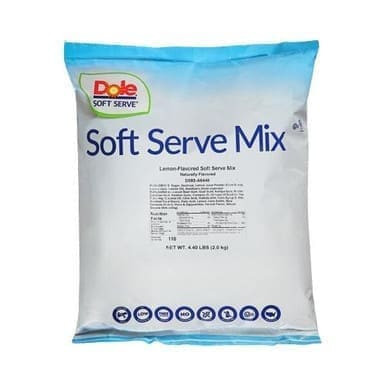
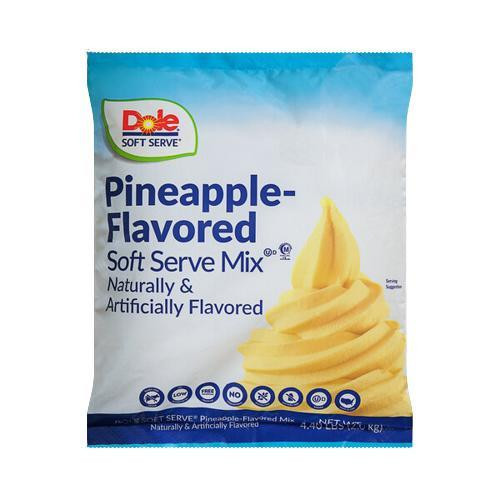
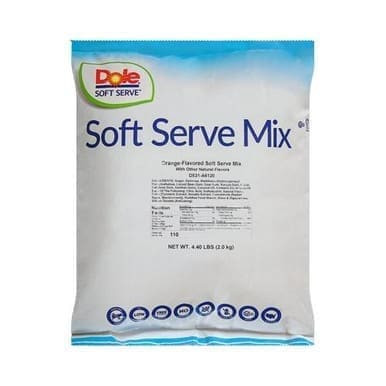
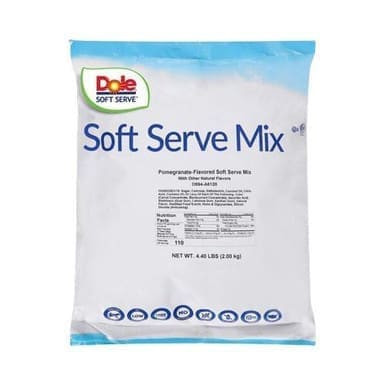
A sample of the soft-serve machines and station supplies in stock and shipping from Calgary.





What Canadian Airbnb hosts say
What Canadian hosts say about adding a self-serve dessert station.
The countertop soft-serve unit has become the single most mentioned thing in our reviews. Families love that the kids can run it themselves. Reset between guests takes our cleaner about ten minutes with the checklist we posted.
I almost bought a floor model and I am glad I did not. The air-cooled countertop machine plugs into a normal outlet and fits the corner of the kitchen. Guests figure it out with no instructions from me.
Ordering the machine, cones, and cups together meant the station was complete on day one. Restocking supplies is just part of the turnover list now. It photographs really well for the listing too.
soft-serve machines for short-stay rentals: Frequently Asked Questions
Do I really need a soft-serve machine in a rental?
You do not need one, but it is a strong differentiator. Short-stay listings compete on memorable extras, and a self-serve dessert station is interactive, family-friendly, and photogenic. Because it runs itself once set up, it delivers high perceived value with almost no ongoing effort from the host, which is an ideal amenity profile.
What size machine suits a typical home rental?
A compact countertop unit fits nearly every rental. Homes see on-and-off use by a family or small group, not the continuous rush a storefront handles, so shop-grade output is wasted. A countertop machine sits on a standard counter, holds a sensible batch, and refreezes quickly enough for the way a home actually uses it.
What is the difference between gravity and pump feed?
Gravity units let mix drop from a hopper into the freezing cylinder on its own, which keeps them mechanically simple and easy to rinse. Pump units force air in for a lighter, denser product with more overrun, but they add parts and priming steps. For an unsupervised rental, gravity feed is easier for guests and cleaners to run.
Will a soft-serve machine work on normal home power?
An air-cooled countertop machine runs on a standard household circuit, which is why it is the right choice for a rental. Water-cooled units and many floor-standing models are built for heavy continuous load and often need plumbing or a dedicated circuit that a typical home does not have, so stick with an air-cooled countertop design.
How hard is it to clean between guests?
That depends entirely on the machine, which is why cleaning should drive your choice. Favour a unit with a small number of removable, dishwasher-friendly parts and a documented rinse routine. A good machine can be broken down, sanitized, and reassembled by a non-expert inside a normal turnover window, which keeps the amenity reliable and hygienic.
How often does the machine need cleaning?
Any equipment that handles dairy needs a daily rinse of the food-contact surfaces plus a periodic deeper clean, following the manufacturer's schedule. In a rental, you also reset it between guests. Posting a simple laminated routine by the machine lets your turnover cleaner keep it sanitary without needing to open the manual each time.
What supplies do I need besides the machine?
Plan for cones or serving cups, small spoons, napkins, and a tidy spot to store them, plus a clear note on which mix to use and where it is kept. These consumables are inexpensive, easy to buy in bulk, and they turn a bare machine into a complete station that reads as intentional in your listing photos.
What happens if a part wears out?
Wear parts like seals and scraper blades are normal, so choose a supported brand you can reorder them for. Keeping a small stock of spares on hand turns a worn part into a two-minute swap instead of a machine that sits out of service while you hunt for a component, which protects the amenity across the busy season.
Where does the equipment ship from and how fast?
Stock ships from our Calgary warehouse to addresses across Canada. Because we quote live carrier rates rather than flat tiers, you see the true landed cost before ordering, and domestic warehousing keeps transit and restocking predictable whether your property is in a city or a remote area.
How do you calculate shipping on bulk orders?
We calculate shipping on live carrier rates at checkout, not on flat or subsidized tiers. Every order is priced against real LTL, parcel, or pallet-freight quotes from our Calgary warehouse to your dock. That means you never absorb hidden shipping costs into product margins — what we charge is what the carrier charges us, plus a small handling pass-through. For bulk and pallet orders this typically runs 15–25% lower than competitors who bake shipping into their unit prices, because the rate is transparent and tied to the actual shipment weight and distance.
Why Hosts Buy Their Dessert Station From ChickenPieces.com
Machine and consumables in one order, sized and shipped for the way short-stay hosts actually run a property.
Rental-Right Machines
Air-cooled countertop units that fit a home kitchen and standard power, not shop floor models a rental cannot use or house.
Complete the Station
Cones, cups, and station supplies stocked alongside the machine so one order leaves the amenity ready to run on day one.
Live Canada-Wide Freight
Rates are calculated on real carrier quotes from our Calgary warehouse at checkout, so remote and urban properties both see true landed cost.
Foodservice-Grade Standards
Every machine and supply is sourced to commercial durability and food-contact safety standards, backed by supplier documentation on file for the SKUs that carry it.
Set Up One Station, Copy It to Every Property
Pick a compact air-cooled machine, add the cones and cups, and post a simple reset routine for your cleaner. Request a quote and we will price live freight to your door.
Request a Quote