

2026 Jul 11th
Why Restaurants Use Libbey and Tuxton Tableware (and Why
Restaurants pick Libbey glassware and Tuxton china because commercial tableware is engineered for high turnover: it resists chips, handles thermal shock in commercial dishwashers, stacks tightly, and stays available in the same pattern year after year so broken pieces are replaced one at a time. For an Airbnb host cycling guests every few days, those same traits mean fewer breakages, a matched table every stay, and painless restocking. The winning move is to buy one commercial pattern by the case and reorder the exact SKU as needed.
Why Restaurants Use Libbey and Tuxton Tableware (and Why Airbnb Hosts Should Too)
Restaurant-grade glassware and china is built for constant handling, fast dish cycles, and easy replacement. That is exactly what a short-stay rental needs between guests.
Key Takeaways
The short version of why commercial tableware outperforms consumer sets in any high-turnover space.
Built for turnover
Commercial glassware and china is specified for constant handling and machine washing, not the occasional home dinner, so it lasts through far more cycles.
Chip and shock resistant
Rim treatments and tempered or fully vitrified bodies shrug off the knocks and temperature swings that shatter thin consumer glass.
One pattern, reorder forever
Restaurant lines stay in production for years. Replace one broken tumbler with the identical SKU instead of buying a whole new set.
Stacks and stores tight
Commercial shapes are designed to nest and stack, so a rental cupboard holds more and pieces move without clinking loose.
Matched table every stay
Buying by the case means every guest sees a full, matching set. No odd survivors from three broken collections.
Cheaper per use
A case of commercial glasses costs more up front than a supermarket four-pack, but the cost spread across its service life is far lower.
What Restaurants Know That Home Buyers Do Not
Commercial tableware is a durability spec, not a style choice.
A restaurant buys tableware the way it buys tires: on how many cycles it survives before it fails. A busy dining room might put a single water glass through the dishwasher a thousand times in a year, plus bussing, stacking, and the occasional drop onto a tile floor. Consumer glassware is not tested for that. Commercial lines from Libbey and china from Tuxton are, which is the entire reason operators pay a little more per piece and then stop thinking about it.
The difference shows up in the details a shopper rarely reads. Commercial glasses use heat-treated or fully tempered rims and bases, the two spots that chip first. Foodservice china is fully vitrified, meaning it is fired hot enough that the body itself is non-porous and far harder than typical earthenware. Those choices are invisible on a shelf but decisive after a few hundred wash cycles.
For a short-stay rental, the maths is close to a restaurant's. Guests handle everything, load dishwashers however they like, and occasionally break a glass. Buying tableware that is designed to be handled by strangers on repeat is simply the correct tool for the job, and it happens to be the same tool the pros already trust.
Chip Resistance and Thermal Shock, Explained
The two failure modes that kill home glassware, and how commercial ware survives them.
Glass fails in two ordinary ways. The first is mechanical: a rim taps another rim in the cupboard, a hairline chip forms, and the next guest finishes the job. The second is thermal: a chilled glass hits hot dishwater, the surfaces expand at different rates, and it cracks. Home glassware, blown thin for looks and price, is vulnerable to both.
Commercial glassware is engineered against exactly these. Rim and foot treatments compress the most fragile edges so they resist chipping under stacking loads. Tempered bodies tolerate the temperature swing of a commercial or home dishwasher without stress fracturing. The result is a glass a guest can be rough with and it still comes back clear and intact.
Tuxton china answers the same problem in ceramic. Its fully vitrified body carries a strong edge and a glaze that resists the knife-grey scratches and crazing that make home plates look tired within a season. On a rental turnover schedule, that means the table still looks new to the tenth guest, not just the first.
One Pattern You Can Reorder for Years
The quiet superpower of commercial lines is that they do not disappear.
The most underrated reason restaurants use commercial brands has nothing to do with the glass itself. It is supply continuity. A retail dinnerware collection is a seasonal product; it appears, sells through, and vanishes, so a single breakage forces a whole new set to keep things matching. Commercial patterns are catalog staples that stay in production for many years.
That continuity turns replacement into a one-line reorder. Break two of a dozen tumblers and you buy two more of the identical SKU, not a fresh set of twelve in a slightly different shape. Over the life of a rental, that single fact removes most of the cost and hassle of keeping a matched table.
It also protects the guest experience. A listing photo that shows a clean matching set should still be true a year later. With a standardized pattern, the cupboard never drifts into a mismatched collection of survivors, which is the tell-tale sign of a tired rental.
How to Choose a Rental Tableware Kit
A short, practical spec for picking glass and china that lasts.
Start with the glasses that get used every day: an all-purpose tumbler and a stemless wine or beverage glass. Choose stackable, heavier-walled shapes over delicate stemware, because they survive guest handling and store in less space. A single versatile tumbler pattern covers water, juice, soft drinks, and cocktails without a shelf full of specialist shapes.
For plates and bowls, favour fully vitrified china in a plain rolled-edge shape. It stacks cleanly, hides wear, and matches any decor, so it never dates the space. Round out the kit with a couple of mug or tiki-mug options only if your property leans into a theme; otherwise keep the china neutral and let the room provide the character.
Buy the whole kit as one order in case quantities so you have spares on day one. A rental sized for six guests is well served by a dozen of each core piece, which gives a full table plus immediate replacements. Keep the sealed spares in a closet and the turnover cleaner swaps a broken piece in seconds without a shopping trip.
Turnover Logistics: Where Durable Tableware Pays Off
The cleaner's twenty-minute window is where cheap glassware quietly costs you money.
The real cost of fragile tableware is not the glass; it is the turnover. A cleaner has a fixed window between checkout and check-in, and a shattered tumbler in that window means either an emergency shop or a table that no longer matches the listing photos. Neither is good, and both happen more often with thin consumer glass.
Durable, standardized ware removes the fire drill. Breakage is rarer to begin with, and when it does happen the cleaner pulls an identical spare from the closet and moves on. The set stays complete, the photos stay honest, and no one is driving to a store between guests.
Stocking one commercial pattern by the case also simplifies restock decisions to a single reorder line whenever the spare count runs low. Ordering from a Canadian supplier that ships from a domestic warehouse keeps that reorder fast and the landed cost predictable, so the closet is never empty for long.
Consumer Sets vs Commercial Tableware for High-Turnover Use
What actually differs between a supermarket set and the Libbey and Tuxton lines restaurants specify.
| Attribute | Consumer Retail Set | Libbey Commercial Glass | Tuxton Vitrified China | Why It Matters for Hosts |
|---|---|---|---|---|
| Chip resistance | Thin, untreated rims | Heat-treated rim and foot | Rolled reinforced edge | Fewer breakages at guest turnover |
| Thermal shock | Cracks in hot dish cycles | Tempered for dishwasher heat | Fired non-porous body | Survives constant machine washing |
| Pattern availability | Seasonal, discontinued fast | Catalog staple for years | Long-run production line | Reorder the exact piece, not a new set |
| Storage | Odd shapes, loose fit | Designed to stack and nest | Stacks flat and tight | More spares fit the rental cupboard |
| Wear over time | Scratches and clouds | Stays clear under wear | Glaze resists scratching | Table looks new to every guest |
| Replacement unit | Whole set at a time | Single glass by the case | Single plate or bowl | Cheaper, simpler restocking |
| Guest impression | Mismatched survivors | Full matching service | Clean uniform place setting | Photos stay honest all year |
Restaurant-Grade Glassware Hosts Actually Use
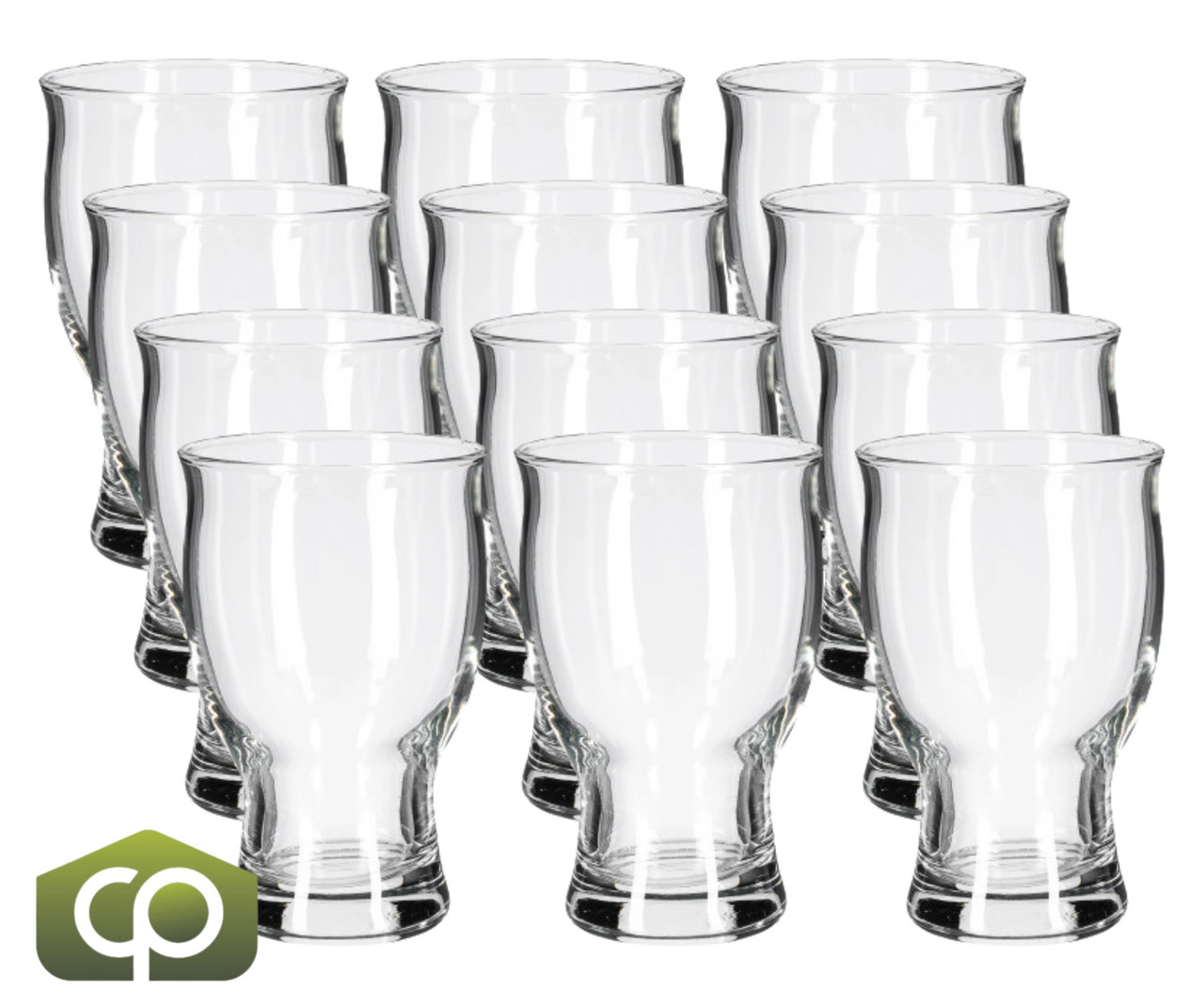
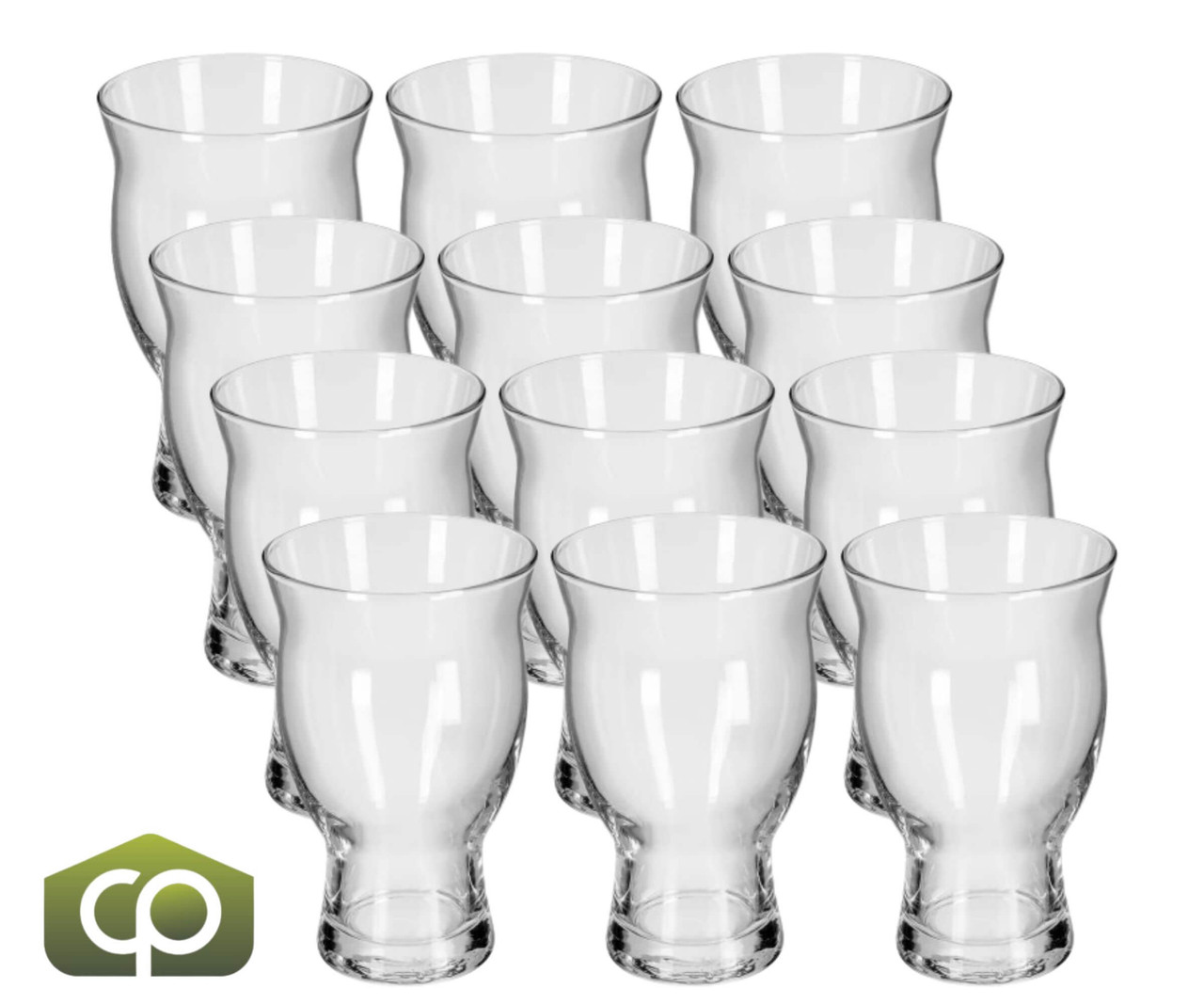
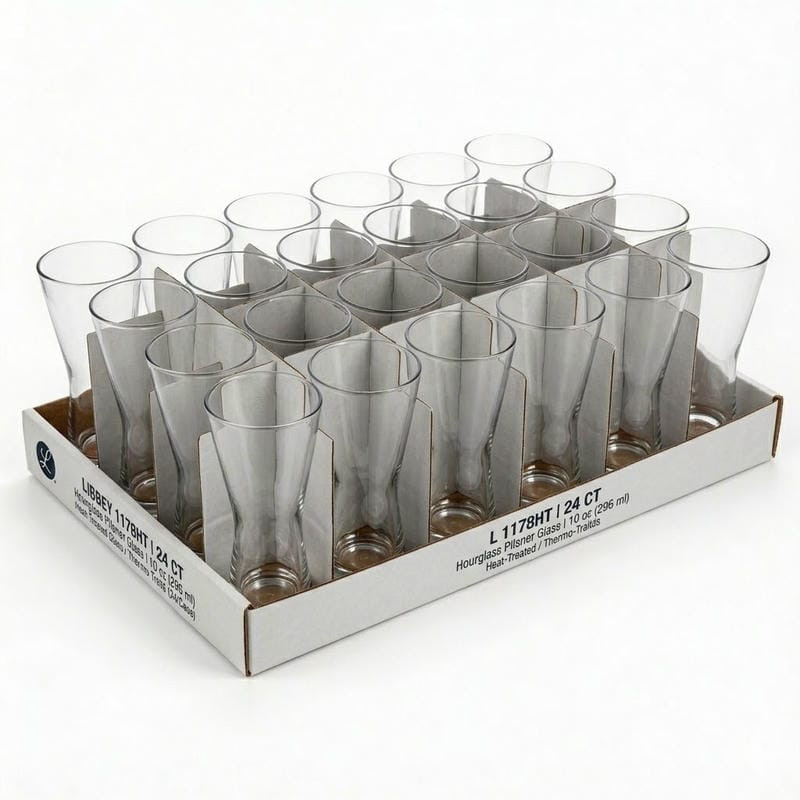
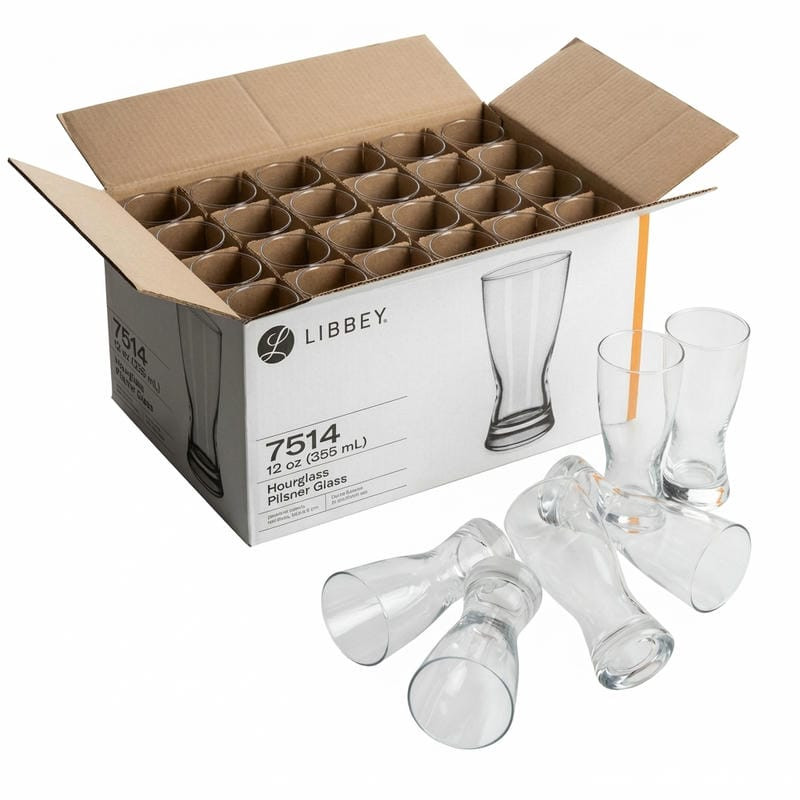
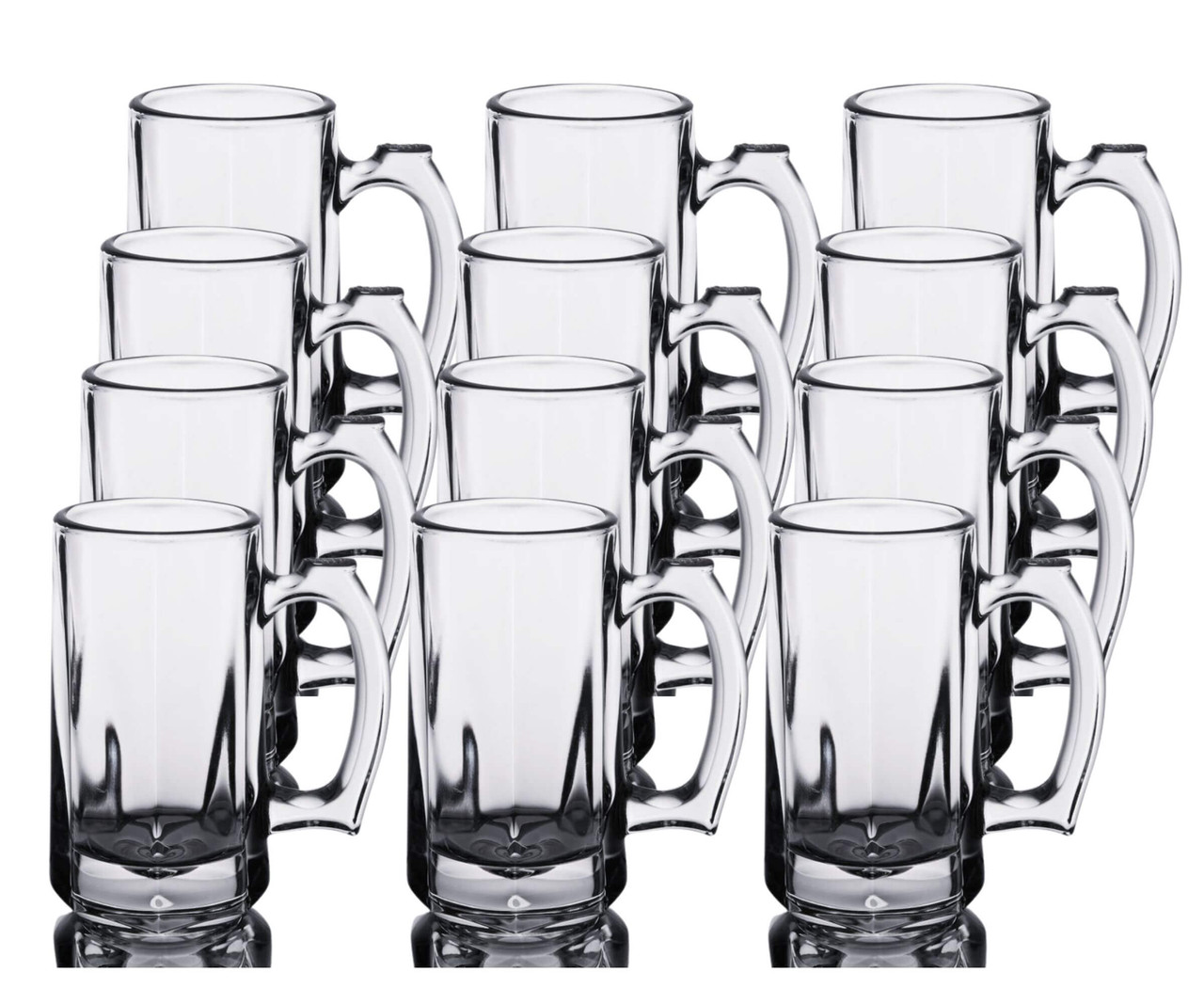
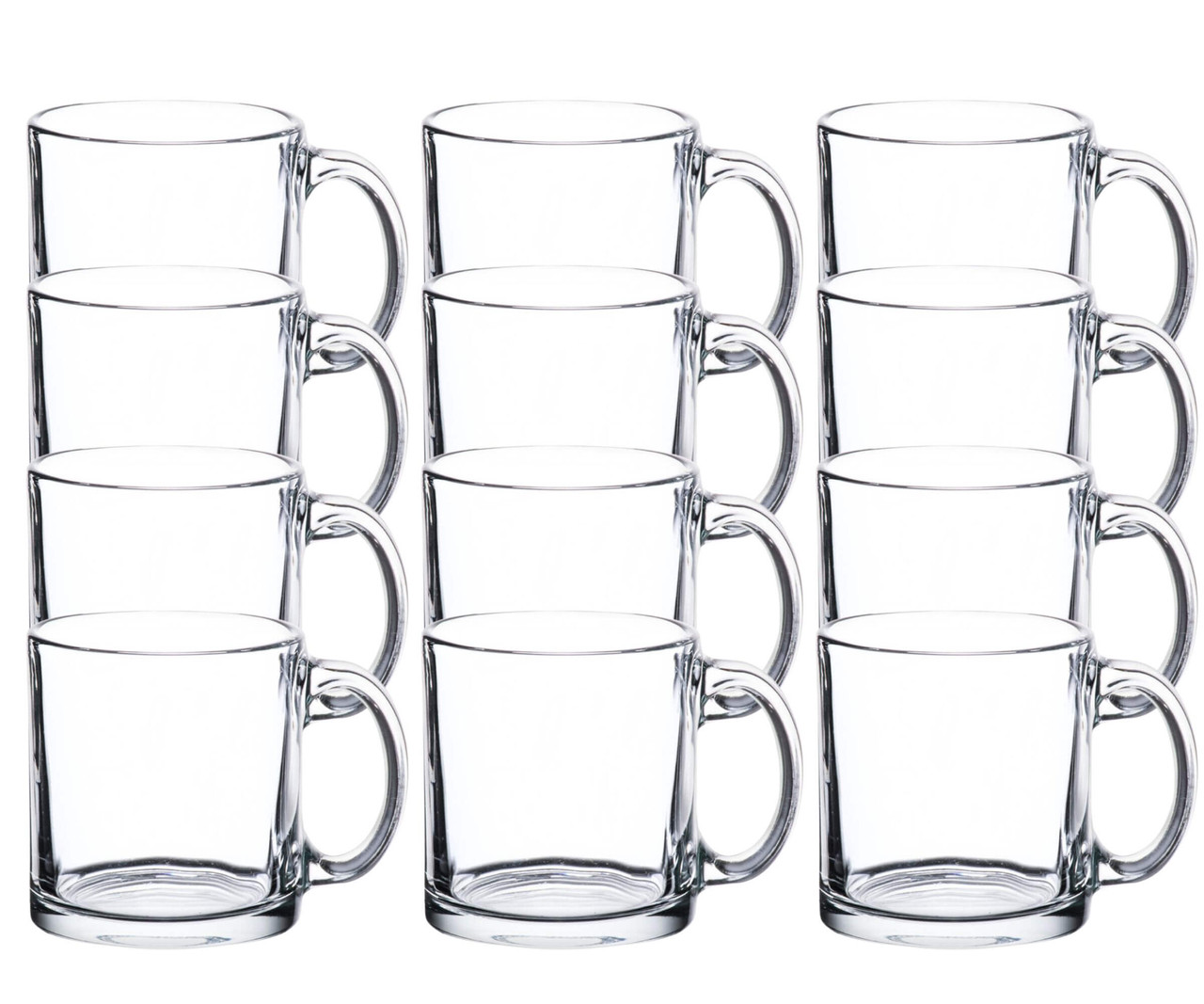
A sample of the Libbey lines Canadian operators standardize on, in stock and shipping from Calgary.



People Also Ask
Real questions buyers search before they order — answered straight.
Why do restaurants use commercial-grade dinnerware instead of home sets?
Commercial dinnerware is made from denser, vitrified materials that resist chipping, cracking, and staining through constant use and dishwashing. Home sets look nice but rarely survive the wear a busy table puts them through. For a rental, that toughness means fewer replacements and a table that still looks smart after months of guests.
What makes dinnerware "durable" for everyday use?
Durability comes from how the piece is made — fully vitrified china and tempered glass resist chips and thermal shock far better than everyday earthenware. Rolled or reinforced edges are the parts most likely to knock, so they matter most. Look for pieces rated for commercial use if longevity is the goal.
Is restaurant-grade dinnerware worth it for a short-stay rental?
For a property that turns over often, yes — the same qualities that keep it going in a restaurant keep it going through back-to-back guests. It also photographs well and replaces easily when a piece finally breaks, since ranges are made to be restocked. The result is a consistent look with less ongoing hassle.
What are the main types of dinnerware to choose from?
Common options include vitrified porcelain china, stoneware, earthenware, melamine, and tempered glass, each with a different balance of look, weight, and toughness. China and tempered glass tend to suit high-turnover settings; melamine suits outdoor or poolside areas. Match the material to where and how it will be used.
Can you replace just a few pieces if some break?
That is a key advantage of commercial ranges — they are open stock and made to be reordered, so you can top up broken plates or glasses without buying a whole new set. Keeping to one range means everything still matches. Buying replacements in a small bulk order also helps clear free-shipping thresholds.
Where can you buy restaurant-quality dinnerware?
Commercial suppliers stock restaurant-grade dinnerware and glassware without needing any membership, and many ship directly to your door. Look for open-stock ranges with clear specs so you can reorder the same pieces later. Ordering by the case suits both restaurants and rental hosts stocking several units.
What Canadian Airbnb hosts say
What Canadian hosts and operators say about switching to commercial tableware.
Switched all five of our rentals to one Libbey tumbler pattern and breakage complaints from cleaners basically stopped. When one does break we just pull a spare from the case. No more mismatched cupboards.
The Tuxton china has been through two full seasons of guest dishwasher abuse and still looks like the listing photos. That alone was worth ordering the commercial line instead of a box store set.
Being able to reorder the exact same glasses a year later is the part I did not expect to care about. One order keeps every suite matching. Freight from Calgary landed faster than I planned around.
commercial tableware for short-stay rentals: Frequently Asked Questions
The following operator questions are answered with cited sources. Every FAQ links to Health Canada, CFIA, Canada.ca, or another authoritative regulator.
What do restaurant owners actually say about Libbey glassware in real kitchens?
Products referenced:
- Libbey DuraTuff rocks glass
- Libbey Coupe
- Acopa glassware
- WebstaurantStore
Is Libbey DuraTuff actually worth the premium over cheaper restaurant glasses?
Products referenced:
- Libbey DuraTuff
- Libbey retail glassware
- Tempered glassware
Source: Anybody have any experience/opinions on Libbey DuraTuff glassware? : r/BuyItForLife
Where can I buy restaurant-quality plates like Tuxton without opening a foodservice account?
Products referenced:
- Tuxton
- Homer Laughlin
- WebstaurantStore
- Restaurant Depot
- vitrified china
Source: Where to find a dinnerware set like this? : r/BuyItForLife
How should I pick dinnerware plates for a new Airbnb rental without overspending?
Products referenced:
- Corelle
- stoneware
- vitrified china
- Tuxton
Source: Best cookware/dinnerware for a newbie host : r/AirBnB
Is there really a durability difference between restaurant plates and home dinnerware, or is it just marketing?
Products referenced:
- Tuxton
- Homer Laughlin
- Corelle
- vitrified porcelain
Why don't restaurants use Corelle if it's so durable and cheap?
Products referenced:
- Corelle
- Tuxton
- Homer Laughlin Fiesta
- vitrified china
What dinnerware material is best for daily use at home, according to people who actually cook?
Products referenced:
- vitrified porcelain
- Corelle
- Crystal D'Arques
- stoneware
Source: Which dish (plates and cups) material is better for daily use: porcelain, glass or ceramic? - Quora
How are hosts actually picking durable plates for short-term rentals in 2026?
Products referenced:
- stoneware
- vitrified porcelain
- Corelle
- Tuxton
Source: The Best Dishes for Airbnb Hosts to Include in Their Rentals - Host Tools
Which plate material actually holds up to a commercial dishwasher and thermal shock?
Products referenced:
- vitrified porcelain
- Libbey tempered glass
- Corelle
- Tuxton
Source: Glass Restaurant Dinnerware | Tempered vs. Vitrified Explained - GoFoodservice
What is vitrified porcelain and why do restaurants insist on it?
Products referenced:
- vitrified porcelain
- Tuxton
- consumer stoneware
Source: Understanding Vitrified Porcelain Dinnerware - Complete Guide - SafeKitchn
Why Hosts Buy Tableware From ChickenPieces.com
Same commercial lines the restaurants use, sized and shipped for the way short-stay operators actually reorder.
Real Commercial Lines
The exact Libbey and Tuxton patterns foodservice operators specify, in stock by the case, not repackaged retail seconds.
Reorder the Same SKU
Standardized catalog patterns mean a broken piece is a one-line reorder of the identical item, so every unit stays matching for years.
Live Canada-Wide Freight
Rates are calculated on real carrier quotes from our Calgary warehouse at checkout, so remote and urban properties both see true landed cost.
Foodservice-Grade Standards
Every glass and plate is sourced to commercial durability and food-contact safety standards, backed by supplier documentation on file for the SKUs that carry it.
Kit One Rental, Then Copy It Everywhere
Pick one commercial glass and one china pattern, order by the case with spares, and reorder the exact SKUs whenever the closet runs low. Request a quote and we will price live freight to your door.
Request a Quote