
 US Dollar (USD)


2026 Jul 12th
Calculate Perfect Plate and Glass Counts for Rental Stocking
Start with one plate and two glasses per guest for standard service. Add ten percent extra stock to cover breakage and unexpected guests. This baseline ensures you never run out during peak usage periods while keeping inventory costs manageable.
Calculate Perfect Plate and Glass Counts for Rental Stocking
Property managers and facility operators need accurate stock levels. This guide provides a clear method to determine the right number of items per seat for any setup.
Key Takeaways
Here are the key points for accurate stocking.
Base Count Calculation
Determine your maximum occupancy. Multiply that number by one for dinner plates. Add two for each glass type needed. This creates your minimum required inventory count for every single service event.
Breakage Buffer Strategy
Glassware breaks easily in high-traffic areas. Add a ten to fifteen percent buffer to your base counts. This extra stock covers accidental drops and wear without requiring immediate replacement orders.
Turnover Rate Impact
Fast turnover requires higher stock levels. If guests change daily, you need more items on hand. Slower rentals allow for fewer pieces since washing cycles can keep up with demand.
Mix and Match Flexibility
Do not buy identical sets only. Mix standard plates with specialty items. This allows you to handle different party sizes and menu types without needing specific matching dinnerware sets.
Storage Space Constraints
Measure your cabinet space before ordering. Bulkier items take up more room. Ensure your storage can hold the calculated total plus the breakage buffer without overcrowding or damaging fragile goods.
Seasonal Adjustment Tips
Winter guests often need fewer wine glasses. Summer events may require more water tumblers. Adjust your glass counts based on seasonal trends and typical guest behavior patterns for better accuracy.
Understanding Standard Service Ratios
Standard ratios provide a reliable starting point for most dining setups.
Every rental property or restaurant needs a solid baseline for tableware. This foundation ensures guests have what they need without excess clutter. Start by identifying the primary meal service style. Is it casual buffet, plated dinner, or light breakfast? Each style dictates different plate and glass requirements.
For standard dinner service, one dinner plate per person is essential. Add a side plate or salad plate if the menu includes multiple courses. Glassware typically requires two types: water and wine. This covers most beverage needs without overcomplicating the setup process for staff or guests.
Breakfast setups differ significantly from dinner services. Guests usually need one cereal bowl or small plate. A single coffee mug suffices for most morning routines. Keeping breakfast stock simple reduces washing time and minimizes the chance of mismatched items during busy weekend mornings.
Selecting Appropriate Glass Types
Different drinks require specific glass shapes for optimal experience.
Water glasses are the most frequently used item. Provide one per seat to ensure guests stay hydrated throughout their meal. Clear tumblers work well for both iced and room temperature water. They fit easily in standard cabinets and stack neatly when not in use.
Wine service requires distinct stemware. Red and white wines often need separate glass shapes due to aeration differences. However, universal wine glasses simplify inventory management for casual rentals. These versatile pieces handle any varietal without compromising the guest experience significantly.
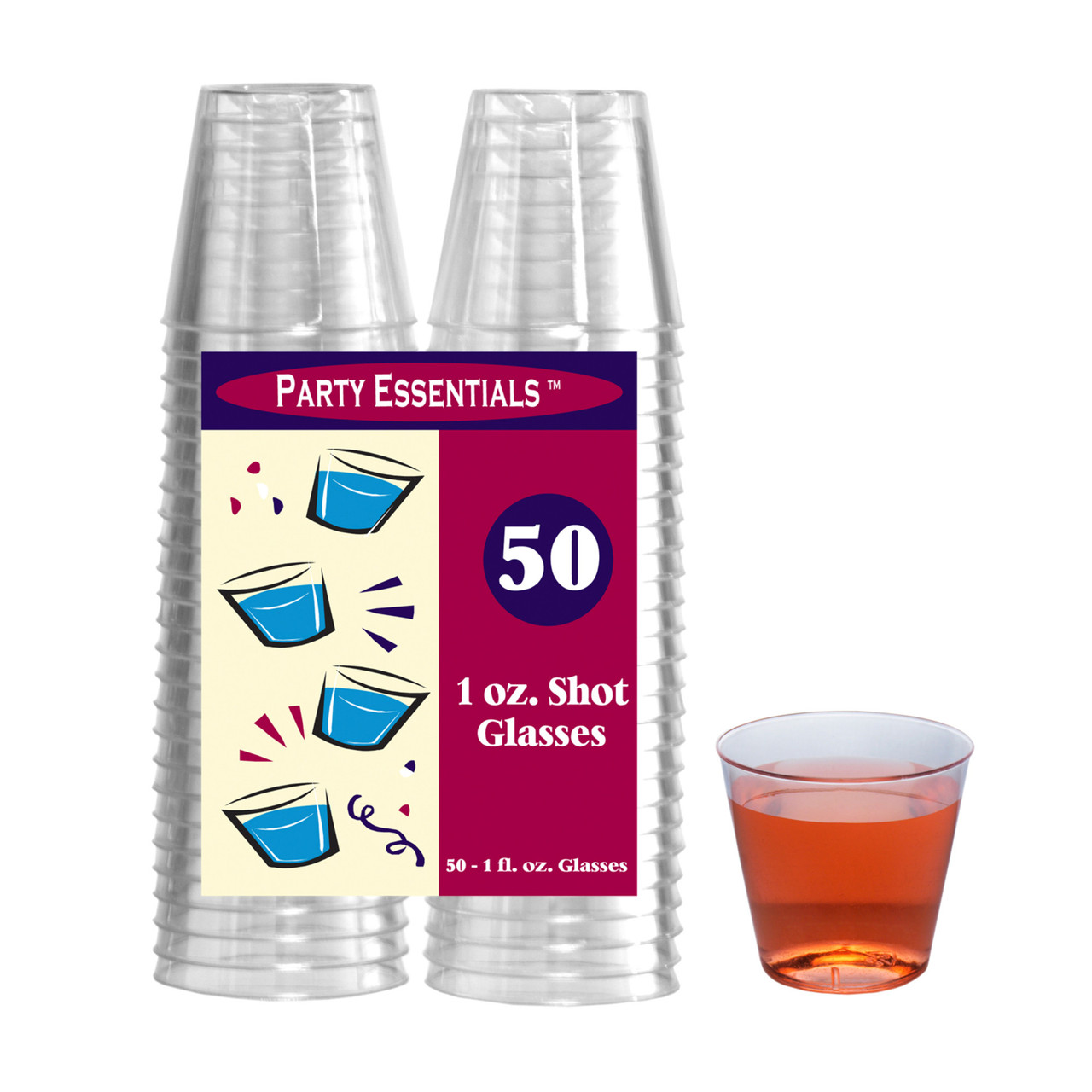
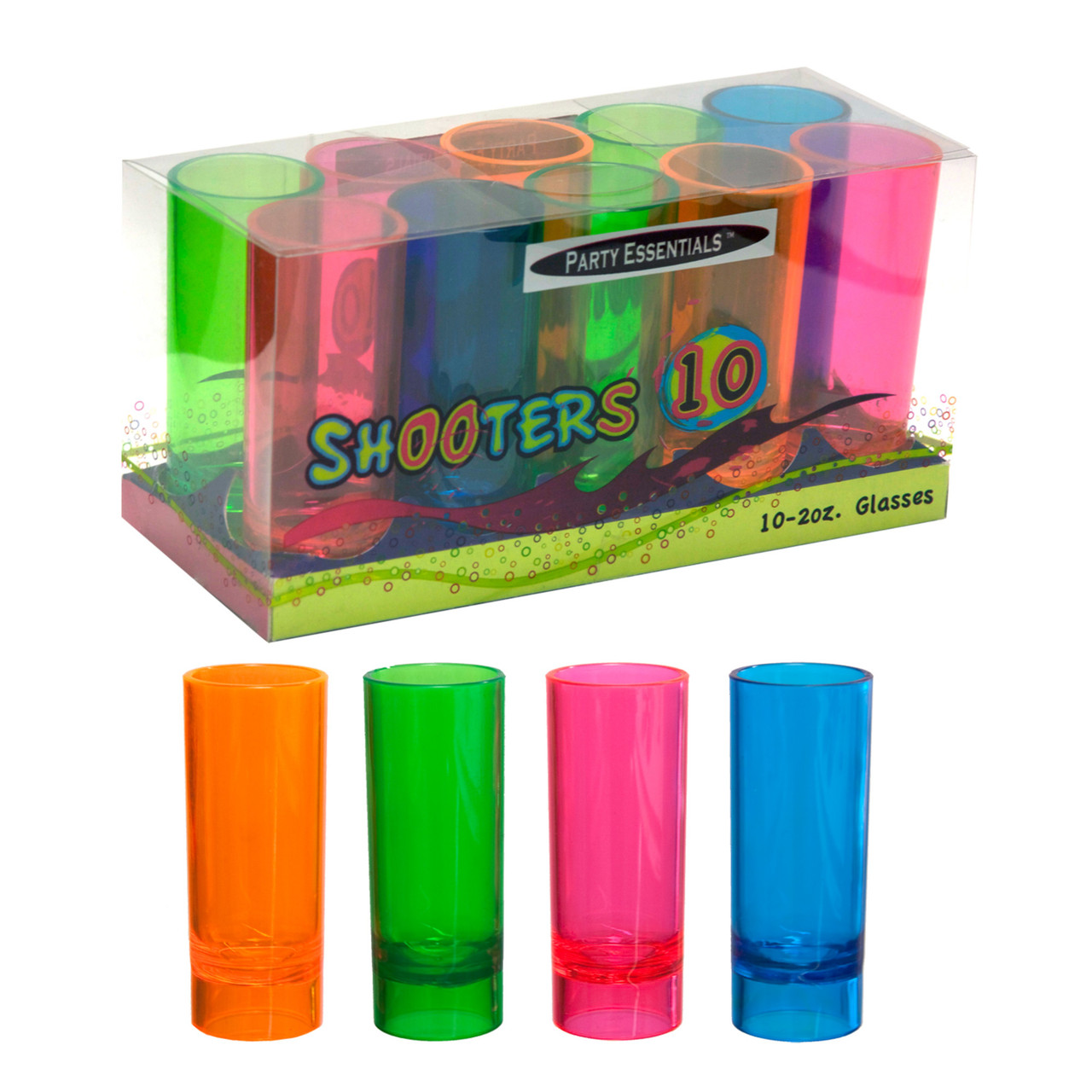
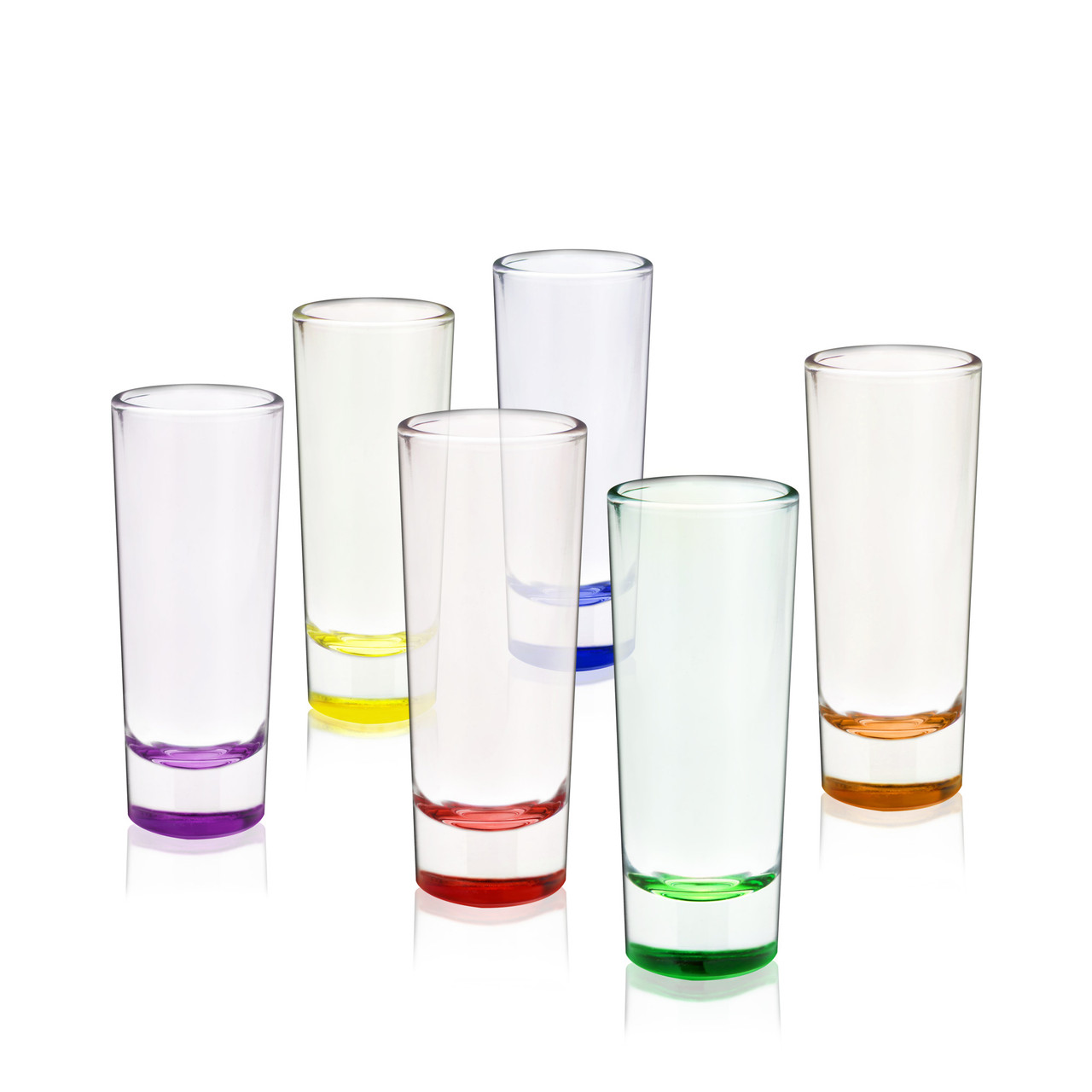
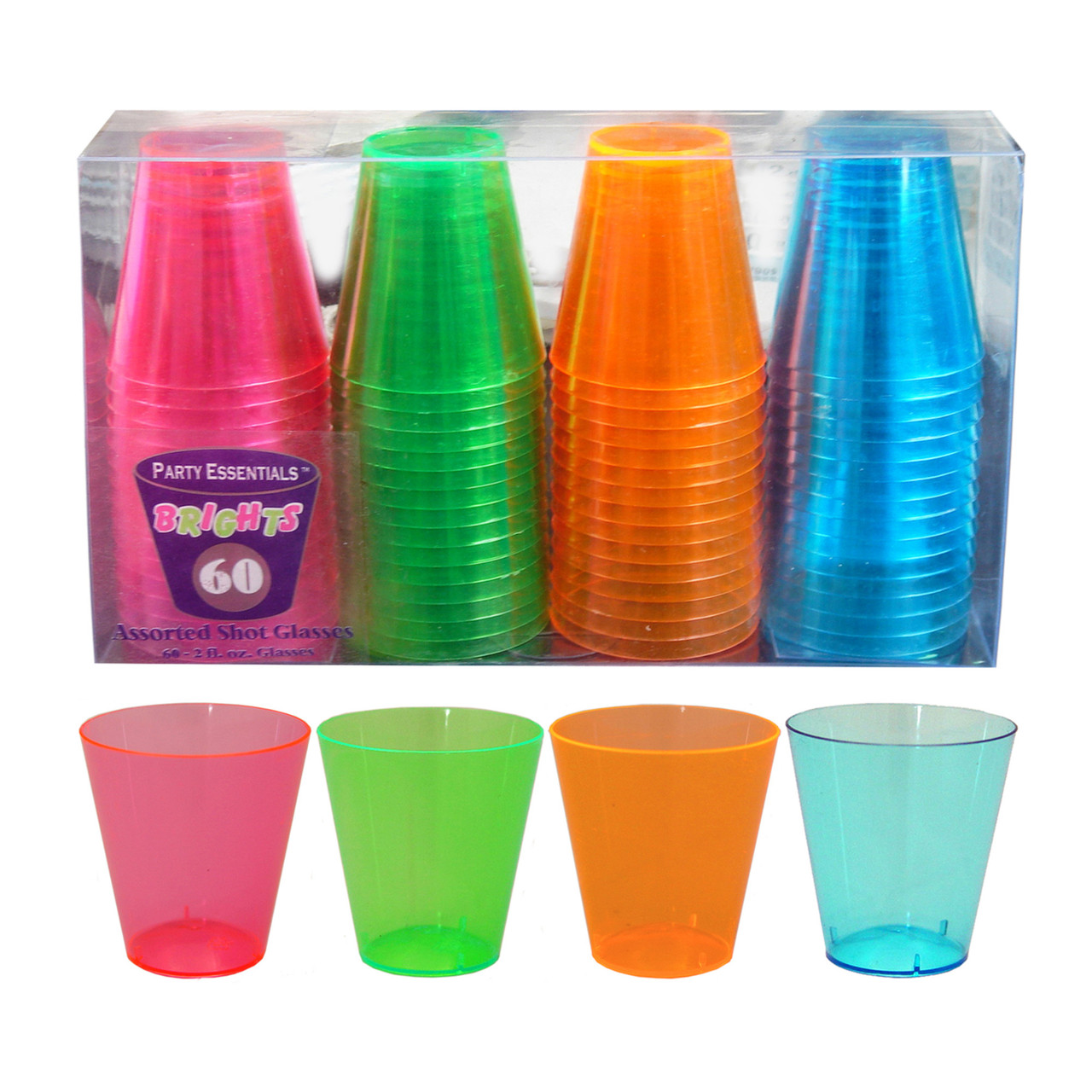
Specialty drinks may need unique vessels. Shot glasses serve specific social functions or tasting events. Ensure you have enough small glasses if your venue hosts parties or themed dinners. Neon or colored options add visual interest to casual gatherings without increasing cost substantially.
Calculating Safety Stock Levels
Accidents happen, so plan for inevitable item replacement needs.
No inventory lasts forever without loss. Breakage is a fact of life in hospitality. To manage this, calculate a safety stock percentage. A ten percent buffer is standard for durable goods like ceramic plates. Glassware may require a higher buffer due to fragility and frequent handling.
This extra stock sits ready until needed. It prevents the scramble to replace items mid-service. Guests notice missing pieces more than they appreciate perfect sets. Having immediate replacements ensures continuity of service regardless of accidental drops or mishaps in the kitchen.
Track breakage patterns over time. Note which items fail most often. This data helps refine your buffer calculations. If stemware breaks frequently, consider switching to more durable materials or adjusting handling protocols. Data-driven adjustments save resources long term.
Optimizing Storage Efficiency
Fit your calculated stock within available cabinet space.
Inventory calculations mean little if you cannot store items. Measure your kitchen cabinets before ordering bulk supplies. Heavy ceramics take up significant space and weight capacity. Ensure shelves can support the load without warping or collapsing under pressure.
Organize by frequency of use. Keep everyday plates and glasses within easy reach. Store specialty items higher or in less accessible areas. This workflow reduces handling time for staff and minimizes exposure to potential damage during routine cleaning operations.
Label shelves clearly for quick identification. Color-coded labels help new staff locate items fast. Efficient storage reduces search time during peak hours. A well-organized kitchen runs smoother, leading to faster table turnover and higher guest satisfaction scores overall.
Enhancing Service Quality
Adequate stock prevents service delays and guest frustration.
Guest satisfaction hinges on smooth service. Running out of plates mid-meal creates negative impressions. Adequate stock levels ensure every guest receives their meal promptly. This reliability builds trust and encourages repeat visits or positive online reviews for your property.
Visual appeal matters too. Clean, intact glassware reflects professionalism. Chips or cracks distract guests and suggest poor maintenance standards. Regularly audit your inventory to remove substandard items. Replace them immediately to maintain a high-quality dining environment.
Flexibility enhances guest comfort. Having extra glasses allows for spontaneous beverage requests. Extra plates accommodate second helpings without delay. This generosity improves the overall experience, making guests feel valued and cared for throughout their stay.
Balancing Quantity and Budget
Avoid overstocking while preventing costly shortages.
Overbuying ties up capital in unused inventory. Underbuying leads to emergency purchases at premium prices. Find the sweet spot using historical data and current occupancy rates. This balance ensures financial efficiency while maintaining operational readiness for any scenario.
Consider lifecycle costs of each item. Cheap plates may break faster, increasing replacement frequency. Higher quality items last longer, reducing long-term expenses. Evaluate total cost of ownership rather than just initial price when selecting tableware for your establishment.
Regularly review supplier options. Market prices fluctuate based on material availability and demand. Stay informed about industry trends to secure best value. Proactive purchasing strategies protect your bottom line against unexpected market shifts or supply chain disruptions.
Tableware Needs Comparison
Compare item counts for different service styles.
| Service Style | Plates Per Seat | Glasses Per Seat | Notes |
|---|---|---|---|
| Breakfast Only | 1 Bowl/Plate | 1 Mug | Keep it simple |
| Lunch Buffet | 1 Plate | 2 Glasses | Water and soda |
| Dinner Plated | 2 Plates | 3 Glasses | Side plate included |
| Wine Tasting | 0 Plates | 4 Glasses | Multiple pours needed |
| Party Event | 1 Plate | 2 Glasses | Mix of types |
| Catering Boxed | 0 Plates | 1 Cup | Disposable options |
| All-Day Access | 3 Plates | 4 Glasses | Max flexibility |
Explore Our Tableware Range
Find durable and stylish options for every setting.



What Canadian Property Managers say
See what our clients say about their stocking experience.
We reduced our breakage rate significantly by following this buffer advice. The neon shot glasses add a fun touch to our summer events without worrying too much about minor chips.
The calculation method helped us right-size our inventory. We stopped buying excess stemware that sat unused for months. Now we have exactly what we need for every booking type.
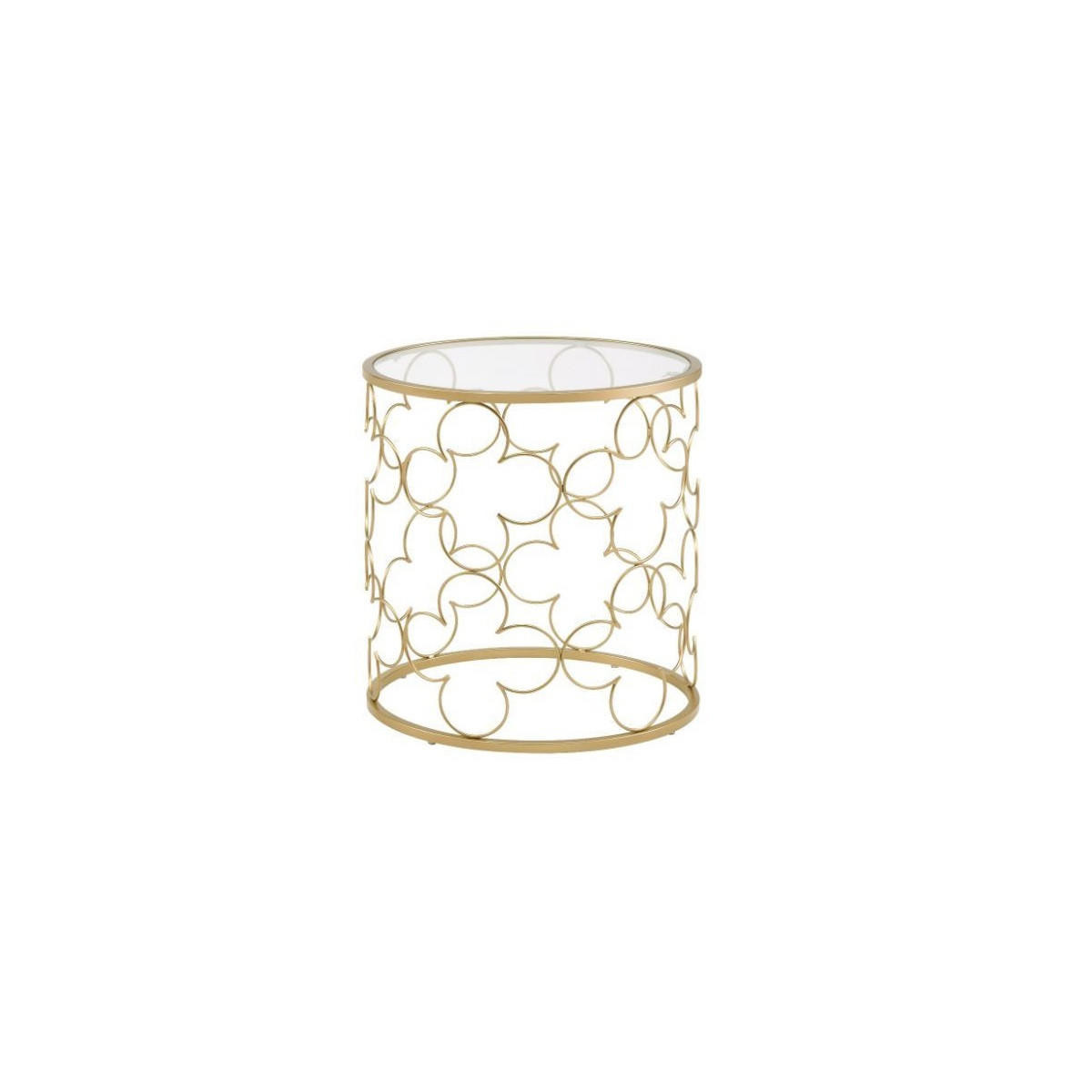
Our guests noticed the immediate availability of clean plates. The nested coffee tables saved us valuable floor space in our common area while looking elegant and modern.
Stocking Logistics: Frequently Asked Questions
How often should I review my stock levels?
Review your inventory monthly. Check for breakage and adjust counts based on seasonal trends. This regular audit prevents sudden shortages during peak periods.
Can I mix different glass types?
Yes, mixing is practical. Ensure shapes are compatible with your menu. Universal glasses simplify service but specialty items enhance specific dining experiences.
What is a good buffer percentage?
Ten percent works for durable plates. Increase to fifteen percent for glassware. Adjust based on your actual breakage data over several months.
How do I handle large group events?
Add extra stock for groups larger than twenty. These events strain standard supplies quickly. Ensure you have immediate backups ready in storage.
Should I buy plastic or glass?
Glass offers premium feel but breaks easily. Plastic reduces risk and cost. Choose based on your guest demographic and event formality level.
How do I store extra stock safely?
Use sturdy shelving in dry areas. Stack plates with felt pads between them. Keep glassware upright to prevent stress fractures from pressure.
What if guests request specialty items?
Keep a small reserve of unique pieces. These handle occasional requests without cluttering daily service. Store them separately to avoid confusion.
How do I track breakage patterns?
Log incidents in a simple spreadsheet. Note item type and reason for damage. This data helps you identify weak points in your inventory.
Is it better to buy in bulk?
Bulk purchases lower unit costs but require storage space. Assess your cabinet capacity first. Balance savings against logistical constraints carefully.
How do you calculate shipping on bulk orders?
We calculate shipping on live carrier rates at checkout, not on flat or subsidized tiers. Every order is priced against real LTL, parcel, or pallet-freight quotes from our Calgary warehouse to your dock. That means you never absorb hidden shipping costs into product margins — what we charge is what the carrier charges us, plus a small handling pass-through. For bulk and pallet orders this typically runs 15–25% lower than competitors who bake shipping into their unit prices, because the rate is transparent and tied to the actual shipment weight and distance.
Related guides from ChickenPieces
Why Choose Our Supplies
We provide reliable products and expert support for Canadian businesses.
Local Calgary Support
Our team understands regional needs. Fast shipping across Canada ensures you receive orders quickly without long waits or complicated logistics.
Quality Assurance
Every item meets strict durability standards. We test products for longevity to ensure they withstand frequent use in demanding hospitality environments.
Bulk Pricing Options
Save more with larger orders. Our wholesale structure provides competitive rates for property managers and facility operators needing consistent supply levels.
Regulatory Compliance
All food-contact items meet Health Canada safety standards. Rest easy knowing your tableware complies with federal regulations for consumer protection.
Request Your Custom Quote Today
Contact our team to discuss your specific inventory needs. We will provide a tailored solution that fits your budget and operational requirements perfectly.
Request a QuoteAuthoritative Sources
The following government and public-health sources informed the operator guidance above. Citations to Reddit, Quora, and operator forums appear in the FAQ block above.