
 US Dollar (USD)


2026 Jun 23rd
Fibre Trends Reshape Canadian Food Supply Chains for Hosts
Guests now prioritize digestive health alongside protein intake. Supply chains must adapt by stocking high-fibre staples like legumes and whole grains. This shift ensures your property meets modern dietary expectations without complicating inventory management for staff.
Fibre Trends Reshape Canadian Food Supply Chains for Hosts
Property managers and facility operators need reliable stock to meet guest dietary preferences. This guide explains the shift toward fibre-rich inventory selection for your kitchen operations.
Key Takeaways
Review these key insights on sourcing fibre-rich ingredients.
Guest Demand Shifts
Travelers increasingly seek menu options that support gut health. Understanding this trend allows operators to stock relevant items. It improves guest satisfaction and retention rates significantly.
Inventory Simplification
High-fibre products often have longer shelf lives. This reduces waste in commercial kitchens. Staff can prepare meals more efficiently without worrying about rapid spoilage of perishable goods.
Canadian Sourcing Benefits
Local production ensures consistent quality and supply reliability. Supporting domestic manufacturers strengthens community ties. It also guarantees compliance with strict national food safety standards.
Versatile Preparation Methods
Legumes and whole grains offer diverse culinary applications. They fit into breakfast, lunch, and dinner menus easily. This versatility reduces the need for specialized cooking equipment or training.
Health Perception Value
Properties offering nutritious options stand out in reviews. Guests associate fibre-rich choices with wellness and care. This perception enhances your brand reputation among health-conscious travelers.
Cost Efficiency Gains
Bulk purchasing of staple fibre items lowers unit costs. These savings improve overall operational margins. Smart inventory planning further reduces expenses associated with frequent restocking trips.
Understanding the Fibre Nutrition Trend Today
Guest expectations have evolved beyond basic caloric needs.
Modern travelers view food as a tool for wellness. They actively seek ingredients that support digestive health and sustained energy levels. This shift impacts how properties plan their breakfast provisions and pantry staples. Operators must recognize this demand to remain competitive in the hospitality sector. The market is moving away from empty calories toward nutrient-dense options that provide lasting satisfaction.
The focus has moved from pure protein volume to balanced nutrition. Fibre plays a critical role in satiety and metabolic health. Supply chains are responding by increasing availability of whole foods. This change offers opportunities for cost-effective menu enhancements. By integrating these staples, businesses can meet rising health standards while maintaining financial stability through efficient sourcing strategies.
Selecting Reliable Canadian Fibre Ingredients
Domestic suppliers offer consistent quality and compliance.
Canadian agriculture produces high-quality legumes and whole grains. These items provide excellent fibre content without complex supply chain issues. Sourcing locally reduces transit times and ensures freshness. It also supports local economies, which resonates with environmentally conscious guests who value sustainable practices and community investment.
Consistency is key for property managers managing multiple units. Reliable suppliers deliver uniform product quality every time. This predictability simplifies inventory management and reduces waste. Staff can rely on standard preparation methods across all locations, ensuring that guest experiences remain high regardless of the specific property location or staffing levels.
Legumes as High-Fibre Staple Foundations
Beans offer versatile, cost-effective nutritional value.
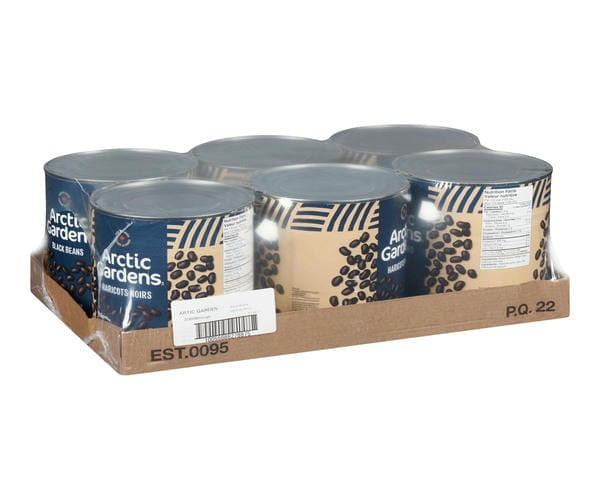
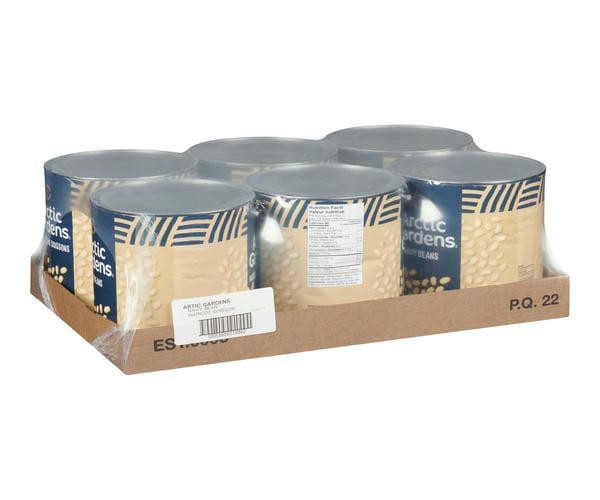
Black beans provide substantial fibre and protein in one package. They work well in salads, soups, and breakfast burritos. Their neutral flavor allows for easy integration into diverse cuisines. Navy beans offer similar benefits with a softer texture, making them ideal for thickening stews or creating creamy dips without using heavy creams.
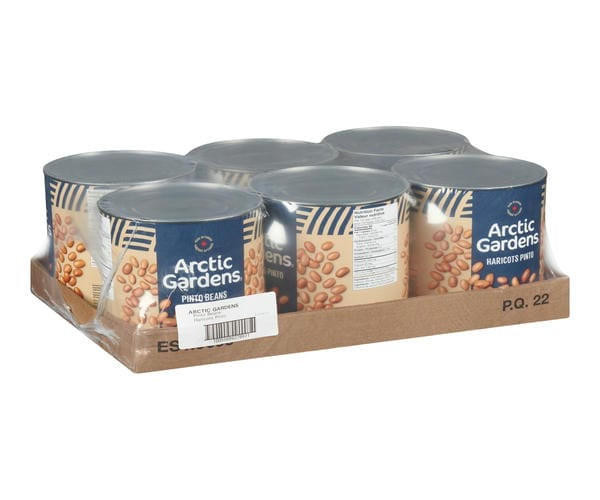
Pinto beans are versatile for both savory and sweet applications. They hold their shape well during cooking processes. This durability makes them ideal for batch preparation. Large containers ensure minimal handling waste in commercial kitchens, allowing staff to prepare large quantities of meals quickly and efficiently for peak service times.
Whole Grains Enhance Breakfast Provisions
Oats and bran improve morning meal nutrition.
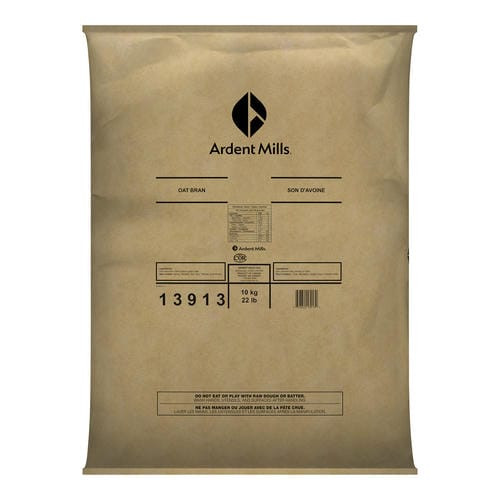
Oat bran is concentrated fibre that supports digestive health. It mixes easily into existing breakfast offerings like cereals and muffins. Guests appreciate the subtle nutty flavor it adds. Bulk packaging reduces per-serve costs significantly for operators, providing a high-value addition to morning menus that enhances perceived quality without increasing operational complexity.
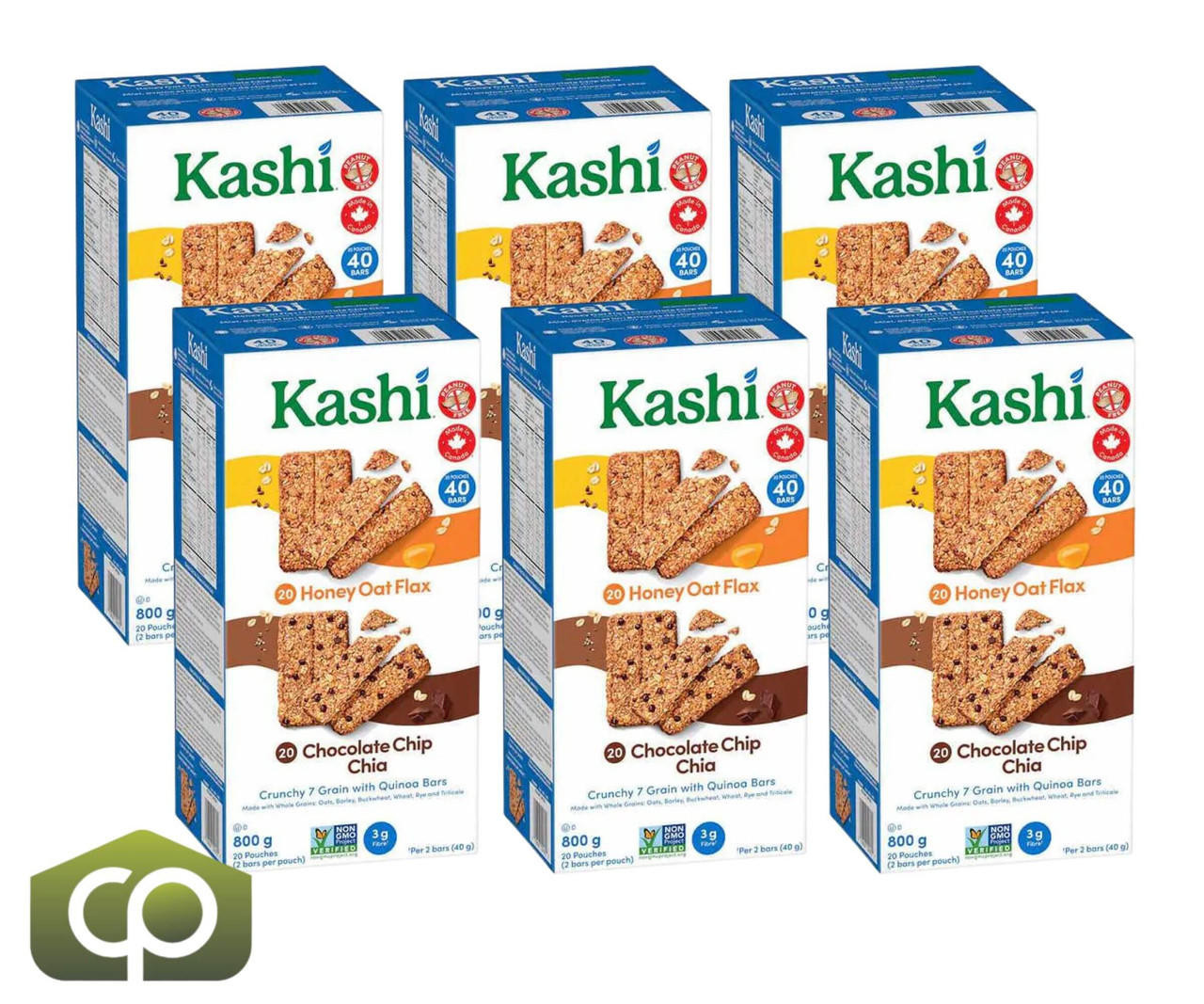
Whole grain bars provide portable nutrition for active guests. They serve as convenient snacks during travel days. Options with added seeds or nuts enhance nutritional profiles. These items require no preparation, saving staff time and reducing the burden on kitchen facilities during busy check-in periods when immediate guest needs must be met swiftly.
Managing Fibre Inventory Efficiently
Proper storage preserves quality and safety.
Dry goods have long shelf lives when stored correctly. This characteristic reduces the frequency of ordering cycles. Property managers can plan purchases weeks in advance. It stabilizes cash flow and inventory levels across properties, allowing for better financial forecasting and reducing the risk of stockouts during unexpected surges in guest numbers.
Pre-cooked options save valuable kitchen labor hours. Canned or retort-pouched beans are ready to use immediately. They eliminate the need for soaking and lengthy boiling times. This efficiency allows staff to focus on guest services, ensuring that human interaction remains personal and attentive despite the high volume of food preparation required daily.
Meeting Canadian Food Safety Standards
Regulatory compliance protects your business operations.
Canadian food regulations are strict and comprehensive. Suppliers must adhere to rigorous safety protocols. This ensures that every product reaching your kitchen is safe. It provides peace of mind for both operators and guests, knowing that the highest standards of hygiene and quality control are maintained throughout the entire supply chain process.
Documentation trails verify ingredient origins and processing methods. Transparent supply chains allow for quick traceability if needed. This transparency builds trust with health-conscious consumers. It demonstrates a commitment to high standards, reinforcing your brand's dedication to guest well-being and responsible business practices in an increasingly regulated market.
Comparing Fibre Sources for Hospitality Kitchens
Evaluate these common ingredients based on storage needs and preparation time.
| Ingredient Type | Shelf Life Duration | Preparation Complexity | Guest Appeal Factor |
|---|---|---|---|
| Black Beans | Long Term Storage | Low Effort Required | High Versatility Level |
| Navy Beans | Extended Shelf Life | Minimal Cooking Steps | Smooth Texture Preferred |
| Pinto Beans | Stable Longevity | Easy Batch Prep | Classic Flavor Profile |
| Oat Bran | Dry Storage Safe | No Cook Needed | Breakfast Staple Choice |
| Whole Grain Bars | Long Lasting Freshness | Ready To Eat | Convenient Snack Option |
| Whey Protein Bars | Moderate Shelf Life | Zero Prep Time | Athletic Recovery Focus |
| Flax Fibre Powder | Dry Container Safe | Simple Mixing Step | Health Conscious Additive |
Explore Our High-Fibre Product Range
Browse our curated selection of Canadian-made fibre staples.



People Also Ask
Real questions buyers search before they order — answered straight.
What is the difference between soluble and insoluble fibre?
Soluble fibre dissolves in water and forms a gel that slows digestion and helps with fullness, found in oats, beans, and many fruits. Insoluble fibre does not dissolve and adds bulk that keeps things moving, found in whole grains, skins, and vegetables. A fibre-forward menu benefits from both, so mixing sources gives guests the widest benefit.
What are the health benefits of adding more fibre?
Higher-fibre meals support digestion, steadier energy, and longer-lasting fullness, which is exactly why fibre-forward eating is trending on menus. For operators, dishes that leave guests satisfied can improve how a meal is perceived and remembered. Highlighting fibre-rich ingredients also appeals to the fast-growing wellness-minded crowd.
How much fibre should an adult eat each day?
General guidance puts most adults around 25 to 38 grams of fibre a day, yet many people fall well short. That gap is the opportunity for menus that make fibre easy and appealing rather than an afterthought. Building a little more fibre into everyday dishes helps guests close the gap without thinking about it.
Can adding more fibre cause gas or bloating?
Increasing fibre too quickly can cause temporary gas or bloating, which is why gradual increases and plenty of water are the usual advice. On a menu, that means offering fibre-rich options rather than overloading a single dish. Balanced portions let guests enjoy the benefit comfortably.
How quickly does eating more fibre make a difference?
Many people notice digestive changes within a few days of eating more fibre consistently, though the bigger benefits build over weeks. For a foodservice operator, the takeaway is that fibre appeal comes from steady, repeatable menu choices, not a one-off dish. Consistency is what keeps health-minded guests coming back.
Are fibre supplements worth it, or is fibre-rich food better?
Supplements can fill a gap, but whole-food fibre from grains, legumes, vegetables, and fruit brings extra nutrients and better flavour to the plate. For menus, that is good news: fibre sells best as delicious food, not as a pill. Leaning on real ingredients is both more appetising and more marketable.
What Canadian property managers say
See what other operators say about our supply service.
Switching to bulk beans cut our pantry costs significantly. The quality is consistent every delivery. Guests love the homemade breakfast burritos we now serve daily using these staples.
The oat bran arrived perfectly packaged and fresh. It has become a standard addition to our yogurt station. Staff appreciate how easy it is to manage inventory with these durable items.
We needed reliable fibre sources for our wellness retreat packages. These products met all our nutritional requirements. The Canadian origin gave us confidence in safety and quality standards.
Fibre Inventory Management: Frequently Asked Questions
The following operator questions are answered with cited sources. Every FAQ links to Health Canada, CFIA, Canada.ca, or another authoritative regulator.
What does 'fibre is the new protein' mean for my restaurant menu in 2026?
Source: Source
Where can I buy high-fibre foods in bulk for my Airbnb or restaurant in Canada?
Source: Source
How much fibre do Canadians need per day — and are restaurant menus actually delivering it?
Source: Source
What high-fibre breakfast snacks should I stock for Airbnb guests without breaking the budget?
Source: Source
Are high-fibre ingredients actually more expensive for food service operators?
Source: Source
How do I add fibre to my existing menu without changing my whole operation?
Source: Source
What is 'fibermaxxing' and should I put high-fibre items on my menu right now?
Source: Source
Can I get fibre-rich products through my regular Canadian food distributor like Sysco or GFS?
Source: Source
How does the fibre trend connect to guests using GLP-1 drugs (Ozempic, Wegovy) in my restaurant?
Source: Source
What shelf-stable high-fibre foods can I buy in bulk for my Airbnb without worrying about spoilage?
Source: Source
Related guides from ChickenPieces
Why Partner With Our Wholesale Team
We provide reliable supply solutions for Canadian hospitality professionals.
Local Calgary Support
Our team understands regional market needs. We offer personalized assistance for inventory planning. Fast local dispatch ensures timely deliveries to your properties across the province.
Consistent Quality Standards
Every product undergoes rigorous quality checks. You receive uniform goods with every order. This consistency simplifies kitchen operations and maintains high guest satisfaction levels daily.
Bulk Pricing Advantages
Volume purchasing lowers your per-unit costs significantly. These savings improve your operational margins directly. We help you optimize spending without compromising on product quality or variety.
Regulatory Compliance Focus
All items meet Health Canada and CFIA standards. This adherence protects your business from compliance risks. You serve guests with confidence knowing safety protocols are strictly followed.
Request Your Custom Supply Quote Now
Contact our team to discuss your specific inventory requirements. We will tailor a solution that fits your operational needs and budget constraints effectively.
Request a Quote