

2026 May 18th

Condensed vs Evaporated Milk: Key Differences

My name is Amani, and at ChickenPieces.com, we help Canadian foodservice operators and home cooks navigate bulk dairy with confidence. Dairy concentrates like evaporated and condensed milk are workhorses in commercial kitchens, and I’ve seen firsthand how a simple mix, up can throw off an entire batch of sauce or dessert. In fact, Canadian foodservice data shows that dairy ingredients appear in nearly 60% of all dessert and sauce preparations, making it essential for kitchen staff to understand the distinction between these two pantry staples. Whether you are running a busy café in Vancouver or a healthcare kitchen in Halifax, knowing when to reach for evaporated versus condensed milk can save time, reduce waste, and keep your recipes consistent.

From our Calgary distribution centre, we ship pallet quantities of both products across the country. Yet we still hear the same question every week: “What is the real difference, and can I swap them?” That is exactly what we’ll sort out here, with a focus on how these milk concentrates behave in large, batch cooking, baking, and beverage service. By the end, you’ll have a practical reference you can pin to your kitchen board.

Key Takeaways

  • Condensed milk is sweetened and thick, perfect for desserts, while evaporated milk is unsweetened and commonly used in savoury cooking.
  • Substituting one for the other requires adjusting sugar and dilution levels. It is not a one, to, one swap.
  • Bulk evaporated milk concentrate can be reconstituted with water for a affordable dairy alternative in soups and sauces.
  • Proper storage extends shelf life. Unopened cans last months at ambient temperature, and opened cans need refrigeration.
  • All products ship from our Calgary warehouse with next, day delivery across Alberta and 2, 3 day shipping Canada, wide.

What’s the main difference between condensed milk and evaporated milk?

The primary difference is sugar content. Evaporated milk is simply fresh milk with about 60% of its water removed, no added sugar. Sweetened condensed milk goes through the same evaporation process but has sugar added, making it thick, syrupy, and far sweeter. This fundamental distinction determines their roles in cooking and baking.

Both products begin as fresh milk that is heated under a vacuum to remove water, concentrating the milk solids. The process stabilizes the milk, giving it a longer shelf life than fluid milk. But that added sugar in condensed milk is not just for taste. It acts as a preservative, reducing water activity and preventing microbial growth. This is why an unopened can of condensed milk can sit on your dry storage shelf for months without refrigeration, while evaporated milk, being unsweetened, requires the canning process to stay shelf, stable but has a slightly shorter shelf life once opened.

I often hear chefs say they think of evaporated milk as “cooking milk” and condensed milk as “baking milk.” That is a handy way to remember, but it is not the whole story. Evaporated milk adds richness to savoury dishes without the sweetness. It behaves like a more concentrated whole milk, so you can dilute it with an equal amount of water to approximate fresh milk. Condensed milk, , brings both sweetness and a velvety texture, making it essential in fudge, caramel, and many Asian and Latin American desserts. In commercial kitchens, mixing the two up can lead to an overly sugary mac and cheese or a dull, undersweetened tres leches cake.

Nutritionally, the numbers tell a clear story. One cup of sweetened condensed milk can pack over 200 grams of sugar, while the same amount of evaporated milk has only its natural milk sugars, about 25 grams. That sugar load matters when you’re planning diabetic, friendly or calorie, conscious menus. We always recommend having both cans clearly labelled in your dry storage to avoid accidents.

How is evaporated milk made, and what are its common uses?

Evaporated milk is produced by gently heating fresh milk under reduced pressure until about 60% of the water evaporates, leaving a concentrated, unsweetened liquid. It is then homogenized, canned, and heat, sterilized. Common uses include cream sauces, soups, coffee, tea, and as a milk substitute in baking and mashed potatoes.

The manufacturing process is simple but precise. At the dairy plant, raw milk is clarified and standardized to the desired fat content. Then it enters a vacuum evaporator, where the boiling point drops so the milk concentrates without scorching. After evaporation, the milk is homogenized to ensure a smooth consistency, fortified with vitamins, and sealed in cans before undergoing retort sterilization. This is why our catalogue can sit on a shelf for up to a year. It is an incredibly stable product for operators who may not have daily dairy deliveries.

In a Canadian foodservice setting, evaporated milk shines in hot applications. Pour it into a cream soup, and you’ll get a silky mouthfeel without the added sugar that can throw off a savoury profile. I always keep a tin handy when making clam chowder or a creamy vegetable bisque. It also works beautifully in quiches, custards, and even mac and cheese. Because it has more protein and body than regular milk, you can reduce the amount of butter or flour needed to achieve the same richness, which can help you control food costs.

Another big advantage is its performance in hot beverages. Many Canadian cafés use evaporated milk in coffee for a creamier texture that holds up better than fresh milk when sitting on a warming plate. Simply dilute it with water or use it straight from the can, depending on how indulgent you want the drink to be. Powdered milk alternatives like our catalogue can also fill this role, but evaporated milk delivers a fresher, more natural dairy flavour that customers recognise.

Beyond savouries, evaporated milk can appear in baking as well. It adds tenderness to bread dough and a golden colour to pie crusts. In some recipes, you can whip chilled evaporated milk as a low, fat topping, though it requires gelatine stabilization to hold peaks. The key is to remember that it is not sweet, so you need to adjust your sugar levels accordingly.

How is sweetened condensed milk made, and what are its typical applications?

Sweetened condensed milk begins the same way as evaporated milk, with water removal from fresh milk. However, before evaporation even finishes, a significant amount of sugar is added. The sugar saturates the liquid, preventing bacterial growth and creating a thick, syrupy product that is the backbone of confectionery and dessert menus.

The sugar content is striking. It can make up 40% to 45% of the final product by weight. That sugar not only preserves the milk but also gives it a caramel, like note when heated, which is why it is the star ingredient in dulce de leche and banoffee pie. In our our catalogue, you’ll get the same rich consistency that professional bakers rely on for tray after tray of lemon bars, key lime pie, and coconut macaroons.

In a high, volume dessert kitchen, condensed milk saves enormous labour. Instead of cooking down milk and sugar for an hour to make a caramel base, you can open a can and fold it into whipped cream, cream cheese, or melted chocolate. The viscosity and sugar concentration allow it to bind ingredients without extra thickeners. I have seen pastry chefs use it as the sole liquid in gluten, free brownies to add moisture and chew. It also mixes smoothly into ice cream bases, eliminating the need for a custard, cooking step.

Sweetened condensed milk is not just for Western sweets. Many Asian bakeries use it in milk bread and fluffy cakes. Latin American kitchens depend on it for flan and tres leches. Middle Eastern dessert shops fold it into halva and basbousa. If you run a multicultural bakery or catering operation, keeping our catalogue in your inventory opens up an entire world of dessert programmes without stocking dozens of specialty ingredients. One can does a lot of heavy lifting.

The same sugar that makes it so versatile also demands care. Condensed milk scorches easily if heated over high, direct heat. Always use a double boiler or a low flame and stir constantly when making confections. If you need a pourable consistency for drizzling, warm it gently and thin with a little evaporated milk or cream, never water, to prevent separation.

Can you substitute one for the other in recipes?

You can sometimes substitute evaporated milk for condensed milk, but it requires adding sugar and compensating for texture differences. The reverse, using condensed milk in place of evaporated milk, is far trickier because you cannot easily remove the sugar. Substitution works best when you understand the function of the milk in your particular recipe.

This is where mistakes happen most often in busy kitchens. A prep cook grabs a can, sees “milk,” and pours it into the soup. A quick check of the label could have prevented a ruined batch. I recommend colour, coding or clearly marking shelves. Now, if you are intentionally substituting, here is how it breaks down.

To replace evaporated milk with condensed milk: You must drastically cut the sugar elsewhere in the recipe. For a cup of evaporated milk, you can use about one, third to one, half cup of condensed milk plus enough water or fresh milk to reach one cup total liquid. Then reduce the recipe’s added sugar by roughly one, third cup for every cup of evaporated milk you are replacing. This works in baked goods like cakes and muffins where the extra sugar won’t wreck the structure, but it fails in savoury dishes. A cream of mushroom soup made with condensed milk will taste like dessert, not dinner.

The opposite conversion, turning evaporated milk into condensed milk, is more forgiving. Simply add 1¼ cups of sugar to 1 cup of evaporated milk and heat gently until the sugar dissolves and the mixture thickens slightly. This homemade version works well in pies, bars, and fudge. Our our catalogue makes an excellent base for this because its consistency is consistent and neutral. Some cooks even keep a pre, mixed batch in the cooler for impromptu dessert specials.

Texture is another factor. Condensed milk is much denser, so if your recipe relies on it for body, like in a no, bake cheesecake, substituting with a diluted evaporated and sugar mixture might leave you with a looser set. You may need to add a small amount of gelatine or cornstarch to compensate. In the end, the best policy is to keep both on hand. They each have their place, and with our catalogue and our catalogue in your storeroom, you never have to improvise out of desperation.

ProductSugar Content (per cup)ConsistencyCommon UsesDirect Substitution Possible?
Evaporated Milk~25 g (naturally occurring)Thin, pourable, like light creamSoups, sauces, coffee, quiche, mashed potatoesYes, if sugar is added and volume adjusted
Sweetened Condensed Milk~220 g (added sugars)Thick, syrupy, spoonableFudge, caramel, pies, ice cream, baked goodsRarely, only in desserts after cutting sugar drastically
DIY Evap, to, CondensedCustom (add 1¼ cups sugar per cup evap)Thickens when heatedEmergency dessert baseWorks as a planned substitute
DIY Condensed, to, EvapVery high, hard to reduceSyrupy, will diluteLimited to sweet applications onlyNot recommended for savoury cooking

Operator’s Tip

When converting evaporated to condensed milk, whisk the sugar into the cold milk first, then heat slowly while stirring. This prevents sugar crystals from forming and gives you a perfectly smooth homemade sweetened condensed milk every time.

How should bulk evaporated and condensed milk be stored for foodservice?

Unopened cans of both evaporated and condensed milk can be stored at ambient temperature in a cool, dry pantry for 9 to 12 months. Once opened, transfer the contents to a clean, airtight container, refrigerate immediately, and use within 3 to 5 days. Never store opened cans directly in the fridge with metal exposed to air.

Proper storage sounds simple, but in a high, volume kitchen, corners get cut. I have seen opened cans shoved back into the cooler with nothing but a piece of cling film on top. That invites off flavours, bacterial growth, and moisture loss. Treat these milk concentrates like any other opened dairy product. Pour the unused portion into a non, reactive container with a tight lid. Glass or food, grade plastic works well. Label the container with the date opened, because these products can ferment if left too long, even in the fridge.

For operators buying in pallet quantities, ambient storage is a big advantage. You don’t need walk, in cooler space for sealed cases of our catalogue or our catalogue. That frees up refrigerated cubic feet for fresh produce and meats. However, avoid storing cans near heat sources like ovens, steam kettles, or hot water pipes. Excess heat can accelerate the Maillard reaction inside the can, darkening the milk and developing a cooked, caramelized off, note that you cannot reverse.

Freezing is an option, but it comes with textural changes. Both evaporated and condensed milk can be frozen, though they may separate upon thawing. Sweetened condensed milk freezes better because the sugar depresses the freezing point and maintains some smoothness. If you freeze evaporated milk, plan to use it in cooked applications where you can whisk it back together. Always thaw in the refrigerator and stir or shake vigorously before using. For kitchens that go through milk concentrates quickly, proper FIFO rotation of your pallet stock eliminates the need for freezing.

Watch for signs of spoilage. A sour smell, curdling when poured, or a bloated can are all red flags. Never taste a product that shows these signs. Canned milk can harbour dangerous pathogens if the seal is compromised. Our team ensures every can that leaves the Calgary facility is inspected and within date, giving you one less worry.

Why buy bulk milk products from a Canadian supplier like ChickenPieces.com?

Buying bulk evaporated and condensed milk from a Canadian supplier simplifies your supply chain, reduces per, unit costs, and guarantees compliance with Canadian food safety standards. With a single purchase order, you can secure pallet quantities that keep your kitchen running without frequent reorders from grocery wholesalers.

When you operate a commercial kitchen, consistency and availability matter as much as price. Running out of sweetened condensed milk on a Saturday morning when you have 50 cheesecake orders due is a nightmare. With bulk ordering through ChickenPieces.com, you lock in your supply for weeks or even months. Our warehouse stock of our catalogue and our catalogue is deep, so you don’t have to play the backorder game.

Beyond convenience, bulk purchasing lowers your landed cost. Shipping a pallet of cans across Canada in one consolidated load is far more efficient than ordering cases piecemeal from multiple vendors. Many of our foodservice clients in Ontario and BC report saving at least 15% on their dairy concentrate line item after switching to pallet orders. Those savings go straight to your bottom line. And because we ship from one central point, you get predictable delivery timelines and one point of contact for any service issues. All products ship from our Calgary warehouse with next, day delivery across Alberta and 2, 3 day shipping Canada, wide.

Canadian customers also benefit from knowing their products meet rigorous CFIA and Health Canada standards. Our bulk evaporated and condensed milk is manufactured in federally inspected facilities, with full traceability. For healthcare and long, term care operators, this documentation is non, negotiable. We provide the paperwork you need for your audits without delays.

Finally, the environmental angle matters. Consolidating your dairy deliveries into fewer, fuller shipments cuts down on cardboard waste and transport emissions. Many operators are aligning their purchasing with sustainability goals, and bulk ordering from a Canadian source is a simple step in that direction. Plus, you reduce the number of trucks backing up to your loading dock, which makes your receiving team’s day a little calmer.

Frequently Asked Questions

What is the difference between evaporated milk and condensed milk?

Evaporated milk is unsweetened, concentrated milk with about 60% of water removed. Condensed milk undergoes the same evaporation but has sugar added, resulting in a thick, syrupy product. This difference defines their culinary roles. Evaporated milk works in savoury dishes, while condensed milk is a dessert staple.

Can I use evaporated milk instead of condensed milk?

Yes, but you need to add sugar and adjust the volume. For one cup of condensed milk, combine 1 cup of evaporated milk with 1¼ cups sugar and heat until dissolved. This substitute works in baked desserts, though texture may be slightly thinner.

Is condensed milk healthier than evaporated milk?

Generally, no. Sweetened condensed milk contains significantly more sugar and calories. Evaporated milk offers the same protein and calcium without added sugars, making it the healthier choice for everyday cooking and beverages, especially for health, conscious menus.

How long does evaporated milk last after opening?

Once opened, evaporated milk should be transferred to an airtight container and refrigerated. Use it within 3 to 5 days for best quality. Do not leave it in the opened can inside the fridge, as this can lead to metallic tastes and spoilage.

Can I freeze condensed milk?

Yes, sweetened condensed milk freezes well due to its high sugar content. Pour it into a freezer, safe container, leaving headspace, and freeze for up to 3 months. Thaw in the refrigerator and stir before use. Separation is minimal.

What are common uses for evaporated milk in Canadian kitchens?

Canadian operators use evaporated milk in cream soups, chowders, mashed potatoes, quiche, and hot coffee. It adds richness without sweetness and can be diluted to replace fresh milk in baking and sauces. Bulk evaporated milk is a cost, saver for high, volume kitchens.

How do I store bulk quantities of condensed milk?

Store unopened cans in a cool, dry pantry away from heat. Rotate stock using FIFO. Once opened, refrigerate in covered containers and use within 5 days. For large, volume kitchens, order pallets with staggered expiry dates to maintain freshness.

Does ChickenPieces.com offer lactose, free milk concentrates?

We carry a range of dairy alternatives and can source lactose, free evaporated milk or powdered milk alternatives upon request. Contact our team to discuss your specific dietary requirements, and we’ll help find a bulk solution that fits your menu needs.

Products Mentioned

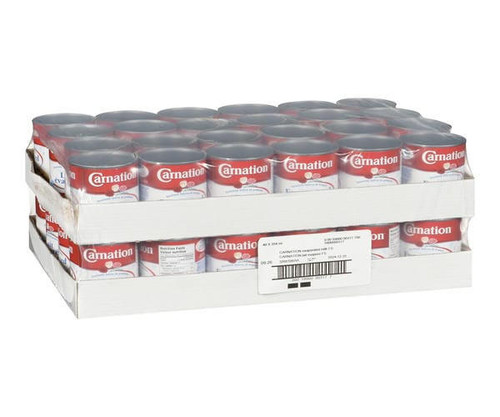
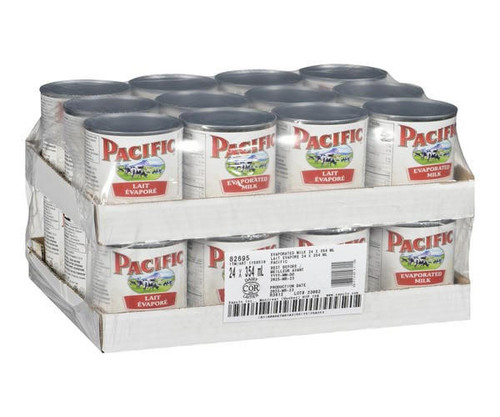
  • our catalogue
  • our catalogue
  • our catalogue