2026 May 18th

Condensed vs Evaporated Milk for Canadian Foodservice

Canadian-Owned No MOQ Ships Canada-Wide Calgary Warehouse Food Safe Focus
Dairy
AK

Amani Khehra

Chicken Pieces · Calgary, AB

Condensed vs Evaporated Milk for Canadian Foodservice

The real difference between sweetened condensed milk and evaporated milk, and when a Canadian kitchen can swap them.

Quick Answer

Sweetened condensed milk is evaporated milk with a heavy sugar load, thick and sweet. Evaporated milk is unsweetened, just milk with water removed, so it behaves more like a rich dairy ingredient than a dessert syrup. They are not a one-for-one swap in pumpkin pie, mac and cheese, or fudge, unless you adjust the sugar.

Takeaways

What to remember

Sweetened condensed milk is thick, syrupy, and high in sugar, while ev

Sweetened condensed milk is thick, syrupy, and high in sugar, while evaporated milk is unsweetened, concentrated milk with no added sugar.

Evaporated milk can be reconstituted with water to approximate fresh m

Evaporated milk can be reconstituted with water to approximate fresh milk in savoury and sweet recipes alike.

Bulk condensed milk is a cornerstone for bakeries, dessert shops, and

Bulk condensed milk is a cornerstone for bakeries, dessert shops, and any kitchen producing caramel, flan, or rich confections.

ChickenPieces.com ships bulk evaporated and condensed milk from our Ca

ChickenPieces.com ships bulk evaporated and condensed milk from our Calgary warehouse with next-day delivery across Alberta and 2-3 day shipping Canada-wide.

Overview

Start here

According to Agriculture and Agri-Food Canada, the foodservice sector accounts for 32% of Canada’s total dairy consumption, underscoring the demand for reliable bulk ingredients like condensed and evaporated milk. When a recipe calls for one, grabbing the other can ruin texture, sweetness, and overall dish chemistry. That’s why we’re breaking down the key distinctions, common uses, and the smartest ways to stock your pantry.

At ChickenPieces.com, we ship bulk condensed milk and evaporated milk from our Calgary hub, helping you maintain kitchen consistency without last-minute grocery runs. Let’s explore what sets these two pantry powerhouses apart and how you can optimise your ordering strategy.

The details

What is the difference between condensed milk and evaporated milk?

Condensed milk is sweetened, thick, and syrupy with about 40-45% sugar content, while evaporated milk is unsweetened, concentrated whole milk with about 60% of its water removed but no added sugar. They are not interchangeable in recipes without significant adjustments to sweetness and liquid ratios.

Walking down the bulk dry-goods aisle, the cans of our catalogue and our catalogue might look nearly identical. Both start from fresh cow’s milk that has been heated to remove roughly 60% of the water. That shared genesis is where the similarities end. Evaporated milk is simply concentrated, unsweetened milk, packaged to be a stable, long-life ingredient with a slightly caramelized note from the heating process. Condensed milk takes the concentration one giant step further: loads of sugar are added during processing, turning the liquid into a viscous, sweet syrup that’s closer to a liquid candy base than a milk product.

In a commercial kitchen, picking the wrong can means wrecking a batch of béchamel or turning a key lime pie into a saccharine disaster. Sweetened condensed milk’s sugar content acts as a preservative, giving it a naturally long shelf life, but that same sugar means you cannot use it in savoury applications unless you’re deliberately adding sweetness, as in some Asian-inspired glazes or caramel sauces. Evaporated milk, behaves like a richer, creamier version of whole milk. Dilute it one-to-one with water, and you’ve got a passable fresh milk substitute for baking, soups, and creamy pasta dishes.

The labelling alone can trip up even seasoned cooks. In some Canadian grocery aisles, you’ll see “condensed milk” used as a shorthand for the sweetened version, but always read the ingredient list. If sugar is the second ingredient after milk, you’ve got the sweetened type. The colour is another clue: evaporated milk leans ivory with a thin, pourable consistency, while condensed milk is pale beige and moves like slow honey. For wholesale buyers, having both on hand means you’re ready for everything from a delicate crème brûlée to a savoury seafood chowder that needs body without added sugar.

The nutritional profiles also differ dramatically. A cup of sweetened condensed milk can pack over 200 grams of sugar, enough to wreck a diabetic-friendly menu plan, whereas evaporated milk brings protein, calcium, and fats without the carbohydrate load. When you’re designing a menu or scaling a production recipe, being clear on that difference protects both your food costs and the integrity of your dishes. And when you’re buying in bulk from a Canadian supplier, you get the added advantage of labelling that meets CFIA standards, so your kitchen staff can quickly identify which can is which even in a fast-paced prep environment.

The method

How can you use evaporated milk in Canadian kitchens?

Evaporated milk is a versatile stand-in for fresh milk or cream in savoury dishes, soups, sauces, and baked goods. Dilute it with equal parts water to approximate whole milk, or use it straight for a richer result in chowders, custards, and coffee creamer without the high fat content of heavy cream.

Canadian kitchens, from high-volume brunch spots to small-town diners, lean on evaporated milk as a workhorse ingredient. Its ability to sit unopened on a shelf for months makes it a pantry hero in regions where fresh milk deliveries can be unpredictable. Chefs use it to add velvety texture to seafood chowders in Atlantic Canada, to enrich butter chicken sauces in Ontario, and to give prairie-style bread puddings a tender crumb. Because it’s unsweetened, evaporated milk doesn’t hijack a recipe’s flavour profile, it just amplifies richness.

One of the most practical uses is as a direct substitute for fresh milk or half-and-half in coffee and tea service. Many remote lodges and oil-rig camps prefer our catalogue because it doesn’t need refrigeration until opened and delivers a consistent creaminess that powdered alternatives often lack. Simply thin it with water, or pour it straight into a dispenser for a premium self-serve creamer station. In baking, evaporated milk is the secret behind ultra-moist cornbread, tender scones, and flaky pie crusts when combined with vinegar to create a quick buttermilk-style acidic medium.

Operator's Tip

For a richer cream sauce that clings to pasta without breaking, substitute half the milk called for with undiluted evaporated milk. It adds body and a subtle toasty note without needing a roux.

Beyond the obvious, evaporated milk shines in ice cream bases, where its reduced water content helps prevent icy crystals, and in confections like fudge and soft caramels where you want dairy richness without the added sugar of condensed milk. For caterers and institutions, keeping a case or pallet of evaporated milk in dry storage means you can pivot menus on the fly, think a last-minute cream soup special or an extra batch of mac and cheese for a sudden rush. The consistency across cans also means you can standardize recipes across multiple locations, a huge advantage for franchise operators maintaining brand quality from St. John’s to Victoria.

Guide

Can you substitute sweetened condensed milk in recipes?

You can mimic sweetened condensed milk by simmering evaporated milk with sugar until reduced, but the flavour and thickness won’t match exactly. For baking, a mixture of heavy cream and sugar can work in a pinch, though buying bulk condensed milk is the most reliable option for consistent results in high-volume kitchens.

Running out of our catalogue in the middle of a busy pastry shift is a special kind of kitchen panic. Dessert menus from Nanaimo bars to dulce de leche depend on that signature caramel-like sweetness and dense viscosity. When a substitute is the only path forward, you have a couple of workable, if imperfect, routes. The most common DIY version starts with a can of evaporated milk. Pour it into a saucepan, stir in one and a quarter cups of white sugar per cup of evaporated milk, and simmer gently until the mixture reduces and thickens slightly. It won’t achieve exactly the same glossy finish or deep caramel notes that true condensed milk develops during manufacturing, but it can rescue a batch of cookies or a filling in a crisis.

Another emergency hack combines heavy cream with sugar and a splash of vanilla, whizzed in a blender. This yields a liquid that works in unbaked applications like icing or cream pie fillings where you don’t need the heat-stable protein structure of canned condensed milk. However, for any recipe that requires prolonged cooking, such as a pressure-cooked dulce de leche or a slow-simmered rice pudding, these swaps often fall apart. The sugar can scorch, the fat can separate, and your labour cost spikes from babysitting a stovetop that could be avoided with a pre-made bulk product.

For bakeries and dessert-focused eateries, keeping a pallet of sweetened condensed milk on hand eliminates the guesswork. It also simplifies your ingredient list for front-of-house staff who need to answer allergen and dietary questions. The real thing contains just milk and sugar, a clean label that customers appreciate. When you source our catalogue from a Canadian supplier, you also sidestep the inconsistencies of grocery store runs and seasonal price fluctuations that can erode your margins on high-margin treats like butter tarts and fudge.

Compare

Evaporated milk vs powdered milk: which is better?

Evaporated milk offers a creamier texture and no mixing required, making it ideal for immediate use in sauces and desserts. Powdered milk has a much longer shelf life and lighter shipping weight, but needs reconstitution and can taste slightly cooked. Choose based on your kitchen’s volume, storage capacity, and intended menu applications.

When bulk-buying dairy for foodservice, the choice between evaporated and powdered milk often comes down to workflow. Both extend shelf stability and cut down on refrigeration needs, but they behave quite differently once they hit the prep station. Understanding the tradeoffs helps you build a smarter inventory strategy, especially when you’re ordering by the pallet.

Evaporated milk, including the our catalogue we supply, is essentially ready-to-use liquid concentrate. You crack a can and pour, no blending, no measuring powder, no lumps. That convenience saves labour minutes during a rush and ensures every batch of soup or custard starts with a uniform base. Its texture is smooth and creamy, mimicking fresh dairy far better than reconstituted powder. On the flip side, evaporated milk weighs more per unit of dairy solids, so a pallet takes up more storage and costs a bit more to transport, though those differences shrink considerably when you’re comparing bulk wholesale pricing.

Powdered milk, such as a our catalogue, is the ultralight champion. Because the water has been removed entirely, you ship and store only the solids. A single bag can yield litres and litres of reconstituted milk, making it popular for large-scale baking operations, camps, and emergency food programs. The downsides? You need clean water, mixing equipment, and time to rehydrate it thoroughly. If not properly dissolved, you’ll find grainy bits in your sauces and an uneven mouthfeel that guests notice. The heat treatment during drying also imparts a subtle “cooked” flavour that clashes with delicate recipes like panna cotta or white sauce.

Attribute Evaporated Milk Powdered Milk
Reconstitution required No. pour straight from the can Yes. mix with water, allow hydration time
Texture in recipes Smooth, creamy, mimics fresh dairy Can be grainy if not fully dissolved. slight cooked taste
Unopened shelf life 12-18 months in cool, dry storage 18, 24 months if kept airtight and dry
Shipping weight (per litre of equivalent milk) Heavier. liquid in metal cans Lighter. dry powder in bags or boxes
Typical foodservice use Sauces, cream soups, coffee creamer, custards Large, batch baking, breads, emergency food stores

For many Canadian kitchens, the best answer is to stock both: evaporated milk for speed and flavour quality on your core menu, and powdered milk as a backup or for high-volume baking where you can manage the mixing step. ChickenPieces.com carries the full range so you can consolidate your dairy order into a single shipment, simplifying receiving and accounts payable. And when you order bulk, you have the flexibility to scale up either format as your seasonal menus shift.

The details

Why buy bulk condensed milk and evaporated milk for Canadian foodservice?

Buying condensed and evaporated milk in bulk pallets from a Canadian supplier ensures consistent pricing, reduces packaging waste, and prevents menu disruptions. With a Calgary, based warehouse, ChickenPieces.com delivers fast across Canada, so you never run out of dairy essentials during peak service periods or supply chain hiccups.

Running a foodservice operation in Canada means navigating long distances, seasonal demand spikes, and the occasional prairie blizzard that gums up just, in, time deliveries. Relying on retail, sized cans from the local wholesaler can leave you scrambling when the shelf goes bare. By purchasing pallet quantities of our catalogue and our catalogue, you gain the kind of supply chain resilience that lets you focus on the food, not on inventory fire drills.

Bulk buying also flattens your cost per unit. While we don’t discuss specific dollar amounts, the maths is simple: larger orders cut down on per, can logistics, packaging, and handling, savings we pass along to you. For bakeries going through multiple cases of sweetened condensed milk each week for caramel sauces and confections, or for senior, care homes that use evaporated milk daily in cream soups and puddings, the difference in monthly food spend can be significant. And because you’re storing a stable, shelf, ready product, you’re not paying to refrigerate pallets of fresh milk until the moment you open the can.

All products ship from our Calgary warehouse with next-day delivery across Alberta and 2-3 day shipping Canada-wide. That central location, right on major transport corridors, means your order reaches you quickly whether you’re operating a restaurant in downtown Toronto or a remote lodge in the Yukon. We’ve built our fulfilment network specifically for Canadian foodservice operators who can’t afford delays. When you order by the pallet, you also cut down on the number of deliveries you need to accept each month, a hidden efficiency that frees up your receiving staff and reduces your carbon footprint through consolidated freight.

Another benefit is uniform product coding and traceability. When all your condensed milk comes from a single bulk lot, you have one batch number to record in your food safety logs. That simplifies your HACCP documentation and makes any recall action, should one ever occur, a matter of a single phone call rather than piecing together a dozen different lot codes from assorted retail purchases. For chefs and kitchen managers, that peace of mind is worth the shelf space a pallet occupies.

The method

How should you store and handle bulk dairy products in a commercial kitchen?

Store unopened cans of evaporated and condensed milk in a cool, dry pantry away from direct heat. Once opened, transfer to a food-safe container, refrigerate, and use within 3-5 days. Rotate stock using FIFO principles to maintain freshness, and keep opened products clearly labelled with the date to prevent waste.

A pallet of dairy cans is an investment in kitchen efficiency, but only if you store it correctly. Commercial kitchens often have basements, dry storage rooms, or dedicated pantry shelving. The ideal spot for your our catalogue and our catalogue is off the floor on sturdy metal shelving, in an area that stays between 10°C and 25°C. Avoid placing cans next to dishwashers, ovens, or steam kettles where ambient heat and humidity can degrade the lining and shorten shelf life.

When a can is opened, the clock starts ticking. Unlike the sterile, sealed interior, the product is now exposed to airborne bacteria and yeasts. Transfer any leftover evaporated milk into a clean, lidded container, label it with the date, and store it in the walk-in cooler. Most health inspectors will expect you to treat opened canned milk the same as fresh dairy, discarding after three to five days. For sweetened condensed milk, the high sugar content gives it a bit more resilience, but refrigeration is still mandatory, and you should apply the same date, marking discipline.

FIFO (First In, First Out) rotation is especially important with bulk purchases. Designate a receiving area where new pallets go and train your team to pull from the oldest stock first. Because condensed and evaporated milks can sit for a year or more, it’s easy to let older cans migrate to the back of the shelf. Use a simple colour, coded sticker system or a chalkboard tally to track dates. If you’re buying pallet quantities from us, the outer cases carry clear best, before dates, so no guesswork is needed. And remember, a dented can that’s breached its seal is a food safety risk. Inspect each can as it’s rotated, and discard any that show signs of swelling, rust, or deep creases along the seam.

For kitchens with limited cooler space, consider pre-portioning. Open a few cans at a time and decant the contents into smaller squeeze bottles or Cambro containers that fit your prep station workflow. This cuts down on repeated opening and closing of a single large container, keeping the remaining product fresher longer. It also speeds up the line during service when your cooks aren’t wrestling with a heavy, half, full can. Good storage habits protect your budget and your reputation, and they make bulk purchasing a smooth, waste, free practice.

Shop the Range

Evaporated milk and milk powders

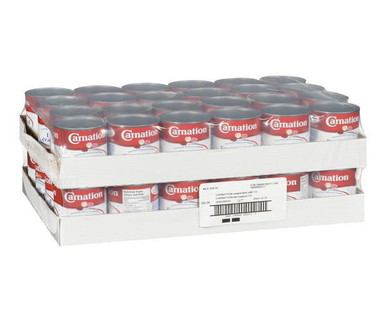
Carnation Milk Evaporated Cans 354ML/12 oz  (48/Case)
Carnation Milk Evaporated Cans 354ML/12 oz (48/Case)

Item ID 6018108052092. Carnation evaporated milk, 354 ml cans, 48 per case.

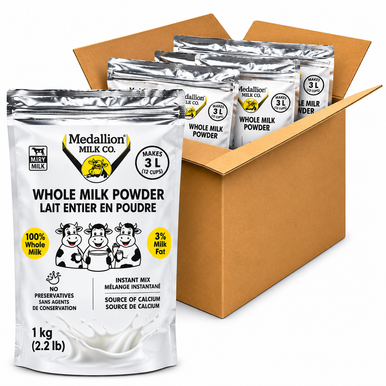
Medallion Milk Whole Milk Powder  1kg (4 PACK)
Medallion Milk Whole Milk Powder 1kg (4 PACK)

Item ID 6012939535564. Medallion whole milk powder, 1 kg, 4-pack.

Medallion Milk Skim Milk Powder - 4 Packs, 1 kg Each - Versatile Dairy Solution

Item ID 6012930176193. Medallion skim milk powder, 1 kg, 4-pack.

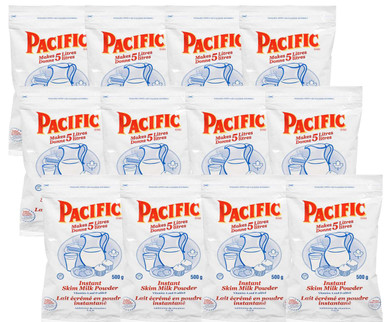
Pacific Instant Skim Milk Powder 500g (12/CASE) | Convenient and Creamy Non-Fat Milk Alternative

Item ID 6018113288295. Pacific instant skim milk powder, 500 g, 12 per case.

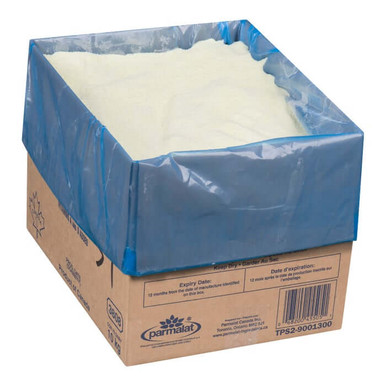
Parmalat Instant Skim Milk Powder - Premium Bulk 10Kg (22lbs)

Item ID 829381390407. Parmalat instant skim milk powder, 10 kg bag.

Cases ship to Canada and the US at live UPS rates. Pallets and frozen products ship within Canada only. Free shipping over $199 CAD is Canada only.

FAQ

Frequently asked questions

Can I use condensed milk as a substitute for evaporated milk?

Only in sweet recipes, and only if you cut the sugar. Sweetened condensed milk carries a lot of added sugar and is much thicker, so in savoury dishes like chowder, mac and cheese or mashed potatoes it will taste wrong. For those, use evaporated milk, milk powder mixed strong, or reduced whole milk instead.

What happens if you use sweetened condensed milk instead of evaporated milk in pumpkin pie?

The pie comes out much sweeter and a little denser unless you leave out the sugar the recipe calls for. Some pumpkin pie recipes are written for sweetened condensed milk with no extra sugar, so follow one of those rather than swapping into an evaporated-milk recipe. Bake time can change a little too.

Do you use condensed or evaporated milk in mac and cheese?

Evaporated milk. It's unsweetened, and its concentrated milk proteins help the cheese sauce stay smooth instead of turning grainy or oily, which matters when you hold it hot. Condensed milk would make it sweet. Kitchens running big batches often keep cases of 354 mL evaporated milk for this.

Dry milk vs evaporated milk: which should a kitchen use?

Milk powder is lighter, takes less space and keeps longer, and you mix only what you need. Evaporated milk is ready to pour, richer, and has a slightly cooked flavour that suits sauces and desserts. Many kitchens keep both: whole milk powder for baking and backup, cans for sauces and drinks.

Can I use normal milk instead of evaporated milk?

Yes, but the dish will be thinner and less rich, because evaporated milk has had a lot of its water cooked off. For a closer match, simmer whole milk until it's reduced by more than half, then cool it. In baking, the extra water from regular milk can change the texture.

Can I make evaporated milk at home?

Yes. Simmer whole milk gently, stirring often, until it has reduced by a bit more than half. It takes time and needs watching so it doesn't scorch. For a commercial kitchen that uses it every week, canned evaporated milk is far more consistent and saves the labour.

Can you substitute evaporated milk for heavy cream?

In soups, sauces, custards and coffee, often yes. It adds creaminess with less fat. It won't whip like cream unless it's very cold, and it can't stand in where the fat matters, like a rich ganache. For pan sauces, add it near the end and keep it at a simmer, not a hard boil.

Do you use condensed or evaporated milk for fudge?

Both have their place. Quick fudge recipes use sweetened condensed milk melted with chocolate, which is reliable and fast. Classic cooked fudge uses evaporated milk with sugar and needs to be cooked to soft-ball stage. Use the one your recipe is written for, because they aren't swappable.

Can you make ice cream without sweetened condensed milk?

Yes. Traditional ice cream uses a cooked custard of cream, milk, sugar and egg yolks, or a simple cream-and-sugar base churned in a machine. For soft serve, operators use a ready soft serve mix. Condensed milk is mainly a shortcut for no-churn ice cream at home.

What can you make with evaporated milk?

Evaporated milk works in savoury sauces, soups, baked custards, and coffee when you want concentrated milk without added sugar. It is also useful for a cream-style soup when fresh cream is short. It will not replace sweetened condensed milk in a pie or a no-churn dessert. If the recipe needs sweetness and thickness, use the sweetened can instead.

Why Partner With ChickenPieces

Chicken Pieces is a Calgary foodservice, hospitality and medical supply company founded in 2018, with about 20,000 products in the online catalogue. We supply pantry ingredients, medical nutrition and kitchen supplies. We are not a poultry or meat distributor.

Local Calgary Support

Real people in Calgary answer the phone and check labels, pack sizes and stock for you.

Wide Product Range

Pantry staples, medical nutrition, disposables, janitorial and concession supplies from one supplier.

No Membership Needed

Order by the case or the pallet with no membership and no minimum order quantity.

Food Safe Focus

We write for operators working under CFIA and Health Canada aware food safety plans.

Request Your Custom Quote Today

Call 1-833-462-8550 or shop chickenpieces.com. Browse Grocery for the full range.

Request a Quote