
 US Dollar (USD)

2026 Jul 11th
Commercial Grade Appliances Boost Operational Efficiency
Restaurant grade appliances handle continuous use without overheating or failing. They feature reinforced components and higher power outputs designed for professional environments. Residential units lack this durability, leading to frequent repairs and downtime in high volume settings.
Commercial Grade Appliances Boost Operational Efficiency and Durability
Property managers and facility operators need reliable equipment that withstands daily heavy use. Understanding the difference between residential and commercial grades ensures long term operational success and reduced maintenance costs.
Key Takeaways
Here is what you need to know about upgrading your equipment inventory.
Higher Duty Cycles
Commercial units run longer periods without rest. This prevents overheating during peak usage hours. Residential models require cooling down time between uses, which slows down operations in busy environments significantly.
Reinforced Construction
Stainless steel bodies resist impact and corrosion. Interiors are designed for easy cleaning and sanitation. These materials extend the lifespan of the appliance under rigorous daily cleaning protocols and heavy physical contact.
Power Output Differences
Commercial microwaves deliver higher wattage consistently. This reduces cooking time and increases throughput. Residential units often drop in power during extended use, causing delays in service delivery for multiple users simultaneously.
Voltage Requirements Matter
Many commercial units require three phase power. Ensure your facility has the correct electrical setup. Mismatched voltage can damage equipment or prevent proper operation, so verify panel capacity before purchasing any high demand appliance.
Maintenance Accessibility
Commercial designs allow easier part replacement. Service technicians can access internal components quickly. This reduces downtime compared to residential units where repairs often require full unit replacement due to sealed construction methods.
Warranty Support Variance
Commercial warranties cover business use scenarios. Residential warranties void if used commercially. Understanding these terms protects your investment and ensures coverage for repairs needed under intense operational conditions and heavy daily usage.
Assess Your Facility Usage Patterns First
Understanding daily volume helps determine the correct equipment class.
Start by analyzing how often each appliance runs daily. Residential units are designed for intermittent home use. They overheat if run continuously throughout the day. Commercial appliances manage heat dissipation better, allowing back to back operation without performance loss or safety shutdowns triggering unexpectedly during busy periods.
Consider the number of users accessing the space simultaneously. A single residential microwave may struggle with five people needing meals at once. Commercial models handle high traffic flows efficiently. This reduces wait times and improves satisfaction among staff or residents who rely on these amenities for their daily routine.
Material Durability Impacts Long Term Value
Stainless steel exteriors resist damage from frequent cleaning and impact.
Commercial appliances feature heavy duty stainless steel construction. This material resists dents, scratches, and corrosion from cleaning agents. Residential plastic exteriors degrade faster under harsh chemical exposure. The sturdy build ensures the unit maintains its appearance and functionality even after years of rigorous industrial strength cleaning schedules.
Internal components are also reinforced in commercial models. Magnetrons and turntables handle higher stress levels. This reduces failure rates significantly compared to consumer grade parts. Investing in these durable components means fewer service calls and less disruption to your facility operations over the lifecycle of the equipment.
Electrical Requirements Influence Installation Planning
Verify voltage compatibility before purchasing high wattage commercial units.
Many commercial microwaves operate on two hundred eight or two hundred forty volts. This provides consistent high power output. Residential units usually run on standard one twenty volt outlets. Switching to higher voltage requires professional electrical work but enables faster processing speeds for large batches of food simultaneously.
Higher wattage means shorter cooking cycles. A three thousand watt unit finishes tasks quicker than a one thousand watt model. This efficiency boosts throughput in busy kitchens or break rooms. Ensure your facility can support the increased amperage demand to avoid tripping breakers during peak usage times.
Throughput Speed Enhances Daily Operations Flow
Faster cooking times reduce congestion in shared spaces.
Commercial units heat food more evenly and quickly. This consistency ensures all users receive properly prepared meals. Residential models often have cold spots due to lower power. Uniform heating reduces the need for stirring or rotating containers, saving staff time and ensuring food safety standards are met every single time.
Reduced cycle times mean less waiting in line. This improves morale in employee break rooms or resident common areas. Efficiency gains translate directly into operational smoothness. Facilities can handle more users without adding extra equipment, optimizing space usage while maintaining high service levels for everyone.
Total Cost of Ownership Comparison Reveals Truth
Higher initial price often leads to lower long term expenses.
Commercial appliances cost more upfront than residential options. However, their longevity offsets this initial investment. Residential units fail faster under heavy use, requiring repeated purchases. Over five years, commercial equipment often proves cheaper due to fewer replacements and lower maintenance needs overall for the facility.
Energy efficiency varies between classes. Modern commercial units are optimized for duty cycles. They may use more power per minute but finish jobs quicker. This can result in lower total energy consumption compared to running a less efficient residential unit for extended periods to achieve the same result.
Choose Based on Specific Facility Demands
Match appliance specs to your unique operational requirements.
Not all commercial units are identical. Some offer compact designs for smaller spaces. Others provide maximum power for large volume needs. Assess your available counter space and electrical capacity before deciding. This ensures the chosen appliance fits physically and functionally within your existing infrastructure setup.
Consider future growth when selecting equipment. Buying a slightly larger unit now may prevent upgrades later. Scalability is key for expanding facilities. Choosing versatile commercial models allows you to adapt to changing demands without replacing everything immediately, providing flexibility for evolving operational needs.
Commercial Versus Residential Feature Comparison Chart
Review these key differences to select the right appliance class.
| Feature Aspect | Residential Unit | Commercial Unit | Impact On Operations |
|---|---|---|---|
| Duty Cycle | Intermittent Use Only | Continuous Operation Ready | Prevents Overheating Failures |
| Build Material | Plastic Exteriors Common | Stainless Steel Standard | Resists Damage And Corrosion |
| Power Output | Up To One Thousand Watts | Up To Three Thousand Watts | Faster Cooking Times Achieved |
| Voltage Needs | Standard One Twenty Volts | Often Two Hundred Eight Volts | Requires Electrical Assessment |
| Warranty Coverage | Home Use Only Valid | Business Use Included | Protects Investment Better |
| Maintenance Ease | Harder To Repair Internally | Designed For Service Access | Reduces Downtime Significantly |
| Lifespan Expectancy | Shorter Under Heavy Use | Longer With Proper Care | Lower Replacement Frequency |
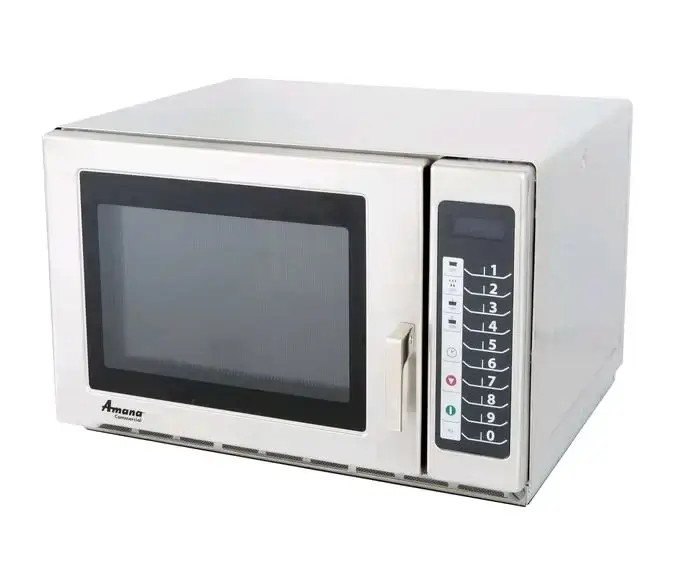
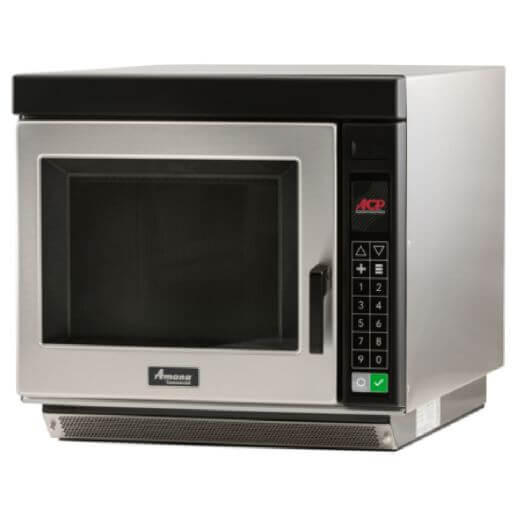
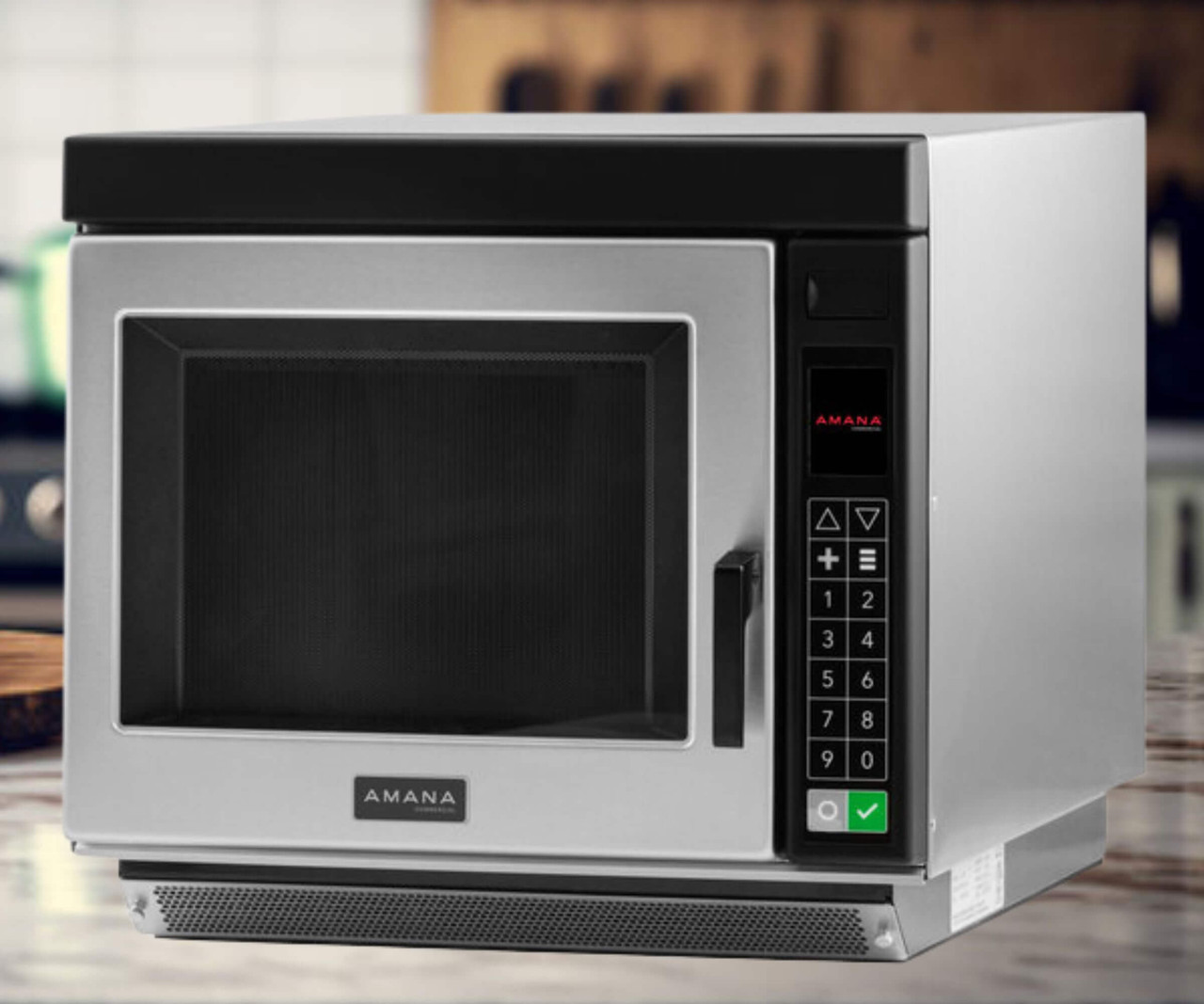
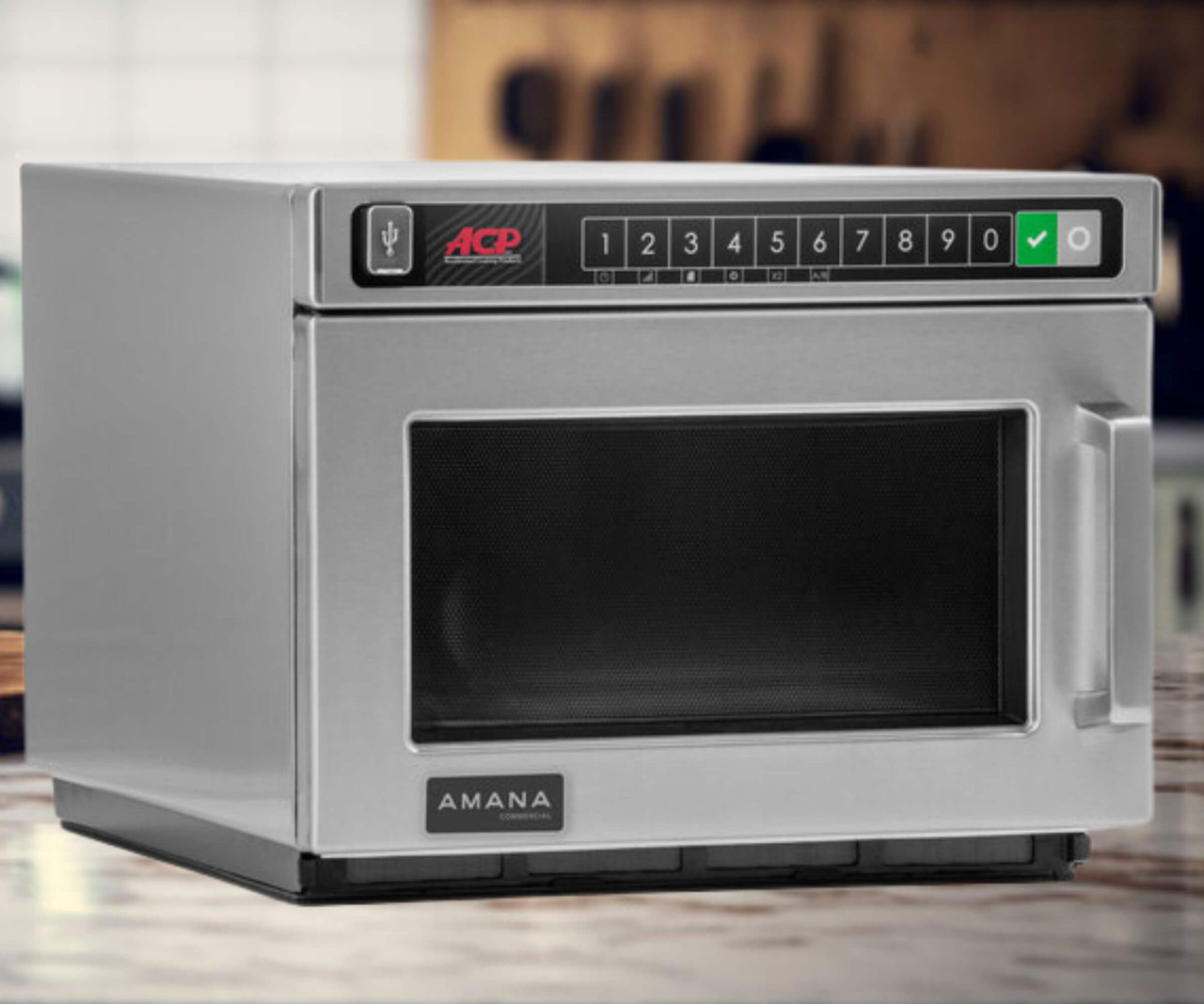
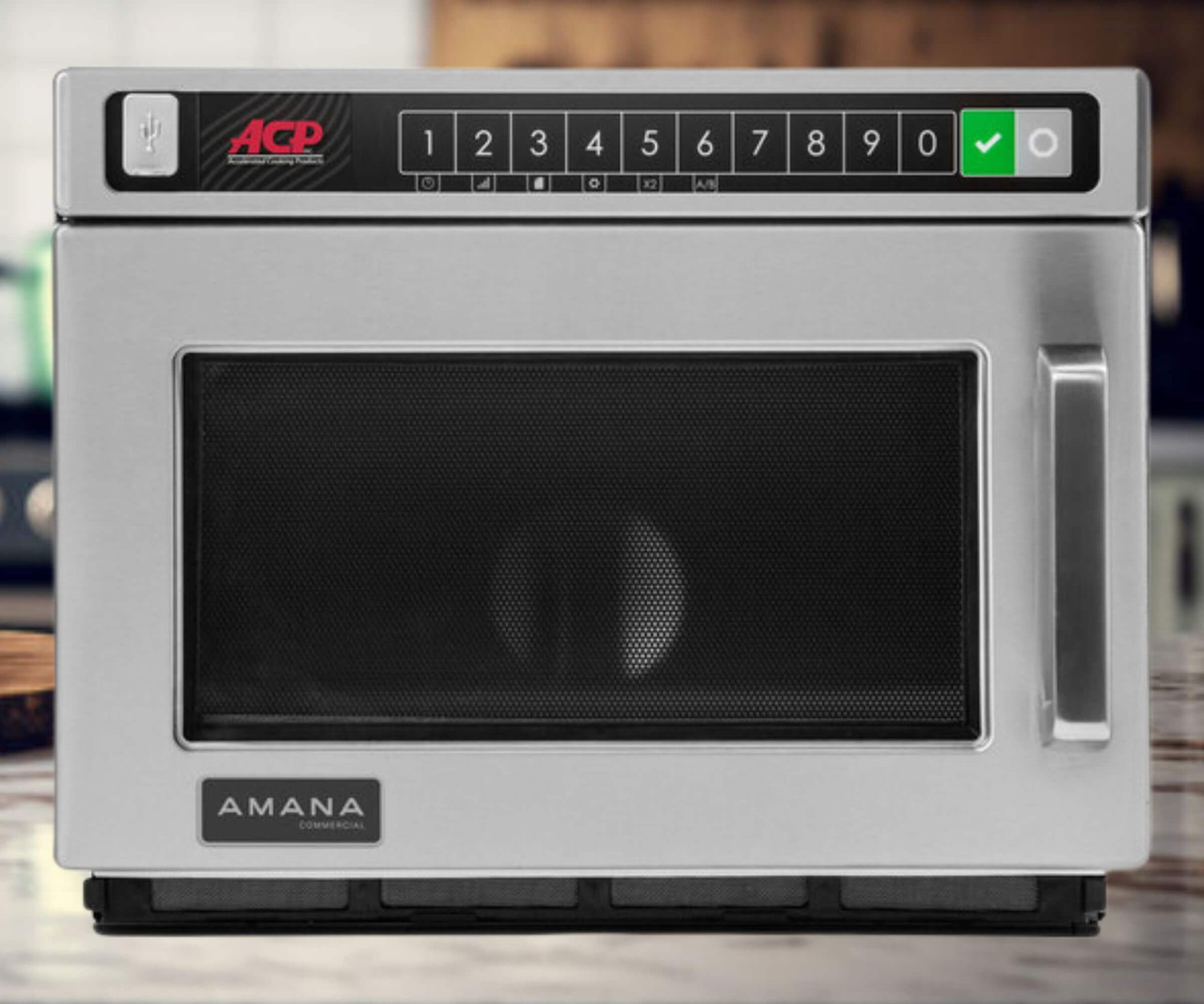
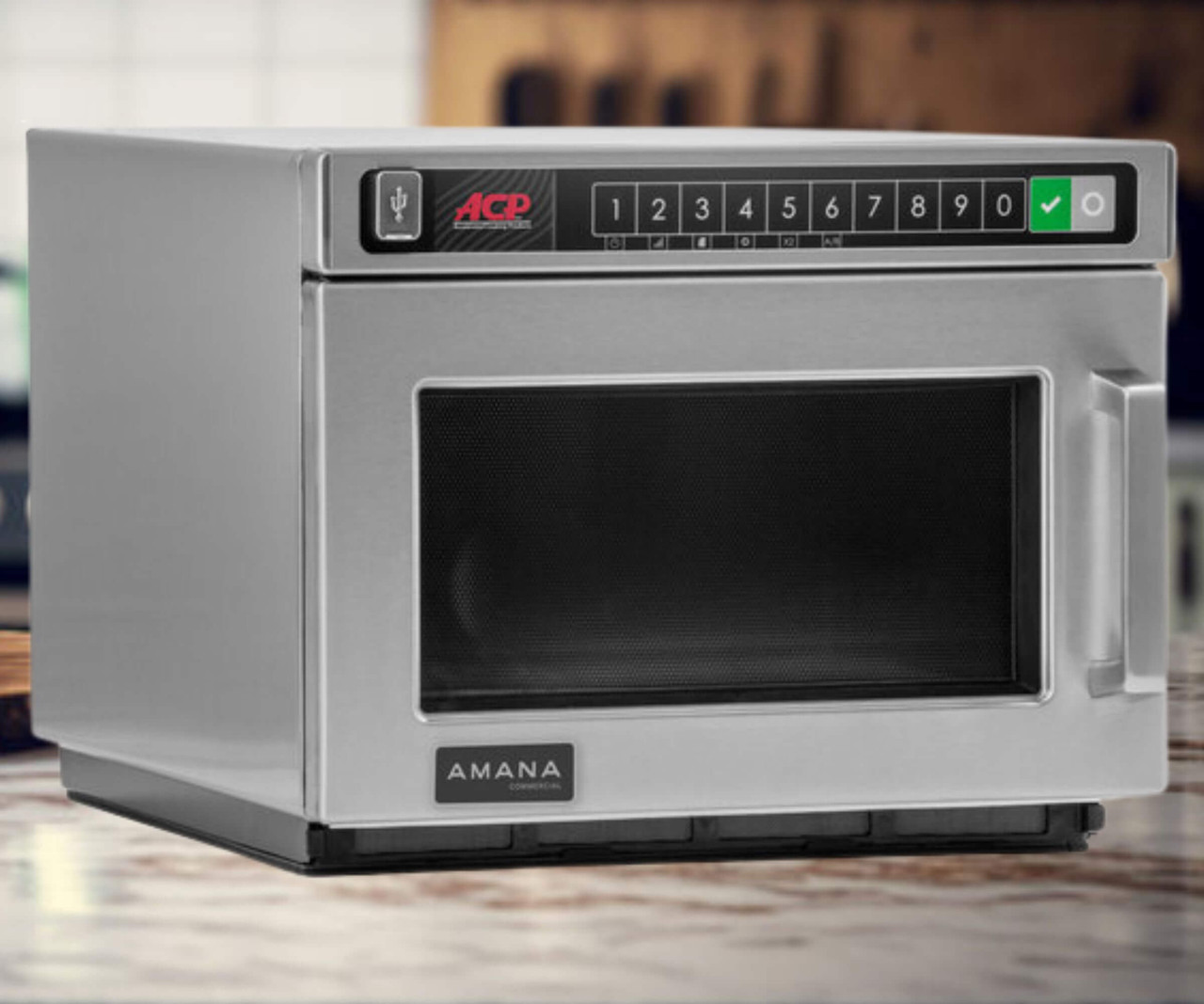
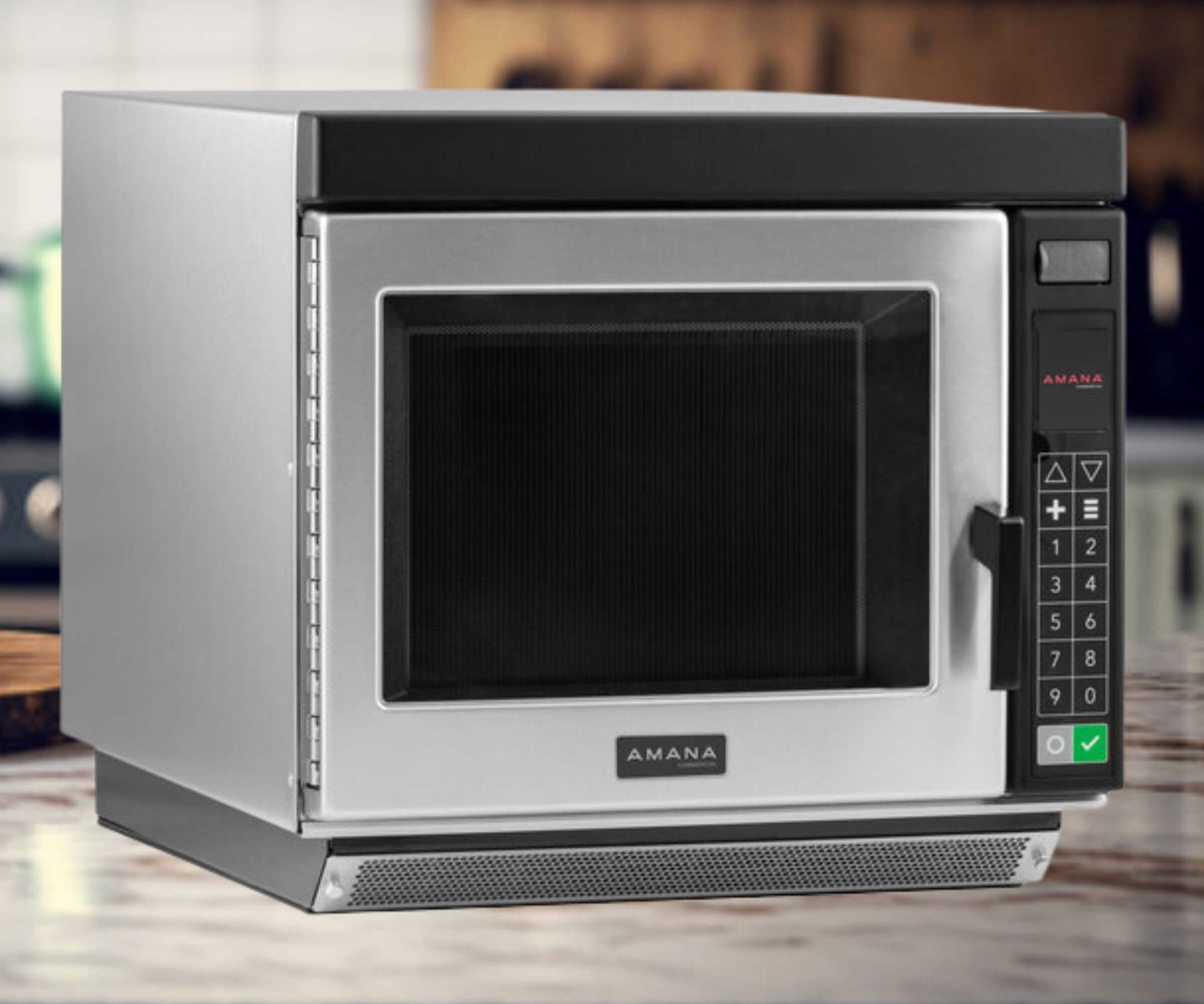
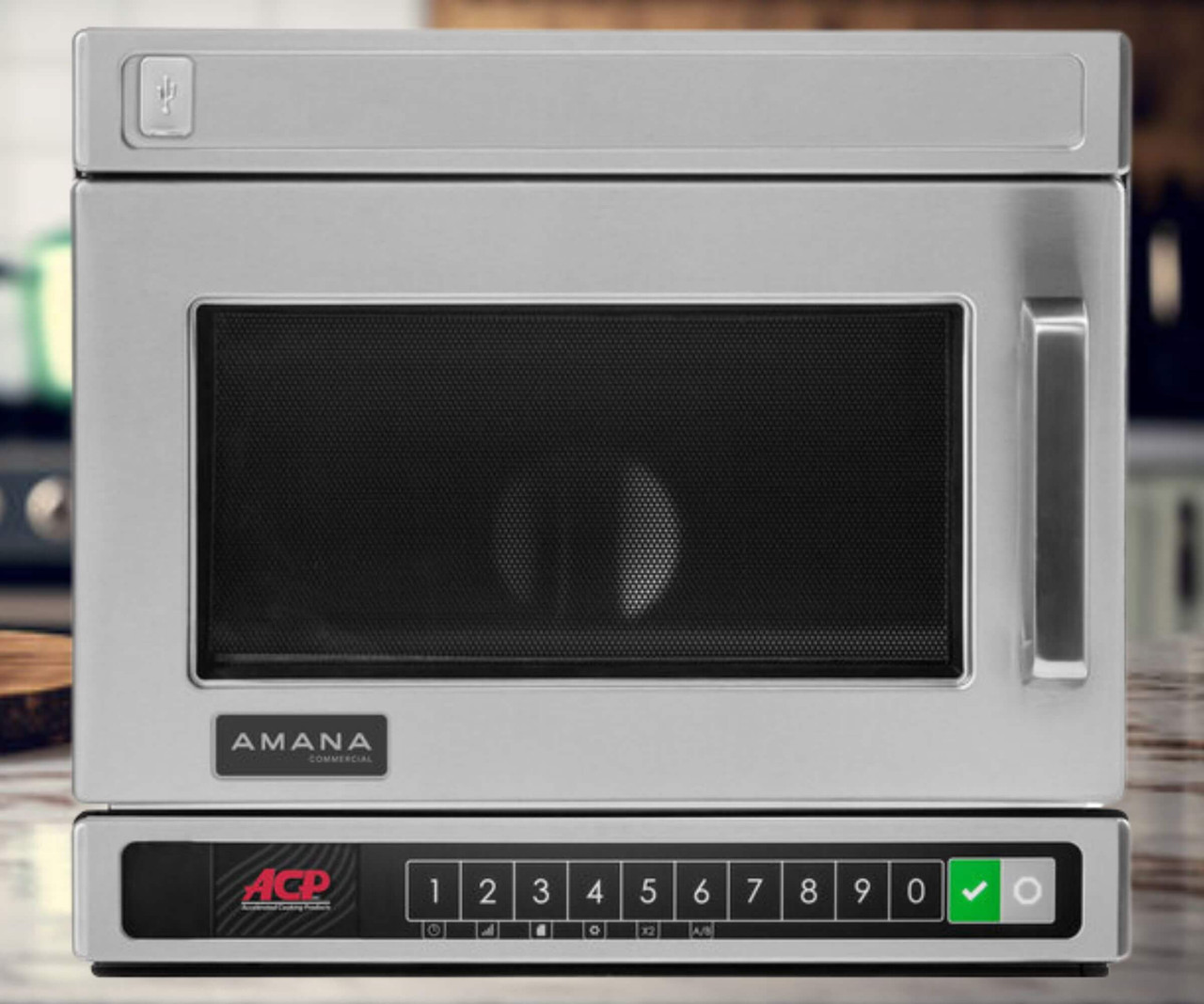
Browse Commercial Microwave Selection Here
Explore our range of durable Amana commercial microwaves for various needs.

What Canadian Facility Managers say
Hear from facility managers who upgraded their equipment recently.
We replaced old residential units in our office break room. The new Amana commercial model handles lunch rush without slowing down. Staff appreciate the faster heating times and durability so far has been excellent during daily use.
Our property management team needed reliable appliances for rental units. These commercial microwaves withstand heavy tenant usage much better. We have seen fewer repair requests since installing these sturdy units across our portfolio last year.
The compact design fits perfectly in our small facility kitchen. Despite its size, the power output is impressive. It heats meals quickly for our staff during short breaks. The stainless steel interior cleans easily after spills happen often.
Common Appliance Questions: Frequently Asked Questions
Can I use commercial microwaves on standard outlets?
Some models support one hundred twenty volts, but many require two hundred eight or higher. Check the spec sheet before buying to ensure your existing electrical setup can handle the voltage requirements without upgrades.
How long do commercial appliances typically last?
With proper maintenance, commercial units often last five to ten years under heavy use. Their reinforced components resist wear better than residential models, providing longer service life and consistent performance throughout the entire period.
Are commercial microwaves louder than residential ones?
They can be slightly louder due to larger cooling fans. However, modern designs minimize noise levels effectively. The increased airflow prevents overheating, which is essential for continuous operation in busy facilities without causing discomfort.
Do I need special cleaning products for stainless steel?
Standard kitchen cleaners work well on stainless steel exteriors. Avoid abrasive pads that scratch the surface. Regular wiping prevents buildup and maintains appearance. Interior cavities are usually coated for easy sanitation with mild detergents.
What warranty coverage comes with commercial appliances?
Commercial warranties cover business use scenarios explicitly. They often include parts and labor for a set period. Check terms carefully as residential warranties void if used commercially, leaving you unprotected against unexpected repair costs later.
Can I install these units myself?
Basic plug in models are easy to place. Hardwired or high voltage units require professional installation. Ensure compliance with local electrical codes to maintain safety standards and keep warranty valid. Improper installation can void coverage immediately.
How much power do these microwaves consume?
Power consumption depends on wattage and usage frequency. Higher wattage draws more electricity but finishes jobs faster. Calculate total energy use based on daily cycles to estimate impact on your facility's utility bills accurately.
Are there compact options for smaller spaces?
Yes, several models offer reduced footprints without sacrificing power. Look for compact commercial designs that fit tight counters. These units still deliver professional grade performance while maximizing limited space available in your facility layout.
How do I choose the right wattage?
Assess your volume needs and time constraints. Higher wattage speeds up cooking for large groups. Lower wattage may suffice for occasional use. Balance speed requirements with electrical capacity to find the optimal model for your specific operational demands.
How do you calculate shipping on bulk orders?
We calculate shipping on live carrier rates at checkout, not on flat or subsidized tiers. Every order is priced against real LTL, parcel, or pallet-freight quotes from our Calgary warehouse to your dock. That means you never absorb hidden shipping costs into product margins — what we charge is what the carrier charges us, plus a small handling pass-through. For bulk and pallet orders this typically runs 15–25% lower than competitors who bake shipping into their unit prices, because the rate is transparent and tied to the actual shipment weight and distance.
Related guides from ChickenPieces
Why Partner With ChickenPieces Supply
We provide reliable equipment and expert support for Canadian facilities.
Local Calgary Support
Our team is based in Alberta. We offer quick response times for orders and inquiries. Local presence means better understanding of regional needs and faster assistance when issues arise during your daily operations.
Curated Product Selection
We stock only trusted brands like Amana. Our inventory focuses on durability and performance. This careful curation ensures you receive equipment that meets professional standards without wasting time evaluating inferior options.
Bulk Ordering Benefits
Facilities buying multiple units save on shipping logistics. We streamline the ordering process for large quantities. This efficiency reduces administrative burden and ensures all your locations are equipped uniformly with quality appliances quickly.
Regulatory Compliance Focus
All products meet Health Canada safety standards. We ensure CFIA compliance where applicable. This guarantees your equipment adheres to national regulations, protecting your business from legal issues and ensuring safe operations for all users.
Request A Quote For Your Facility
Contact our team today for custom pricing on bulk orders. We help you find the right equipment solutions for your specific operational needs quickly.
Request a QuoteAuthoritative Sources
The following government and public-health sources informed the operator guidance above. Citations to Reddit, Quora, and operator forums appear in the FAQ block above.