
 US Dollar

2026 Jul 5th
Choosing Between Sit-to-Stand and Full-Body Patient Lifts
Select sit-to-stand lifts for residents who retain some leg strength and need seated transfers. Choose full-body slings for those with limited mobility or bariatric needs. Match the device to the user weight and staff workflow to ensure safety.
Choosing Between Sit-to-Stand and Full-Body Patient Lifts for Care
Facility managers and care staff need reliable transfer aids to reduce back strain while keeping residents safe during daily movements across various care environments.
Key Takeaways
Key factors influencing your final equipment selection include patient mobility levels, staff ergonomics, and space constraints within your care facility.
Assess Patient Mobility Levels
Evaluate how much leg strength remains in each resident. Sit-to-stand aids work best for partial weight bearers. Full-body slings suit those with minimal mobility or total dependency.
Measure Facility Space Carefully
Check door widths and hallway turns before buying. Compact designs fit tight spaces better. Ensure the lift base rotates freely without hitting walls or furniture during transfers.
Prioritize Staff Ergonomics
Heavy manual lifts cause caregiver injury over time. Electric models reduce physical strain significantly. Look for lightweight frames and easy-to-use controls that protect staff health daily.
Check Weight Capacity Limits
Verify the maximum weight rating against your resident population. Bariatric options handle heavier loads safely. Never exceed manufacturer limits to prevent equipment failure or safety incidents.
Consider Battery Life Needs
Electric lifts require regular charging for reliability. Check battery duration per charge cycle. Ensure charging stations are accessible and safe in your facility layout for consistent use.
Evaluate Sling Compatibility
Different lifts use specific sling types. Ensure you have the correct attachments on hand. Versatile systems accept multiple sling styles, reducing inventory complexity and transfer setup time.
Understanding Patient Lift Types for Care
Different lifts serve distinct mobility needs in residential care settings.
Patient lifts fall into two main categories: sit-to-stand aids and full-body hoists. Sit-to-stand devices help residents who can bear some weight on their legs move from chairs to standing positions. These tools support the trunk while allowing natural leg movement. They are ideal for rehabilitation or daily positioning changes.
Full-body lifts use slings to suspend the entire body weight. Staff lower and raise residents without any physical lifting effort. This method suits individuals with paralysis, severe weakness, or bariatric requirements. It ensures complete support and minimizes skin shear during transfers between beds and wheelchairs.
Choosing the wrong type can hinder care efficiency and safety. Sit-to-stand aids fail if legs are too weak. Full-body slings may feel restrictive for active residents who prefer independence. Assessing individual capabilities first prevents frustration and equipment misuse in your daily operations.
Benefits of Sit-to-Stand Transfer Aids
These devices promote independence while reducing caregiver physical strain.
Sit-to-stand lifts empower residents to participate in their own transfers. They engage leg muscles, which supports circulation and joint health. This active participation can boost morale and encourage movement habits. Staff benefit from reduced back strain compared to manual lifting techniques.
These units often feature compact designs that fit narrow spaces well. Electric models provide smooth, controlled elevation with minimal effort. The seat-to-seat transfer capability means residents stay comfortable throughout the process. Adjustability allows fitting various heights and body shapes easily.
Maintenance is generally straightforward for these mechanical aids. Regular checks on straps and motors ensure longevity. They are particularly useful in rehabilitation centers where gradual mobility improvement is the goal. Investing in quality aids pays off through sustained resident engagement.
When Full-Body Lifts Are Essential
Complete support systems handle limited mobility and heavier weights safely.
Full-body lifts are critical for residents with no leg strength. They provide total suspension, eliminating fall risks during transfers. Bariatric models handle higher weight capacities without compromising stability. This ensures dignity and comfort for individuals requiring maximum assistance in daily routines.
These systems offer versatility across different transfer scenarios. From bed to chair or toilet, the sling supports safe movement. Mobile bases allow easy navigation through hallways and rooms. Electric operation simplifies the process for caregivers dealing with multiple residents daily.
Safety features like emergency brakes and stable bases are standard. Proper training on sling selection prevents skin damage. While they require more storage space than sit-to-stand aids, their utility in complex care situations is unmatched. They are indispensable for high-dependency units.
Protecting Caregiver Health and Safety
Proper equipment reduces injury risk for staff members significantly.
Manual lifting leads to chronic back pain and career-ending injuries. Mechanical aids remove the heavy load from human bodies. Electric lifts require only button presses, not muscle power. This shift protects long-term workforce health and reduces absenteeism due to musculoskeletal disorders in facilities.
Lightweight frames improve maneuverability for staff carrying equipment alone. Easy-to-read displays simplify operation during busy shifts. Quick-release mechanisms save time without sacrificing security. Designing workflows around ergonomic tools creates a safer environment for everyone involved in care delivery.
Training programs should emphasize correct usage techniques regularly. Understanding weight distribution prevents accidents during transfers. Supervisors must monitor compliance with safety protocols strictly. Investing in staff well-being through better equipment ultimately improves resident care quality and satisfaction.
Factors Influencing Your Final Choice
Consider space, weight limits, and power sources before purchasing.
Space constraints often dictate the size of equipment you can buy. Measure doorways and turning radii carefully beforehand. Compact models suit smaller rooms or tight corridors effectively. Larger facilities might prefer heavier-duty units with greater capacity options available.
Power source availability affects daily operations significantly. Electric lifts need reliable charging infrastructure in place. Manual hydraulic systems require physical pumping but no electricity. Assess your facility's electrical setup and maintenance capabilities before committing to a specific type of lift.
Budget considerations extend beyond initial purchase costs too. Maintenance contracts, replacement slings, and battery replacements add up. Look for durable construction that withstands frequent use well. Long-term value matters more than upfront savings when selecting critical care equipment.
Routine Care for Longevity and Safety
Regular inspections keep equipment functioning optimally over time.
Daily visual checks identify potential issues before they become hazards. Look for frayed straps, loose bolts, or leaking fluids. Report any anomalies immediately to prevent accidents during transfers. Clean surfaces regularly with approved disinfectants to maintain hygiene standards in care environments.
Scheduled professional servicing ensures internal components remain safe. Batteries degrade over time and need replacement eventually. Hydraulic seals may require lubrication or adjustment periodically. Following manufacturer recommendations extends the lifespan of your investment significantly.
Keeping spare parts on hand minimizes downtime when repairs occur. Stock extra slings to cover cleaning cycles efficiently. Train maintenance staff on basic troubleshooting steps too. Proactive care strategies keep your facility running smoothly without unexpected interruptions in service.
Comparing Lift Features and Capabilities
Review key specifications to match equipment with your specific operational requirements.
| Lift Type | Max Weight | Power Source | Best Use Case |
|---|---|---|---|
| Sit-to-Stand Manual | 400 lbs | User Force | Partial Mobility Support |
| Sit-to-Stand Electric | 350 lbs | Battery Operated | Frequent Transfers Needed |
| Full-Body Mobile | 400 lbs | Electric/Hydraulic | Total Dependency Care |
| Bariatric Full-Body | 600 lbs | Hydraulic Pump | Heavy Weight Patients |
| Compact Sit-to-Stand | 300 lbs | Manual Crank | Small Space Facilities |
| Multi-Purpose Hybrid | 450 lbs | Electric Assist | Versatile Care Settings |
| Overhead Track Lift | 500 lbs | Battery Powered | In-Room Transfers Only |
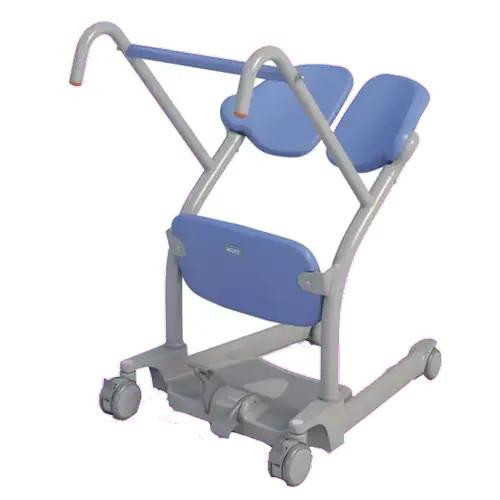
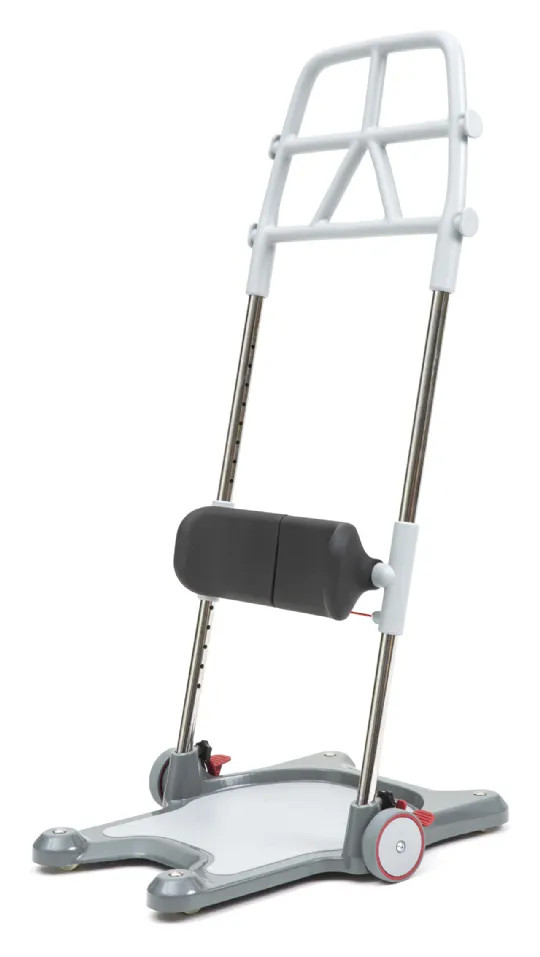
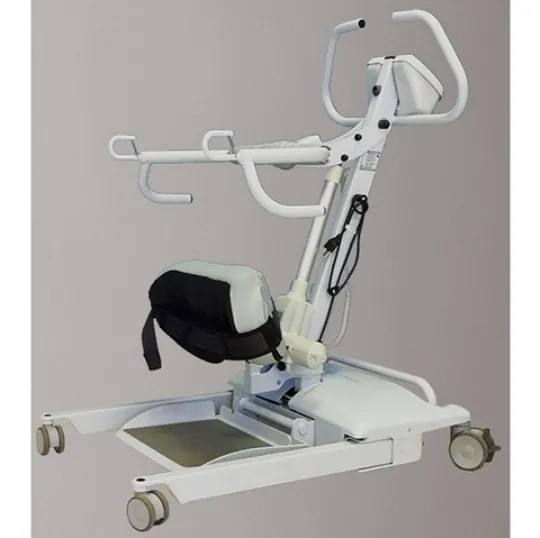
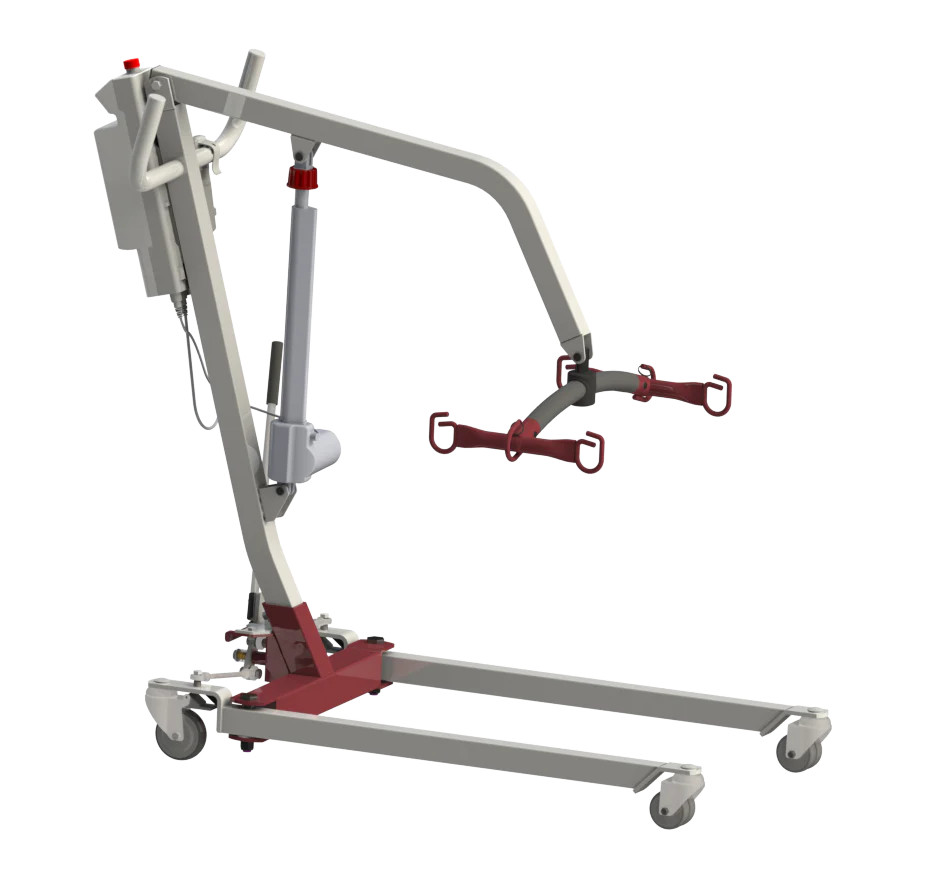
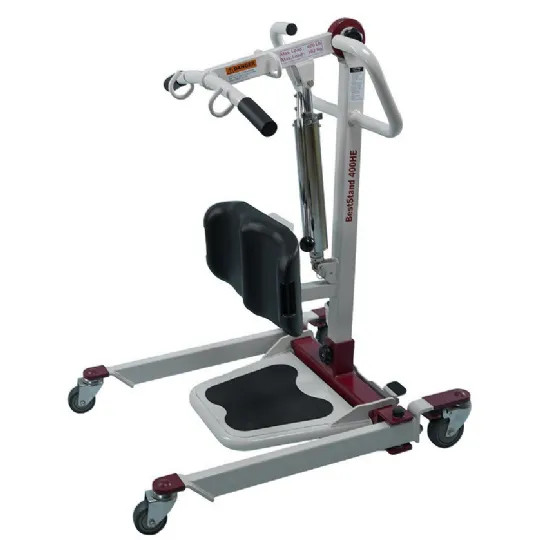
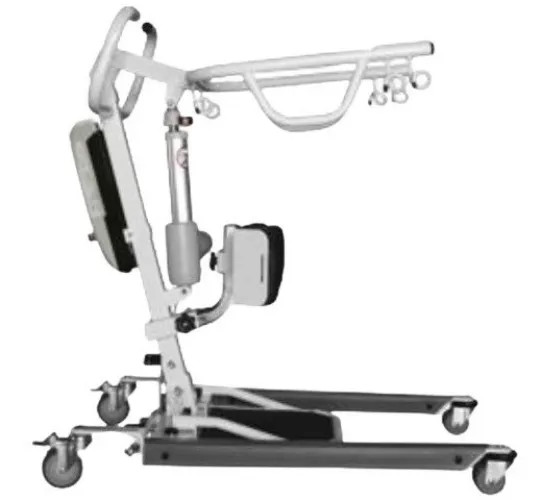
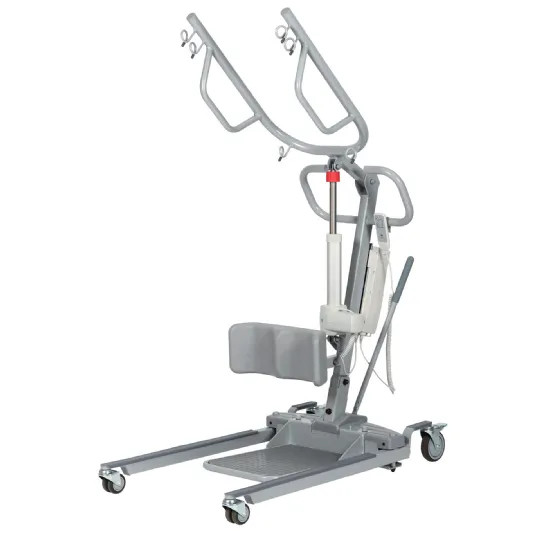
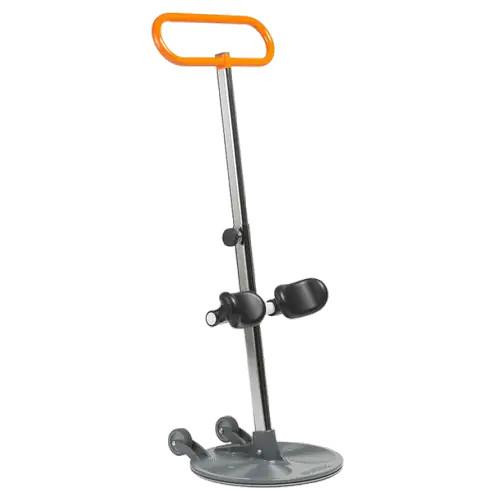
Browse Our Patient Mobility Solutions
Explore a comprehensive range of lift options tailored for diverse care needs.

What Canadian care facility operators say
Hear from professionals who rely on our equipment daily for safe patient handling.
The sit-to-stand aid transformed our rehab unit workflow. Residents feel more independent, and staff report less back pain after shifts. The smooth electric lift makes positioning easy every single time we use it.
We needed a compact full-body lift for our smaller rooms. This model fits perfectly through narrow doors. The battery lasts all day without needing a recharge. Highly recommend for any tight facility layout.
Reliability is key in our high-volume care home. These lifts have held up well against daily wear. The customer support team responded quickly when we had questions about sling compatibility.
Lift Selection Queries: Frequently Asked Questions
How do I know which lift type my residents need?
Assess each resident's ability to bear weight on their legs. Sit-to-stand aids suit those with partial strength. Full-body slings are necessary for individuals with minimal mobility or total dependency requiring complete support during transfers.
What is the maximum weight capacity I should look for?
Check the heaviest resident in your care population. Always choose a lift with a capacity exceeding that weight by a safe margin. Bariatric models handle higher loads, ensuring stability and safety for all users.
Do electric lifts require special maintenance routines?
Electric lifts need regular battery checks and charging station inspections. Follow manufacturer guidelines for cleaning motors and electronics. Scheduled professional servicing ensures internal components remain safe and functional over long periods of use.
Can I use the same slings for different lift types?
Sling compatibility varies by brand and model design. Some systems accept universal attachments, while others require specific hooks. Verify manufacturer specifications before purchasing slings to ensure secure attachment points during every transfer operation.
How much space do I need to store these lifts?
Measure your storage areas carefully before buying. Compact models fit standard closets or corners easily. Larger bariatric units may require dedicated rooms. Ensure pathways remain clear for safe movement of equipment between care zones.
Are manual lifts still a viable option today?
Manual lifts work well for lighter residents and occasional transfers. They eliminate battery charging needs entirely. However, they demand more physical effort from staff. Consider ergonomic impact before choosing manual over electric options for daily use.
What safety features should I prioritize?
Look for stable bases, emergency brakes, and clear weight indicators. Adjustable armrests and padded seats enhance comfort. Safety sensors that stop movement if obstruction occurs add an extra layer of protection during complex transfer procedures.
How often should I replace patient lift slings?
Inspect slings before every use for tears or weakness. Replace immediately if damage appears. Generally, frequent use warrants replacement every few years. Follow hygiene protocols by washing according to manufacturer instructions to prolong fabric life.
Can I mix brands of lifts and accessories?
Mixing brands can void warranties and compromise safety. Stick to one ecosystem for compatibility assurance. Universal standards exist, but variations in hook shapes and sizes occur. Consistency reduces error risks during high-pressure care situations.
How do you calculate shipping on bulk orders?
We calculate shipping on live carrier rates at checkout, not on flat or subsidized tiers. Every order is priced against real LTL, parcel, or pallet-freight quotes from our Calgary warehouse to your dock. That means you never absorb hidden shipping costs into product margins — what we charge is what the carrier charges us, plus a small handling pass-through. For bulk and pallet orders this typically runs 15–25% lower than competitors who bake shipping into their unit prices, because the rate is transparent and tied to the actual shipment weight and distance.
Related guides from ChickenPieces
Why Partner With ChickenPieces
We provide reliable equipment and dedicated support for Canadian care facilities.
Local Inventory Access
Stock kept in Calgary ensures faster delivery times across Alberta. No waiting on overseas shipments for critical care items. Quick restocking keeps your operations running smoothly without delays.
Expert Technical Support
Our team understands healthcare equipment intricacies deeply. We offer guidance on selection and setup processes. Troubleshooting assistance is available to resolve issues promptly and efficiently for staff.
Comprehensive Product Range
From sit-to-stand aids to bariatric lifts, we cover all bases. One supplier simplifies your procurement workflow significantly. Diverse options ensure you find the exact fit for every unique resident need.
Regulatory Compliance Focus
All products meet Health Canada safety standards strictly. We stay updated on CFIA regulations for medical devices. Trust that your equipment adheres to national guidelines for quality assurance.
Request A Custom Quote Today
Contact our sales team to discuss your specific facility needs. We provide tailored recommendations and competitive pricing structures for bulk orders.
Request a QuoteAuthoritative Sources
The following government and public-health sources informed the operator guidance above. Citations to Reddit, Quora, and operator forums appear in the FAQ block above.