
 US Dollar


1970 Jan 1st
Stock Bulk Condiment Portion Packs for Canadian Takeout
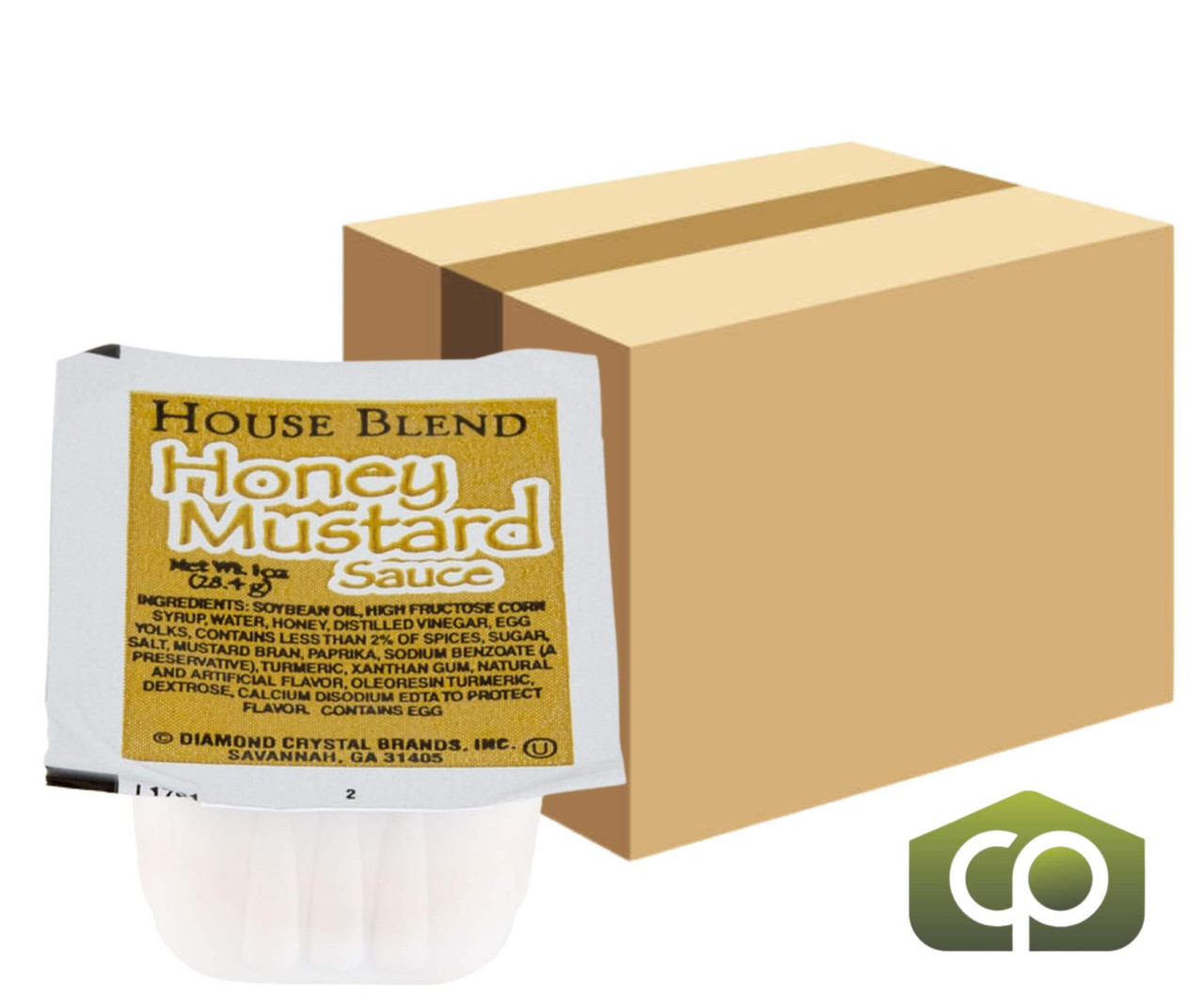
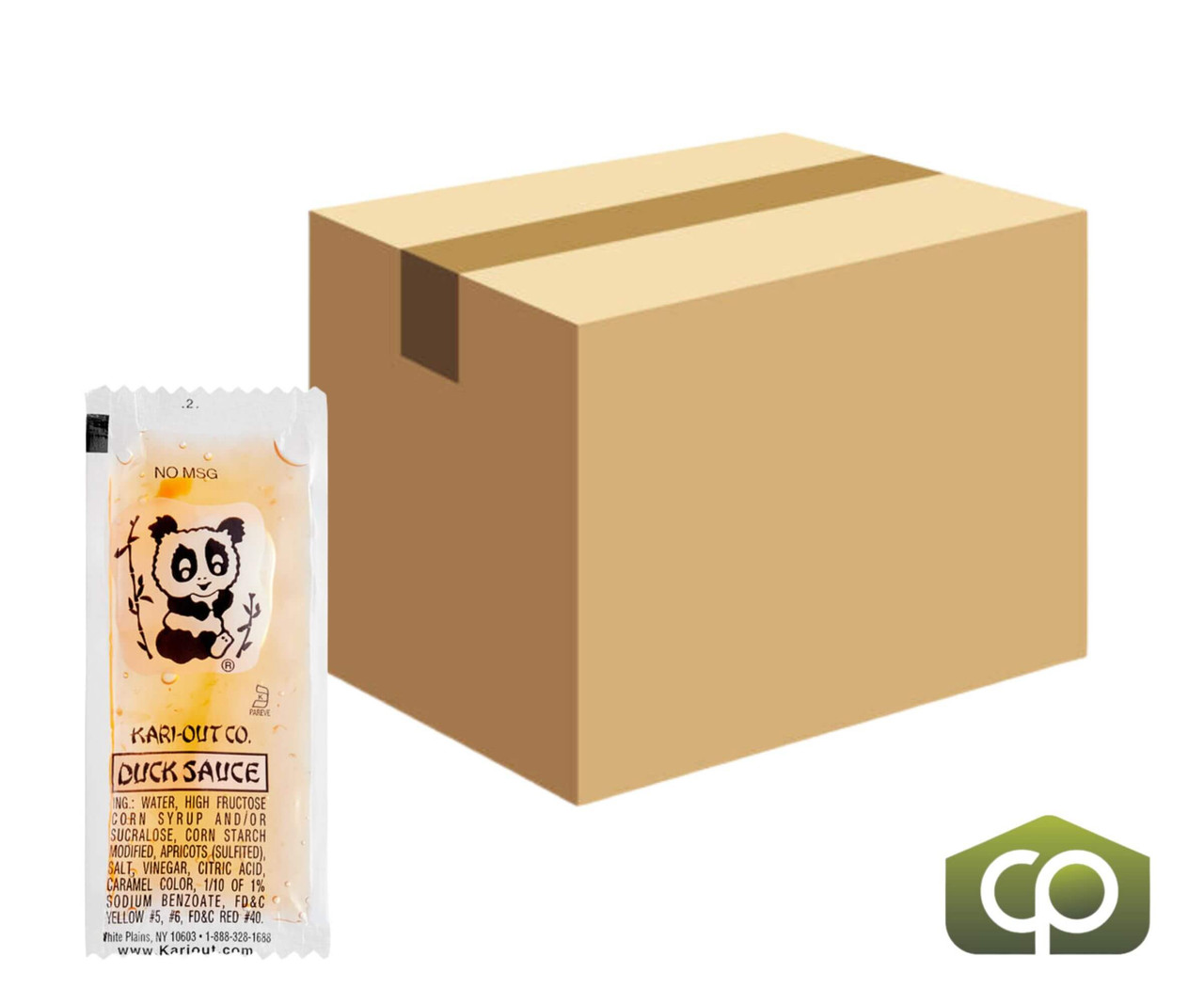
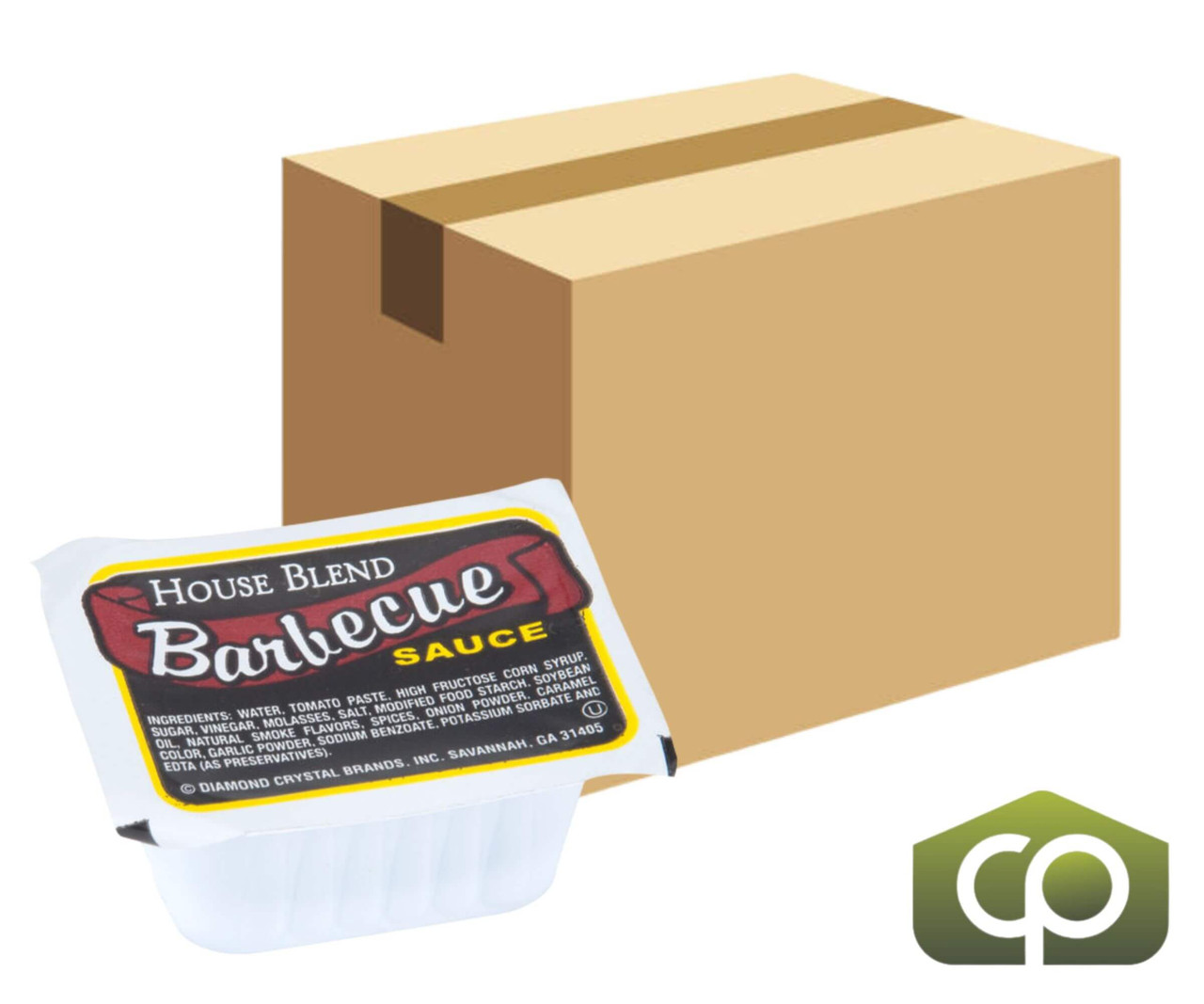
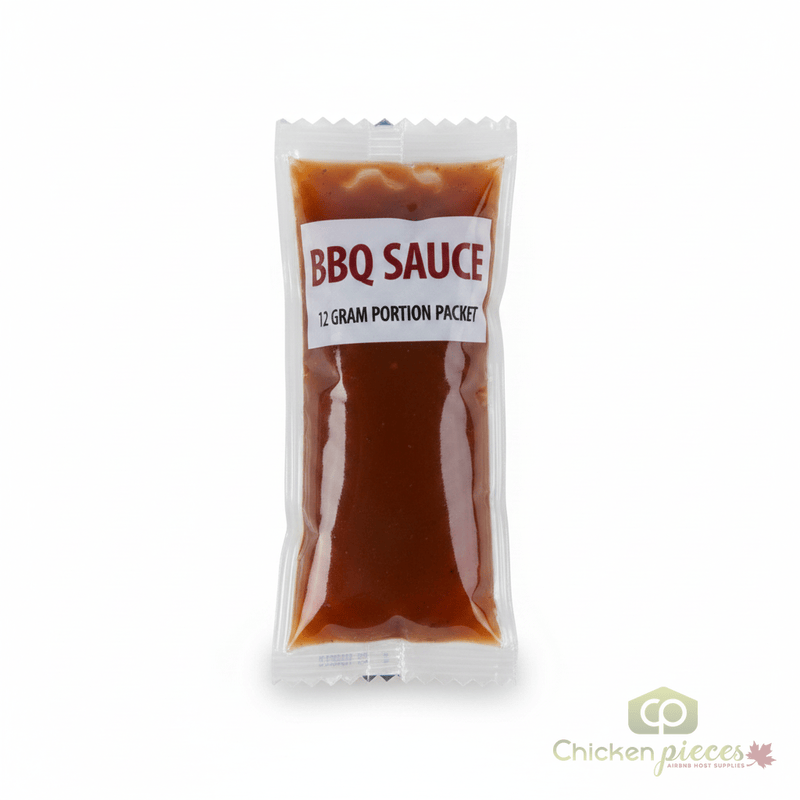
ChickenPieces supplies wholesale condiment portion packs and bulk sauces for Canadian operators. We stock honey mustard, duck sauce, and BBQ varieties in cups, packets, and pails. This ensures consistent flavor delivery and streamlined inventory management for high-volume kitchens.
Stock Bulk Condiment Portion Packs for Canadian Takeout Operations
Equip your Canadian food service or facility with reliable condiment supply chains. We provide consistent stock levels for portion cups, packets, and large format pails to keep operations running smoothly.
Key Takeaways
Key benefits of switching to wholesale condiment supply.
Consistent Portion Control
Standardized portion cups and packets ensure every guest receives the exact same amount. This reduces waste significantly while maintaining strict quality standards across all service points and shift changes.
Reduced Labor Costs
Pre-portioned items eliminate manual scooping or pouring tasks for kitchen staff. Employees can focus on faster plating and service, improving overall throughput during peak dining hours without extra effort.
Extended Shelf Life
Individual packaging protects product integrity better than open containers. This minimizes spoilage risks and allows you to stock larger quantities without worrying about expiration dates affecting your bottom line.
Brand Consistency
Using recognized brands like Heinz or Cattlemen ensures familiar taste profiles for customers. This builds trust and satisfaction, as guests expect specific flavors from their favorite condiment providers every time.
Simplified Inventory Tracking
Bulk cases with uniform unit counts make counting stock easier. You can predict reorder points accurately based on case usage rather than estimating remaining volume in partially filled containers or jars.
Versatile Format Options
Choose between individual packets for takeout, cups for dine-in, or large pails for house use. This flexibility allows you to tailor your supply chain to specific service styles and operational needs.
Streamlining Condiment Supply for High-Volume Kitchens
Efficient condiment management reduces waste and speeds up service times significantly.
Managing condiments in a high-volume kitchen requires precision. Open containers often lead to uneven servings and increased spoilage rates. By switching to pre-portioned packs, you eliminate the guesswork involved in serving sizes. This approach ensures that every customer receives a consistent experience, regardless of which staff member prepares their order. Consistency builds reputation and keeps guests returning for more.
Labor efficiency is another critical factor in modern food service. Every second spent scooping sauce adds up over a busy shift. Pre-portioned packets and cups allow servers to grab items quickly from dispensers or drawers. This speed translates directly into faster table turns and quicker takeout assembly lines. Your team can focus on presentation and customer interaction rather than repetitive manual tasks.
Inventory control becomes much simpler with standardized packaging. Counting full cases is far more accurate than estimating remaining volume in bulk tubs. You can set clear par levels for each item based on case counts. This data-driven approach prevents both overstocking and stockouts, ensuring you always have what you need without tying up capital in excess inventory.
Choosing Between Cups, Packets, and Pails
Different service models require specific condiment formats for optimal efficiency.
Individual portion cups are ideal for dine-in settings where presentation matters. They look professional on the table and reduce mess compared to loose sauces. Guests appreciate the clean, contained serving style that enhances their dining experience. These cups also protect the product from contamination until opened, maintaining high hygiene standards throughout the meal service.
Sachets and packets dominate the takeout and fast-food sectors. Their lightweight nature reduces shipping costs and storage space requirements. Customers can easily tear them open without utensils, making them perfect for on-the-go consumption. The sealed environment preserves flavor intensity longer than bulk containers, ensuring quality from kitchen to customer hand.
Large format pails serve a different purpose in commercial kitchens. They are cost-effective for house use where sauces are prepared in large batches or used as bases. These pails reduce packaging waste significantly compared to individual units. However, they require careful portioning protocols to maintain consistency and prevent rapid spoilage after opening.
Stocking Essential BBQ and Dipping Sauces
BBQ, honey mustard, and garlic dips remain top sellers across Canada.
Barbecue sauce remains a staple in Canadian cuisine. Its versatility allows it to complement grilled meats, sandwiches, and even vegetables. Offering both original and smoky variants caters to diverse palates. Bulk pails ensure you have enough supply for cooking applications, while portion packs handle serving needs efficiently.
Honey mustard provides a sweet yet tangy contrast that many guests crave. It pairs well with fried items and salads alike. The creamy texture appeals to a wide demographic, from children to adults. Having this flavor readily available in convenient portions enhances menu flexibility without complicating kitchen workflows.
Garlic dipping sauces have gained significant popularity in recent years. Their bold flavor profile stands out among standard condiments. Customers often seek these unique tastes for special occasions or themed meals. Stocking creamy garlic options ensures you meet this growing demand with reliable, high-quality products.
Optimizing Storage for Condiment Freshness
Proper storage conditions extend shelf life and maintain product quality.
Temperature control is vital for preserving condiment integrity. Most sauces should be stored in cool, dry areas away from direct sunlight. Heat can alter flavor profiles and degrade texture over time. Consistent storage conditions ensure that every unit you serve meets the expected quality standards established by manufacturers.
Humidity management prevents packaging degradation and clumping. Moist environments can weaken paper packets or cause labels to peel off containers. Keeping storage areas well-ventilated helps maintain the structural integrity of your inventory. This simple step protects your investment and ensures smooth dispensing operations.
Organization within storage spaces speeds up retrieval times. Group similar items together and use clear labeling systems. Staff should know exactly where each condiment type is located to minimize search time during busy periods. An organized stockroom contributes directly to overall kitchen efficiency and operational flow.
Trusted Brands for Canadian Food Service
Recognized brands offer consistency and consumer trust in every batch.
Heinz is synonymous with quality condiments across North America. Their creamy garlic dipping sauce delivers a reliable flavor profile that customers expect. Using established brands reduces the risk of dissatisfaction due to unexpected taste variations. This familiarity helps maintain high satisfaction scores among your clientele base.
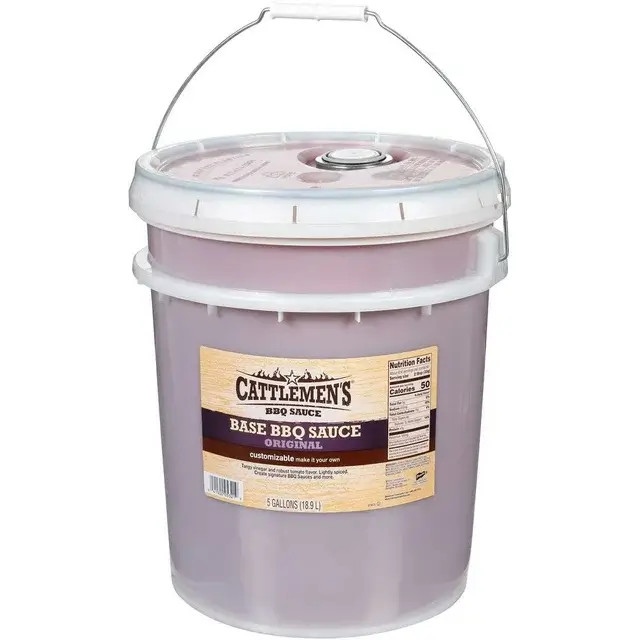
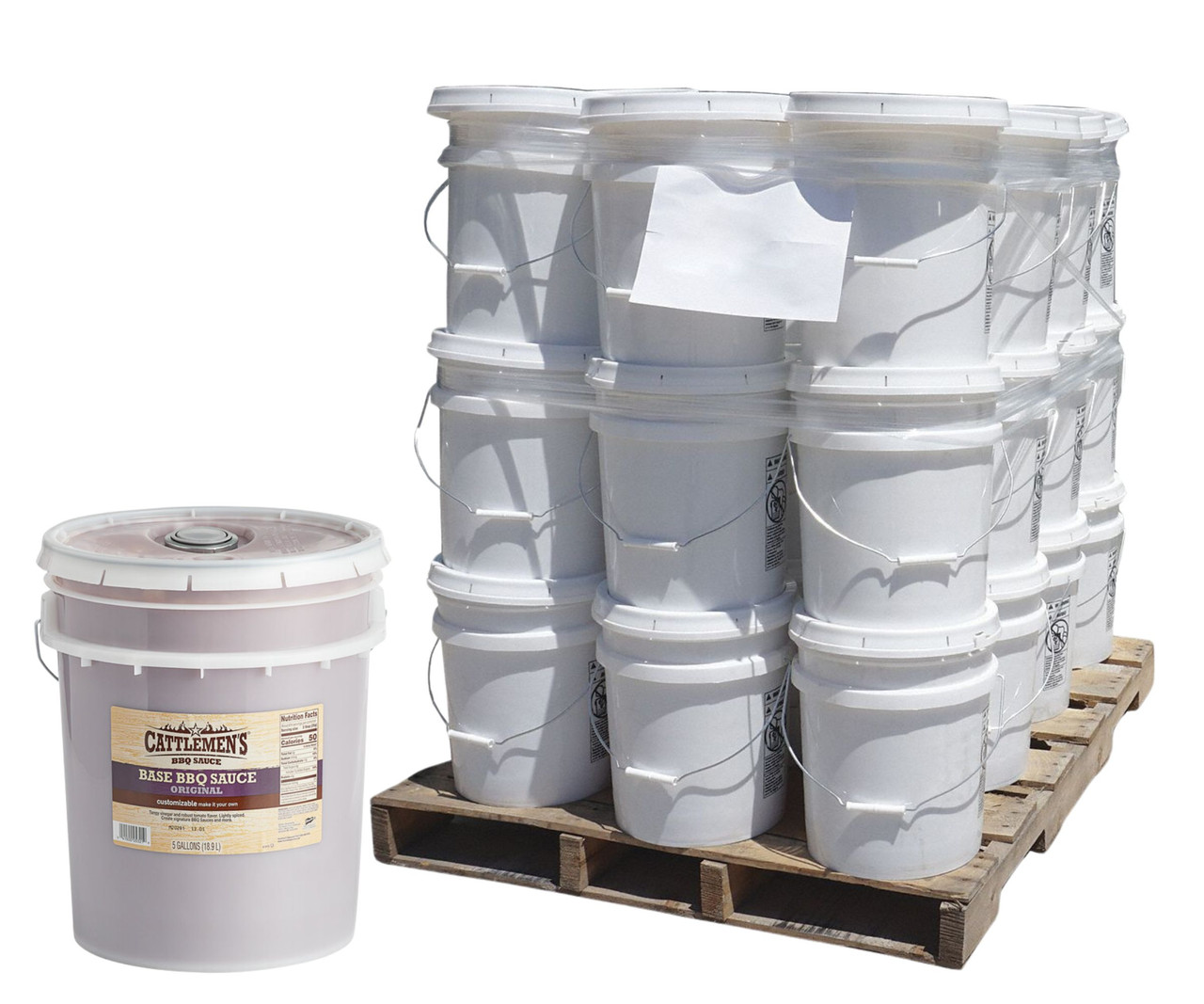
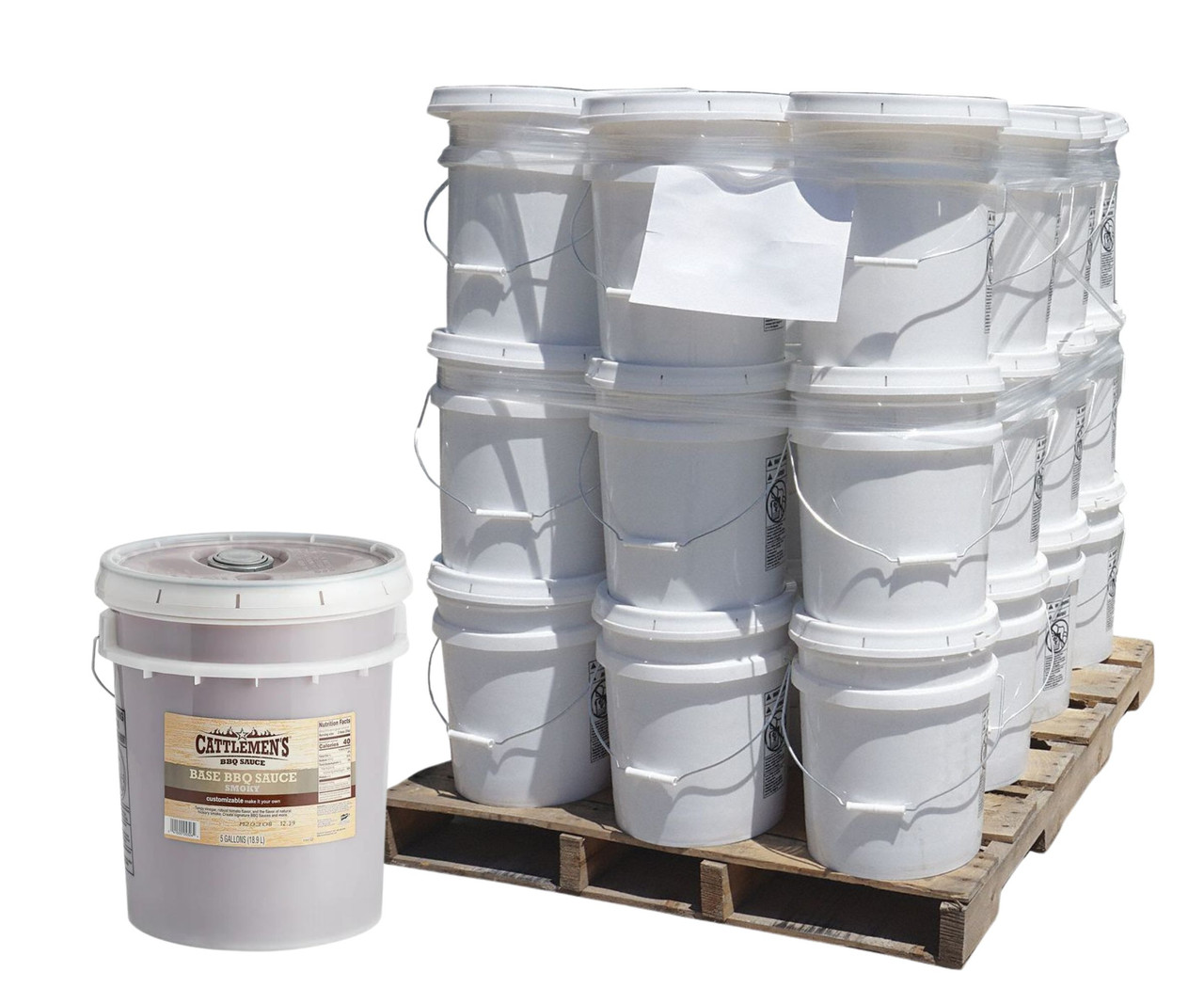
Cattlemen's BBQ sauces are renowned for their rich, smoky flavors. These products perform exceptionally well in both cooking and serving applications. Their reputation for consistency makes them a safe choice for bulk purchasing. You can rely on batch-to-batch uniformity to support your menu offerings effectively.
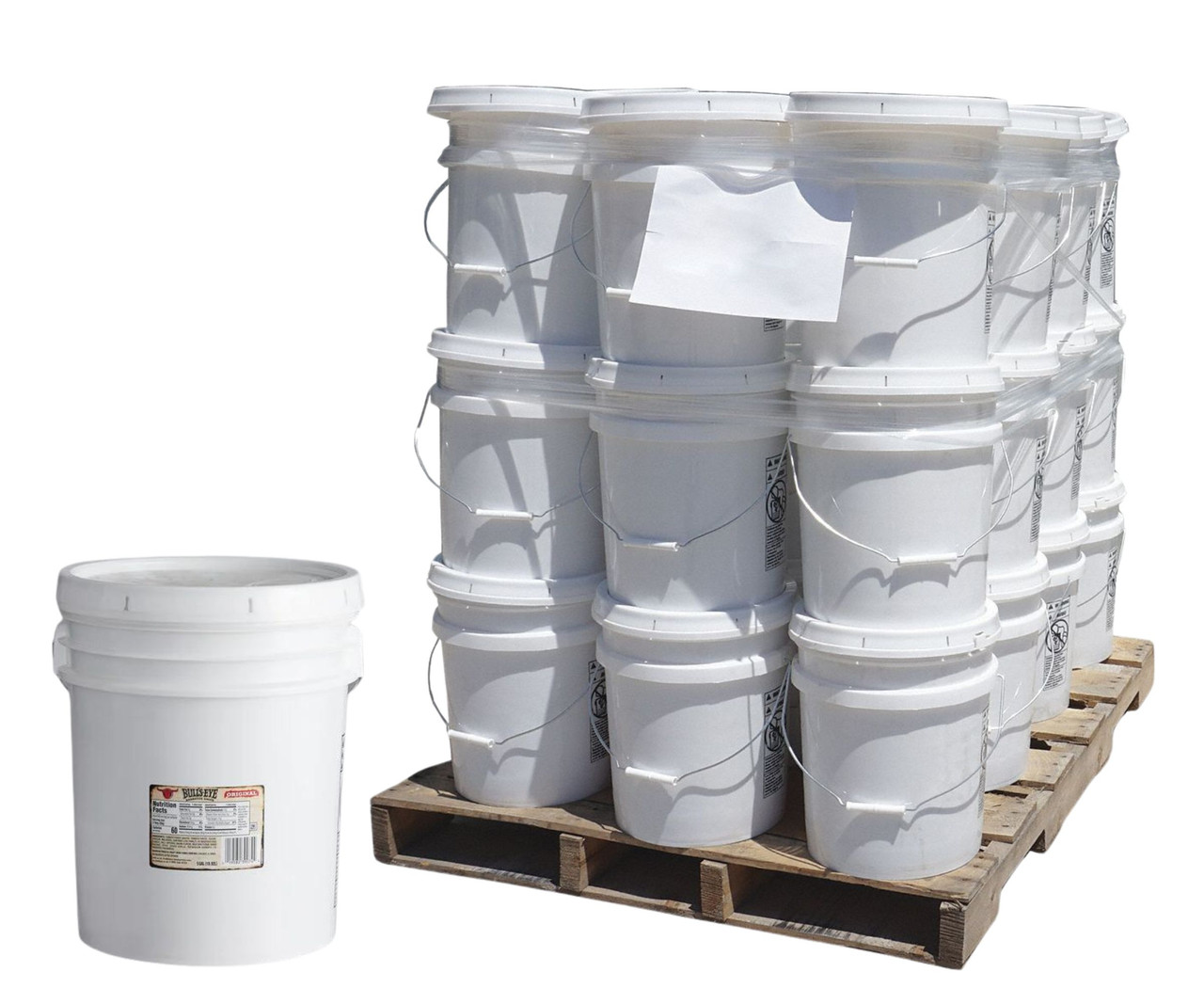
Bull's-Eye offers another trusted option in the barbecue category. Their original sauce provides a classic taste that appeals to traditional preferences. Including multiple reputable brands allows you to diversify your supply chain slightly. This strategy mitigates risks associated with single-source dependencies.
Reliable Wholesale Distribution from Calgary
Fast shipping ensures you never face unexpected stock shortages.
ChickenPieces operates from a strategic location in Calgary, Alberta. This central position facilitates efficient distribution across Western Canada. Quick dispatch times mean you receive your orders faster than with distant suppliers. Reduced transit times lower the risk of damage or delay during transportation.
We maintain significant inventory levels for high-demand items. This buffer ensures availability even during unexpected surges in order volume. You can depend on consistent supply without worrying about backorders disrupting your operations. Reliable stock levels support smooth business continuity.
Our commitment to Canadian commerce means we understand local regulations. We handle all necessary compliance documentation for food service products. This expertise simplifies the purchasing process for you, allowing you to focus on running your business rather than navigating bureaucratic hurdles.
Condiment Format Comparison Guide
Compare key attributes of different condiment packaging types.
| Format Type | Best Use Case | Portion Control | Storage Efficiency |
|---|---|---|---|
| 1 oz Cups | Dine-in service | High | Moderate |
| 8g-12g Packets | Takeout/Fast Food | Very High | High |
| 44 ml Cups | Premium Dine-in | High | Moderate |
| 5 Gallon Pails | House Cooking | Low | Very High |
| Bulk Jars | Small Kitchens | Low | Low |
| Pump Bottles | Self-Service | Medium | Moderate |
| Sachets | Events/Catering | Very High | High |
Explore Our Condiment Range
View our complete selection of bulk condiments and portion packs.

People Also Ask
Real questions buyers search before they order — answered straight.
Which condiment portion packs need to be refrigerated?
Most sealed single-serve packs of ketchup, mustard, and many sauces are shelf-stable and fine at room temperature until opened, which is part of their appeal. Mayonnaise, dairy-based dressings, and some speciality sauces are the ones that usually need chilling, so always check the label on each product. When in doubt, storing packs somewhere cool and dry keeps quality and flavour at their best.
Can condiment packs be left out at a self-serve station?
Sealed shelf-stable packs like ketchup and mustard can safely sit in a caddy at a self-serve station through service, which is exactly what portion packs are designed for. Chilled types such as mayonnaise or dairy-based dressings should not be left out for long and are better kept refrigerated and topped up as needed. Rotating stock and clearing any opened or damaged packs keeps the station tidy and safe.
Are single-serve packets or squeeze bottles better for a venue?
Packets give the tightest portion control and the best hygiene, since each guest gets a fresh, untouched serving with nothing shared, making them ideal for takeaway, delivery, and busy counters. Squeeze bottles or pumps can work out lower per serving and suit table service where staff manage refills. Many venues use both: packets for grab-and-go and bottles for sit-down areas.
Which condiments are most popular to stock in portion packs?
The steady sellers are ketchup, mustard, and mayonnaise, followed by relish, barbecue sauce, hot sauce, and salad dressings, so a core range covers most guests. Stocking a small spread of these in single-serve packs suits the widest mix of menus and tastes. Watching which packs empty fastest is the simplest guide to what to reorder.
Are condiment portion packs gluten free?
Many single-serve condiments such as plain ketchup and mayonnaise are naturally gluten free, but others, including some sauces and dressings, can contain gluten, so it is never safe to assume. The reliable approach is to check the ingredient and allergen statement on each product before serving. Keeping labelled packs on hand makes it easy to answer guest questions with confidence.
Do condiment portion packs work well for outdoor or off-site events?
Yes, sealed single-serve packs are a natural fit for catering, festivals, and off-site events, because they travel well, need no serving equipment, and keep things hygienic with no shared bottles. Shelf-stable types can go without a fridge for the day, while any chilled packs travel best in a cool box. Their portability is a big reason venues keep a bulk supply on hand.
What Canadian Facility managers say
Hear from satisfied operators across Canada.
Switching to portion cups cut our prep time by half. Guests love the clean presentation, and we waste far less sauce than before. It was an easy decision for our busy downtown restaurant location.
The bulk pails are perfect for our catering business. We use them daily for large batch preparations. The flavor consistency is excellent, and the price per unit works well for our budget constraints.
Fast shipping from Calgary kept our Airbnb supplies stocked. The duck sauce packets are a hit with guests who order takeout nearby. Reliable service makes reordering stress-free for our property management team.
Ordering & Shipping: Frequently Asked Questions
What is the minimum order quantity?
We offer flexible ordering options for most items. You can often purchase single cases of portion packs or pails. There is no strict minimum, allowing you to start small and scale up as your operational needs grow over time.
Do you ship to all Canadian provinces?
Yes, we ship nationwide across Canada. Our Calgary warehouse ensures fast dispatch for Western regions. Eastern shipments may take slightly longer but are still reliable. We use trusted carriers to ensure safe delivery of your goods.
How long do portion packs last?
Shelf life varies by product type and brand. Generally, unopened portion packs last several months when stored properly. Always check the expiration date on packaging. We prioritize shipping fresher stock to maximize your usable inventory window.
Can I mix products in one order?
Absolutely. You can combine different condiments, formats, and brands in a single shipment. This simplifies your logistics and reduces handling efforts. Our system handles mixed orders efficiently without any extra complexity or charges.
Are these products suitable for allergen-free kitchens?
Many of our products are free from common allergens, but you must check individual labels. Cross-contamination risks vary by manufacturer facility. We provide detailed product information to help you make safe choices for your specific dietary requirements.
How do I track my order?
Once your order ships, you will receive a tracking number via email. You can monitor progress directly on the carrier's website. This transparency helps you plan inventory reception accurately and avoid storage bottlenecks upon arrival.
Do you offer volume discounts?
Yes, larger orders often qualify for tiered pricing structures. Contact our sales team to discuss your specific volume needs. We aim to provide competitive rates that support your operational budget while ensuring high-quality product supply.
What if I receive damaged goods?
We stand behind our shipping processes. If you encounter damage, please contact support immediately with photos. We will arrange replacements or refunds promptly. Our goal is to ensure you receive perfect products every time without hassle.
Can I request samples before bulk buying?
Samples are available for select high-volume items. This allows you to test flavor and quality before committing to large orders. Contact us to inquire about sample availability for specific SKUs relevant to your menu planning needs.
How do you calculate shipping on bulk orders?
We calculate shipping on live carrier rates at checkout, not on flat or subsidized tiers. Every order is priced against real LTL, parcel, or pallet-freight quotes from our Calgary warehouse to your dock. That means you never absorb hidden shipping costs into product margins — what we charge is what the carrier charges us, plus a small handling pass-through. For bulk and pallet orders this typically runs 15–25% lower than competitors who bake shipping into their unit prices, because the rate is transparent and tied to the actual shipment weight and distance.
Regulatory reference: The FDA Food Code and Health Canada's food safety guidelines set the standards for commercial kitchen operations across North America.
Related guides from ChickenPieces
Why Buy From ChickenPieces
We provide reliable, compliant, and efficient supply solutions for Canadian operators.
Canadian Based Support
Our Calgary team understands local market dynamics. We offer responsive customer service tailored to your region. Quick communication ensures your questions are answered promptly, supporting smooth business operations without delay.
Competitive Wholesale Pricing
We secure favorable rates through large-scale purchasing power. These savings pass directly to you, improving your margins. You get high-quality products at prices that support sustainable growth for your food service or facility.
Fast Nationwide Shipping
Strategic warehouse location enables rapid dispatch across Canada. We prioritize speed to keep your shelves stocked. Reliable logistics partners ensure your orders arrive on time, every time, supporting uninterrupted service delivery.
Regulatory Compliance
All products meet Health Canada and CFIA standards. We verify compliance documentation for every item sold. This diligence protects your business from regulatory risks and ensures safe consumption for all your customers.
Ready to Streamline Your Supply?
Contact us today for a custom quote tailored to your volume needs. Let's optimize your condiment inventory together.
Request a Quote