
 US Dollar (USD)

2026 Apr 20th
Powder vs Liquid Soft Serve Mix: Which is Better for
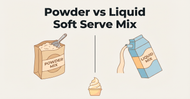
Choosing the right soft serve mix is one of the most critical decisions for any Canadian foodservice operator looking to add frozen desserts to their menu. The debate between powder and liquid soft serve mix often comes down to balancing operational logistics against the desired flavour profile and texture. From what we've seen supplying from our Calgary warehouse, the choice heavily depends on your business model—whether you operate a mobile food truck, a seasonal kiosk, or a high-volume indoor cafe.
Both formats have distinct advantages. Powder mixes are highly concentrated, shelf-stable, and incredibly cost-effective to ship across Canada. Liquid mixes, on the other hand, are ready-to-use and typically boast a higher butterfat content, resulting in a premium, ultra-creamy mouthfeel. Understanding the nuances of overrun, dilution ratios, and storage requirements will help you select the perfect base for your soft serve machine.
Author: Amani
Understanding Overrun in Soft Serve
Before comparing powder and liquid mixes, it is essential to understand the concept of overrun. Overrun refers to the percentage of air whipped into the ice cream mix during the freezing process. It directly impacts the texture, yield, and profitability of your soft serve.
A lower overrun (around 30%) produces a dense, heavy, and creamy product with a rich mouthfeel, often associated with premium liquid dairy mixes. A higher overrun (50% to 60%) results in a lighter, fluffier product that yields more servings per batch, which is typical for many powder mixes. Your soft serve machine's pump system and the specific mix formulation will dictate the final overrun, but knowing your target texture is the first step in choosing between powder and liquid.
The Advantages of Powder Soft Serve Mix
Powder soft serve mix, such as the industry-leading Frostline brand, is the go-to choice for many Canadian operators, particularly those with limited storage space or mobile setups.
The primary benefit of powder mix is its shelf stability. Because it does not require refrigeration until it is mixed with water or milk, it frees up valuable cooler space and eliminates the risk of spoilage during transit. This makes it exceptionally well-suited for food trucks, seasonal concession stands, and remote locations where maintaining a strict cold chain is challenging.
Furthermore, powder mixes are highly versatile. While they are typically mixed with water for a standard, cost-effective soft serve, operators can substitute milk or dairy alternatives to create a richer, creamier final product. Many powder mixes, including specific Frostline and DOLE formulations, are also lactose-free or vegan, allowing cafes to cater to a broader range of dietary preferences without stocking multiple specialized liquid bases.
The Case for Liquid Soft Serve Mix
Liquid soft serve mix is favoured by premium cafes, high-end dessert shops, and high-volume restaurants that prioritize a traditional, rich dairy flavour profile.
Because liquid mixes are pre-blended and homogenized at the dairy, they offer unparalleled consistency. There is no risk of operator error during the mixing process—no measuring water, no whisking, and no undissolved powder clumps. You simply pour the liquid directly from the bag or carton into the machine's hopper.
Liquid mixes generally contain a higher percentage of butterfat, which translates to a smoother, creamier texture and a more robust flavour. However, this premium quality comes with logistical trade-offs. Liquid mix must be kept refrigerated at all times, has a significantly shorter shelf life (often 14 to 21 days), and is more expensive to ship due to its weight and cold-chain requirements.
Mixing and Preparation Best Practices
If you opt for a powder mix, proper preparation is crucial to avoid an icy or watery texture. A common pain point for new operators is over-diluting the powder or failing to mix it thoroughly.
Always follow the manufacturer's specific mixing ratios. A standard ratio is often 1 part powder to 2 or 2.5 parts liquid, but this varies by brand. Use a large, sanitized mixing bucket and a heavy-duty wire whisk. Add the liquid first, then gradually whisk in the powder to prevent clumping. For the best results, allow the mixed base to rest in the refrigerator for at least 30 minutes before pouring it into the soft serve machine; this hydration period helps the stabilizers and emulsifiers activate, resulting in a smoother freeze.
Frequently Asked Questions
The following operator questions are answered with cited sources. Every FAQ links to Health Canada, CFIA, Canada.ca, or another authoritative regulator.
Powder vs liquid soft serve mix: which is better for an ice cream shop?
Products referenced:
- Soft Serve Mix
Source: Powder mix vs. liquid mix for soft serve? : r/icecreamery
What is the cost difference between powder and liquid soft serve mix?
Products referenced:
- Soft Serve Mix Cost Comparison
Which soft serve mix has better taste and texture: powder or liquid?
Products referenced:
- Premium Soft Serve Mix
Source: Looking for the best quality soft serve mix available : r/icecreamery
How long does soft serve mix last once prepared?
Products referenced:
- Soft Serve Mix Storage
Source: What's the deal with premade mix that I keep hearing ice : r/icecreamery
Should I make my own soft serve mix or buy pre-made?
Products referenced:
- Pre-Made Soft Serve Mix
Source: What's the deal with premade mix that I keep hearing ice : r/icecreamery
What is the best soft serve mix brand for a new ice cream shop?
Products referenced:
- Soft Serve Mix Brands
Source: Looking for the best quality soft serve mix available : r/icecreamery
Can I use commercial soft serve mix in a home machine or small countertop unit?
Products referenced:
- Soft Serve Mix for Home Machines
Source: Have anyone tried using commercial soft serve mix in an at : r/icecreamery
What Canadian food safety regulations apply to soft serve ice cream?
Products referenced:
- Soft Serve Compliance
Source: Good manufacturing practices: Dairy processors - Canada.ca
What's the difference in overrun between powder and liquid soft serve mix?
Products referenced:
- Soft Serve Overrun
Where can I buy soft serve mix wholesale in Canada?
Products referenced:
- Wholesale Soft Serve Mix
Source: The Ultimate Guide to Picking Soft Serve Ice Cream Mix - FunFoods
What are the Health Canada guidelines for soft serve ice cream dairy content?
Products referenced:
- Dairy Compliance
Source: Evaluation of dairy processing equipment - inspection.canada.ca
Regulatory reference: The FDA Food Code and Health Canada's food safety guidelines set the standards for commercial kitchen operations across North America.
\n