

2026 Aug 2nd
Bulk Fiber Solutions for Canadian Senior Care Kitchens
Canadian senior-care kitchens need consistent, shelf-stable fiber sources that meet texture-modified diet requirements. Our wholesale range covers whole-food beans, soluble fiber supplements, and functional ingredients for texture control in institutional recipes.
Bulk Fiber Solutions for Canadian Senior Care Kitchens
Calgary-based wholesale sourcing for Canadian senior-care and institutional kitchens that need reliable fiber-forward ingredients in case quantities.
Key Takeaways
Here is what senior-care procurement teams should know about sourcing fiber in bulk.
Whole-Food Fiber Cases
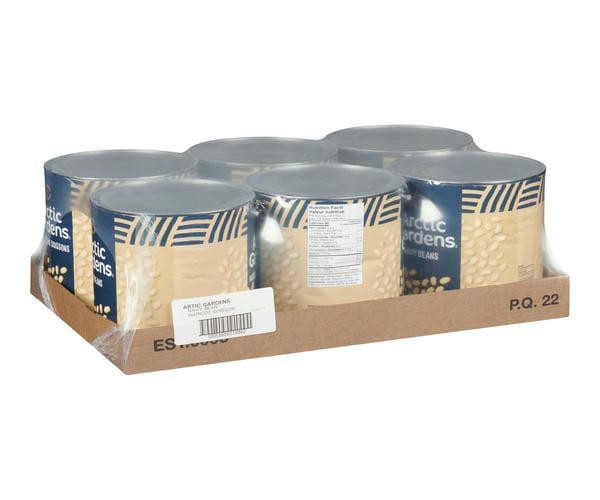
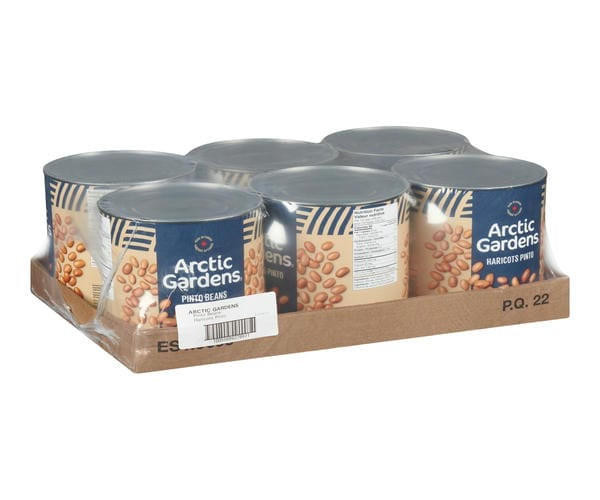
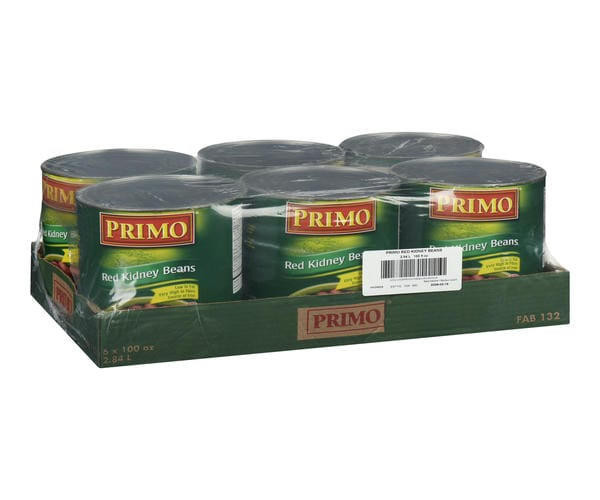
Navy, pinto, kidney, and chickpea beans arrive in six-can cases that reduce ordering frequency and simplify inventory counts in high-volume kitchens.
Supplement Versatility
Psyllium capsules and sugar-free powders let care teams add soluble fiber to fluids and purees without altering meal textures beyond dietary limits.
Liquid Formula Backup
Nutritionally complete liquid formulas with built-in fiber serve as tube-feeding alternatives or meal replacements when chewing is not possible.
Natural Texturizers
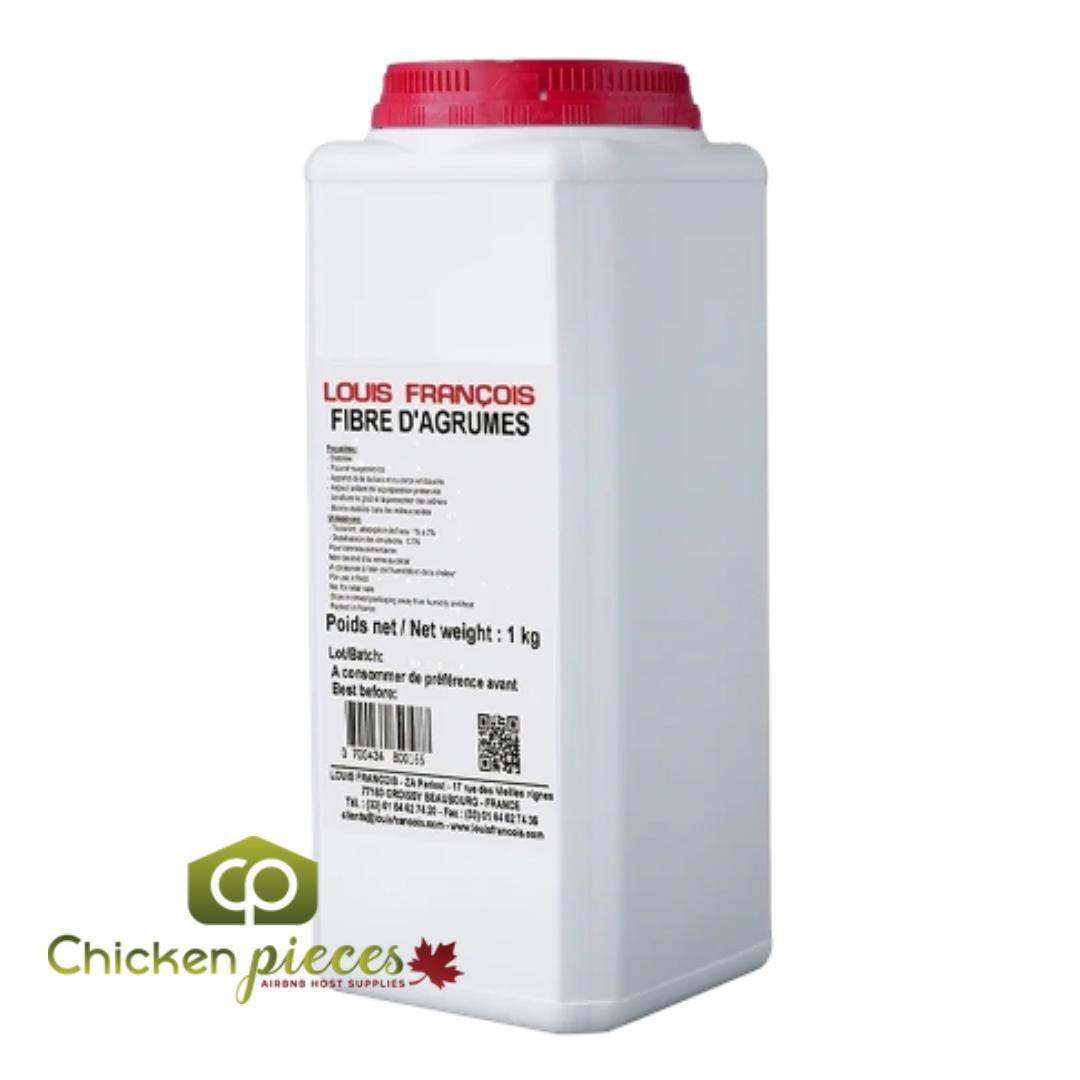
Citrus and flax fibres replace synthetic thickeners in clean-label menus, binding moisture in pureed proteins and vegetable preparations.
Canadian Origin Options
Arctic Gardens and Primo beans carry Canadian origin claims that support local-procurement reporting in municipal and provincial contracts.
Texture-Modified Compliance
IDDSI Level 4-7 preparations rely on consistent fiber sources that hold structure after blending and reheating in steam-table service.
Build Fiber-Forward Menus for Senior Diets
Senior-care menus need fiber that works within swallowing-safety guidelines.
Canadian long-term care homes serve three meals plus snacks daily to residents with varying chewing abilities. Fiber targets for seniors sit at 25-38 grams daily, yet many residents eat texture-modified diets that remove whole grains and raw produce. Canned beans in cases provide cooked, soft fiber that purees smoothly or mashes to fork-tender consistency. Kitchens can portion beans into moulded salads, blend them into soups, or pulse them into spreadable bases for sandwiches on soft bread.
The challenge is keeping fiber consistent across puree, minced, and regular texture lines. A single case of navy beans works across all three lines when prepared differently: whole for regular diets, mashed with liquid for minced, and fully blended for Level 4 purees. Pinto and kidney beans offer colour variation that helps kitchen teams code trays by texture level. Chickpeas blend to a neutral base that accepts savoury or sweet seasonings, useful for dessert hummus or vegetable dips.
Procurement teams should order bean cases by menu cycle rather than weekly to reduce handling. Six-can cases stack on standard kitchen shelving and carry best-before dates that let buyers rotate stock without waste. Canadian-made options support origin claims that matter in public-sector tenders and resident-family communications about local sourcing.
When Whole Foods Fall Short
Supplements bridge fiber gaps for residents with limited intake.
Some senior-care residents eat so little that whole-food fiber cannot reach clinical targets. Psyllium supplements in capsule or powder form add soluble fiber in small volumes that do not fill the stomach. Metamucil capsules suit residents who self-administer medications with supervision; sugar-free powders mix into 250mL servings that staff can record in fluid-intake charts. Both forms gel in water, so timing matters with medication rounds.
Liquid formula supplements serve a different need: residents who cannot safely chew or swallow solids. Fibersource HN delivers nutritionally complete calories with fiber included, suitable for tube feeding or oral sipping. The SpikeRight port connects to enteral giving sets without open-pouring, reducing contamination risk in bedside administration. Dietitians can order this as a temporary bridge during acute illness or a long-term plan for progressive conditions.
Supplement procurement requires coordination between foodservice and clinical teams. Capsule counts need pharmacy-level tracking; liquid formulas need refrigeration after opening and dated labels. Buyers should confirm storage capacity before ordering cases, as expired supplements represent direct loss with no cross-menu recovery.
Functional Fibres for Recipe Stability
Natural fibres solve binding and moisture problems in institutional cooking.
Pureed institutional food weeps liquid on steam tables, turning plated meals into unappetizing pools. Citrus fibre from Louis Francois binds free water in vegetable and protein purees without adding starch or gelatin. It works at low temperatures, so kitchens can add it to cold preparations that reheat later. The neutral flavour avoids the metallic aftertaste that modified food starch sometimes leaves in savoury applications.
Flax fibre performs a different function: it thickens while adding omega-3 content that dietitians value for cardiovascular protocols. It works in baked goods for soft diets, replacing egg structure in reduced-cholesterol recipes. Both fibres come in one-kilogram bags that suit test-batch scaling before full production commitment. Shelf life runs two years unopened, longer than most hydrocolloid alternatives.
European ingredient sourcing through ChickenPieces.com gives Canadian buyers access to products not stocked by domestic broadline distributors. Import documentation is handled at entry; buyers receive Canadian-compliant labels with bilingual ingredient declarations. This matters for provincial audits that check label accuracy against kitchen recipe files.
Order Cases, Not Cans
Bulk case ordering reduces labour and aligns with institutional receiving.
Senior-care kitchens operate on four-week menu cycles that repeat with seasonal variations. Ordering two cases of each bean type per cycle covers most 100-bed facilities with standard portion sizes. Case pricing through ChickenPieces.com reflects this operational reality; single-can orders are not available. Buyers should calculate usage from past cycle sheets, adding ten percent for unexpected census increases or staff-meal consumption.
Receiving procedures matter with case goods. Six-can bean cases weigh roughly nineteen kilograms; one person can move them on a dolly, but two-person lifts protect staff from strain injuries. Check can seams for dents on arrival; pressure changes during Alberta-to-coast shipping sometimes stress packaging. Document damage immediately for carrier claims, as delayed reporting voids protection.
Storage rotation uses standard FIFO: newest cases to the back, oldest to the front. Bean cases store at ambient temperature; liquid formulas need cool, dry conditions away from heat vents. Supplement inventory should sit near the dietary office, not the main dry storage, to control access and simplify monthly counts for cost reporting.
Meet Canadian Foodservice Standards
Senior-care procurement carries compliance obligations that ingredient choices affect.
Canadian long-term care homes operate under provincial licensing that references federal food safety standards. Health Canada regulates supplemented foods and natural health products differently; psyllium supplements carry NHP numbers that kitchens should record in product files. Liquid formulas with medical-food status need dietitian authorization but follow foodservice handling rules, not pharmacy protocols.
CFIA inspection of imported ingredients like Louis Francois fibres checks for allergen labelling and foreign supplier verification. ChickenPieces.com manages this documentation; buyers receive compliant product, not customs headaches. However, kitchens must maintain their own receiving records that link lot numbers to preparation dates for two-way traceability.
Provincial nutrition standards for senior care increasingly specify fiber minimums per meal. Alberta and Ontario guidelines reference Adequate Intake values; British Columbia ties fiber to constipation-prevention protocols. Buyers who source Canadian-made beans gain additional credit in municipal procurement scoring systems that weight local economic impact.
Train Staff for Consistent Results
Fiber ingredients fail when preparation varies between shifts.
Bean preparation seems simple: open, rinse, heat. But senior-care kitchens need standard procedures that survive staff turnover and weekend coverage. Document rinse times, drainage methods, and final holding temperatures for each bean type. Navy beans break down faster than chickpeas under prolonged heat; kidney beans hold shape better in salad applications. These differences matter when a casual cook covers a sick day.
Supplement administration requires stricter protocols. Psyllium powder must disperse before gelling; capsules need full fluid accompaniment to prevent esophageal blockage in residents with delayed swallow. Liquid formula SpikeRight ports require specific enteral set connections; using standard pumps damages the port and creates leakage. Training modules should include hands-on practice with actual product, not just written descriptions.
Quality checks at service verify that fibre-enhanced items meet texture standards. A weekly audit of three random pureed plates catches drift before it becomes a pattern. Document results and retrain when scores drop. This protects residents from aspiration risk and protects the facility from regulatory findings. Consistent execution turns purchased ingredients into actual nutritional outcomes.
Fiber Source Comparison for Senior Care
Match each ingredient type to your kitchen's preparation capacity and resident diet profile.
| Source Type | Primary Use | Staff Skill Needed | Storage |
|---|---|---|---|
| Canned Beans (Cases) | Whole-food fibre in meals | Basic prep | Ambient, dry |
| Psyllium Capsules | Individual supplementation | Med-pass training | Cool, dry |
| Psyllium Powder | Batch beverage fortification | Mixing protocol | Cool, dry |
| Liquid Formula | Tube/oral meal replacement | Enteral feeding cert | Refrigerated |
| Citrus Fibre | Texture modification, water binding | Recipe scaling | Ambient, dry |
| Flax Fibre | Thickening, baking structure | Recipe adaptation | Ambient, dry |
| Chickpeas (Bulk) | Versatile base, global menus | Basic prep | Ambient, dry |
Browse Fiber and Supplement Cases
Case-quantity beans, fibres, and supplements for Canadian institutional kitchens.





People Also Ask
Real questions buyers search before they order — answered straight.
What's the difference between soluble and insoluble fibre supplements?
Soluble fibre, such as psyllium and inulin, dissolves in water and is the type most supplements are built around, while insoluble fibre adds bulk and does not dissolve. Many supplements lean on soluble fibre because it blends cleanly into drinks and foods. For a foodservice or institutional setting, soluble powders are usually the easiest to work into menus without changing texture much.
What forms do fibre supplements come in?
Fibre supplements come as powders, capsules, caplets, and gummies, and the right form depends on how you plan to serve or dispense them. Powders are the most flexible for institutional use because they stir into drinks, oatmeal, or baked items. Capsules and gummies suit grab-and-go or individual serving where measuring a powder is not practical.
Which fibre supplements contain psyllium husk or inulin?
Many popular fibre supplements are based on psyllium husk, while others use inulin, a plant fibre that dissolves almost invisibly into liquids. Psyllium is the classic bulk-forming option, and inulin is often chosen when you want fibre added without affecting taste or texture. Check the label, since blends of both are common.
How much fibre should an adult get each day?
General guidance puts most adults around 25 to 38 grams of fibre a day, and many people fall short of that. Supplements are one way institutions help close the gap alongside fibre-rich food. Building fibre into everyday menu items is often the simplest way to move people toward the target.
Can fibre supplements cause gas or bloating?
Adding fibre too quickly can cause temporary gas or bloating, which is why the usual advice is to increase it gradually and drink plenty of water. For food operators, that means introducing fibre steadily rather than overloading a single dish or serving. Most people adjust within a short time as their intake settles.
Where can you buy fibre supplements in bulk in Canada?
You can order fibre supplements in bulk powders, capsules, and single-serve formats online and have them shipped to your facility, which beats limited retail pack sizes. Look for a Canadian supplier that lists the fibre type and format so you can match it to how you will serve it. We ship bulk fibre supplements across Canada.
What Canadian Foodservice buyers say
Foodservice buyers across Canada rely on these products for daily operations.
We switched to case-size bean orders last year and cut our receiving time in half. The Canadian-made labels also helped our local sourcing report for the health authority review.
The SpikeRight port on the liquid formula saved us from three bedside spills in our dementia wing. Our PSWs finally have confidence connecting feeds without calling nursing.
Citrus fibre let us remove modified starch from our puree program. Families notice the cleaner ingredient lists during menu meetings, and our texture audits improved.
Senior Care Sourcing: Frequently Asked Questions
The following operator questions are answered with cited sources. Every FAQ links to the community thread, buyer guide, or regulator page it was researched from.
Which fiber supplement actually works for constipation?
Products referenced:
- CP-WEB-620-001
Is Metamucil good for constipation?
Products referenced:
- CP-WEB-620-002
Should you give up on Metamucil if it does not seem to be working?
Products referenced:
- CP-WEB-620-003
How should fiber powder be mixed and dosed so it actually works?
Products referenced:
- CP-WEB-620-004
Source: Metamucil saved my life - r/ibs
How long does it take before a daily fiber routine shows results?
Products referenced:
- CP-WEB-620-005
What is the most economical way to buy fiber supplements in bulk?
Products referenced:
- CP-WEB-620-006
How do you add fiber to pureed or texture-modified diets without making them unpalatable?
Products referenced:
- CP-WEB-620-007
How do you get more fiber into an older adult who refuses vegetables?
Products referenced:
- CP-WEB-620-008
Source: Vegetables? - r/AgingParents
Are prunes or kiwifruit better than psyllium for constipation?
Products referenced:
- CP-WEB-620-009
Source: Kiwifruit vs Psyllium vs Prunes for Constipation - Monash FODMAP
What do Canadian dietitians recommend for preventing constipation in older adults?
Products referenced:
- CP-WEB-620-010
Source: Managing and Preventing Constipation in Adults - Unlock Food (Dietitians of Canada)
Related guides from ChickenPieces
Why Senior Care Buyers Choose Us
Calgary-based wholesale sourcing built for Canadian institutional kitchen realities.
Case-Format Focus
We stock institutional sizes that match your receiving dock equipment and storage shelving, not retail packages that waste labour.
Cross-Canada Reach
Carrier-rate shipping from Alberta connects to BC coast, Ontario corridor, and Prairie facilities without regional stock gaps.
Dietary Team Support
Product specs and ingredient declarations arrive formatted for dietitian review, speeding up menu approval and allergen documentation.
Regulatory Alignment
Imported ingredients carry CFIA-compliant labelling; Canadian products support origin claims that satisfy Health Canada and provincial audit requirements.
Request a Quote for Your Facility
Tell us your bed count, menu cycle, and current fibre sources. We will reply with case quantities and carrier options suited to your location and storage capacity.
Request a QuoteReferences: Health Canada - Food Chemical Contaminants CFIA - Food Safety for Industry.