

2026 Aug 16th
Why Your Gloves Keep Ripping: Nitrile Thickness Explained
Gloves rip when the material is too thin for the task. Three-mil nitrile handles light, brief contact. Six-mil adds puncture resistance for scrubbing and tools. Eight-mil protects against chemicals and snags that destroy thinner barriers.
Why Your Gloves Keep Ripping: Nitrile Thickness Explained
Airbnb hosts, property managers, and facility operators in Alberta need gloves that last through real shifts, not just the first ten minutes of scrubbing.
Key Takeaways
Six facts to get the right glove thickness on your first order.
Thickness equals barrier life
Each mil adds measurable breakthrough time. Thicker nitrile extends protection proportionally against punctures and chemical seepage.
Visible damage shows fast
Nitrile displays tears clearly upon inspection, so staff spot compromised gloves before cross-contamination spreads.
Thin fails against solvents
Gloves under 5 mil break through in under one minute with organic solvents like acetone and benzene.
Eight mil for acid splashes
Hydrofluoric acid demands minimum 8-mil thickness even for brief splash contact to prevent skin burns.
Fourteen mil switches categories
Below 14 mil means single-use disposable. At or above 14 mil, gloves classify as reusable for repeated wear and washing.
Chemical type matters most
Nitrile performs poorly against petroleum-based solvents and aromatic hydrocarbons regardless of thickness; always confirm compatibility first.
Why thin gloves fail mid-task
Most rips trace back to a thickness-task mismatch, not defective product.
Glove thickness is measured in mils, with one mil equalling one-thousandth of an inch. Standard disposable nitrile ranges from 3 to 8 mil, while reusable industrial gloves climb from 14 to 22 mil. The gap between these ranges is not gradual—it is categorical. Disposable gloves suit incidental contact: wiping counters, handling clean linens, light bathroom touch-ups. Once the task involves tools, abrasive surfaces, or chemical exposure, the material needs more mass to resist penetration.
Breakthrough time is the critical metric. Laboratory standards define excellent chemical protection as exceeding eight hours before detectable chemical presence inside the glove. Thin nitrile cannot approach this benchmark against most workplace chemicals. The material itself provides limited defence against petroleum-based solvents and aromatic hydrocarbons, so thickness alone does not solve every compatibility problem. But for the chemicals nitrile does resist, each additional mil extends working time.
Nitrile's advantage is visibility. Unlike some alternatives that hide punctures, nitrile shows damage clearly upon inspection. Staff can spot a compromised barrier immediately and change gloves before contamination spreads. This matters in shared rental properties and commercial kitchens where turnover is constant and inspection time is short.
When 3-mil gloves are enough
Three-mil nitrile fits frequent changes and low-risk surfaces.
Three-mil nitrile is the standard for food service, light cleaning, and guest-facing tasks where dexterity matters more than durability. The thin material preserves finger sensitivity for handling small items—key cards, remote batteries, utensil sorting. These gloves suit incidental chemical contact only: brief wiping with diluted cleaners, handling pre-packaged items, or protecting hands from dust and allergens during routine turnover.
The trade-off is fragility. Snagging on zippers, drawer edges, or rough towel fibres can tear 3-mil material. The breakthrough time against anything beyond mild soap and water drops to minutes or seconds. For Airbnb hosts staging units between guests, this means the glove changes frequently but costs little per change. The economics work only if the task genuinely stays light.
Property managers should audit actual use. If housekeepers report tearing within the first room, the task has outgrown 3 mil. Common culprits are scrubbing grout with stiff brushes, handling maintenance tools, or using degreasers on stovetops. These activities need thicker material from the start, not doubled-up disposables.
Six-mil gloves for scrubbing and tools
Six mil adds puncture resistance without sacrificing workable flexibility.
Six-mil nitrile sits at the practical midpoint for facility operators and property managers. The added material resists punctures from scrub brushes, tool handles, and textured surfaces that shred 3-mil barriers. Breakthrough time extends measurably against compatible chemicals, though it still falls short of immersion protection. These gloves suit bathroom deep-cleans, kitchen degreasing, and light maintenance with screwdrivers or pliers.
Dexterity remains reasonable at 6 mil. Staff can operate latches, turn valves, and handle small hardware without removing gloves repeatedly. This reduces the temptation to skip protection during multi-step tasks. The material still shows damage visibly, so compromised gloves are caught during normal workflow rather than after contamination occurs.
For Alberta operators dealing with seasonal turnover—spring opening, fall closing, mid-rental refresh—6 mil covers the varied demands without maintaining multiple single-task inventories. One case handles scrubbing, basic tool work, and chemical wiping across a typical shift. The limitation is duration: prolonged immersion or heavy abrasion still wins through eventually.
Eight-mil gloves for chemicals and snags
Eight mil is the minimum for hazardous materials and demanding physical contact.
Eight-mil nitrile steps into territory where barrier failure carries real consequences. Research settings mandate this thickness for chemical immersion, direct toxic contact, and corrosive material handling. The same standard applies to property maintenance involving strong acids, caustic drain cleaners, or industrial degreasers. The breakthrough time against compatible chemicals extends substantially, though organic solvents still penetrate rapidly regardless of thickness.
Physical durability jumps at 8 mil. Abrasion resistance, cut resistance, and puncture resistance all improve over 6-mil versions. This matters for tasks like handling weather-stripped hardware, moving equipment with sharp edges, or working around construction debris during unit renovations. The glove survives contact that would destroy thinner options instantly.
The cost is dexterity. Eight-mil material feels bulkier, reduces fine motor precision, and fatigues hands faster during extended wear. Staff may resist donning them for tasks they perceive as minor. Managers need clear protocols: which tasks require 8 mil, which permit 6 mil, and why the distinction protects both worker and liability exposure.
When to switch to 14-mil reusable gloves
Fourteen mil crosses the line from disposable to repeated-use equipment.
At 14 mil and above, nitrile gloves classify as reusable rather than disposable. This threshold reflects both material mass and construction: thicker walls, reinforced cuffs, and designs meant for washing and redeployment. The breakthrough time extends proportionally with thickness, making these gloves suitable for immersion work and extended chemical contact that would ruin multiple disposables.
Facility operators benefit from reusability in predictable, high-frequency tasks. Kitchen deep-cleans with commercial degreasers, maintenance bay work with lubricants and solvents, and seasonal power-washing all involve repeated chemical exposure. A reusable pair, properly rinsed and dried between uses, outlasts dozens of disposables and generates less waste volume. The upfront inventory cost runs higher, but the per-use calculation often favours reusable options.
The catch is maintenance. Reusable gloves require inspection for cracks, proper drying to prevent interior degradation, and replacement scheduling based on visible wear rather than routine disposal. Staff training matters: a reusable glove with hidden chemical saturation inside poses greater risk than a fresh disposable with known limited life. Protocols must define when a reusable pair retires.
How to choose thickness for your operation
Selection depends on chemical type, contact duration, and physical demands together.
Start with the chemical. Identify every cleaner, solvent, and maintenance fluid staff contact. Check compatibility against nitrile specifically—remember that petroleum-based solvents and aromatic hydrocarbons defeat this material regardless of thickness. For compatible chemicals, estimate contact duration: incidental wipe (3 mil acceptable), repeated wiping over minutes (6 mil), immersion or splash risk (8 mil minimum).
Add physical demands separately. A compatible chemical handled with abrasive pads or metal tools needs thicker material than the same chemical applied by spray and wiped with cloth. Snag risk from rough surfaces, hardware edges, or construction debris pushes selection upward even when chemical exposure stays mild. The worst-case scenario governs: if either chemical or physical demand suggests 6 mil, do not drop to 3 mil because the chemical alone seems tame.
Document the match. Property managers and facility operators should post thickness guidelines by task or station, not rely on staff memory. Housekeeping carts carry 3 mil and 6 mil; maintenance lockers stock 6 mil and 8 mil; chemical storage areas require 8 mil or reusable 14 mil. The system prevents the common error of grabbing whatever is closest and hoping it lasts.
Nitrile glove thickness comparison
Match typical property and facility tasks to the mil rating that actually protects.
| Thickness | Best for | Breakthrough protection | Limitations |
|---|---|---|---|
| 3 mil | Light cleaning, food handling, guest-facing tasks | Minutes against mild cleaners | Tears on tools, scrubbing, or snags |
| 4 mil | General housekeeping, light maintenance | Short duration against compatible chemicals | Still disposable; limited puncture resistance |
| 5 mil | Bathroom cleaning, surface disinfection | Moderate breakthrough time | Fails rapidly against organic solvents |
| 6 mil | Deep scrubbing, tool work, degreasing | Extended vs compatible chemicals | Not for immersion or strong acids |
| 8 mil | Chemical splashes, abrasive maintenance, acid contact | Hours for matched chemicals | Reduced dexterity; still not for all solvents |
| 14+ mil reusable | Immersion work, repeated chemical handling | Proportional to thickness; excellent for proper matches | Requires inspection, cleaning, retirement protocols |
| Task-specific required | Hydrofluoric acid, unknown solvents | Confirm before any use | Nitrile may be unsuitable regardless of thickness |
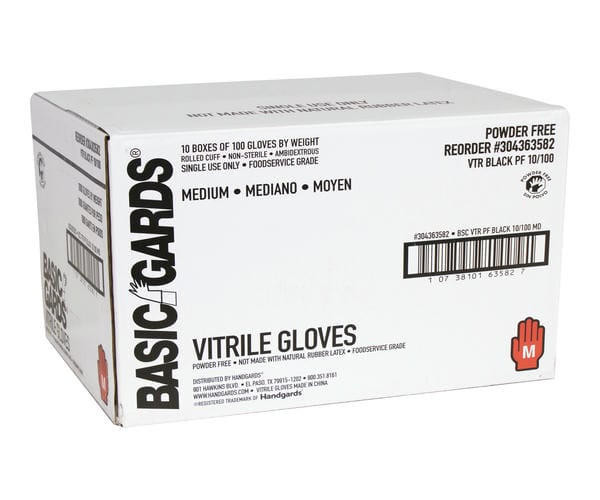
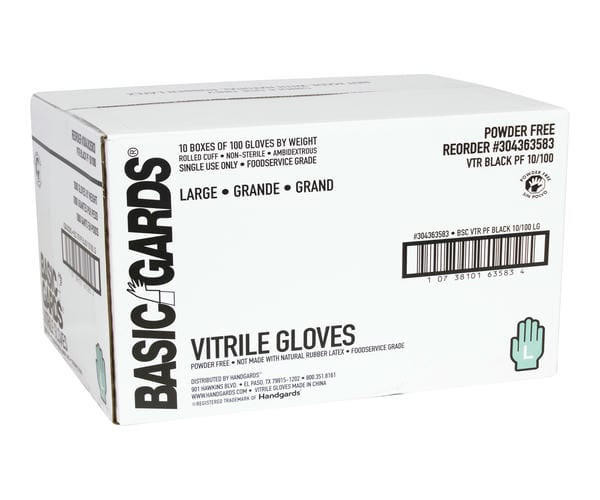
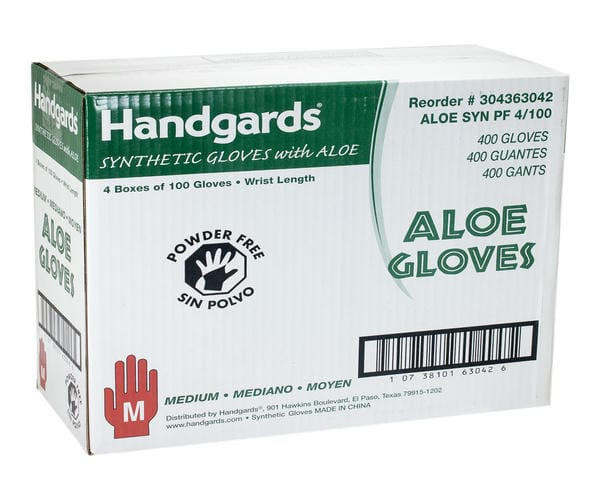
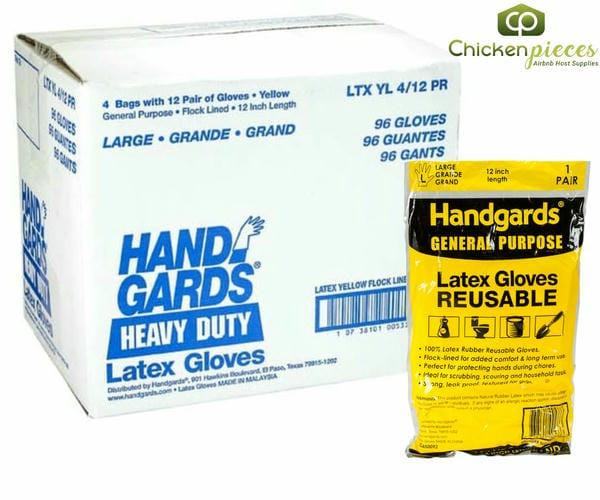
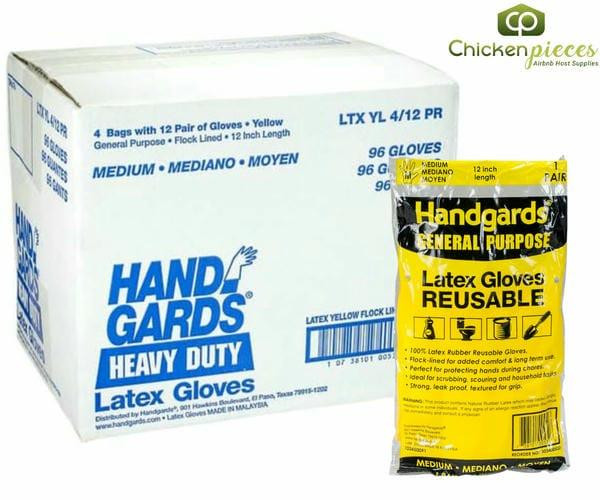
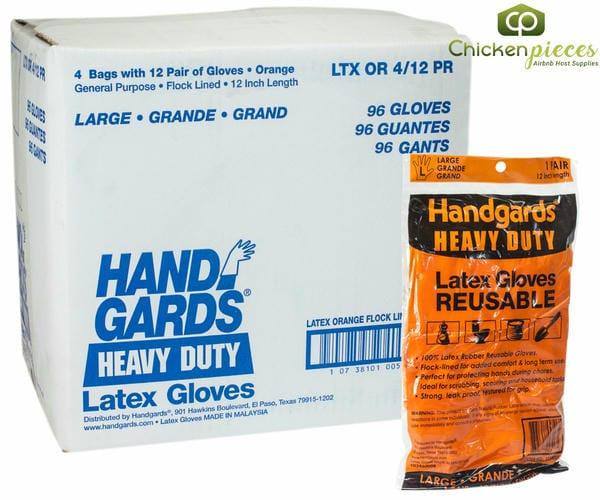
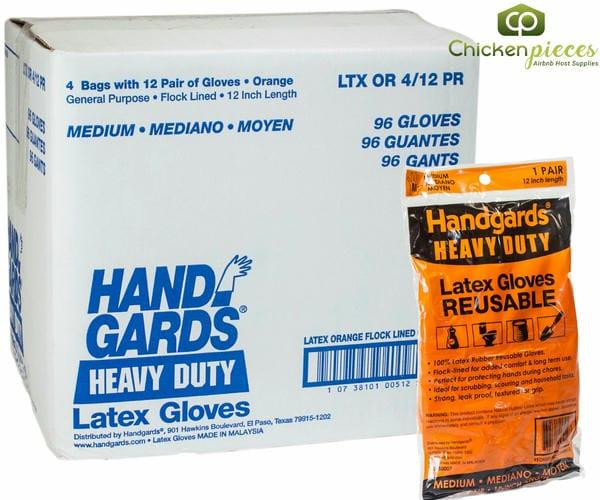
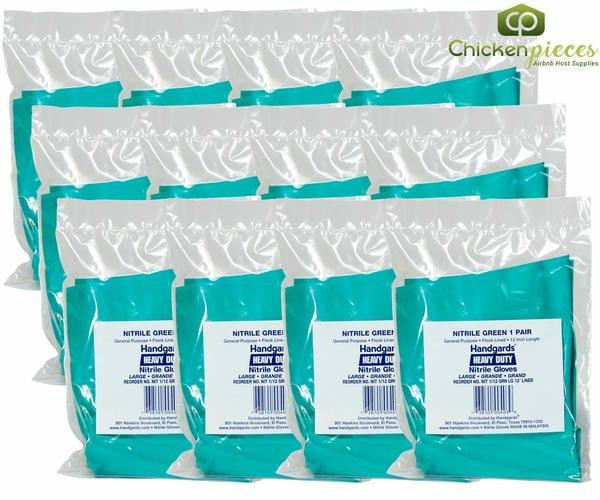
Gloves rated for your tasks
Disposable and reusable options from 3 mil to heavy-duty, sized for Alberta operations.

What Canadian facility operators say
What Canadian operators say after matching thickness to actual work demands.
We were burning through two boxes of thin gloves per turnover. Switched to 6 mil for bathroom cleans and cut glove waste by half. Crew stopped double-gloving too.
The 8 mil nitrile held up through a full kitchen degrease without a single tear. Previously we had three rips per job. Thickness actually matters.
Switched our maintenance locker to reusable 14 mil after tracking costs. One pair lasts a week versus twenty disposables. Inspection protocol took two training sessions.
Glove thickness selection: Frequently Asked Questions
The following operator questions are answered with cited sources. Every FAQ links to Health Canada, CFIA, Canada.ca, or another authoritative regulator.
Why do my nitrile gloves keep ripping when I put them on?
Products referenced:
- Blue Nitrile Gloves, 3 mil, Bulk
- Nitrile Exam Gloves, 5 mil, Case Pack
What thickness of nitrile glove is best for food prep?
Products referenced:
- Nitrile Exam Gloves, 6 mil, Case Pack
- Heavy-Duty Nitrile Gloves, Bulk
Source: How are orange/black nitrile BBQ gloves different - r/BBQ
Are thicker nitrile gloves actually cheaper in the long run?
Products referenced:
- Nitrile Exam Gloves, 5 mil, Bulk
- Blue Nitrile Gloves, 3 mil, Bulk
Source: Are the nitrile gloves decent quality/priced? - r/harborfreight
Which brand of nitrile gloves does not rip easily?
Products referenced:
- Nitrile Exam Gloves, 5 mil, Case Pack
- Nitrile Exam Gloves, 6 mil, Case Pack
Source: Nice-and-thick nitrile gloves for a good price - r/Costco
Do thicker gloves cost me dexterity on the line?
Products referenced:
- Nitrile Exam Gloves, 5 mil, Bulk
- Heavy-Duty Nitrile Gloves, 8 mil, Bulk
Source: Does anyone use nitrile gloves that don't suck? - r/Machinists
How long should a pair of disposable nitrile gloves last before I need a thicker grade?
Products referenced:
- Heavy-Duty Nitrile Gloves, 8 mil, Bulk
- Nitrile Exam Gloves, 6 mil, Case Pack
Where can I buy nitrile gloves in bulk for a restaurant in Canada?
Products referenced:
- Nitrile Exam Gloves, Case Pack, Bulk
- Powder-Free Nitrile Gloves, Food Grade
Source: Are the nitrile gloves decent quality/priced? - r/harborfreight
What does mil thickness actually mean on a glove box?
Products referenced:
- Nitrile Exam Gloves, 3 mil, Bulk
- Nitrile Exam Gloves, 5 mil, Bulk
- Heavy-Duty Nitrile Gloves, 6 mil, Bulk
Why do my gloves tear at the fingertips instead of the cuff?
Products referenced:
- Powder-Free Nitrile Gloves, 5 mil, Bulk
- Nitrile Exam Gloves, Case Pack, Bulk
Source: Why disposable gloves split or tear and what to buy instead - Gloves.com
Related guides from ChickenPieces
Why operators order gloves from ChickenPieces
We stock thickness options matched to real Alberta facility and rental tasks.
Thickness clarity
Every glove lists mil rating plainly, so you order what the task demands without guessing or wasting inventory.
Sized for crews
Medium through large in both disposable and reusable lines, with cases that scale from single properties to multi-site operations.
Task-based guidance
Our product details note reusable versus disposable, heavy-duty versus light-duty, and textured grip where physical handling matters.
CFIA compliance
Food-service gloves meet CFIA requirements for commercial kitchen use, with documentation available for facility audits and health inspections.
Sources & further reading
- Glove Selection Guide — UC Berkeley Environmental Health & Safety
- Gloves for Handling Pesticides (G1961) — University of Nebraska Extension
- Nitrile Gloves — Northwestern University Research Safety
- Fact Sheet: Disposable Nitrile Gloves in Chemical Labs — University of Pennsylvania Environmental Health & Radiation Safety
Get a quote on your glove program
Tell us your head count, typical tasks, and current rip rate. We will size a glove inventory that matches thickness to actual work instead of hoping thin holds up.
Request a QuoteReferences: Health Canada — PPE Standards FDA — Medical Glove Guidance.