What shocking means in a commercial kitchen, how to set up an ice bath, how it differs from blanching, and the salts and dressings that finish shocked vegetables.
Shocking, also called refreshing, is plunging just-cooked food, usually blanched vegetables, straight from boiling water into a bath of ice and water. The sudden cold stops carry-over cooking right away, so vegetables stay bright, crisp-tender, and not overcooked. It is the step that comes right after blanching.
At a Glance
Key Takeaways
Boil, then ice
Shocking is the ice-water step right after blanching. Blanching is the boil; shocking stops it.
Stops carry-over cooking
Hot vegetables keep cooking on the counter. Ice water stops the cook instantly.
Locks in colour
Green vegetables stay bright green instead of turning drab and soft.
Set up the ice bath first
Have the ice water ready beside the stove before anything goes into the pot.
Chill, then drain
Leave product only until it is cold, then drain and dry so it does not get waterlogged.
Enables prep-ahead
Blanch and shock ahead, hold cold, and finish in seconds at service.
Definition
Shocking, refreshing, and the ice bath
Shocking is the step that stops the cooking instantly: hot food, usually just-blanched vegetables, goes straight from boiling water into ice and water. Some kitchens call it refreshing. Either way, the point is to hold the food exactly where the cook wanted it.
It pairs with blanching. Blanching is the short boil. Shocking is the ice-water step that comes right after it.
Method
How to shock vegetables step by step
Set up the ice bath first. Fill a hotel pan or bain-marie with plenty of ice and cold water, right next to the stove.
Blanch in small batches. Small batches keep the boiling water at the boil and the ice bath cold.
Move it straight to the ice. Lift product out with a spider or blanching basket and plunge it into the ice bath. No waiting on the counter.
Stir until fully cold. Stir so every piece chills evenly, and add more ice if it melts.
Drain and dry. Lift out, drain well, and pat or spin dry so it does not get waterlogged.
Label and hold cold. Portion into labelled hotel pans or deli containers with name and date, and hold cold until service.
Field tip: Keep the boiling pot and the ice bath organized so nobody reaches across steam. Use a spider, not hands, and refresh the ice so the bath stays truly cold.
Clarity
What shocking is not
Not blanching. Blanching is the boil. Shocking is the ice-water step after it.
Not rinsing under the tap. Running water is not cold enough or fast enough, and it wastes water.
Not soaking for ages. Leaving vegetables in the bath too long makes them waterlogged and bland.
Not chilling in the walk-in. A fridge cools too slowly to stop the cook.
Not for meat. Shocking is a vegetable and fruit technique. Blanched bones are rinsed, not iced.
On the Line
Why kitchens shock vegetables
Stop carry-over cooking so vegetables do not go soft and drab
Lock in bright green colour after blanching
Keep a crisp-tender bite for salads, crudités, and plated sides
Cool product fast so it can be held cold and finished at service
Prep ahead: blanch and shock in the afternoon, reheat or sauté in seconds at service
Peel tomatoes and peaches: the quick chill helps skins slip off cleanly
Banquet and catering kitchens rely on it to prep a whole event’s vegetables ahead. It is a core piece of mise en place.
Comparison
Shocking vs blanching vs walk-in cooling
Factor
Shocking
Blanching
Walk-in cooling
What it is
Ice-water plunge
Short boil in plenty of water
Cooling in refrigerated air
Speed
Instant
Seconds to a few minutes
Slow
Stops carry-over cooking?
Yes
No, it is the cook
Not fast enough
Typical order
Second, right after the boil
First
After shocking, for holding
Blanch first, shock second, then drain, label, and hold cold.
Shop the Range
Seasonings and dressings for blanched-and-shocked vegetables
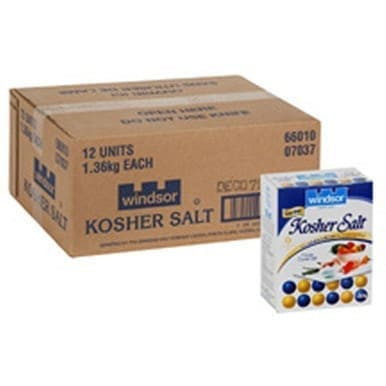
Windsor Coarse Kosher Salt | 1.36KG/Unit, 12 Units/Case
Kosher salt for the blanching water before the ice bath.
Shocking means plunging food straight from boiling water into ice water to stop the cooking instantly. It's most often done with green vegetables after blanching, so they stay bright green and crisp instead of turning soft and dull from leftover heat. Some kitchens call it refreshing.
When blanching foods, why is the food shocked?
Because food keeps cooking from its own heat after it leaves the pot. Shocking stops that carryover cooking right away, which locks in colour, keeps the texture crisp and makes timing predictable. It also cools food quickly, so it can go into the fridge for later service.
What is the difference between blanching and shocking vegetables?
Blanching is the short cook in boiling, salted water, usually 30 seconds to a few minutes. Shocking is the ice-water plunge right after. They're two halves of one technique: blanching cooks and sets the colour, and shocking stops the cooking so the vegetables don't go soft.
How do you shock vegetables after blanching?
Set up a bowl or hotel pan of ice and water before you start, about half and half. Lift the vegetables out of the boiling water with a spider or strainer and plunge them in. Stir until they're cold all the way through, usually as long as they cooked, then drain and dry them.
Do you boil the water first when blanching?
Yes. Bring a large pot of water to a full rolling boil before adding vegetables, and salt it well with something like coarse kosher salt. Lots of water means the temperature drops less when food goes in. Work in small batches so the water returns to a boil quickly.
Is blanching really necessary?
Not always. It's worth doing when you want bright colour, crisp texture, prep you can finish later, or vegetables you plan to freeze, since it stops the enzymes that cause off flavours. If you're roasting vegetables or cooking them through in a stew, you can usually skip it.
How do you serve blanched vegetables hot?
Blanch and shock ahead of time, then reheat to order. Toss them in a hot pan with butter or olive oil for a minute, or dip them briefly in boiling water. Season and serve. That's how restaurant kitchens get bright, crisp vegetables on the plate in under two minutes during service.
What vegetables are good for blanching?
Green vegetables benefit most: green beans, asparagus, broccoli, snap and snow peas, Brussels sprouts and leafy greens like spinach or kale. Carrots, cauliflower and corn also blanch well before freezing. Tomatoes and peaches get a quick blanch so their skins slip off easily.
What are the drawbacks of blanching vegetables?
Some water-soluble vitamins, like vitamin C and some B vitamins, leach into the water, and overdone blanching makes vegetables soft. It also takes extra time, water, ice and space. Keeping the blanch short and the batches small limits the nutrient and texture losses.
Can you just run vegetables under cold tap water instead of shocking?
You can, but it works poorly. Tap water isn't cold enough to stop cooking fast, so vegetables, especially thick ones, keep softening and lose colour. An ice bath brings the temperature down quickly. If you have no ice, spread the vegetables out on a tray to cool faster.
Why Partner With ChickenPieces
Canadian foodservice supplies for prep kitchens: salts, dressings, and oils for blanched-and-shocked vegetables. Chicken Pieces is a Calgary foodservice and hospitality supply company founded in 2018. We supply pantry ingredients and kitchen supplies for this work. We are not a poultry or meat distributor.
Local Calgary Support
Based in Calgary, we understand regional operator needs and ship Canada-wide.
Wide Product Range
Source pantry ingredients, seasonings, disposables, janitorial, bar, and hospitality supplies from one supplier.
No Membership Needed
Order what your kitchen needs with no minimum order quantity and no forced membership model.
Food Safe Focus
Chicken Pieces is a Calgary foodservice and hospitality supply company founded in 2018, not a poultry or meat distributor. We write for operators working under CFIA- and Health Canada-aware food-safety plans.