

What Is a Gastrique? A Guide for Professional Kitchen Teams

2026 Oct 10th

What Is a Gastrique? A Guide for Professional Kitchen Teams

Canadian-Owned No MOQ Ships Canada-Wide Calgary Warehouse Food Safe Focus
Commercial Kitchen Method
AK

Amani Khehra

Chicken Pieces · Calgary, AB

What Is a Gastrique?

What a gastrique is, how to make one safely on a commercial line, how it differs from a reduction and a deglaze, and the sugars and vinegars for the job.

Quick Answer

A gastrique is a classical sweet-and-sour sauce base: sugar cooked to a caramel, then deglazed with vinegar (sometimes with fruit juice or wine) and reduced to a syrup. Kitchens use a spoonful to balance and brighten a finished sauce, or use it as a glaze or drizzle. It adds flavour, not thickness.

At a Glance

Key Takeaways

Sugar, then vinegar

Caramelize the sugar first, then add vinegar and cook it down.

Sweet-sour balance

A gastrique brightens rich or savoury sauces with sweetness and acidity.

A flavour base, not a thickener

Unlike a roux or slurry, it does not add body to a sauce.

Vinegar into caramel spits

Add vinegar off the direct flame, pour slowly, and keep hands and face clear.

Reduce to nappé

Cook it down until the syrup lightly coats the back of a spoon.

Batch it ahead

Cool, label, and refrigerate so the line can finish sauces fast.

Definition

What a gastrique is

A gastrique starts with sugar cooked to a light amber caramel. Vinegar goes in to stop the caramel and dissolve it, sometimes with fruit juice, zest, or wine for flavour. The mix is then reduced to a light syrup.

Kitchens use it to add sweet-sour brightness to a finished sauce, to build fruit sauces such as orange, cherry, or berry, and as a glaze or drizzle for roasted vegetables. It is a flavour base. Body in a sauce comes from techniques like roux or a reduction.
Method

How to make a gastrique step by step

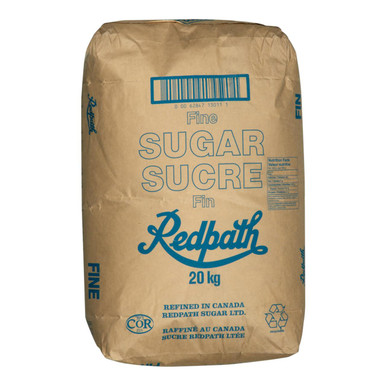
  1. Caramelize the sugar. Cook sugar in a clean, heavy sauce pan, dry or with a little water, until it turns light amber.
  2. Add vinegar carefully. Pull the pan back from the flame and pour vinegar in slowly. It will steam and sputter hard. Use a long whisk or spoon.
  3. Whisk smooth. Keep whisking until any hardened caramel melts back in.
  4. Flavour and reduce. Add optional fruit juice, zest, or wine, then reduce until the syrup coats the back of a spoon (nappé).
  5. Use or hold. Use a spoonful to finish and balance a sauce, or cool it to use as a glaze or drizzle.
  6. Label and store. Transfer to a labelled container with name, batch, and date, and refrigerate if batching.
Field tip: Caramel is extremely hot. Add vinegar off the direct flame, pour slowly, and never lean over the pan.
Clarity

What a gastrique is not

  • Not just a reduction. A reduction simply simmers a liquid down. A gastrique starts with caramelized sugar plus vinegar.
  • Not a fond deglaze. Deglazing lifts browned bits from a pan. A gastrique deglazes caramel with vinegar to make a sweet-sour base.
  • Not a thickener. Unlike a roux or a slurry, a gastrique adds flavour balance, not body.
  • Not tied to one protein. It is a sauce technique for any station, including fruit sauces, roasted vegetables, salads, and glazes.
On the Line

Where kitchens use a gastrique

  • Balancing rich or savoury sauces with sweet-sour brightness
  • Fruit sauces such as orange, cherry, or berry, and pan-sauce finishes
  • Glazing or drizzling roasted vegetables and plated items
  • Banquet and catering: batch it ahead, label it, and finish sauces quickly at service
Comparison

Gastrique vs reduction vs deglaze

FactorGastriqueReductionDeglaze
Starts withCaramelized sugarA flavourful liquidA hot pan with fond
Liquid addedVinegar, sometimes juice or wineNone, it is the liquidStock, wine, vinegar, or water
Main resultSweet-sour syrupConcentrated, thicker liquidPan sauce base
Thickens a sauce?No, it balances flavourAdds body as it concentratesNot on its own

A gastrique uses deglazing and reducing as steps, but its job is sweet-sour balance.

Shop the Range

Sugar and vinegars for gastrique

Gordon Choice GFS Red Wine Vinegar Bulk Food Service| 5L/Unit

Red wine vinegar for fruit and pan-sauce gastriques.

Gordon Choice GFS Pure Apple Cider Vinegar | 5L/Unit, 2 Units/Case

Apple cider vinegar for a fruity sweet-sour balance.

Gordon Choice GFS White Wine Vinegar | 5L/Unit, 2 Units/Case

White wine vinegar for a clean, bright gastrique.

Browse Sugar & Sweeteners →

FAQ

Frequently asked questions

What is a gastrique?

A gastrique is a classic French sweet-and-sour sauce base: sugar cooked to a caramel, then loosened with vinegar and reduced to a light syrup. Cooks often add fruit, stock or wine to it. It's used to balance rich dishes with acidity and a little sweetness. You need just two pantry staples: sugar and vinegar.

What is gastrique sauce?

It's a sauce built on a gastrique: the caramel-and-vinegar base is finished with stock, fruit purée or juice and reduced until glossy. Fruit versions with orange, cherry or berries are the most common. The result is a bright sweet-sour sauce that cuts through rich, fatty dishes.

How is gastrique made?

Cook sugar, dry or with a splash of water, until it turns amber. Take the pan off the heat and carefully add vinegar, because it will spit and steam. Return it to the heat, stir until the hardened caramel dissolves, then simmer to a light syrup. Add fruit or stock at this point if the recipe calls for it.

Gastrique vs agrodolce: what's the difference?

Both are sweet-and-sour. A gastrique is the French version, built on caramelised sugar and vinegar and usually strained into a smooth sauce. Agrodolce is Italian and often keeps whole ingredients like onions, raisins or vegetables cooked in the sugar and vinegar. Flavour-wise they're close cousins.

Gastrique vs reduction: what's the difference?

A reduction is any liquid simmered down to concentrate flavour and thicken it. A gastrique is a specific sauce base that starts with caramelised sugar and vinegar. You do reduce a gastrique, but a plain reduction has no caramel step and doesn't need sugar or vinegar at all.

Which vinegar is best for gastrique?

Red wine, sherry, apple cider and balsamic vinegar all work. Pick one that suits the dish: cider with apple and stone-fruit dishes, red wine with berries, balsamic for a darker, rounder flavour. Plain white vinegar is harsher. A 5 L jug of apple cider vinegar covers a busy station.

Is gastrique served hot or cold?

Usually warm, spooned over or around the plate just before service, when it's glossy and pourable. It thickens as it cools and can set firm in the fridge. Rewarm it gently with a splash of water or vinegar to loosen it. Some kitchens serve it at room temperature as a drizzle.

How long does gastrique last in the fridge?

Because it's mostly sugar and vinegar, gastrique keeps well when it's cooled quickly, covered and refrigerated. Versions with fruit or stock don't last as long as plain ones. Label each batch with the date, follow your kitchen's holding policy, and rewarm only what you need for service.

Why add gastrique to tomato sauce?

A little gastrique balances the acidity of tomatoes and rounds out the flavour, similar to adding a pinch of sugar but with more depth from the caramel and vinegar. It's useful when tomatoes are sharp or flat. Add a small amount, taste, and adjust before adding more.

Why Partner With ChickenPieces

Canadian foodservice supplies for sauce stations: sugars, vinegars, and pantry ingredients. Chicken Pieces is a Calgary foodservice and hospitality supply company founded in 2018. We supply pantry ingredients and kitchen supplies for this work. We are not a poultry or meat distributor.

Local Calgary Support

Based in Calgary, we understand regional operator needs and ship Canada-wide.

Wide Product Range

Source pantry ingredients, seasonings, disposables, janitorial, bar, and hospitality supplies from one supplier.

No Membership Needed

Order what your kitchen needs with no minimum order quantity and no forced membership model.

Food Safe Focus

Chicken Pieces is a Calgary foodservice and hospitality supply company founded in 2018, not a poultry or meat distributor. We write for operators working under CFIA- and Health Canada-aware food-safety plans.

Request Your Custom Quote Today

Call 1-833-462-8550 or shop chickenpieces.com.

Request a Quote

References: Health Canada - Food Chemical Contaminants CFIA - Food Safety for Industry.