
 US Dollar (USD)

2026 Jul 19th
Switch from Styrofoam to Compliant Paper Supply Options in
Several US states ban expanded polystyrene food containers by 2026. You must switch to paper or biodegradable alternatives to avoid fines. Our chart shows direct swaps for common items. We supply bulk quantities for easy transitions.
Switch from Styrofoam to Compliant Paper Supply Options in
Facility operators must prepare for upcoming state regulations banning expanded polystyrene containers. We provide the necessary paper alternatives to ensure you meet all local legal requirements without disruption.
Key Takeaways
Review these key points before updating your supply chain.
Understand State Deadlines
Check your specific state regulations. Some bans start earlier than others. Knowing the exact date helps you plan inventory changes without running out of essential service items for your guests.
Identify Direct Swaps
Match old styrofoam sizes to new paper options. This keeps portion controls consistent. Staff do not need retraining on serving methods. The transition is smoother when physical dimensions remain similar.
Verify Material Composition
Ensure new containers use approved materials. Paper and certified biodegradable plastics are safe choices. Avoid unverified compostable claims that might not meet local waste processing standards in your area.
Calculate Bulk Needs
Estimate usage rates for the transition period. Order extra stock to cover potential shipping delays. Having a buffer ensures you never run dry during the switch from polystyrene to paper products.
Train Staff Early
Inform teams about new container types. Explain any handling differences like heat resistance or stacking limits. Clear communication prevents errors and maintains service quality during the operational change period.
Monitor Waste Streams
Update recycling guidelines for your facility. Paper containers often go to different waste streams than plastic. Proper disposal education helps maintain environmental compliance and keeps your workspace clean and organized.
Understanding the Regulatory Shift in Packaging Materials
States are moving quickly to ban expanded polystyrene due to environmental concerns.
Regulatory bodies across the United States are actively phasing out expanded polystyrene containers. This material does not break down easily in landfills. It contributes significantly to long-term environmental pollution. Many states have set firm deadlines for complete removal from commercial kitchens and service areas by 2026.
The FDA Food Code provides general safety guidelines but defers to state authorities for specific material bans. You must follow the strictest regulation in your operating area. Ignorance of local laws does not excuse non-compliance. Fines can be steep for repeated violations found during routine health inspections.
Transitioning now avoids last-minute rushes. Supply chains may tighten as demand for paper alternatives spikes near deadlines. Early adoption allows you to test product performance. It ensures your chosen replacements meet your specific operational needs before the legal cut-off date arrives.
Why Polystyrene Containers Are Being Phased Out Rapidly
Environmental persistence and waste management issues drive these legislative changes.
Expanded polystyrene is lightweight but extremely durable in nature. It can persist in the environment for hundreds of years. This longevity creates significant challenges for waste management facilities. Many recycling centers cannot process it efficiently, leading to higher landfill volumes and increased disposal costs.
The material breaks into small pieces when exposed to wind or water. These fragments are difficult to collect and clean up. They pose risks to wildlife that may ingest them. Public pressure has mounted on governments to find safer, more sustainable packaging alternatives for everyday use.
Commercial operators face increasing scrutiny over their environmental footprint. Guests prefer businesses that demonstrate responsible waste practices. Using banned materials can harm your brand reputation. Switching to compliant options shows commitment to sustainability and regulatory adherence.
Paper-Based Alternatives Offer Reliable Performance Now
Modern paper containers provide strength, heat resistance, and compliance.
Paper containers have evolved significantly in recent years. They now offer comparable durability to their polystyrene predecessors. Many feature internal linings that resist grease and moisture effectively. This ensures food quality remains high throughout the serving period without compromising structural integrity.
Kraft paper products are widely accepted as compliant substitutes. They are recyclable in many municipal programs and biodegradable under proper conditions. This aligns with sustainability goals while meeting legal requirements. You can maintain service standards while reducing your environmental impact substantially.
Availability is consistent from major suppliers like Dart Container. These brands produce high-volume orders reliably. You will not face stock shortages as you transition. Their established distribution networks ensure timely delivery to your facility, keeping your operations running smoothly throughout the change.
Key State Deadlines Require Immediate Attention Planning
Several states have set 2026 as a critical compliance milestone.
New York enacted legislation banning polystyrene foodware across the state. The phase-out timeline requires complete removal by specific dates in 2025 and 2026. Operators must audit their current inventory immediately. Any remaining stock must be used up or disposed of properly before these dates.
Washington state has similar strict regulations in place. Local jurisdictions may have additional requirements beyond state law. It is vital to check city-specific ordinances. Non-compliance can result in significant penalties that impact your bottom line and operational continuity.
Managing Inventory Transitions Without Service Disruption
Plan carefully to avoid running out of essential service items.
Sudden switches can cause temporary shortages or confusion. Plan your inventory transition months ahead of deadlines. Order test quantities to evaluate product performance with your specific food items and service style. This prevents unexpected issues like leakage or structural failure during peak hours.
Staff training is essential for a smooth change. Explain how new containers differ in handling, stacking, and heating properties. Ensure everyone understands the reasons behind the switch. Engaged staff help maintain service quality and reduce waste associated with improper use of new materials.
Update your procurement schedules to reflect new lead times. Some paper products may have different shipping constraints than polystyrene. Coordinate closely with your supplier to align deliveries with your usage rates. This minimizes storage needs while preventing stockouts during the critical transition period.
Staying Ahead of Evolving Packaging Regulations Nationally
Proactive compliance protects your business from future legislative changes.
Regulatory landscapes continue to shift toward sustainability. More states will likely follow early adopters in banning polystyrene. By transitioning now, you position your business favorably. You avoid the rush and potential supply constraints when mandates become widespread across the country.
Investing in versatile packaging solutions offers long-term benefits. Paper containers work for various food types and service styles. They adapt easily to changing menu offerings or service models. This flexibility reduces the need for frequent product changes as regulations evolve further.
Building relationships with reliable suppliers ensures continuity. Suppliers like ChickenPieces stay updated on regulatory changes. They proactively recommend compliant alternatives before they become mandatory. This partnership approach helps you maintain compliance effortlessly while focusing on core business operations and guest satisfaction.
Compliant Container Swap Comparison Chart
Use this chart to match your old polystyrene items with direct paper alternatives.
| Item Type | Old Material | New Alternative | Key Benefit |
|---|---|---|---|
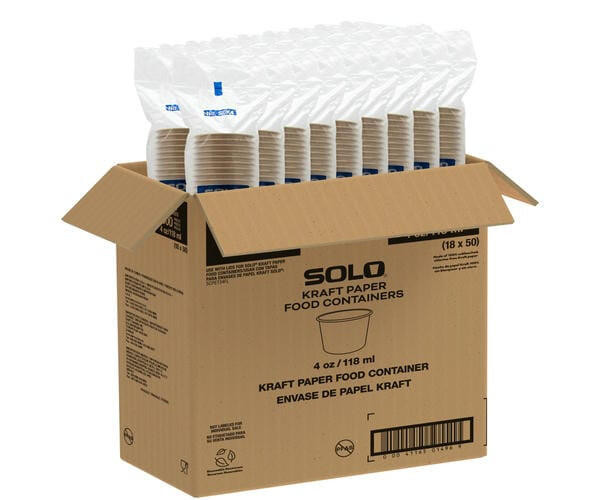
| Small Sauce Cup | Polystyrene 4oz | Poly-lined Paper 4oz | Leak resistant |
| Medium Drink Cup | Polystyrene 8oz | Poly-lined Paper 8oz | Heat safe |
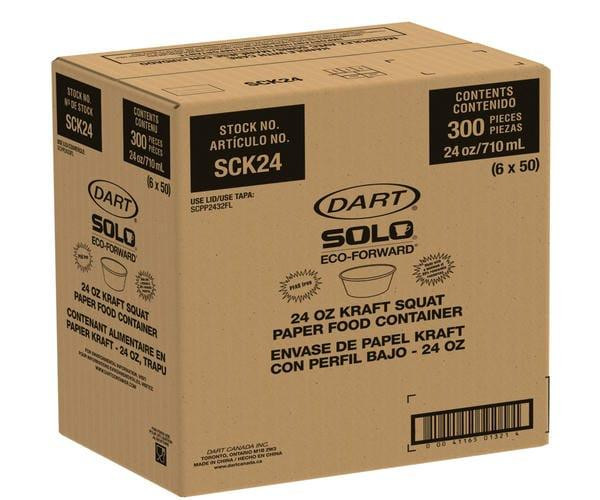
| Large Round Bowl | Polystyrene 24oz | Kraft Paper 24oz | Recyclable fiber |
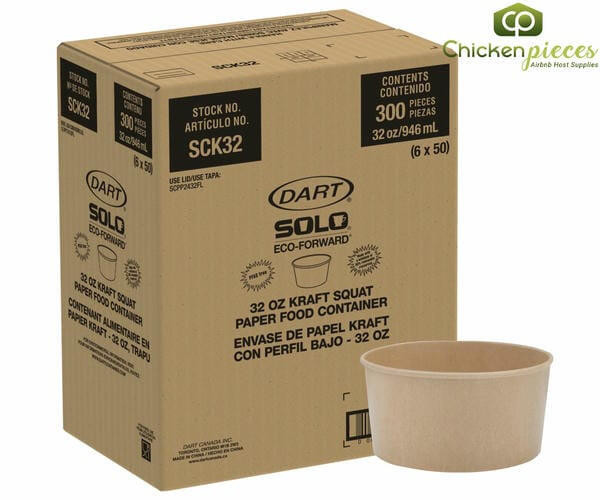
| Extra Large Bowl | Polystyrene 32oz | Poly-lined Kraft 32oz | Sturdy walls |
| French Fry Box | Polystyrene Tray | Paper Fry Box 5oz | Grease resistant |
| Compartments Meal Box | Polystyrene Comp | Biodegradable Paper 1Comp | Compostable option |
| Standard Takeout Box | Polystyrene Clam | White Paper 10oz | Clean look |
Browse Compliant Bulk Supplies
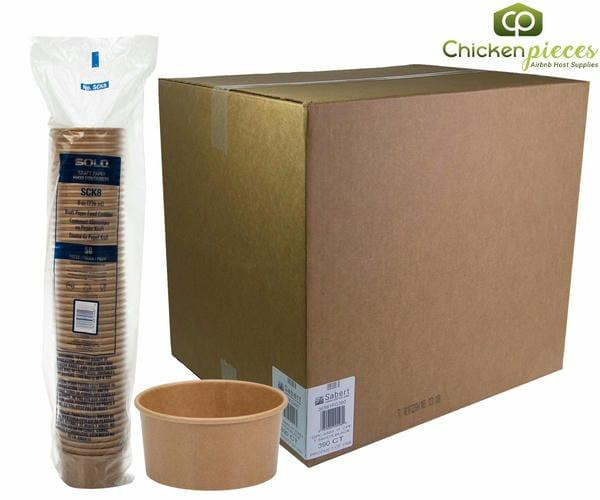
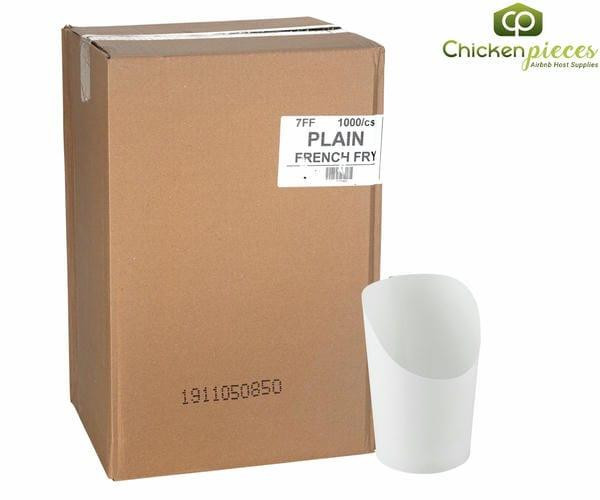
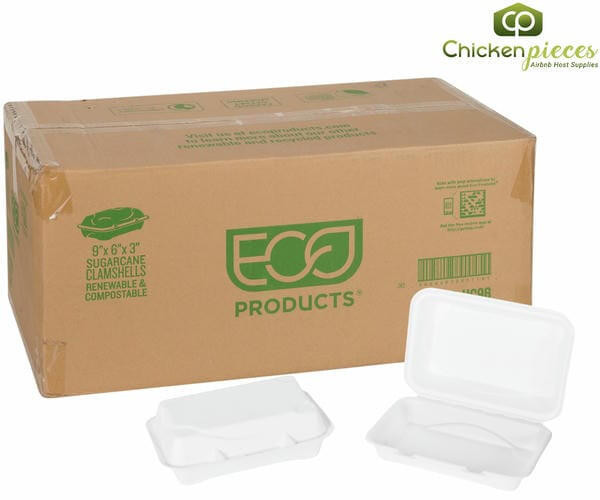
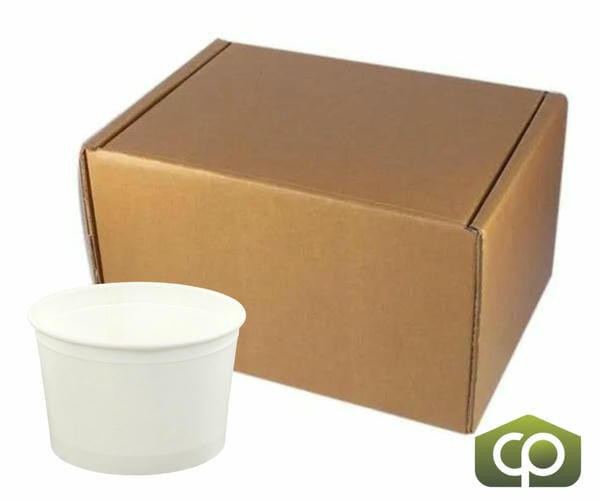
We offer a wide range of paper and biodegradable containers for every need.

What Canadian facility managers say
See what other operators say about our transition support.
We switched all our takeout boxes to these paper options last month. The quality is surprisingly strong, even with hot soups. Our guests noticed the change and commented positively on the eco-friendly move. Highly recommended for easy compliance.
The poly-lined cups handle our coffee service perfectly without leaking. Stacking is stable and they fit our existing lids. I was worried about the transition, but this supplier made it incredibly simple with clear product specs and fast delivery.
We needed a quick swap for our fry containers before the state deadline. These paper boxes are grease-resistant and look much cleaner than old foam. Staff adapted quickly, and we avoided any fines. Great customer service throughout the process.
Compliance Questions: Frequently Asked Questions
When do most state bans take full effect?
Many states target 2026 for complete removal of polystyrene food containers. However, some jurisdictions like New York and California have earlier phased deadlines. Always verify your specific local laws to ensure you meet the earliest applicable requirement.
Can I still use old stock after the ban date?
No, once the ban is in effect, using polystyrene containers for food service is illegal. You must dispose of remaining stock properly before the deadline. Using banned items can result in fines during health inspections or other regulatory checks.
Are paper containers really just as strong?
Modern paper containers, especially poly-lined ones, offer excellent strength and heat resistance. They are designed to handle hot liquids and greasy foods without leaking. Many operators find them comparable or superior to polystyrene in daily use scenarios.
Do these replacements fit my existing lids?
Most standard sizes like 16oz paper containers have compatible plastic lids available. We stock matching lids for popular Dart and Econo brands. Check the product specifications to ensure dimensional compatibility with your current sealing equipment.
Is biodegradable packaging accepted in all recycling?
Biodegradable items often require specific composting facilities, not standard recycling bins. Check your local waste management guidelines. Some paper products are recyclable, while others are compostable. Proper disposal education for staff is essential for compliance.
How far in advance should I order?
Order at least three to six months before your deadline. This buffer accounts for shipping delays and allows time for staff training. It also ensures you have sufficient stock if supply chains tighten due to increased demand from other businesses.
Can I mix paper and plastic during transition?
Yes, as long as no polystyrene is used after the ban date. You can phase in paper containers gradually while finishing existing non-banned stock. Just ensure all new purchases comply with current regulations to avoid any legal issues.
What defines a compliant container material?
Compliant materials typically include unlined paper, poly-lined paper, and certified biodegradable plastics. Expanded polystyrene is banned. Always check product descriptions for compliance statements or material composition details to verify they meet local standards.
Do bulk orders get better terms?
Yes, wholesale pricing applies to larger case quantities. Buying in bulk reduces per-unit costs and minimizes ordering frequency. Contact us for custom quotes on large volume needs to ensure you get the best value for your facility's specific requirements.
How do you calculate shipping on bulk orders?
We calculate shipping on live carrier rates at checkout, not on flat or subsidized tiers. Every order is priced against real LTL, parcel, or pallet-freight quotes from our Calgary warehouse to your dock. That means you never absorb hidden shipping costs into product margins — what we charge is what the carrier charges us, plus a small handling pass-through. For bulk and pallet orders this typically runs 15–25% lower than competitors who bake shipping into their unit prices, because the rate is transparent and tied to the actual shipment weight and distance.
Related guides from ChickenPieces
Why Choose Our Supply Partner
We provide reliable, compliant products with expert support for operators.
Fast Shipping
Our logistics network ensures quick delivery across the US and Canada. You receive orders on time, preventing stockouts. Reliable shipping keeps your operations running smoothly without unexpected delays or disruptions to service.
Bulk Pricing
We offer competitive wholesale rates on large case quantities. Save more by buying in bulk. Our pricing structure helps you manage costs effectively while maintaining high-quality standards for all your facility supply needs.
Expert Support
Our team understands regulatory changes and product specs. We guide you through transitions with clear advice. Get answers to compliance questions quickly. We help you select the right items for your specific operational requirements.
FDA Compliance
All products meet FDA food-contact safety standards. We verify material compliance for peace of mind. You can count on that your supplies are safe for serving guests. This rigorous checking protects your business from liability and health code violations.
Sources & further reading
- Phase-out of polystyrene foam — Wikipedia
- California Local Polystyrene Ordinances — Californians Against Waste
Request Your Custom Quote Today
Contact our team for a tailored supply plan. We help you transition smoothly to compliant materials with bulk pricing options.
Request a QuoteAuthoritative Sources
The following government and public-health sources informed the operator guidance above. Citations to Reddit, Quora, and operator forums appear in the FAQ block above.