

2024 Feb 19th
From Kitchen To Table in Canada: 2026 Wholesale Buyer Guide
Information only, not medical advice. General purchasing information for care-setting operators — not clinical guidance. Formula choices for residents must be set by qualified clinical staff. Full disclaimer at the end.
Diabetes-specific nutrition formulas (DSNFs) — the category that includes brands like Glucerna — are built with lower glycemic indices and modified carbohydrate blends so residents with diabetes can get calories and protein without the blood-sugar spike of a standard shake. Research in malnourished older adults with type 2 diabetes suggests a diabetes-specific formula can raise energy intake while maintaining glucose control, and studies report better glycemic control than standard formulas. But in frail, older residents the bigger risk is often under-nutrition and low blood sugar, not high readings — which is why glycemic targets are commonly relaxed with age and frailty. For a care home, the buying decision is matching a dietitian-approved formula to your residents, then sourcing it affordably in bulk. ChickenPieces.com supplies bulk nutrition products Canada-wide from Calgary, no membership.
Key takeaways
Diabetes-specific nutrition formulas use low-glycemic, modified-carbohydrate blends designed for people with type 2 diabetes.
Evidence: in malnourished older adults with type 2 diabetes, a diabetes-specific formula raised energy intake while maintaining glucose control, and DSNFs have shown better glycemic control than standard formulas.
In frail older residents, guidelines commonly favour more relaxed glycemic targets (e.g. A1C under about 8.5%) to avoid the harms of over-treatment and low blood sugar — a clinical call, not a kitchen one.
Glucerna is a well-known diabetes-specific meal-replacement brand sold in Canada; a useful benchmark, not the only option.
For institutions the real levers are dietitian approval, resident acceptance (flavour/texture), format (RTD vs powder), and cost per serving at case volume.
Texture may need to match a resident's IDDSI level if they have swallowing difficulty (dysphagia).
What makes a shake "diabetes-specific"?
A standard nutrition shake is built to deliver calories and protein quickly, which often means a carbohydrate load that can push blood glucose up. Diabetes-specific nutrition formulas (DSNFs) are engineered differently: they consist of macro- and micronutrient blends chosen to manage malnutrition and dysglycemia together, typically with a lower glycemic index, slower-digesting carbohydrates, added fibre and a favourable fat profile. The goal is to let a resident who isn't eating enough top up calories and protein without the sharp post-meal glucose rise a regular shake can cause. That's the whole reason the category exists — and why care homes serving residents with diabetes often keep a DSNF on the menu alongside standard formulas rather than defaulting every resident to one product.
What the evidence says
The clinical picture is genuinely supportive, with the usual caveats. In malnourished older adults with type 2 diabetes, oral nutrition with a hypercaloric diabetes-specific formula has been shown to increase energy intake while maintaining glucose control and improving nutritional parameters — and one analysis associated its use with reduced health-care resource use, including fewer hospital admissions. More broadly, specialized diabetes formulas have provided better glycemic control than standard formulas in several studies. Diabetes Canada's nutrition guidance also notes that incorporating meal replacements (replacing one or two meals a day) can be beneficial within structured diabetes weight-management programs. The consistent theme: for the right resident, a diabetes-specific formula helps you feed them adequately while keeping glucose steadier — but "the right resident" is a clinical judgment your dietitian makes, not a blanket rule.
The frailty nuance: sometimes the risk is the opposite
Here's a point that often surprises buyers and shapes the whole conversation. In healthy or younger adults with type 2 diabetes, the concern is keeping blood sugar down. But in frail, older residents — the population many retirement and long-term-care homes actually serve — the dominant risks frequently flip: under-nutrition, unintentional weight loss and low blood sugar (hypoglycemia) from over-treatment become the bigger dangers. That's why clinical guidelines commonly recommend more relaxed glycemic targets as people age and become frail, often an A1C under roughly 8.5% (rather than the tighter 7.0–7.5% used for healthier adults), and why some residents have their diabetes medications carefully reduced ("deprescribing") to avoid dangerous lows. The purchasing implication is important: for a frail resident who is losing weight, getting enough calories and protein in may matter more than choosing the lowest-carbohydrate shake on the shelf. A standard high-calorie formula might be the right clinical choice for one resident, and a diabetes-specific one for another. This is exactly why the dietitian — not the catalogue — decides per resident.
The Glucerna comparison: brand vs bulk
Glucerna (from Abbott) is the diabetes-specific meal-replacement brand most families and staff recognise, and it's sold in Canada. For a care-home buyer it's a helpful benchmark for what a DSNF should do — but it isn't the only way to meet the need. Here's how the branded-RTD approach stacks up against bulk and powdered options at an institutional scale. The right mix depends on your residents, your dietitian's approvals and your budget — many facilities run a branded DSNF for residents who need a defined diabetes formula and use bulk protein/fortification for general high-protein needs.
| Consideration | Branded diabetes-specific RTD (e.g. Glucerna) | Bulk / powdered nutrition options |
|---|---|---|
| Glycemic design | Formulated as a diabetes-specific, lower-GI formula | Varies by product — check the label; not all are diabetes-specific |
| Convenience | Ready to serve, portion-controlled, consistent | Requires mixing/prep; more kitchen labour |
| Flexibility | Fixed formula and flavours | Fortify familiar foods; adjust to resident preference |
| Cost per serving at volume | Typically higher per unit | Often lower per gram of protein/calorie |
| Texture options | Fixed; verify it meets any required IDDSI level | Can be prepared to a required consistency |
| Best role | Residents needing a defined diabetes formula | General high-protein fortification and cost control |
A general comparison of product types, not a claim about any specific product's nutrition facts. Always verify a formula's carbohydrate, fibre and glycemic profile on its current label and confirm suitability with your dietitian.
Texture matters too: dysphagia and IDDSI
Swallowing difficulty (dysphagia) is common among older residents, and it changes what "the right shake" means. For a resident assessed as needing thickened fluids, a thin ready-to-drink shake may be unsafe regardless of how good its glycemic profile is. Care settings use the IDDSI framework to standardise drink thickness (from thin through slightly, mildly, moderately and extremely thick). When you're building a formulary, factor in texture from the start: confirm whether a product is available pre-thickened, or whether your kitchen will thicken it to the resident's prescribed level with a commercial thickener. The prescribed level is set by a speech-language pathologist; procurement's job is to make sure the approved products can actually be served safely at that consistency.
Buying for a care home: what actually matters
At institutional scale, a handful of levers decide value. First, dietitian approval — your registered dietitian signs off which formulas fit your resident mix, their glycemic targets and your provincial care standards; nothing goes on the menu without that, and as the frailty section shows, the "right" product genuinely varies resident to resident. Second, resident acceptance — taste, texture and variety, because an unfinished shake helps no one and quietly inflates waste. Third, format — ready-to-drink for reliability and infection-control simplicity, powder for cost and kitchen fortification, or a mix. Fourth, cost per serving at case volume — the number that protects your food budget when a product is served daily across many residents; compare it on a per-serving or per-gram-of-protein basis rather than by list price. Bulk sourcing without a membership lets you trial and scale without locking into a distributor minimum before you know what your residents will accept.
How it works in Canada
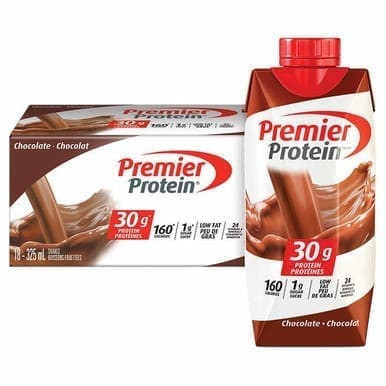
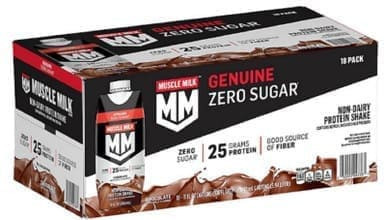
ChickenPieces.com supplies bulk nutrition products and ships Canada-wide from our Calgary distribution hub — no membership, no distributor contract — which suits retirement homes and care settings that want to trial formats and scale a case order without red tape. Browse the medical food & drinks range, compare bulk whey protein and plant-based pea protein for general fortification, and stock kitchen staples from the grocery category. For residents arriving from hospital, our guide to nutrition drinks after hospital discharge covers the same protein-first approach.
Stock up at ChickenPieces.com

What Canadian operators say
"ChickenPieces shipped to our Calgary cafe inside 48 hours — pricing beat our previous supplier on the bulk shortening line. Already reordered."
CP Buying Desk — Alberta · Alberta (Calgary)
"Switched our Mississauga commissary to CP for syrups and cleaners. Spec sheets arrive with the order, no chasing. Solid for GTA foodservice."
Giselle R. — Ontario · Ontario (Toronto)
"Vancouver hotel pantry switched to CP bubble-tea and concession supplies. No membership, transparent pricing, Canada-wide delivery worked for us."
Front-of-house buyer — BC · British Columbia (Vancouver)
Shop the products

Frequently Asked Questions
The following operator questions are answered with cited sources. Every FAQ links to Health Canada, CFIA, Canada.ca, or another authoritative regulator.
Is Glucerna actually better than a generic diabetic-friendly shake like Walmart Equate?
Products referenced:
- Medical Food Drinks
- Whey Protein Powder, Unflavored, Bulk Size 22 lb / 9.98 kg
- Pea Protein Powder, Bulk Size 25 lb / 11.34 kg
Source: Glucerna vs Walmart Equate brand of 'diabetic friendly' shakes — r/diabetes
Do diabetes-specific formulas (DSNFs) really help control blood sugar, or is the marketing just better than the science?
Products referenced:
- Medical Food Drinks
- Pea Protein Powder, Bulk Size 25 lb / 11.34 kg
- Whey Protein Powder, Unflavored, Bulk Size 22 lb / 9.98 kg
Does every diabetic resident in a care home actually need a diabetes-specific formula?
Products referenced:
- Medical Food Drinks
- Whey Protein Powder, Unflavored, Bulk Size 22 lb / 9.98 kg
- Pea Protein Powder, Bulk Size 25 lb / 11.34 kg
Source: Thoughts on patients having Glucerna 1.2/1.5 for long-term feeds — r/nutritionsupport
Should I use a ready-to-drink (RTD) diabetes shake or mix a powdered formula at a care home?
Products referenced:
- Medical Food Drinks
- Whey Protein Powder, Unflavored, Bulk Size 22 lb / 9.98 kg
- Pea Protein Powder, Bulk Size 25 lb / 11.34 kg
Source: Glucerna vs. Ensure: Differences and Nutrition — Everyday Health
How do Glucerna and Ensure actually compare on calories, protein, carbs and fiber?
Products referenced:
- Medical Food Drinks
- Whey Protein Powder, Unflavored, Bulk Size 22 lb / 9.98 kg
- Pea Protein Powder, Bulk Size 25 lb / 11.34 kg
Source: Does Glucerna Work for Diabetes? Nutrition and Risks — Healthline
Is Glucerna worth the price compared to cheaper meal replacements like Boost or Equate?
Products referenced:
- Medical Food Drinks
- Whey Protein Powder, Unflavored, Bulk Size 22 lb / 9.98 kg
- Pea Protein Powder, Bulk Size 25 lb / 11.34 kg
What glycemic target should a frail elderly resident in long-term care actually have?
Products referenced:
- Medical Food Drinks
- Whey Protein Powder, Unflavored, Bulk Size 22 lb / 9.98 kg
- Pea Protein Powder, Bulk Size 25 lb / 11.34 kg
How do I handle diabetic shakes for residents with dysphagia or swallowing difficulty?
Products referenced:
- Medical Food Drinks
- Whey Protein Powder, Unflavored, Bulk Size 22 lb / 9.98 kg
- Pea Protein Powder, Bulk Size 25 lb / 11.34 kg
Source: High-Protein Fortified Shake (Thickened) — IDDSI Level 1–2 Recipe
Can a Canadian care home buy diabetic nutrition shakes in bulk without a distributor contract?
Products referenced:
- Medical Food Drinks
- Whey Protein Powder, Unflavored, Bulk Size 22 lb / 9.98 kg
- Pea Protein Powder, Bulk Size 25 lb / 11.34 kg
Source: Where can care homes buy nutrition shakes in bulk? — Quora answers
References: Health Canada - Food Chemical Contaminants CFIA - Food Safety for Industry.