
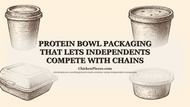
2026 Aug 16th
Protein Bowl Packaging That Lets Independents Compete with
Independents can match chain protein bowl presentation with bagasse or polypropylene containers, vented lids that manage steam, and portion-controlled sauce cups. The right setup protects food quality from assembly through delivery and guest reheat.
Protein Bowl Packaging That Lets Independents Compete with Chains
Calgary operators serving high-protein meals need container systems that keep portions intact through delivery and reheat cleanly for guests.
Key Takeaways
Six practical points for outfitting your protein bowl operation.
Bagasse beats plastic for wet recipes
Bagasse resists soaking and softening under dressing-heavy bowls, outperforming plastic and paper alternatives that fail mid-meal.
Three sizes match your pricing tiers
1000 ml, 1300 ml, and 1600 ml bagasse bowls let you offer small, standard, and shareable portions with consistent visual value.
Vented lids prevent soggy toppings
Push-in vents release steam so proteins stay warm while greens and fresh vegetables avoid condensation damage.
Clear sides show portion layers
Transparent clamshells and flat lids showcase protein, grain, and sauce layers, improving perceived quality versus opaque foam.
Flat lids stack without crushing
Stackable containers fit three to five bowls per delivery bag, cutting handling time during peak service windows.
Compartmented clamshells stop flavour mixing
Three to four separate sections keep proteins, vegetables, grains, and legumes distinct until guests open at destination.
Pick Materials That Survive Dressing and Reheat
Your container choice determines whether guests get the meal you assembled.
Bagasse containers outperform standard options for protein bowl service because the plant fibre structure resists liquid penetration. Dressing-rich recipes that turn paper bowls to mush and make plastic bowls greasy leave bagasse intact through delivery and reheat. This matters for operators serving grain-heavy bases with saucy proteins where moisture contact lasts thirty minutes or more.
Mineral-filled polypropylene offers a lighter alternative using thirty percent less material than standard PP while keeping heat resistance and rigidity. MFPP suits operations prioritizing lower freight weight and reduced storage bulk. Both materials suit industrial composting or standard recycling streams, eliminating foam disposal costs that scale with volume.
Rectangular and hexagonal bowl shapes stack vertically inside delivery bags, reducing movement and leakage compared to round bowls that roll during transport. This geometry matters for multi-order batches where five or six meals travel together. Flat snug-fit lids with integrated sauce cup holders eliminate dressing spillage during vertical stacking.
Solve Steam and Visibility Problems
Lid design controls condensation, temperature, and customer perception.
Snug-fit transparent lids lock in freshness while preventing condensation buildup that makes greens limp and proteins soggy during delivery. The seal matters more for protein bowls than for standard takeout because the temperature gap between hot grains and cold vegetables creates constant moisture migration. Clear lids also let customers see layered proteins, dressings, and toppings before opening, directly influencing their assessment of portion size and quality versus opaque foam containers that hide contents.
Vented hinged-lid containers with push-in vents manage steam release so proteins stay hot while greens and fresh toppings avoid wilt from trapped condensation. This dual-zone temperature control matches how chains assemble bowls with hot bases and cold finishes. The vent position—typically at the protein end—lets steam escape without cooling the entire contents.
The industry shift toward alternative lid geometries shows in chain redesigns eliminating standard plastic lids for four-flap clamshell designs. Flat lids with integrated sauce cup holders suit operations running assembly-line service where dressing gets added last and must travel separately until delivery. Both approaches reduce plastic content while improving functional performance.
Control Sauces with Precision Cups
Separate sauce containment prevents soggy deliveries and protects margins.
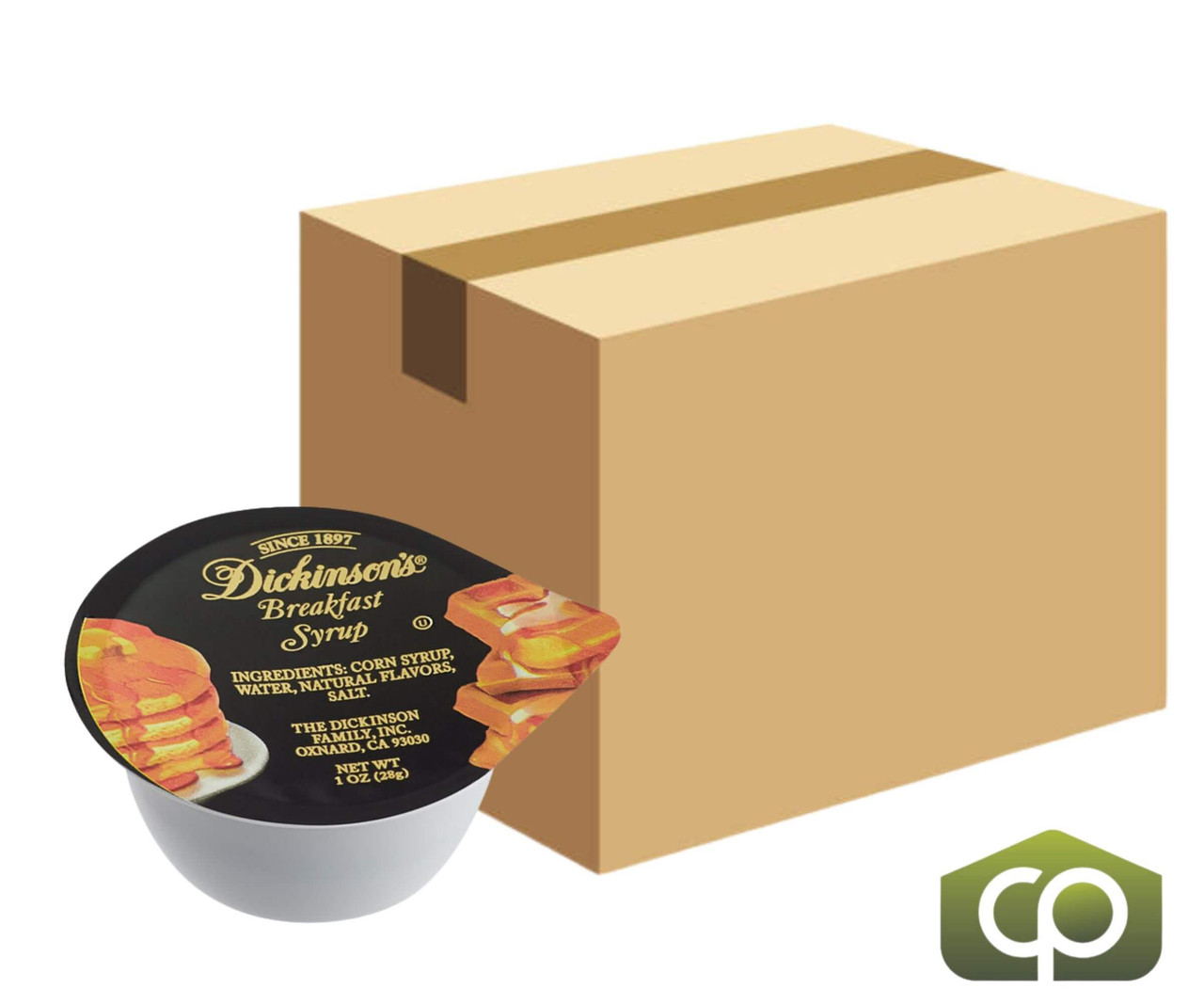
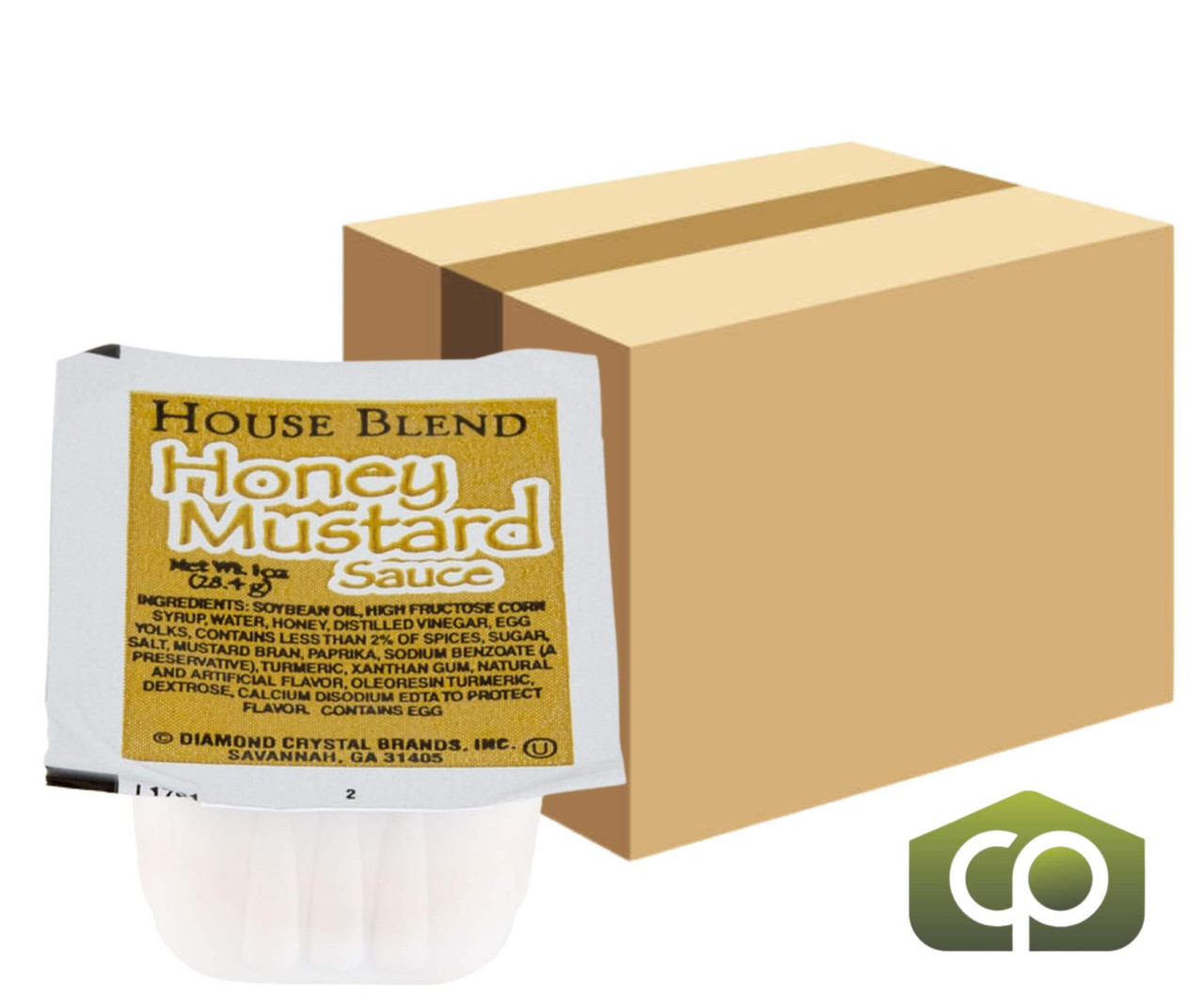
Portion-controlled scoops and spoodles ensure consistent sauce quantity, protecting food cost in the twenty-eight to thirty-five percent margin range typical for protein bowl operations. One-ounce cups suit dressings and thin sauces; two to four ounce cups handle thicker options like creamy garlic or honey mustard. The cup sits in a lid-mounted holder or beside the bowl depending on your container system.
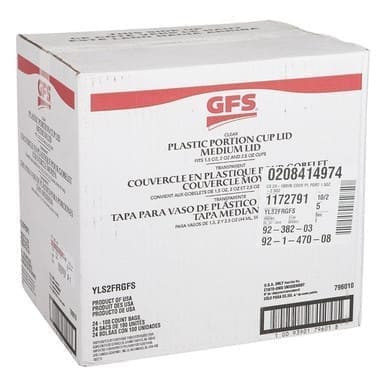
Clear plastic flat lids for portion cups let guests identify sauces before opening and show kitchen consistency in fill level. Gordon Choice lids span half-ounce through four-ounce cup sizes, letting you standardise across multiple sauce viscosities without switching suppliers. Matching lid and cup brands prevents leakage from poor seal geometry that happens with mismatched components.
Bulk sauce packaging like fifty-case pallets suits high-volume operators with proper storage. Heinz creamy garlic at forty-four millilitres per cup and standard honey mustard one-ounce cups cover the two most-requested protein bowl sauces. Pre-staging filled cups in refrigerated trays lets assembly-line staff grab and place without measuring during service.
Keep Components Separate Until Eating
Modular compartments prevent flavour mixing and support dietary customization.
Compartmented clamshells with three to four separate sections prevent cross-flavouring of proteins, vegetables, grains, and legumes until the customer opens at home. This matters for guests following Keto, Whole30, vegan, or gluten-free diets who need to verify ingredient separation before mixing. Chains use this modularity as a visual signal of customization and quality control.
Assembly-line bowl operations reduce build time to ninety seconds per order by pre-staging protein, grains, and sauce in separate compartments. The compartment geometry determines staging container sizes and refrigerator layout. Operators running mixed dietary menus need compartments sized for protein-heavy and grain-free variations without switching container types.
Clear-sided clamshells showcase these separated layers during delivery and unpackaging, extending the Instagram-worthy presentation that drives repeat traffic. The visual hierarchy—protein on top, grains below, vegetables and sauce at sides—matches how chains photograph menu items. Your packaging should reproduce this same layering when the lid comes off.
Design for Bag Stacking and Guest Reheat
Transport and reheat behaviour should inform container selection.
Stackable flat-lid containers fit three to five bowls per delivery bag without crushing, reducing handling time during peak lunch service. The stack height depends on bowl depth, lid profile, and whether sauce cups add protrusion. Rectangular and hexagonal bases create stable vertical towers; round bowls require individual slots or separators that waste bag space.
Bagasse containers withstand heat to 120 degrees Celsius for short microwave heating under five minutes, critical for reheating protein and grain combinations. Guests expect this reheat option for bowls consumed thirty to sixty minutes after pickup. Polypropylene alternatives handle similar temperatures but may warp with repeated heating cycles, affecting reuse for storage.
Delivery bag orientation matters for sauce cup placement. Lid-mounted holders keep cups upright during vertical stacking; side placement risks tipping when bags lean during transport. Test your full system—container, lid, sauce cup, bag, and typical travel time—before committing to case quantities.
Meet Guest Expectations Without Foam Burden
Industrial composting options replace plastic disposal costs with brand alignment.
Bagasse breaks down industrially in ninety to 120 days with zero toxic residue, eliminating foam and plastic disposal costs independents face from chains' volume-driven packaging choices. This timeline requires industrial composting facilities, not backyard bins, so verify regional access before switching entirely. The environmental positioning supports premium pricing tiers where guests expect sustainable packaging.
Mineral-filled polypropylene reduces material use thirty percent versus standard PP, offering a middle path where industrial composting is unavailable. MFPP maintains recyclability in standard polypropylene streams with proper sorting. Both approaches let independents match or exceed chain sustainability claims without absorbing chain-scale disposal volumes.
Marketing your packaging choice on menus and delivery platforms signals alignment with guest values around environmental responsibility. Chains increasingly lead with compostable or reduced-material claims; independents need equivalent or stronger positioning to compete for the same health and sustainability conscious customers.
Protein Bowl Container Options Compared
Match your service model to the container system that performs.
| Container type | Best for | Heat handling | Key limit |
|---|---|---|---|
| Bagasse bowls, 1000-1600 ml | Dressing-heavy, hot reheat | 120°C microwave, under 5 min | Needs industrial composting |
| MFPP clamshells | Lightweight delivery, recycling | Standard hot hold temps | Not microwave reheat safe |
| Clear PP deli containers + flat lids | Cold bowls, visible layers | Cold or room temp service | Will warp with hot contents |
| Vented hinged-lid containers | Hot proteins + cold toppings | Push-in vent controls steam | Vent must be set per order |
| Compartmented clamshells, 3-4 sections | Dietary customization, mixed diets | Varies by material | More complex assembly training |
| Rectangular/hexagonal bowls | Multi-order delivery batches | Matches base material specs | Fewer lid options than round |
| Flat lids with sauce cup holders | Dressing on side, vertical stacking | N/A—lids only | Requires matched cup size |
Containers, Lids, and Portion Cups
Everything needed to assemble, seal, and sauce protein bowls for delivery and guest reheat.





What Canadian property operators say
What Alberta and Ontario operators say about switching to purpose-built bowl packaging.
We switched from foam to bagasse bowls for our Airbnb guest breakfasts. No more soggy kale complaints, and guests actually photograph the layered presentation now.
The vented lids changed our lunch delivery game. Proteins arrive hot, cucumber stays crisp, and we stopped getting refund requests for wilted bowls.
Portion cups with flat lids let us pre-stage sauces for our grab-and-go fridge. Assembly dropped from three minutes to under ninety seconds per bowl.
Bowl packaging setup: Frequently Asked Questions
The following operator questions are answered with cited sources. Every FAQ links to Health Canada, CFIA, Canada.ca, or another authoritative regulator.
What containers work best for protein bowls and meal prep style takeout?
Products referenced:
- Round Takeout Bowls with Lids, 32 oz, Bulk
- Portion Sauce Cups with Lids, Bulk
How do I keep dressing and sauces from making the bowl soggy in transit?
Products referenced:
- Portion Sauce Cups with Lids, Bulk
- Round Takeout Bowls with Lids, 32 oz, Bulk
Source: First meal prep, I don't separate my food at the... - r/MealPrepSunday
Are deli containers good for bowl shop sauces and prep work?
Products referenced:
- Deli Containers with Lids, 16 oz, Case Pack
- Deli Containers with Lids, 32 oz, Case Pack
Source: Where can I get Deli-Containers that last? - r/AskCulinary
Are deli containers microwave safe for customer reheating?
Products referenced:
- Microwavable Takeout Bowls, Bulk
- Deli Containers with Lids, 32 oz, Case Pack
- Vented Lids, Bulk
Source: Are deli containers microwave safe or nah? - r/Chefit
If the bowl is microwave safe, is the lid?
Products referenced:
- Microwavable Takeout Bowls with Vented Lids, Bulk
- Round Takeout Bowls with Lids, 32 oz, Bulk
Source: Does anyone know if the plastic tops to takeout bowls are microwave safe? - r/NoStupidQuestions
What happens when customers microwave a container that is not microwave safe?
Products referenced:
- Microwavable Takeout Bowls, Bulk
- Round Takeout Bowls with Lids, 32 oz, Bulk
Source: When the restaurant takeout container is not microwave safe - r/mildlyinfuriating
Can paper takeout bowls go in the microwave?
Products referenced:
- Paper Takeout Bowls, Microwavable, Bulk
- Round Takeout Bowls with Lids, 32 oz, Bulk
Source: Safe to microwave paper takeaway containers? - r/NoStupidQuestions
Where can I buy protein bowl containers in bulk?
Products referenced:
- Round Takeout Bowls with Lids, 32 oz, Case Pack
- Kraft Paper Bowls, Case Pack
Source: Meal Prep Containers Wholesale - Price List, Bulk Buy - SupplyLeader
How much should packaging cost per protein bowl?
Products referenced:
- Round Takeout Bowls with Lids, Bulk
- Portion Sauce Cups with Lids, Bulk
- Deli Containers with Lids, Case Pack
Source: Plastic Deli Take Out Containers in Bulk - WebstaurantStore
Related guides from ChickenPieces
Why Operators Buy Bowl Packaging from ChickenPieces.com
Calgary-based supply with the container specifics chains already figured out.
Sized for independents
Order by the case or pallet without chain-level minimums. Mix container sizes, lid types, and sauce cups in one shipment.
Tested for delivery
We stock stackable shapes and vented lids proven through peak lunch service, not just lab specifications.
Dietary versatility
Compartmented options and clear lids support Keto, vegan, and gluten-free presentation without separate packaging lines.
CFIA-aligned materials
All food-contact packaging meets CFIA safety requirements for Canadian commercial food service operations.
Get Your Bowl Packaging Quote
Tell us your typical order volume, menu types, and delivery range. We will recommend container sizes, lid styles, and sauce cup configurations matched to your operation. Request a quote online or call our Calgary team.
Request a QuoteReferences: Health Canada - Food Packaging Materials CFIA - Food Allergen Labelling for Industry.
Authoritative References