
2026 Jul 19th
Screen for Malnutrition: Food-First Interventions and Oral
Effective screening identifies risk early. Food-first approaches prioritize resident preferences to boost intake naturally. Oral supplements fill specific gaps when dietary needs exceed regular meal capacity for optimal health support.
Screen for Malnutrition: Food-First Interventions and Oral Supplements
This guide helps facility operators identify at-risk residents early. It outlines practical steps to improve intake using preferred meals and targeted supplements for better outcomes.
Key Takeaways
Key strategies for improving nutritional outcomes include:
Standardized Screening Tools
Use validated tools like the MUST or MNA regularly. Early detection allows staff to intervene before weight loss becomes severe. Consistent tracking ensures no resident slips through the cracks unnoticed.
Prioritize Food First
Offer small, frequent meals that match individual tastes. Texture-modified options should still look appealing. Engaging residents in menu planning can significantly increase their willingness to eat more food.
Targeted Supplement Use
Reserve oral supplements for gaps not filled by meals. Choose flavors and textures residents actually enjoy. Timing matters, so offer drinks between meals rather than before them to avoid appetite suppression.
Monitor Intake Closely
Track food and fluid consumption daily. Identify patterns where intake drops below requirements. Adjust care plans quickly based on data rather than waiting for annual reviews to address declining status.
Staff Education is Key
Train caregivers on the importance of nutrition. Equip them with skills to assist effectively during meals. A supportive dining environment reduces stress and encourages better eating habits among residents.
Family Partnership Matters
Involve families in nutritional planning discussions. Share progress and concerns openly. Their insights about preferences help tailor interventions that feel familiar and comforting to the resident.
Identify Risk Through Regular Screening Protocols
Systematic evaluation helps catch nutritional decline early.
Malnutrition often develops slowly in long-term care settings. Residents may experience subtle changes that go unnoticed without regular monitoring. Staff must be vigilant about observing eating habits and physical signs of decline. A structured approach ensures consistency across shifts and caregivers. Early identification allows for timely intervention before complications arise.
Validated screening tools provide a reliable baseline for assessment. These instruments help standardize the evaluation process across different facilities. Training staff on proper usage is essential for accurate results. Documentation should be clear and accessible to all team members. This transparency supports collaborative decision-making regarding care plans.
Risk factors vary significantly among individuals in care. Age, mobility issues, and medical conditions all play a role. Understanding these variables helps tailor screening frequency appropriately. High-risk residents require more frequent evaluations than stable ones. Adjusting protocols based on individual needs maximizes resource efficiency.
Implement Food-First Interventions for Better Intake
Enhancing meal experiences drives higher consumption rates.
Food-first strategies emphasize making regular meals more appealing. This involves adjusting portion sizes to prevent overwhelming residents. Offering finger foods or familiar comfort items can stimulate interest. Creating a pleasant dining atmosphere reduces anxiety around eating. Social interaction during meals also encourages better intake levels.
Texture modification does not mean sacrificing flavor. Pureed foods can still be vibrant and engaging if prepared correctly. Using molds or garnishes adds visual appeal to otherwise unappealing presentations. Staff should experiment with different plating styles. Small changes can make a significant difference in acceptance.
Hydration is equally important as solid food intake. Dehydration mimics many symptoms of malnutrition, complicating diagnosis. Offering flavored waters or ice chips helps meet fluid goals. Monitoring urine color provides a quick check on hydration status. Integrating fluids into the routine ensures consistent consumption throughout the day.
Choose Appropriate Oral Nutritional Supplements Carefully
Select products that align with specific dietary gaps.
Oral nutritional supplements serve as a bridge when meals fall short. They provide concentrated nutrients in an easy-to-consume format. Selection should be based on individual tolerance and preference. Variety prevents boredom and ensures continued compliance with the plan. Staff must educate residents about the benefits of these drinks.
High-protein options support muscle maintenance and repair. These are particularly useful for those experiencing sarcopenia or weakness. Calorie-dense shakes help maintain body weight in underweight individuals. Clear liquids may be necessary for certain medical protocols. Understanding the nutritional profile of each product is vital.
Flavor variety plays a key role in acceptance. Offering multiple tastes increases the likelihood of regular consumption. Some residents prefer sweet profiles while others lean towards savory. Rotating options keeps interest high and prevents fatigue. Involving residents in flavor choices empowers them within their care.
Track Intake Data to Adjust Care Plans
Data-driven adjustments improve long-term nutritional outcomes.
Regular monitoring allows for real-time adjustments to care plans. If a supplement is not being consumed, investigate why immediately. Disliking the taste or texture are common reasons for rejection. Switching brands or types might resolve the issue quickly. Persistence is key in finding what works best.
Weight trends offer valuable insights into nutritional status. Stable or increasing weight indicates effective intervention. Continued loss suggests the need for a revised approach. Collaborate with dietitians to interpret these changes accurately. Their expertise ensures that modifications are clinically sound and safe.
Communication between staff, families, and healthcare providers is essential. Sharing updates on progress fosters trust and cooperation. Families can provide additional context about home habits. This holistic view aids in creating comprehensive care strategies. Everyone involved contributes to the resident's well-being.
Educate Caregivers on Nutritional Best Practices
Knowledgeable staff deliver higher quality nutritional support.
Caregivers are on the front lines of nutrition support. Their attitudes influence how residents perceive mealtimes. Positive reinforcement encourages better eating behaviors among participants. Training programs should cover both technical skills and interpersonal approaches. Empathy and patience are just as important as knowledge.
Understanding the physiology of aging helps tailor assistance. Digestive changes affect nutrient absorption rates significantly. Staff awareness of these factors prevents frustration when intake seems low. Adjusting expectations based on physiological realities leads to more realistic goals for each individual under care.
Continuous education keeps staff updated on new guidelines. Nutrition science evolves, bringing fresh insights into effective practices. Workshops and seminars provide opportunities for professional development. Investing in staff learning demonstrates commitment to quality care. This dedication translates directly into improved resident satisfaction.
Partner with Families to Support Nutritional Goals
Collaborative efforts enhance the effectiveness of interventions.
Families hold valuable information about dietary preferences and histories. Engaging them early in the process builds trust. Their input helps personalize care plans effectively. Regular updates keep them informed and involved in decision-making. This partnership strengthens the support network around the resident.
Cultural considerations impact food choices profoundly. Respecting traditions ensures that interventions feel appropriate and respectful. Staff should be sensitive to religious or ethnic dietary restrictions. Adapting menus accordingly shows respect for diversity within the community. Inclusivity enhances the overall dining experience.
Addressing concerns promptly maintains strong relationships with families. Listening actively to their worries validates their feelings. Providing clear explanations about nutritional decisions reduces anxiety. Transparency fosters confidence in the care team's abilities. A united approach benefits everyone involved in the care process.
Comparison of Supplement Types for Care Settings
Use this table to match product features with resident needs.
| Product Type | Primary Benefit | Best Use Case | Texture Profile |
|---|---|---|---|
| High-Calorie Shake | Weight Maintenance | Underweight Residents | Thick Liquid |
| Protein-Focused Drink | Muscle Support | Weakness Recovery | Smooth Liquid |
| Clear Liquid Supplement | Hydration Boost | Fluid Restrictions | Thin Liquid |
| Powdered Mix-In | Customizable Nutrition | Blending Versatility | Dissolvable Powder |
| Energy Shot | Quick Alertness | Fatigue Management | Concentrated Liquid |
| Probiotic Capsule | Gut Health | Digestive Issues | Solid Capsule |
| Meal Replacement | Complete Nutrition | Poor Appetite Days | Creamy Liquid |
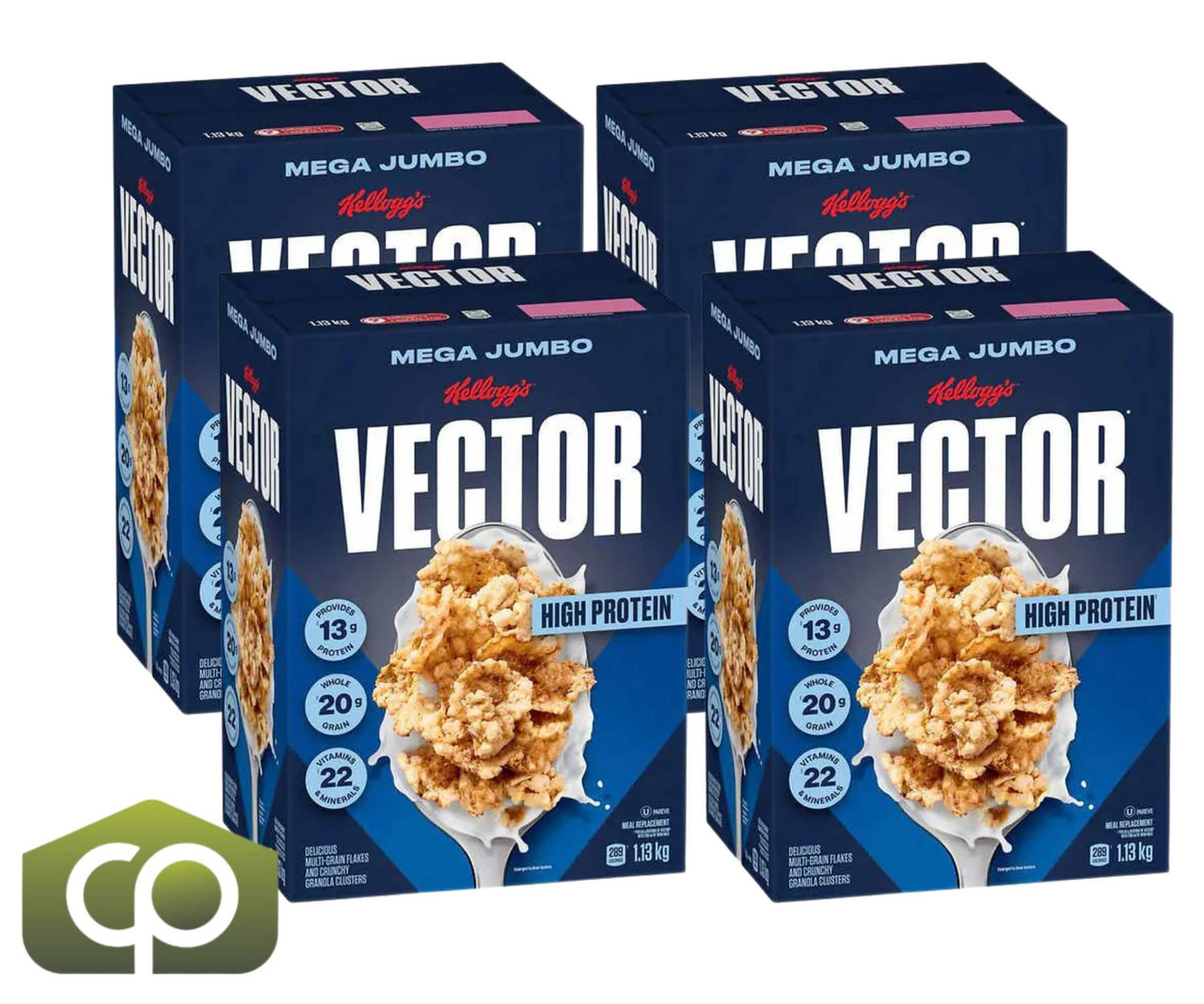
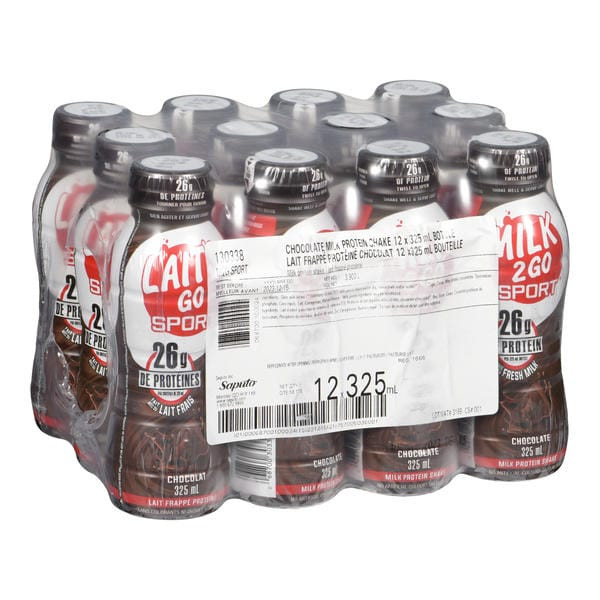
Explore Our Nutritional Product Range
Find trusted brands and diverse options for every dietary need.







People Also Ask
Real questions buyers search before they order — answered straight.
What are the two main signs of malnutrition in an elderly person?
The two clearest warning signs are unplanned weight loss and a lasting drop in appetite or food intake. Clothes, rings, or dentures becoming loose is often the first thing staff and families notice. Weakness, slow healing, and frequent infections tend to follow, which is why regular screening catches it before these set in.
What is the most common cause of malnutrition in the elderly?
There is rarely one cause — it is usually several small things stacking up, such as poor appetite, difficulty chewing or swallowing, medications that dull taste, low mood, and meals that are hard to manage alone. In care settings, unrecognised swallowing changes and simply not eating enough at each sitting are common drivers. Because the causes overlap, the fix is usually a mix of screening, texture adjustment, and energy-dense foods.
What are the stages of malnutrition?
Malnutrition is generally described as mild, moderate, or severe, based on how much weight has been lost, how low intake has dropped, and the effect on strength and muscle. Early stages show up as subtle weight loss and tiredness, while later stages bring muscle wasting, frailty, and a higher risk of falls and infection. Screening tools are designed to flag the mild stage, when a food-first response works best.
Can malnutrition in an older adult be reversed?
In many cases yes, especially when it is caught early — steady weight and strength can return with a planned increase in energy and protein, smaller and more frequent meals, and support at mealtimes. Fortifying everyday foods and adding nutritional drinks where needed helps close the gap. Severe or long-standing cases take longer and should be guided by a dietitian.
What foods help someone who is malnourished?
Energy-dense, protein-rich options do the heavy lifting — think full-fat dairy, cheese, eggs, smooth nut butters, pulses, fortified soups and porridge, and nourishing shakes between meals. Adding cream, cheese, or oil to familiar dishes lifts the calories without making the portion bigger, which suits small appetites. A dietitian can tailor the mix to each resident's needs and any texture requirements.
Why is malnutrition so common in care homes?
Older residents often eat less by nature, and appetite, taste, chewing, and swallowing all tend to decline with age and illness. Add busy mealtimes, texture-modified diets that can look less appealing, and medications that affect appetite, and intake quietly falls short. Routine screening and a food-first plan are what keep it from going unnoticed.
What Canadian care directors say
Hear from facility managers across Canada about their experiences.
We switched to these supplements last quarter. The variety of flavors keeps our residents interested. Intake has improved noticeably since we started using them daily in the afternoon slot.
Delivery is always reliable and on time. The packaging protects the products well during transit. Staff finds it easy to manage inventory with these standard case sizes available consistently.
Residents love the clear berry option. It works perfectly for those on thickened fluids who still want a sweet treat. The taste is natural and not overly sweet like some other brands.
Nutritional Screening FAQs: Frequently Asked Questions
The following operator questions are answered with cited sources. Every FAQ links to Health Canada, CFIA, Canada.ca, or another authoritative regulator.
What is the simplest malnutrition screening tool a caregiver can use at home?
Products referenced:
- Ensure Plus Vanilla, Ready-to-Drink
- Whey Protein Powder, Unflavoured
What does a food first approach to malnutrition actually look like at home?
Products referenced:
- Skim Milk Powder, Instant
- Whey Protein Powder, Unflavoured
Source: Food First Approach to Mitigate Malnutrition in Seniors - MealSuite
When should a supplement be added on top of a food first plan?
Products referenced:
- Ensure Plus Vanilla, Ready-to-Drink
- Boost High Protein Vanilla, Ready-to-Drink
Source: Malnutrition in Older Adults, What to Watch for - ASA Generations
How quickly can food first interventions reverse early malnutrition?
Products referenced:
- Whey Protein Powder, Unflavoured
- Skim Milk Powder, Instant
Source: Refeeding After Years of Malnutrition - r/povertyfinance
Are oral nutrition supplements better than food first for seniors at risk?
Products referenced:
- Ensure Plus Vanilla, Ready-to-Drink
- Whey Protein Powder, Unflavoured
What is refeeding syndrome and who is at risk when adding calories back?
Products referenced:
- Greek Yogurt, Plain, 2 kg
- Whey Protein Powder, Unflavoured
Source: Refeeding After Years of Malnutrition - r/povertyfinance
How can an LTC kitchen track food first interventions on a budget?
Products referenced:
- Oatmeal, Quick Cooking, Bulk
- Skim Milk Powder, Instant
- Chicken Broth, Low Sodium, Ready-to-Use
Source: Food First Approach to Mitigate Malnutrition in Seniors - MealSuite
What are the early warning signs of malnutrition that family caregivers miss?
Products referenced:
- Ensure Plus Vanilla, Ready-to-Drink
- Skim Milk Powder, Instant
Source: How to Prevent Malnutrition in Older Adults - Hebrew SeniorLife
Related guides from ChickenPieces
Why Partner With ChickenPieces
We provide reliable supply solutions for Canadian care facilities.
Local Calgary Warehouse
Our central location ensures quick delivery times. Reduced transit means fresher products for your residents. We understand the urgency of care operations.
Bulk Volume Discounts
Ordering in bulk reduces unit costs significantly. This efficiency helps stretch budgets further without compromising quality. Save on essential nutritional supplies regularly.
Regulatory Compliance Focus
All products meet Health Canada standards strictly. We ensure CFIA compliance for food safety. You can trust the quality and legality of every item supplied.
No Minimum Orders
Order one case or one pallet -- no MOQ gates. Scale purchasing with occupancy instead of committing to distributor volume tiers.
Sources & further reading
- INPAC: Integrated Nutrition Pathway for Acute Care — Canadian Malnutrition Task Force
- Oral nutritional interventions in frail older people who are malnourished — NCBI Bookshelf
- Supplemental nutrition for older people affected by undernutrition — World Health Organization
Request a Custom Quote Today
Contact our team to discuss your specific inventory needs. We will provide a tailored solution that fits your budget and timeline perfectly.
Request a Quote