
 US Dollar

2026 Jul 5th
Safe SUV Mobility Scooter Transport: Essential Vehicle Lift
Secure a mobility scooter in an SUV using a hitch-mounted lift or carrier. These systems mount to the receiver, keeping the vehicle interior clear. Proper weight distribution ensures safe travel on Canadian roads without damaging your SUV or equipment.
Safe SUV Mobility Scooter Transport: Essential Vehicle Lift Guide
Property managers and Airbnb hosts need reliable methods to move mobility scooters safely. This guide covers hitch lifts and carriers for secure SUV transport without damage.
Key Takeaways
Review these key points for safe transport implementation.
Choose Correct Lift Type
Select hitch-mounted lifts for SUVs. They offer easy installation without drilling. RV-specific models require special adapters. Match the lift type to your vehicle frame and usage frequency for optimal performance.
Verify Weight Limits
Always check manufacturer weight ratings. Exceeding limits risks structural damage. Ensure the combined weight of scooter, battery, and user stays well below maximum capacity. Safety margins prevent accidents during transit.
Secure Ground Clearance
Measure distance from ground to hitch. Lifts need adequate space for ramp extension. Low-clearance vehicles may require adapters. Proper clearance prevents scraping driveways and ensures smooth scooter loading onto the lift platform.
Use Lockdown Arms
Engage all safety locks before driving. Lockdown arms prevent accidental deployment. Check straps and tie-downs regularly. Secure attachment points protect both the equipment and passengers during sudden stops or rough road conditions.
Inspect Before Every Trip
Check hydraulic lines and electrical connections. Look for wear on ramps. Test lift operation before loading. Regular maintenance extends equipment life and ensures reliable performance for guest transport needs in varying weather.
Follow Local Regulations
Adhere to Canadian traffic laws regarding cargo. Ensure visibility is not obstructed. Use proper lighting if required. Compliance protects your business from liability issues and keeps guests safe during all transportation phases.
Assess Your Vehicle And Space Needs
Start by measuring your SUV hitch class and available ground clearance.
Begin by identifying the hitch receiver size on your SUV. Most modern vehicles use two-inch receivers, which support heavier loads. Measure the distance from the ground to the center of the hitch pin hole. This dimension determines if you need a drop adapter or a standard mounting kit for proper alignment.
Consider the interior space remaining after lift installation. Some systems fold up high, reducing cargo volume. Plan for additional luggage or supplies that hosts may need to transport. Ensure the lift does not interfere with rear door access or tailgate operation when stored vertically.
Evaluate typical terrain for your properties. Urban settings require compact lifts that fit in tight parking spots. Rural locations might need higher ground clearance capabilities. Understanding your environment helps select equipment that handles specific challenges without compromising safety or convenience.
Compare Hitch-Mounted Lift Systems Options
Hitch lifts offer portability and ease of use for multiple vehicles.
Hitch-mounted lifts attach directly to the receiver tube. They do not require drilling into the vehicle frame. This preserves warranty coverage and resale value. Installation takes minutes, making them ideal for temporary setups or rotating fleet vehicles used by various property managers.
Platform style lifts provide a stable base for scooters. They often include wheel chocks and tie-down points. These features secure the equipment firmly during transit. Look for models with electric operation for effortless loading, reducing physical strain on staff members handling heavy mobility devices.
Folding mechanisms vary between manufacturers. Some lift completely out of the way. Others remain partially visible when stowed. Choose based on your aesthetic preferences and cargo needs. Ensure the folded position does not obstruct license plates or rear lights to comply with local regulations.
Ensure Secure Loading Procedures Always
Proper securing prevents movement and damage during transit.
Loading begins with aligning the scooter wheels with guide rails. Ensure the ramp is fully extended and stable. Drive the scooter slowly onto the platform. Center the weight distribution to avoid tipping risks during operation of the lift mechanism while raising the equipment into transport position.
Secure the scooter using provided straps or locks. Engage lockdown arms if available on your model. These prevent accidental lowering while driving. Verify that all connections are tight and secure. A quick shake test can reveal loose fittings before they become serious safety hazards on the road.
Regular maintenance checks are vital for long-term reliability. Inspect hydraulic hoses for leaks or cracks. Check electrical connections for corrosion. Lubricate moving parts as recommended by the manufacturer. Consistent care ensures smooth operation and extends the lifespan of your investment significantly.
Maintain Equipment For Longevity And Safety
Routine checks prevent unexpected failures during critical transports.
Clean the platform regularly to remove dirt and debris. Grime can interfere with wheel movement and locking mechanisms. Use mild soap and water for cleaning surfaces. Avoid harsh chemicals that might damage protective coatings or plastic components over time.
Monitor battery performance closely for electric lifts. Charge fully after each use if possible. Check terminal connections for tightness. Weak batteries cause incomplete lifting cycles, stranding equipment mid-air. Replace batteries proactively before they fail completely during an urgent transport situation.
Keep a log of maintenance activities and repairs. Record dates of inspections and part replacements. This documentation helps track wear patterns and predict future needs. It also provides valuable history if warranty claims arise or when reselling used equipment to other operators in the industry.
Enhance Guest Accessibility With Reliable Gear
Smooth transport boosts satisfaction and repeat bookings for hosts.
Reliable equipment ensures punctual arrivals at destinations. Guests appreciate minimal wait times during transfers. Efficient operations reflect positively on your brand reputation. Investing in quality lifts demonstrates commitment to accessibility standards expected by modern travelers seeking inclusive accommodations.
Communication plays a key role in guest experience. Inform visitors about available transport options beforehand. Provide clear directions for meeting points. Transparency builds trust and reduces anxiety associated with mobility challenges. Positive interactions start long before the actual loading begins.
Feedback loops help improve service continuously. Ask guests about their transport experience. Note any concerns or suggestions received. Use this information to refine procedures or upgrade equipment as needed. Continuous improvement shows dedication to meeting evolving accessibility requirements effectively.
Meet Canadian Safety Standards Effectively
Adhering to regulations protects your business legally.
Canadian safety standards govern vehicle modifications strictly. Ensure all lifts meet certification requirements. Check labels and documentation provided by manufacturers. Non-compliant equipment voids warranties and increases liability risks significantly. Stay informed about updates to regulatory frameworks affecting mobility aids.
Insurance policies often require specific safety measures. Confirm coverage details with your provider. List approved equipment models in policy documents. This step ensures claims are processed smoothly if accidents occur. Proper documentation supports swift resolution without lengthy disputes or delays.
Training records demonstrate due diligence in safety protocols. Maintain logs of employee certifications related to lift operation. Regular refresher courses keep skills sharp. Documented training efforts strengthen defense against potential lawsuits by proving proactive management of operational risks involved.
Mobility Transport Solution Comparison
Compare key features of popular transport systems for SUVs.
| Solution Type | Max Capacity Lbs | Installation Style | Best Use Case |
|---|---|---|---|
| Hitch-Mounted Lift | 350 | Receiver Mount | Fleet Vehicles |
| RV Adapter Lift | 400 | Drop Hitch | Campers |
| Carrier Hold-Down | 250 | Flat Rack | Short Trips |
| Dual-Function Walker | 250 | Foldable | Indoor/Outdoor |
| Portable Scooter | 265 | Disassembly | Air Travel |
| Electric Light Scooter | 265 | Compact Fold | Urban Use |
| Heavy-Duty Lift | 500 | Frame Mount | Commercial Fleets |
Explore Our Transport Solutions
Browse our curated selection of reliable mobility transport equipment.

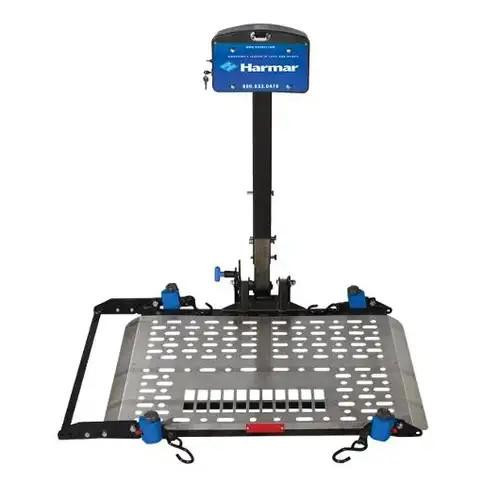
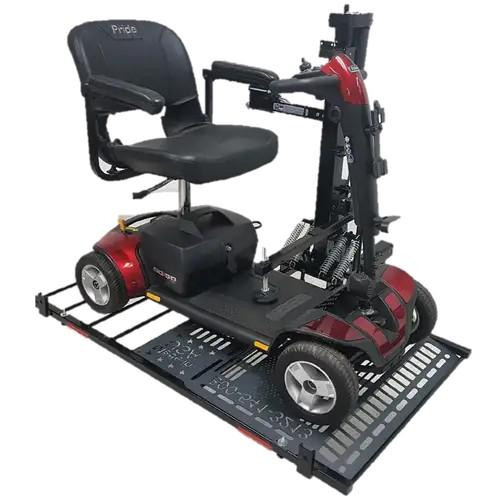
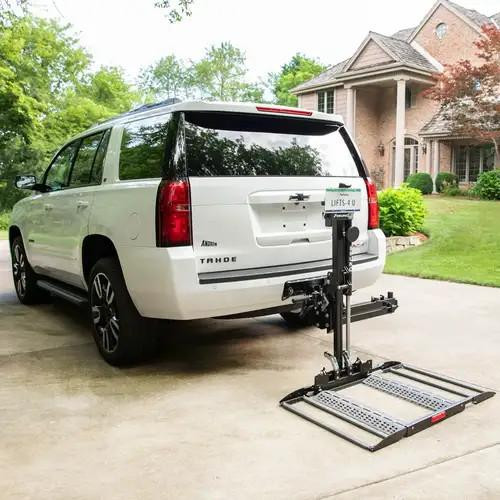


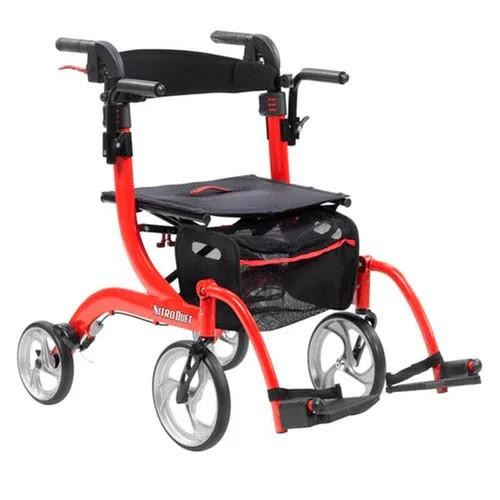
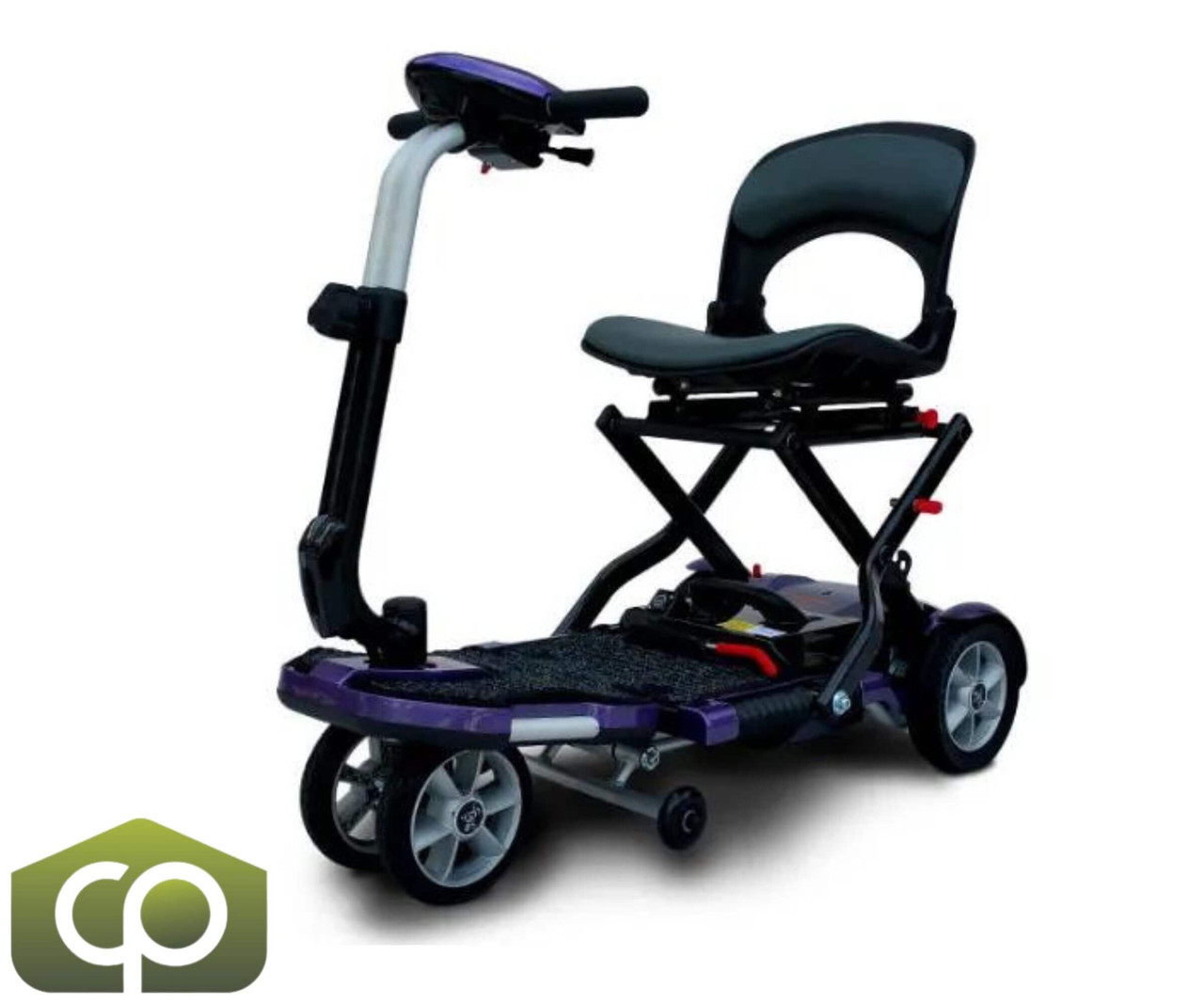
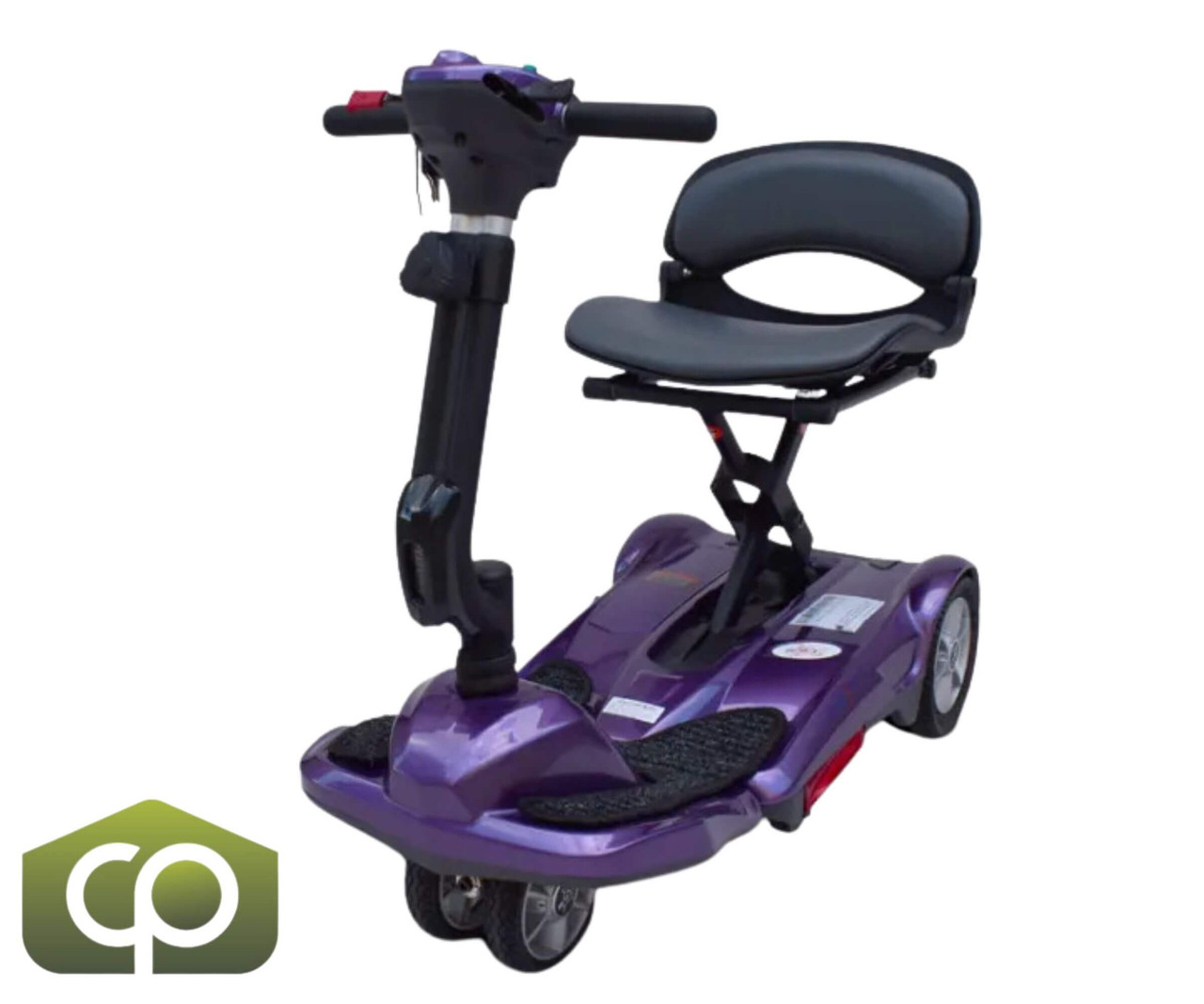
What Canadian property operators say
Read feedback from verified customers across Canada.
The hitch lift transformed our guest experience. Loading scooters is now effortless and safe. Staff love the quick setup. Guests feel secure knowing their equipment is well-protected during transfers between properties.
We needed a durable solution for our fleet. This lift handles daily use without issues. Installation was simple. The build quality inspires confidence. Highly recommend for anyone managing multiple rental vehicles.
Guests appreciate the accessibility options we now offer. The lift operates smoothly every time. Customer service was helpful during selection. It fits perfectly in our SUVs. A worthwhile investment for inclusivity.
Transport Logistics: Frequently Asked Questions
How much weight can a standard hitch lift hold?
Most standard hitch lifts support up to three hundred fifty pounds. Always verify the specific model rating before purchase. Exceeding limits risks damage to both vehicle and equipment. Check manufacturer specifications carefully.
Do I need professional installation for a hitch lift?
No, most hitch mounts are DIY friendly. They bolt directly into the receiver tube. Follow the included instructions carefully. Ensure all bolts are tightened securely. Professional help is optional but not required.
Can I use a lift on gravel driveways?
Yes, but ensure the ground is stable and level. Loose gravel may cause instability during loading. Consider using a mat for extra stability if terrain is uneven. Proper footing prevents tipping risks effectively.
How do I secure a scooter on the lift?
Use provided tie-down straps or lockdown arms. Engage all safety mechanisms fully. Center the weight on the platform. Double-check connections before moving. Secure attachment prevents shifting during transit.
Is it safe to drive in rain with a lift?
Yes, but exercise caution. Wet surfaces reduce traction. Drive slowly and avoid sudden stops. Ensure electrical components are protected from moisture. Regular maintenance helps prevent water-related issues effectively.
What maintenance does the lift require?
Inspect hoses, cables, and locks regularly. Lubricate moving parts as needed. Keep the platform clean. Check battery charge levels for electric models. Routine checks extend lifespan and ensure safety compliance.
Can I remove the lift when not in use?
Absolutely. Hitch mounts are designed for easy removal. Store indoors to protect from elements. This preserves equipment condition and frees up receiver space. Flexibility is a key benefit of hitch systems.
Do these lifts work with all SUVs?
Most modern SUVs have standard receivers. Verify your vehicle's hitch class and weight rating. Compatibility depends on these factors. Check manufacturer guidelines for specific vehicle recommendations before buying.
How long does loading take?
Loading typically takes under five minutes with practice. Staff training improves speed significantly. Smooth operations enhance guest satisfaction. Efficiency matters in hospitality settings where time is valuable resource.
How do you calculate shipping on bulk orders?
We calculate shipping on live carrier rates at checkout, not on flat or subsidized tiers. Every order is priced against real LTL, parcel, or pallet-freight quotes from our Calgary warehouse to your dock. That means you never absorb hidden shipping costs into product margins — what we charge is what the carrier charges us, plus a small handling pass-through. For bulk and pallet orders this typically runs 15–25% lower than competitors who bake shipping into their unit prices, because the rate is transparent and tied to the actual shipment weight and distance.
Related guides from ChickenPieces
Why Choose ChickenPieces
We provide reliable supplies for Canadian property operators.
Local Inventory
Stocked in Calgary for quick delivery. Fast shipping across Canada. No long wait times. Get what you need when you need it most.
Expert Support
Our team knows mobility equipment well. We answer questions clearly. Guidance helps you choose right products. Personalized service builds lasting partnerships with businesses like yours.
Quality Assurance
We source trusted brands only. Durable construction lasts longer. Reliable performance reduces downtime. Invest in equipment that stands up to daily use without frequent repairs or replacements needed.
Regulatory Compliance
All products meet Health Canada standards. We ensure full regulatory compliance. This protects your business legally. Peace of mind comes with knowing every item passes strict safety checks required here.
Request A Quote Today
Contact us for bulk pricing options. Our team is ready to assist with your supply needs promptly.
Request a QuoteAuthoritative Sources
The following government and public-health sources informed the operator guidance above. Citations to Reddit, Quora, and operator forums appear in the FAQ block above.