
 US Dollar (USD)

2026 Apr 21st
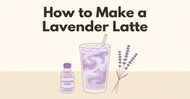
How to Make a Lavender Latte: A Canadian Cafe Guide
The lavender latte has transitioned from a niche springtime special to a year-round staple in Canadian cafes. Its delicate floral notes, combined with the rich, robust flavour of espresso, offer a sophisticated alternative to traditional vanilla or caramel drinks. From what we've seen supplying from our Calgary warehouse, cafes that introduce floral syrups often see a significant boost in premium beverage sales, as customers are willing to pay a higher price point for unique, craft-style lattes.
However, working with floral flavours requires precision. Too little syrup, and the lavender is lost behind the coffee and milk; too much, and the drink can taste soapy or artificial. Mastering the lavender latte involves understanding syrup ratios, selecting the right milk pairing, and ensuring your espresso roast complements rather than overpowers the delicate floral notes.
Author: Amani
Choosing the Right Lavender Syrup
The foundation of a great lavender latte is the syrup. While some boutique cafes choose to make their own lavender simple syrup by steeping culinary lavender buds in sugar water, this approach is often impractical for high-volume operations due to consistency issues and short shelf life.
For most Canadian cafes, commercial ready-to-use syrups are the best choice. Brands like Torani and Monin offer high-quality lavender syrups that deliver a consistent, balanced floral flavour without the risk of a soapy aftertaste. These syrups are formulated to mix seamlessly into both hot and cold beverages, ensuring speed of service and recipe standardization across your barista team.
The Perfect Espresso Pairing
Not all espresso roasts pair well with floral syrups. A very dark, oily, traditional Italian espresso roast—characterized by heavy notes of dark chocolate, smoke, and ash—can easily overpower the delicate lavender flavour. The resulting drink often tastes disjointed, with the floral notes clashing against the bitterness of the dark roast.
Instead, opt for a medium or light-medium espresso roast. These roasts typically feature brighter acidity and natural notes of fruit, berries, or honey, which harmonize beautifully with the floral profile of the lavender. The goal is to create a balanced cup where the coffee and the syrup elevate each other.
Milk Selection: Dairy vs. Plant-Based
The choice of milk significantly impacts the final flavour of a lavender latte. Whole milk is the traditional choice, providing a rich, creamy texture that softens the espresso and carries the syrup well. However, plant-based milks have become increasingly popular for floral drinks.
Oat milk is widely considered the best non-dairy pairing for lavender. Its natural sweetness and slightly earthy, neutral profile allow the floral notes to shine without competing for attention. Almond milk can also work, though its distinct nutty flavour sometimes clashes with the lavender. Soy milk is generally not recommended, as its strong bean flavour can mask the delicate syrup.
Recipe: The Iced Lavender Latte
Iced lavender lattes are incredibly popular, especially during the spring and summer months. Here is a standard recipe for a 16oz iced cup:
- Prep the Cup: Add 1 to 1.5 ounces (typically 4 to 6 pumps) of lavender syrup to the bottom of a 16oz cup.
- Pull the Espresso: Extract a double shot (approx. 2 ounces) of medium-roast espresso directly over the syrup.
- Mix: Swirl or stir the hot espresso and syrup together immediately. The heat helps integrate the syrup fully.
- Add Ice and Milk: Fill the cup 3/4 full with ice, then pour 6 to 8 ounces of cold milk (or oat milk) over the ice. Stir gently before serving.
Frequently Asked Questions
The following operator questions are answered with cited sources. Every FAQ links to Health Canada, CFIA, Canada.ca, or another authoritative regulator.
Does canned water taste different from bottled water?
Products referenced:
- Bottled Water
Is canned water healthier than bottled water in Canada?
Products referenced:
- Bottled Water
Source: Bottled Water - Canada.ca
Why is most water sold in plastic bottles instead of cans?
Products referenced:
- Bottled Water
Source: ELI5: Why is water bottled and not canned - r/explainlikeimfive
Is canned water better for the environment than plastic bottles?
Products referenced:
- Bottled Water
Source: Canned Water vs. Plastic Bottles: What's Actually Better for the Environment
Does Canada regulate canned water differently than bottled water?
Products referenced:
- Bottled Water
Source: Frequently Asked Questions about Bottled Water - Canada.ca
Which is more expensive: canned water or bottled water?
Products referenced:
- Bottled Water
Can you get BPA from drinking canned water?
Products referenced:
- Bottled Water
What are the best Canadian brands of drinking water?
Products referenced:
- Bottled Water
Source: Does anyone have suggestions for good Canadian brands of drinking water? - r/BuyCanadian
Is tap water in Canada safer than bottled or canned water?
Products referenced:
- Bottled Water
Does canned water stay cold longer than bottled water?
Products referenced:
- Bottled Water
Source: Canned Water vs. Bottled Water: Understanding Environmental Impact