
 US Dollar (USD)


2026 Jul 22nd
Optimize Gatorade Storage and Cooler Hygiene for Facility
Store unopened Gatorade concentrate in a cool, dry place away from direct sunlight to maximize shelf life. Bottled drinks require consistent refrigeration below four degrees Celsius. Clean coolers weekly with mild detergent to prevent bacterial growth and ensure safe hydration for all users.
Optimize Gatorade Storage and Cooler Hygiene for Facility Success
This guide helps property managers and hosts maintain optimal beverage quality through correct temperature control, proper concentrate handling, and effective cooler sanitation routines.
Key Takeaways
Here are the key points for maintaining beverage quality and safety in your facility operations.
Temperature Control Matters
Keep refrigerated units at or below four degrees Celsius. This temperature slows bacterial growth and preserves flavor integrity for all stored beverages throughout the entire shelf life period.
Concentrate Storage Tips
Store gallon containers in cool, dark areas before mixing. Heat degrades vitamin content and alters taste profiles significantly. Avoid placing these heavy items near heat sources or direct sunlight exposure.
Regular Cooler Cleaning
Wash interior surfaces with mild soap every seven days. Rinse thoroughly to remove residue that attracts mold. Dry completely before restocking to prevent moisture buildup and subsequent microbial contamination issues.
Inspect Before Serving
Check expiration dates on all incoming stock immediately. Discard any damaged packaging or swollen containers right away. Visual inspection ensures you never serve compromised products to guests or staff members.
Proper Mixing Ratios
Follow manufacturer instructions for water-to-concentrate ratios precisely. Over-diluting reduces effectiveness while under-diluting creates overly sweet solutions. Consistent mixing guarantees reliable hydration results and consistent taste quality.
Inventory Rotation Strategy
Use first-in, first-out methods for all beverage stock. Label items with arrival dates to track freshness easily. This simple practice minimizes waste and ensures older products are served before newer arrivals do.
Understanding Shelf Life Standards
Knowing expiration limits prevents waste and ensures safety.
Shelf life varies significantly between bottled drinks and concentrated formulas. Bottled varieties like Gatorade Zero typically last six to nine months when stored correctly. Concentrated gallons generally offer a longer window, often exceeding twelve months if kept in ideal conditions. Understanding these differences helps you plan inventory purchases more effectively.
Temperature fluctuations dramatically impact product longevity. Exposing beverages to high heat accelerates chemical breakdown and flavor loss. Conversely, freezing can alter texture and potentially damage container integrity. Maintaining stable storage environments is essential for preserving the intended quality of every single item in your stock.
Light exposure also plays a critical role in degradation. Ultraviolet rays break down vitamins and change color stability over time. Always store products in opaque containers or dark closets whenever possible. This simple step preserves nutritional value and keeps the visual appeal intact for end consumers.
Best Practices for Concentrate Handling
Proper handling extends usability and maintains flavor profiles.
Concentrates require careful management before they are mixed with water. Store unopened gallons in a cool, dry area away from direct sunlight. The ideal temperature range sits between ten and twenty degrees Celsius. Avoid placing these heavy containers on floors where dirt or moisture might compromise seal integrity.
Once opened, concentrate spoils faster than sealed units. Transfer remaining amounts to smaller, airtight containers if not using the entire gallon immediately. Refrigerate any leftover concentrate within two hours of opening to slow bacterial growth. Label transferred portions with the date to track freshness accurately.
Mixing should happen only when ready to serve. Pre-mixed drinks lose carbonation and flavor stability over time. Prepare batches in clean dispensers just before distribution events. This approach guarantees maximum potency and taste while minimizing waste from unused or spoiled liquid mixtures.
Cooler Cleaning Protocols Explained
Clean coolers prevent bacterial growth and odors.
Refrigerated units harbor bacteria if neglected regularly. Empty coolers completely every seven days for thorough cleaning. Remove all shelves and drawers to wash separately with hot soapy water. Rinse every surface meticulously to eliminate soap residue that could contaminate future beverages stored inside.
Focus attention on door gaskets and drain holes. These areas trap moisture and food particles easily. Wipe seals with a damp cloth soaked in vinegar solution to kill mold spores. Clear drain lines regularly to prevent clogs that cause water pooling and subsequent microbial growth within the unit.
Dry all components completely before reassembling the cooler. Moisture promotes mildew and unpleasant odors quickly. Use clean towels or allow air drying in a well-ventilated space. Reinstall shelves and restock only when everything is perfectly dry to maintain optimal hygiene standards.
Temperature Monitoring Essentials
Consistent cooling ensures product safety and quality.
Beverages must stay below four degrees Celsius for safety. Use reliable thermometers to verify internal temperatures regularly. Check readings at least twice daily, especially after opening doors frequently. Record data to identify patterns or equipment failures that might compromise storage conditions unexpectedly.
Avoid overpacking refrigerated spaces completely. Air circulation is vital for maintaining consistent cold levels throughout the unit. Leave gaps between bottles and containers to allow cool air flow. Overcrowding creates warm spots where bacteria can thrive despite overall low ambient temperatures.
Defrost frost-free units as needed according to manufacturer guidelines. Excess ice buildup reduces efficiency and raises internal temperatures temporarily. Schedule maintenance during low-use periods to minimize disruption. Regular upkeep ensures your cooling system operates at peak performance levels consistently.
Managing Stock Rotation Effectively
First-in, first-out methods reduce waste significantly.
Implement a strict first-in, first-out inventory system. Place newer deliveries behind older stock on shelves. This simple method ensures older products are used before expiration dates arrive. It reduces financial losses from discarded expired goods and keeps your offerings fresh for consumers.
Conduct weekly audits of beverage supplies. Check quantities against usage patterns to anticipate restocking needs. Identify slow-moving flavors that might approach expiration prematurely. Adjust future orders based on this data to align purchasing with actual demand trends effectively.
Communicate rotation policies clearly to all staff members. Training ensures everyone understands the importance of checking dates. Encourage team members to report any questionable items immediately. Collective vigilance maintains high standards and prevents accidental serving of compromised products.
Serving Guidelines for Guests
Present drinks safely to enhance guest experience.
Serve beverages immediately after removing them from storage. Prolonged exposure to warm room temperatures affects taste and safety. Keep serving stations cool and shaded during outdoor events. Use ice buckets sparingly to avoid dilution from melting cubes altering flavor profiles significantly.
Inspect each container before handing it over. Look for dents, leaks, or bulging signs of spoilage. Discard any damaged items without hesitation. Your guests expect premium quality, so visual checks build trust and demonstrate professional attention to detail in service delivery.
Provide clear labeling for mixed drinks if applicable. Indicate ingredients and preparation dates openly. Transparency reassures consumers about freshness and safety standards. Clear communication enhances satisfaction and encourages repeat usage of your facility services by building confidence.
Storage Requirements Comparison
Compare temperature needs and shelf life for different product types.
| Product Type | Ideal Temp | Shelf Life | Light Sensitivity |
|---|---|---|---|
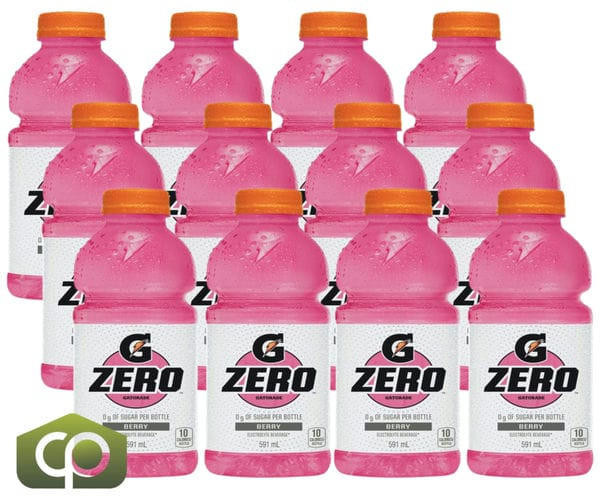
| Bottled Zero | Below 4°C | 6-9 Months | Moderate |
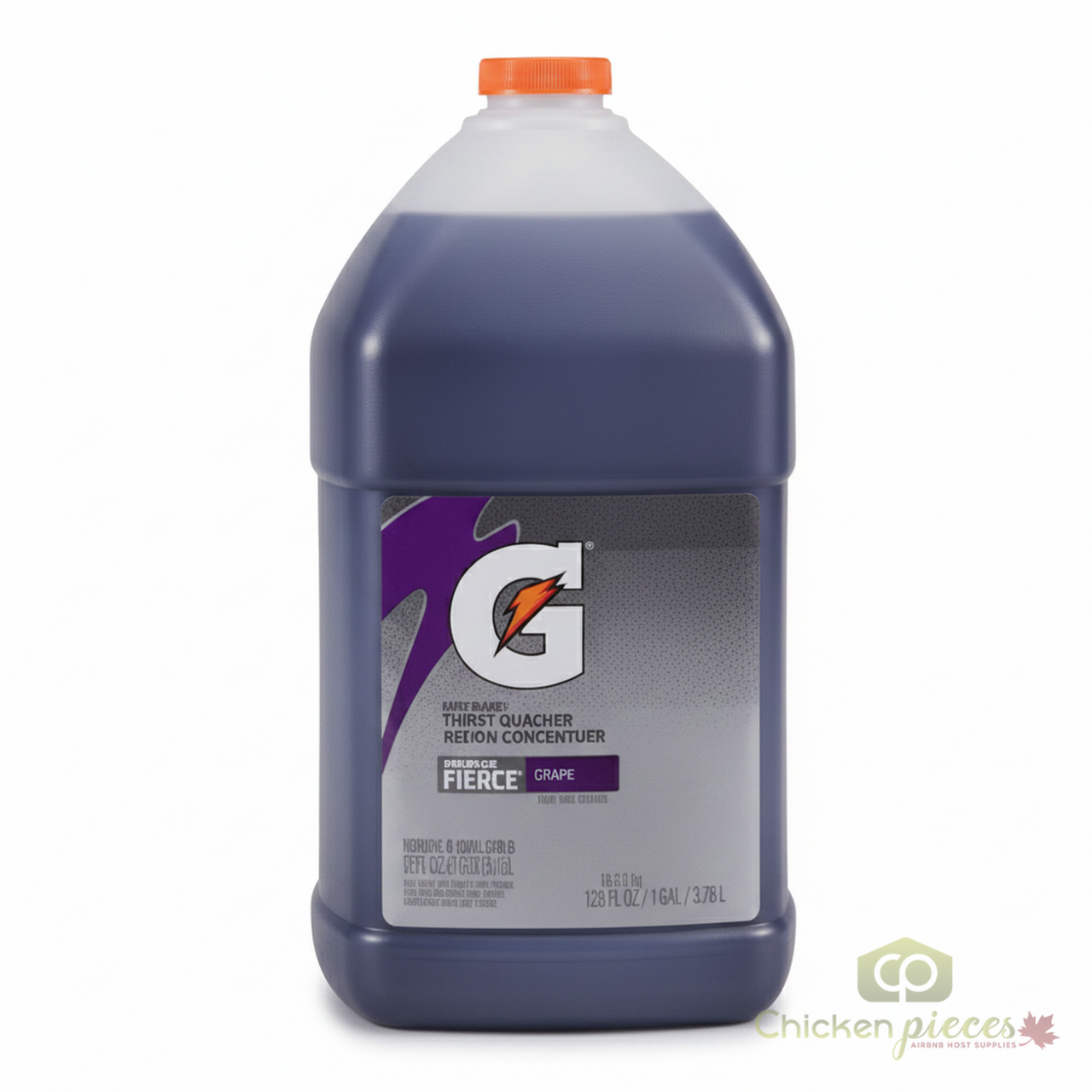
| Gallon Concentrate | 10-20°C | 12+ Months | High |
| Mixed Beverage | Below 4°C | 24 Hours | Low |
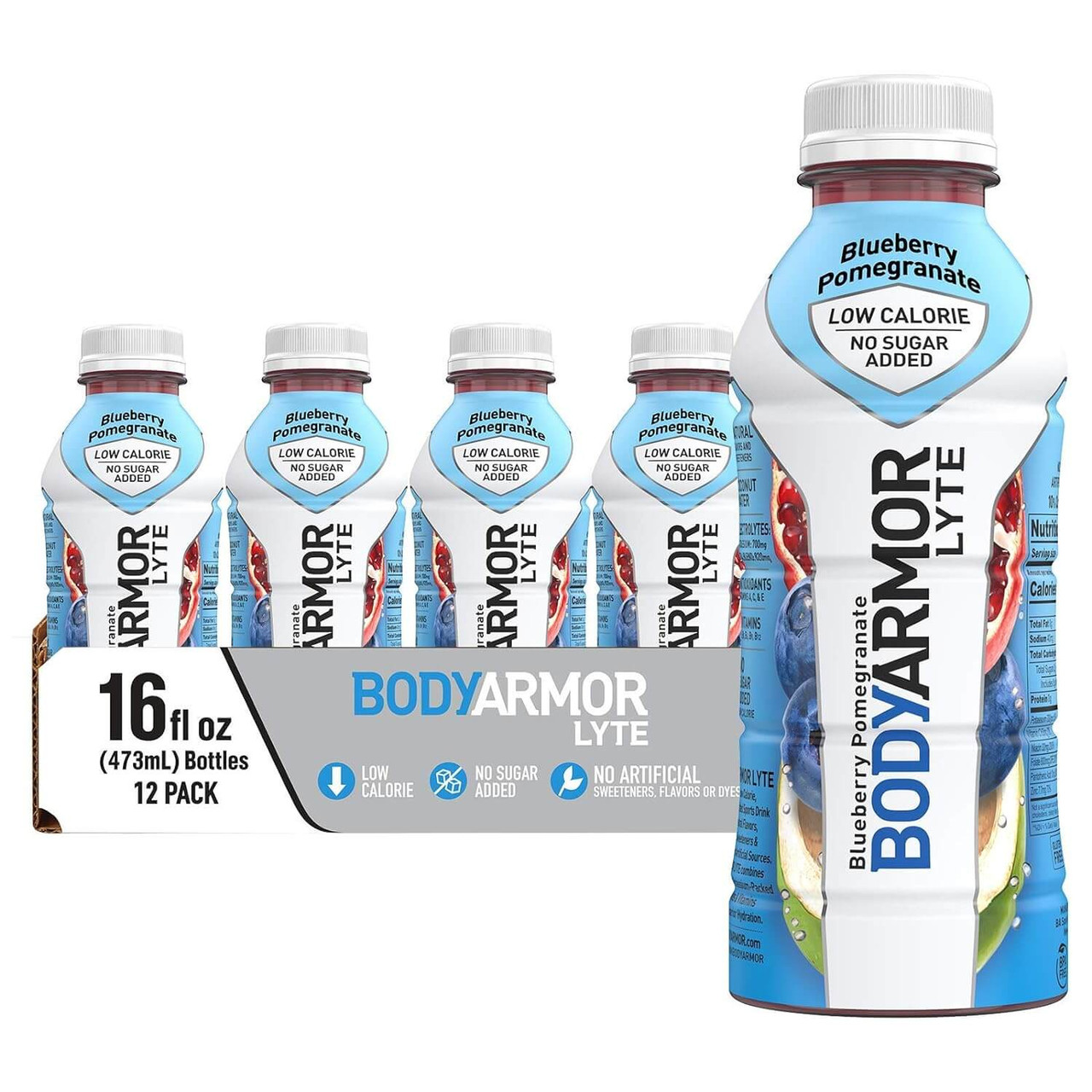
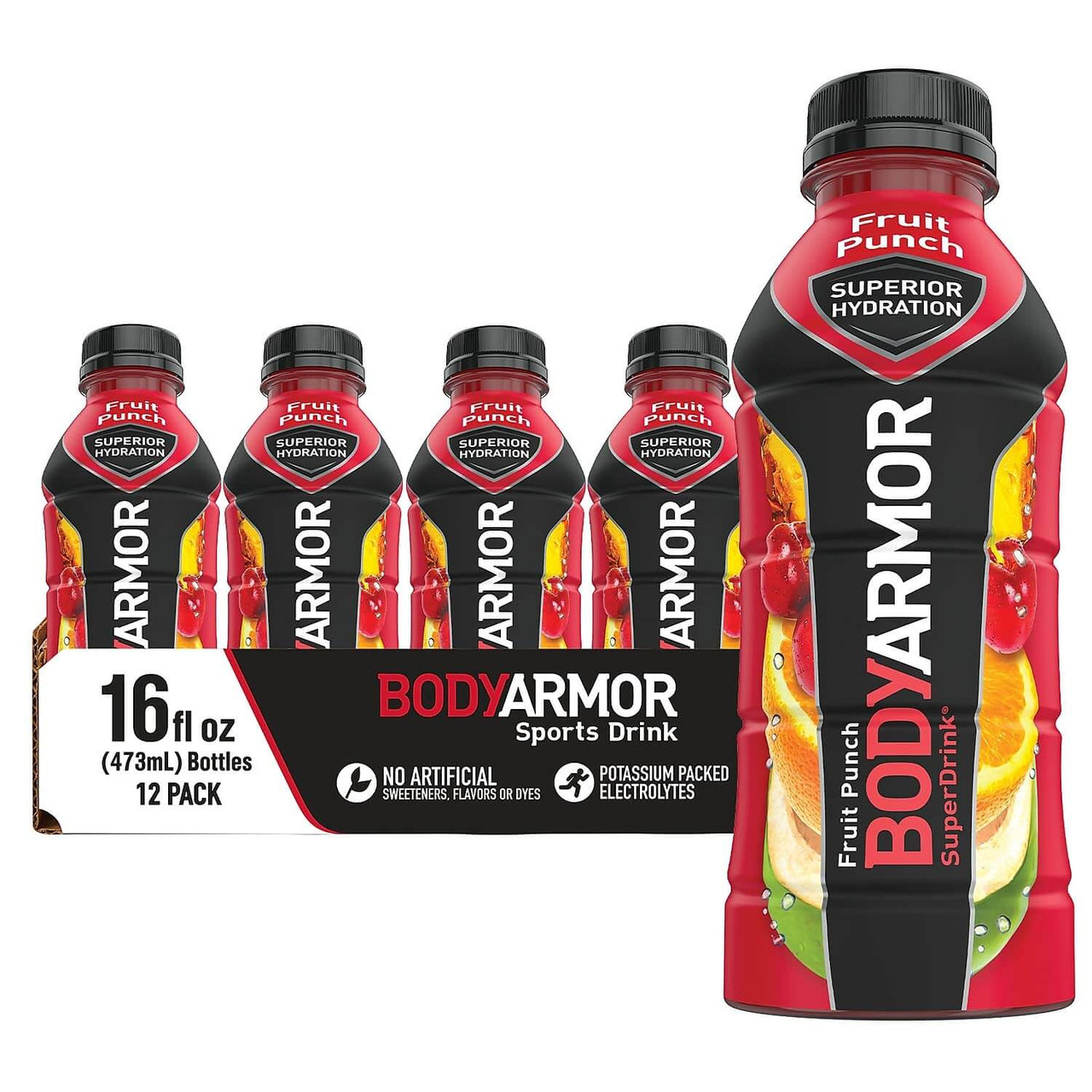
| BodyArmor Lyte | Below 4°C | 6-9 Months | Moderate |
| Fruit Punch Conc. | 10-20°C | 12+ Months | High |
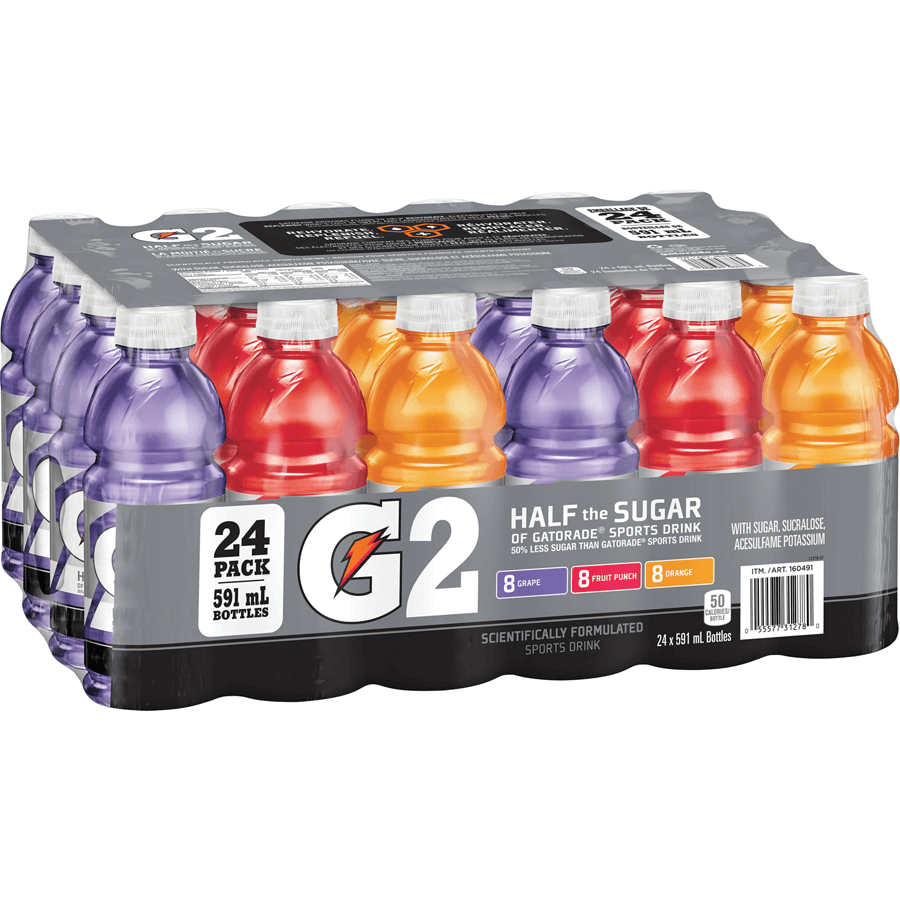
| Clubpack Variety | Below 4°C | 6-9 Months | Moderate |
| Liquid Variety | 10-20°C | 12+ Months | High |
Browse Our Beverage Selection
Explore our full range of hydration solutions for your facility.



What Canadian Facility Operators say
See what other operators say about our service and product quality.
We switched to concentrates last year and saved so much storage space. The flavor remains consistent every time we mix batches, and our guests notice the difference immediately during long events.
Reliable delivery times make inventory planning stress-free. The variety packs ensure we always have options for different preferences, keeping everyone happy without overcomplicating our restocking process significantly.
Their guidance on cooler maintenance helped us pass our last health inspection effortlessly. We feel confident serving these drinks knowing they are stored correctly and handled with proper hygiene protocols always.
Storage Questions: Frequently Asked Questions
How long does unopened concentrate last?
Unopened gallon concentrates typically remain safe and flavorful for over twelve months if stored in a cool, dry place away from direct sunlight exposure.
Can I freeze bottled Gatorade?
Freezing is not recommended as it may cause containers to burst or alter the texture. Keep bottles refrigerated instead to maintain optimal taste and safety standards consistently.
How often should I clean my cooler?
Clean your refrigerator or cooler every seven days using mild soap and warm water. Ensure all surfaces are thoroughly rinsed and dried before restocking items inside again.
What temperature should drinks be served?
Serve cold beverages at or below four degrees Celsius for best taste and safety. This temperature range inhibits bacterial growth while preserving the refreshing quality of the drink.
Do concentrates lose vitamins if stored too long?
Yes, prolonged exposure to heat or light can degrade vitamin content in concentrates. Store them properly in cool, dark areas to maintain nutritional value until mixing time arrives.
Is it safe to mix drinks ahead of time?
Mixing drinks more than twenty-four hours ahead is not advised due to potential bacterial growth and flavor loss. Prepare batches fresh for each serving occasion whenever possible.
How do I know if a drink has gone bad?
Check for unusual odors, changes in color, or bulging containers. Discard any product that shows signs of spoilage immediately to ensure safety for all consumers using your facilities.
Can I store concentrates near heat sources?
Never store concentrates near heaters or direct sunlight. Heat accelerates chemical breakdown and ruins flavor profiles quickly. Keep them in stable, cool environments for best results always.
What is the best way to rotate stock?
Use a first-in, first-out system by placing newer deliveries behind older ones. Label items with arrival dates to track freshness easily and minimize waste from expired products effectively.
How do you calculate shipping on bulk orders?
We calculate shipping on live carrier rates at checkout, not on flat or subsidized tiers. Every order is priced against real LTL, parcel, or pallet-freight quotes from our Calgary warehouse to your dock. That means you never absorb hidden shipping costs into product margins — what we charge is what the carrier charges us, plus a small handling pass-through. For bulk and pallet orders this typically runs 15–25% lower than competitors who bake shipping into their unit prices, because the rate is transparent and tied to the actual shipment weight and distance.
Related guides from ChickenPieces
Why Buy From ChickenPieces
We provide reliable supply solutions tailored for Canadian facility operations.
Local Expertise
Based in Calgary, we understand regional needs and deliver quickly across Alberta. Our team supports property managers with practical advice and consistent service quality always.
Wide Selection
Access diverse hydration options including concentrates and bottled varieties. We stock popular brands like Gatorade and BodyArmor to meet varied guest preferences and dietary requirements easily.
Bulk Efficiency
Order in cases to maximize value and reduce ordering frequency. Our wholesale pricing structure helps facilities manage budgets effectively while ensuring ample supply for peak seasons.
Compliance Ready
All products meet Health Canada standards for safety and quality. We ensure full regulatory compliance so you can serve beverages confidently without worrying about legal or health issues.
Sources & further reading
Request Your Custom Quote Today
Contact our team to discuss your specific hydration needs. We will create a tailored plan that fits your budget and operational requirements perfectly.
Request a Quote