
 US Dollar (USD)

2026 Jul 6th
Foldable Travel Mobility Scooters: Canadian Airline Battery
Canadian airlines follow Transport Canada rules for lithium batteries. You must remove sealed lead-acid batteries before check-in. Lithium packs under one hundred watt-hours are allowed in carry-on luggage if terminals are protected against short circuits.
Foldable Travel Mobility Scooters: Canadian Airline Battery Rules Explained
This guide helps property managers and facility operators understand Canadian transport regulations for portable scooters to ensure smooth guest experiences during travel seasons.
Key Takeaways
Here are the key points regarding airline transport regulations for mobility devices.
Battery Removal Required
Most airlines require you to remove batteries from scooters before checking them. This prevents accidental activation and ensures safety during cargo handling procedures for all passengers.
Lithium Limits Apply
Transport Canada sets strict limits on lithium battery capacity. Devices with batteries under one hundred watt-hours can travel in carry-on bags without special permits or fees.
Terminal Protection Needed
You must protect battery terminals from short circuits. Use original packaging, tape, or separate compartments to prevent contact with metal objects during transit through security checkpoints.
Advance Notification Recommended
Always notify your airline at least forty-eight hours before departure. This allows staff to prepare for special handling requirements and ensures smoother boarding processes for all travelers.
Documentation May Help
Carry manufacturer documentation proving battery specifications and compliance. This speeds up security screening and resolves any disputes regarding device safety standards at the airport terminal.
Folding Mechanisms Matter
Ensure your scooter folds securely for transport. Loose parts can cause damage or injury to handlers. Secure straps and rigid frames make loading and unloading safer for everyone involved.
Understanding Transport Canada Battery Safety Standards
Federal regulations govern how lithium batteries are transported on commercial flights within Canada and internationally.
Transport Canada classifies lithium batteries as hazardous materials due to fire risks. Regulations dictate how these power sources are packed and handled. Operators must know the difference between sealed lead-acid and lithium-ion types. Each category has distinct storage requirements during air travel.
Sealed lead-acid batteries must be removed from mobility scooters before check-in. Airlines generally do not allow these heavy units in cargo holds without special approval. Passengers often carry them separately or arrange ground transport. This rule protects aircraft systems from potential leakage issues.
Lithium-ion batteries face stricter scrutiny due to thermal runaway risks. Batteries under one hundred watt-hours are permitted in carry-on bags. Those between one hundred and one hundred sixty watt-hours require airline approval. Higher capacities are generally prohibited on passenger flights for safety reasons.
Preparing Your Scooter for Flight Check-In
Proper preparation ensures your device survives the journey intact and meets security requirements.
Start by folding the scooter according to manufacturer instructions. Secure all moving parts with provided straps or bungee cords. Protect delicate components like seats and armrests with padding or soft bags. This reduces wear and tear during rough handling at busy airports.
Remove the battery pack carefully if required by your airline. Store it in its original packaging or a dedicated protective case. Ensure terminals are covered with electrical tape to prevent short circuits. Label the battery clearly with watt-hour rating for quick security inspection.
Pack remaining scooter parts in a sturdy, durable bag. Use hard-shell cases if available for maximum protection against impacts. Include all necessary tools for reassembly at your destination. Keep documentation accessible in your personal carry-on item for easy reference during checks.
Comparing Major Canadian Carrier Requirements
Different airlines have unique procedures for accepting mobility aids on board.
Air Canada allows foldable scooters as checked baggage if batteries are removed. They recommend arriving early to allow extra time for screening. Staff will inspect devices at the gate or check-in counter. Ensure all parts are securely packed to prevent loss during transit.
WestJet follows similar guidelines regarding battery removal and protection. They require passengers to notify them of mobility device needs in advance. Gate agents can assist with storing folded scooters in the aircraft cabin if space permits. This option avoids potential cargo damage risks entirely.
Porter Airlines also accepts portable mobility scooters under standard conditions. Their policy emphasizes proper terminal protection for lithium batteries. Passengers should expect thorough security checks before boarding. Having clear documentation simplifies this process significantly for everyone involved.
Helping Guests Navigate Airport Security Checks
Property managers can assist guests by providing clear guidance and documentation.
Inform guests about potential security screening procedures at major Canadian airports. TSA-like agents may request additional inspection of mobility devices. Advise guests to remain calm and cooperative during these checks. Patience helps resolve any concerns quickly without delaying departure times.
Provide copies of manufacturer certificates showing battery compliance with Transport Canada standards. These documents prove that the device meets safety regulations for air travel. Guests can present them if questioned by security personnel or airline staff. This preparation prevents unnecessary delays at check-in counters.
Encourage guests to arrive early at departure terminals. Extra time allows for thorough inspections and any required re-packing. It also gives staff ample opportunity to assist with loading procedures. Early arrival reduces anxiety and ensures a smoother overall travel experience.
Choosing Scooters Designed for Air Travel
Some models are built specifically to meet airline weight and size limits.
Weight is a critical factor when selecting a travel scooter. Lighter models are easier to lift into overhead bins or cargo holds. They also reduce strain on baggage handlers during loading procedures. Consider devices under forty-five kilograms for optimal portability and convenience.
Foldability determines how easily the scooter fits in standard luggage spaces. Compact designs save room in vehicles and hotel rooms too. Look for mechanisms that secure firmly without complex steps. Simple folding actions speed up preparation before heading to the airport terminal.
Battery accessibility matters for quick removal before flights. Models with easy-release battery packs simplify compliance with airline rules. Avoid units requiring tools or excessive force to disconnect power sources. Convenient access points make pre-flight checks less stressful for users.
Maintaining Scooters After Frequent Travel Use
Regular inspections ensure continued safety and performance after rigorous journeys.
Inspect all connections and fasteners after each journey. Vibration during transport can loosen screws and bolts over time. Tighten any loose components immediately to prevent future failures. Regular maintenance extends the lifespan of your mobility equipment significantly.
Clean exterior surfaces thoroughly after returning from trips. Dust and dirt accumulate easily during handling and storage. Use mild soap and water for gentle cleaning solutions. Avoid harsh chemicals that could damage plastic parts or upholstery materials.
Test battery performance regularly to ensure reliable power output. Travel stress can impact charging cycles and overall capacity. Replace batteries promptly if they show signs of degradation. Consistent testing prevents unexpected breakdowns during important outings or events.
Comparing Top Foldable Mobility Scooter Features
Use this table to compare key specifications across popular travel-friendly scooter models.
| Model Name | Max Speed | Range Estimate | Wheel Count |
|---|---|---|---|
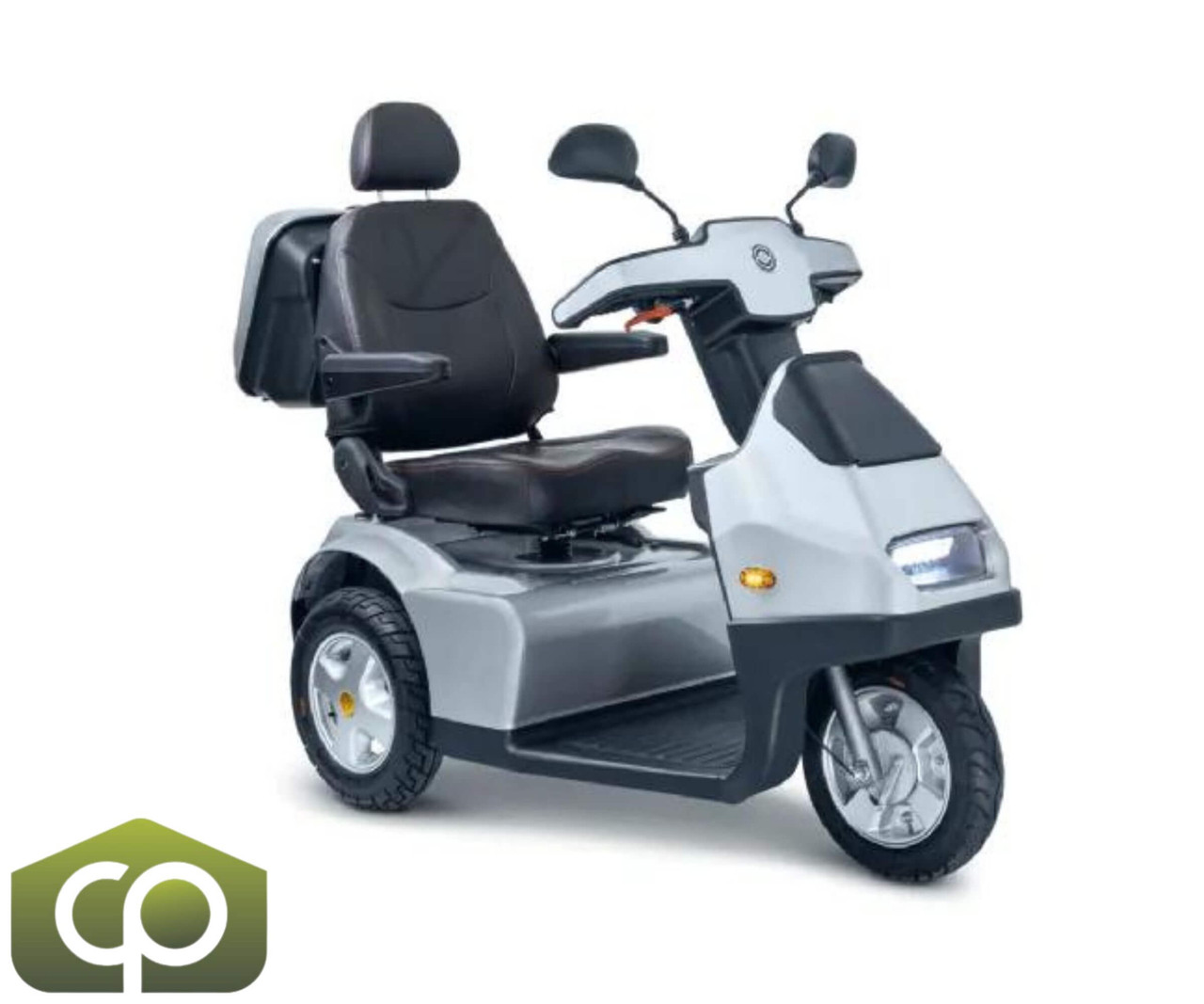
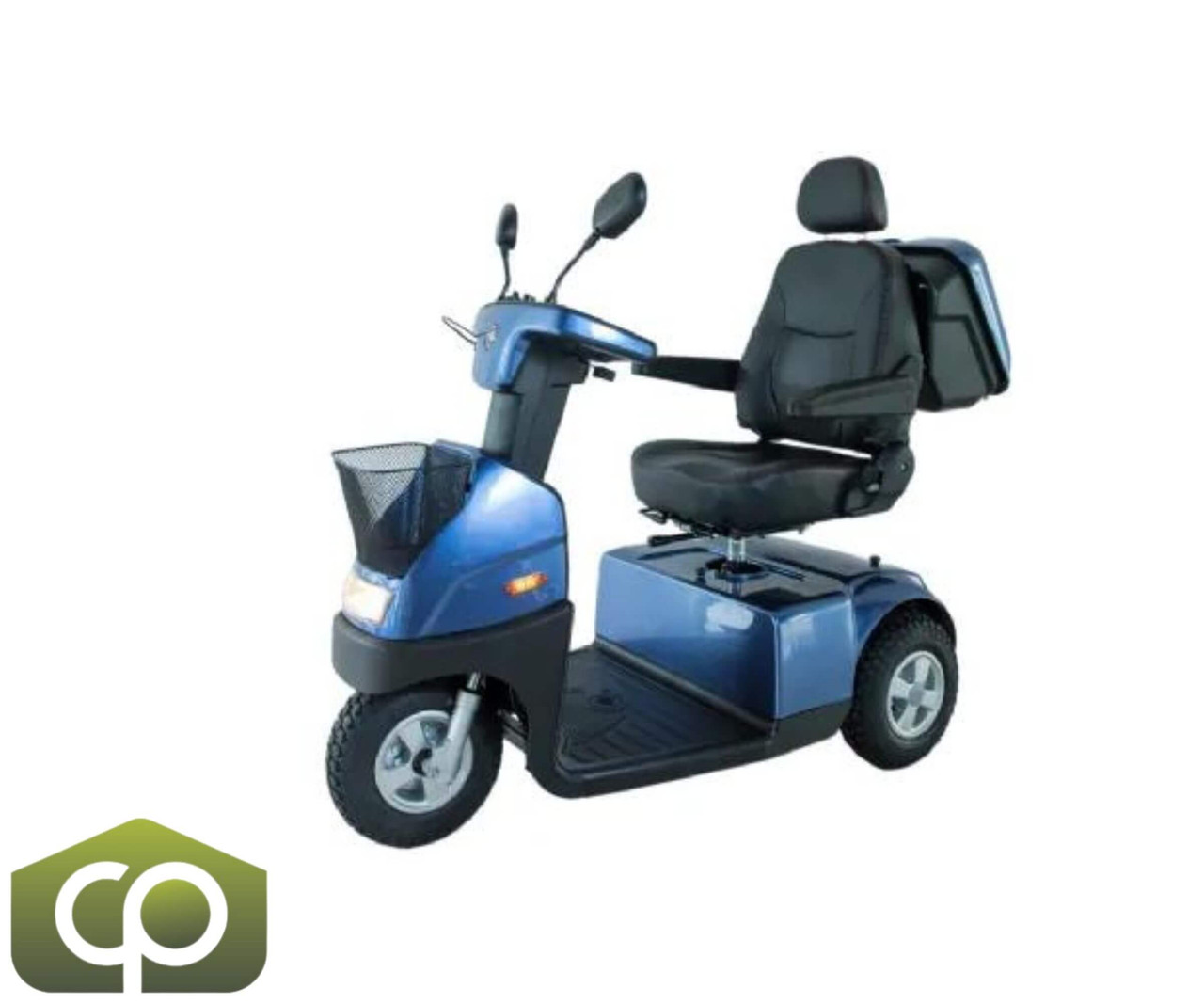
| Afiscooter S3 | 15 mph | 31 miles | Three |
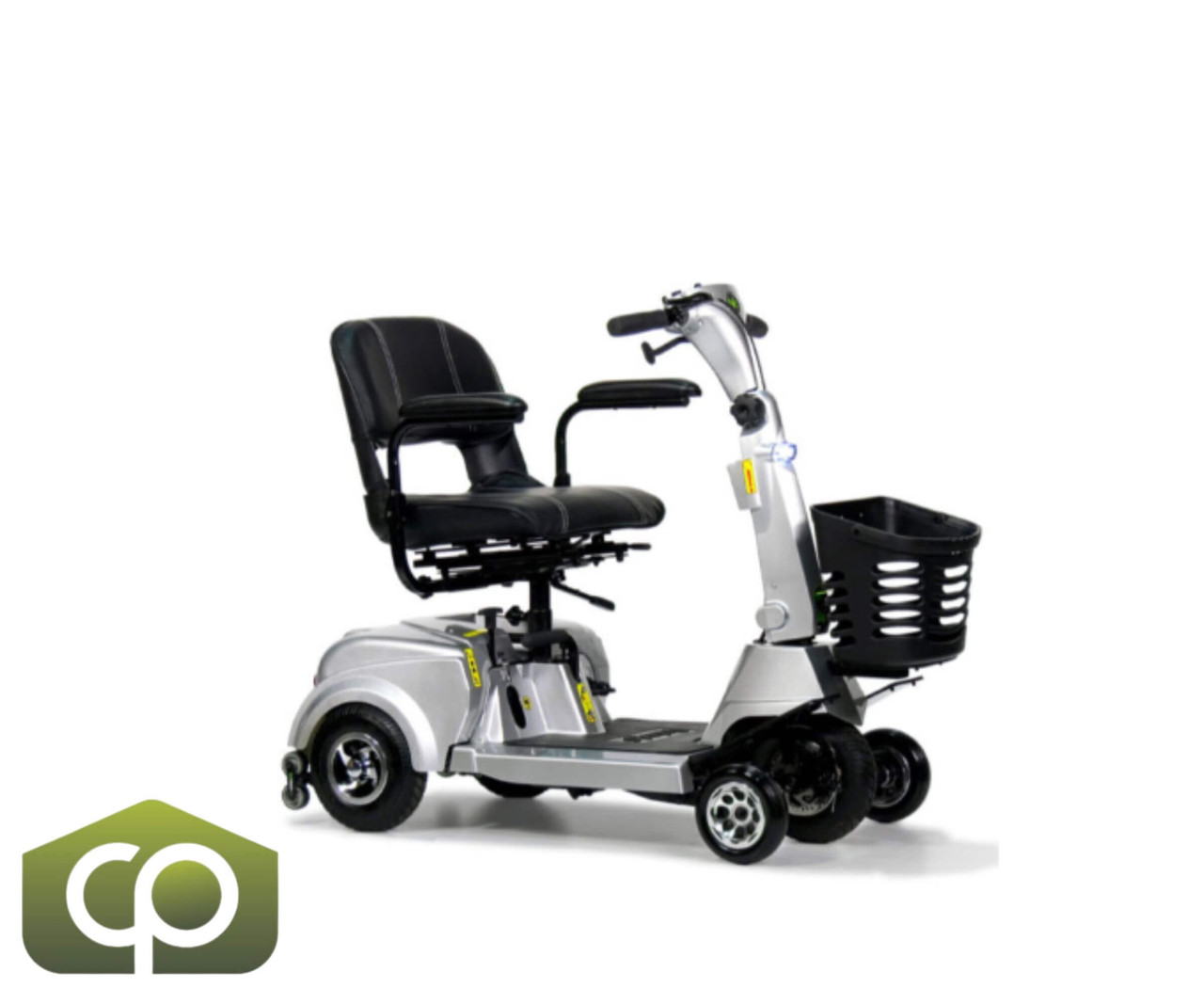
| ComfyGo Quingo | 15 mph | 28 miles | Five |
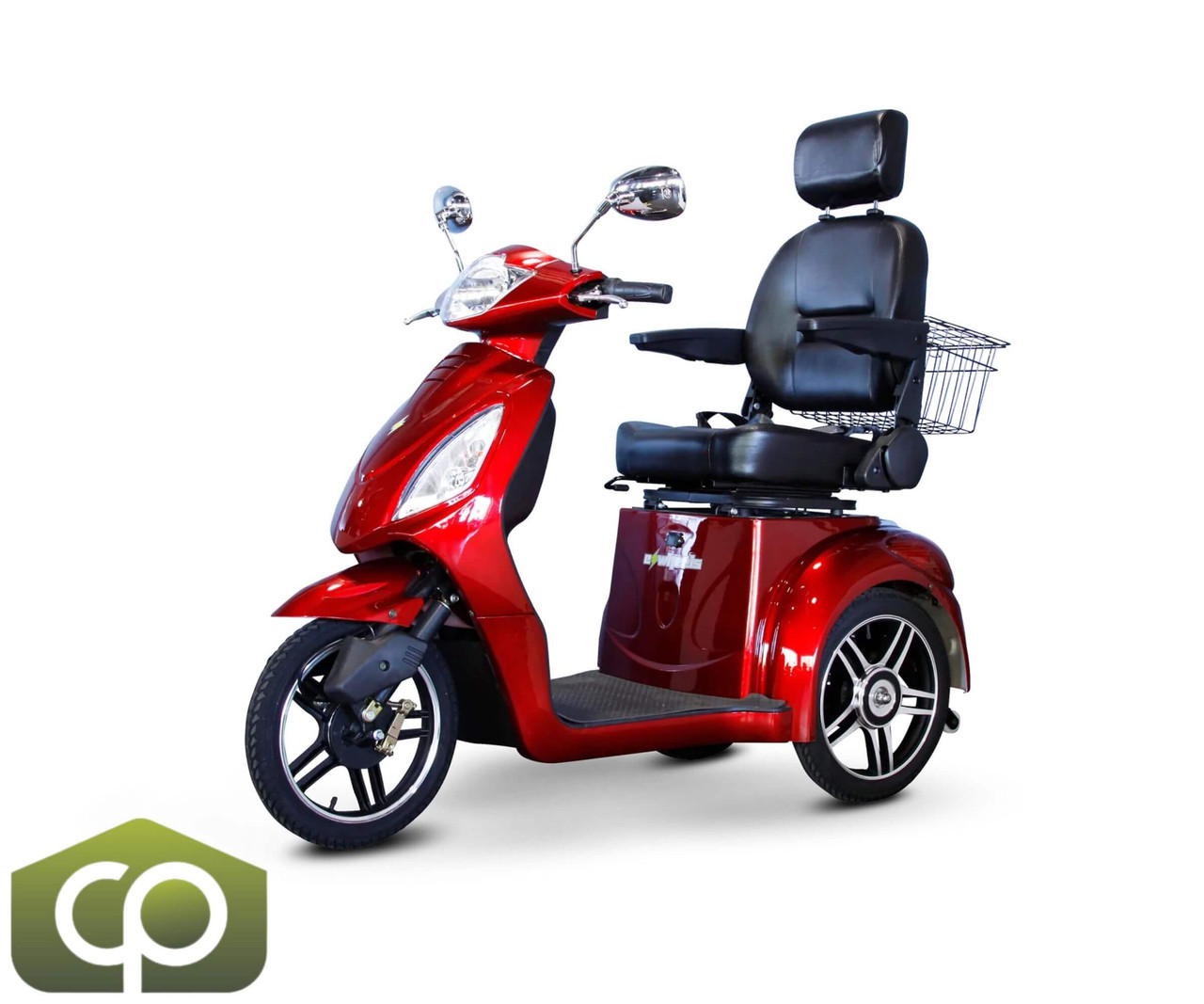
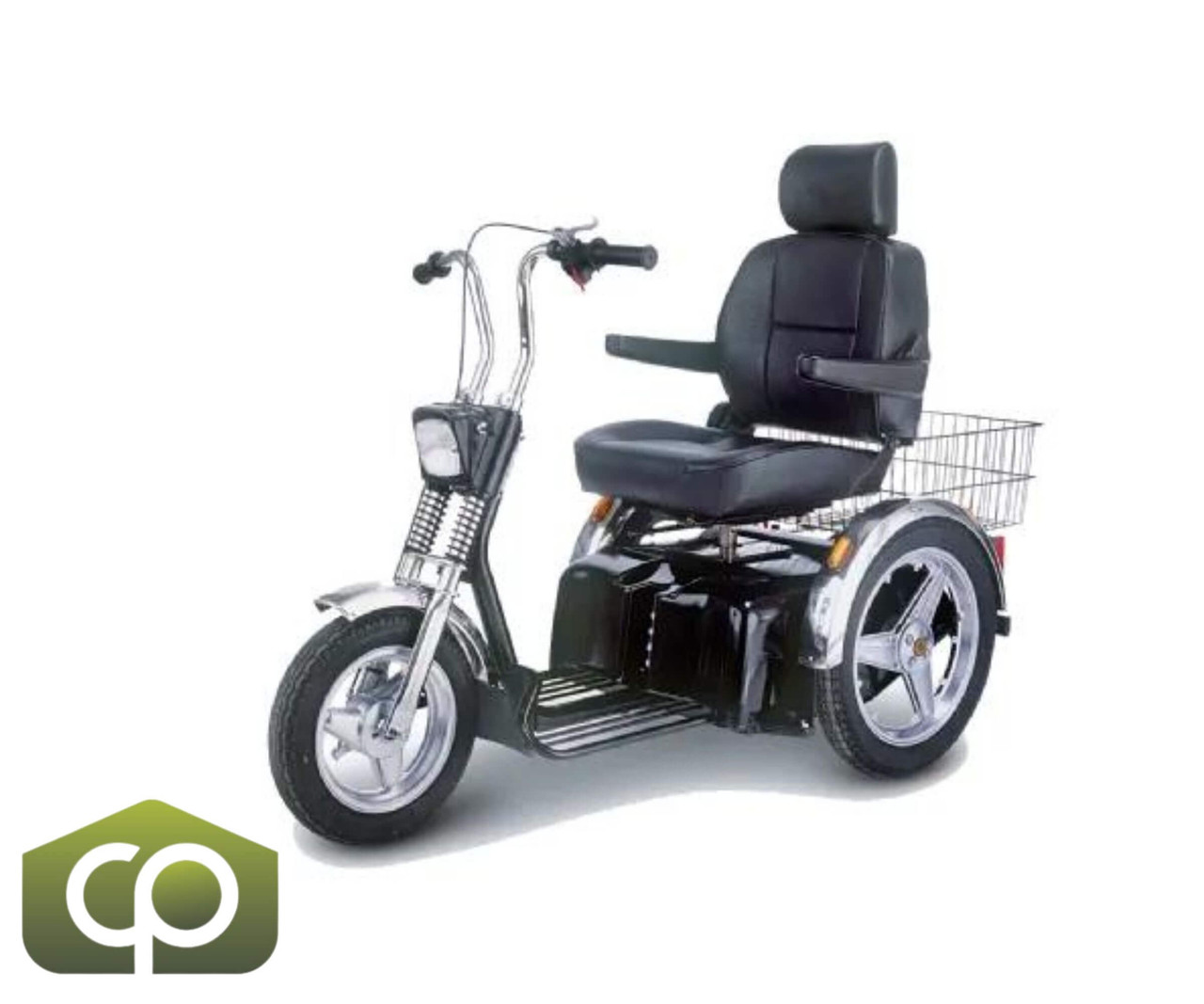
| EWheels EW-36 | 15 mph | 20 miles | Three |
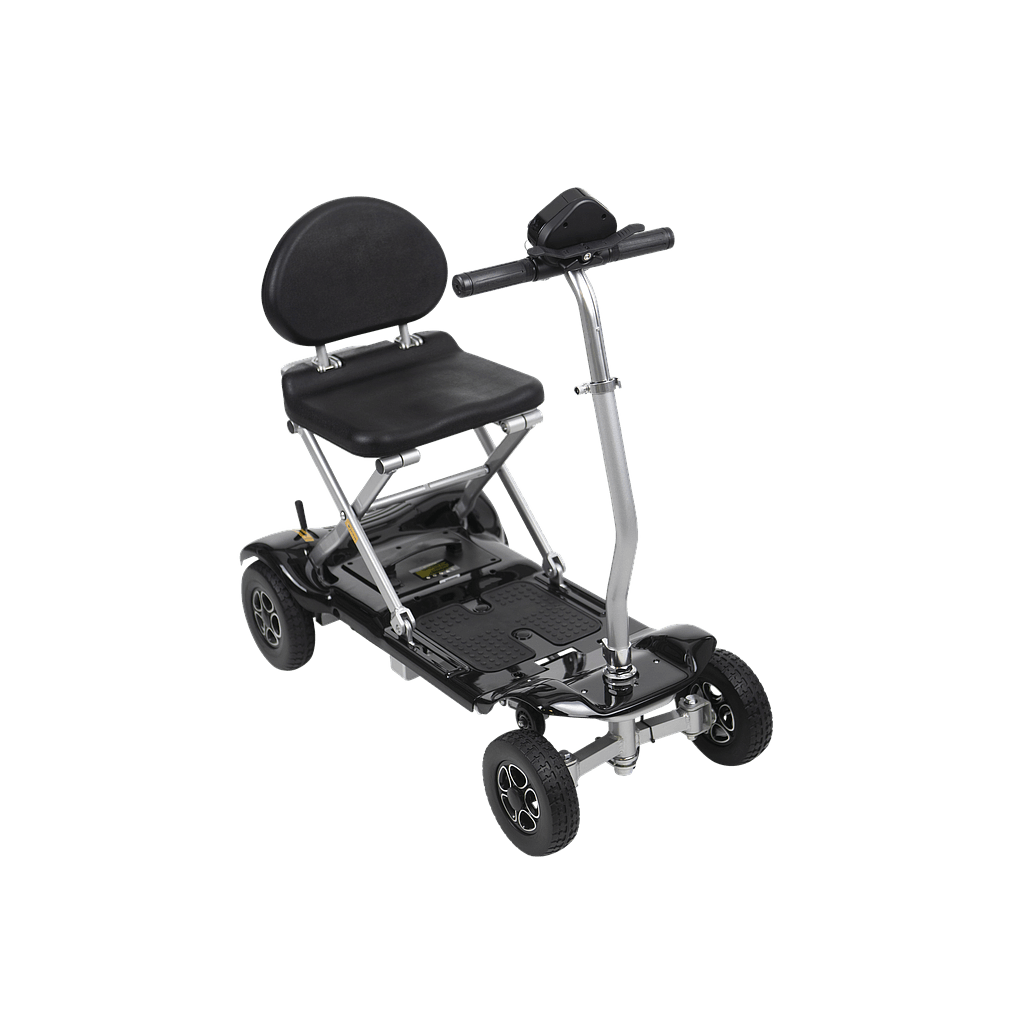
| Vive Folding | 15 mph | 16 miles | Four |
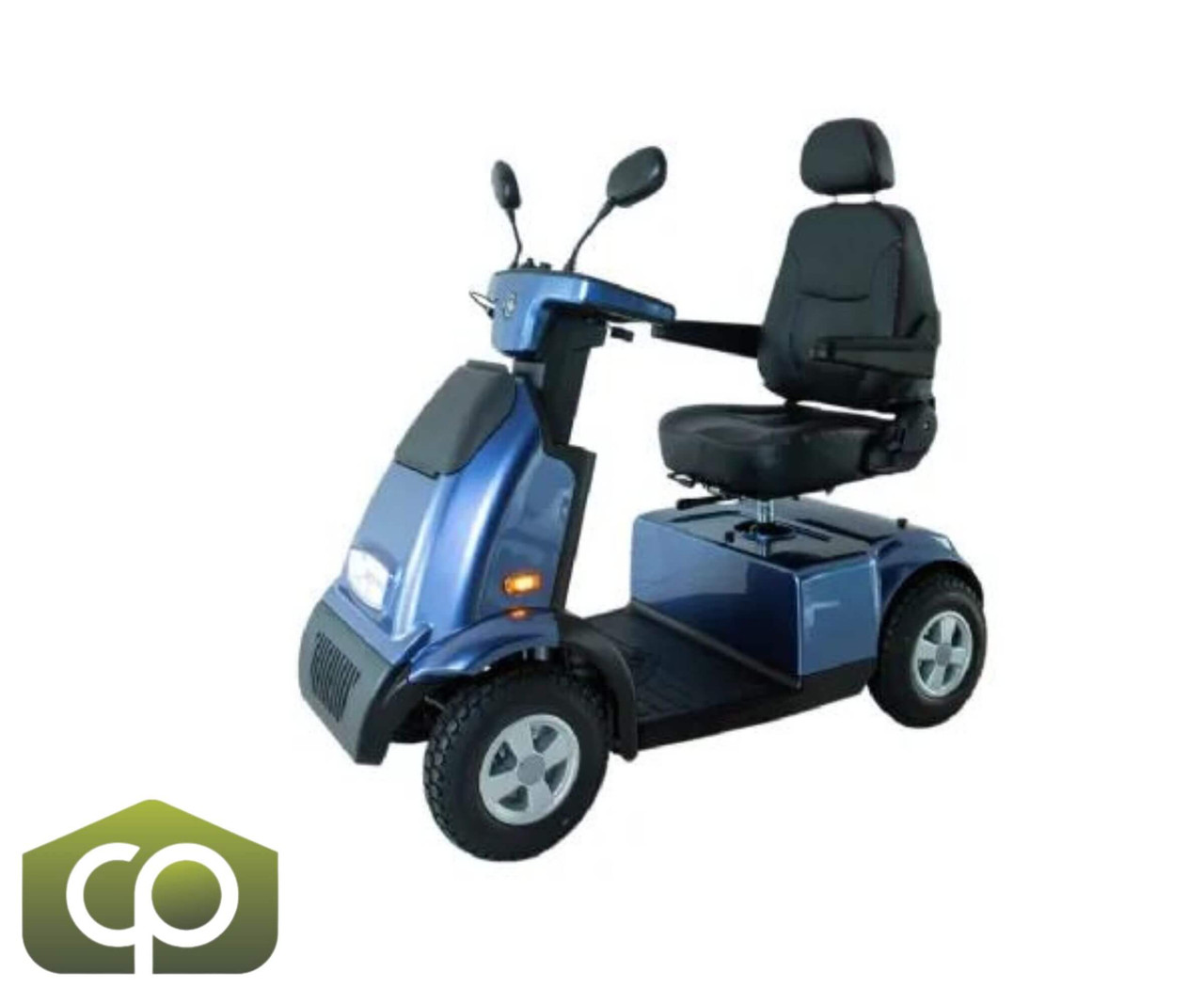
| Vive Series C | 15 mph | 19 miles | Three |
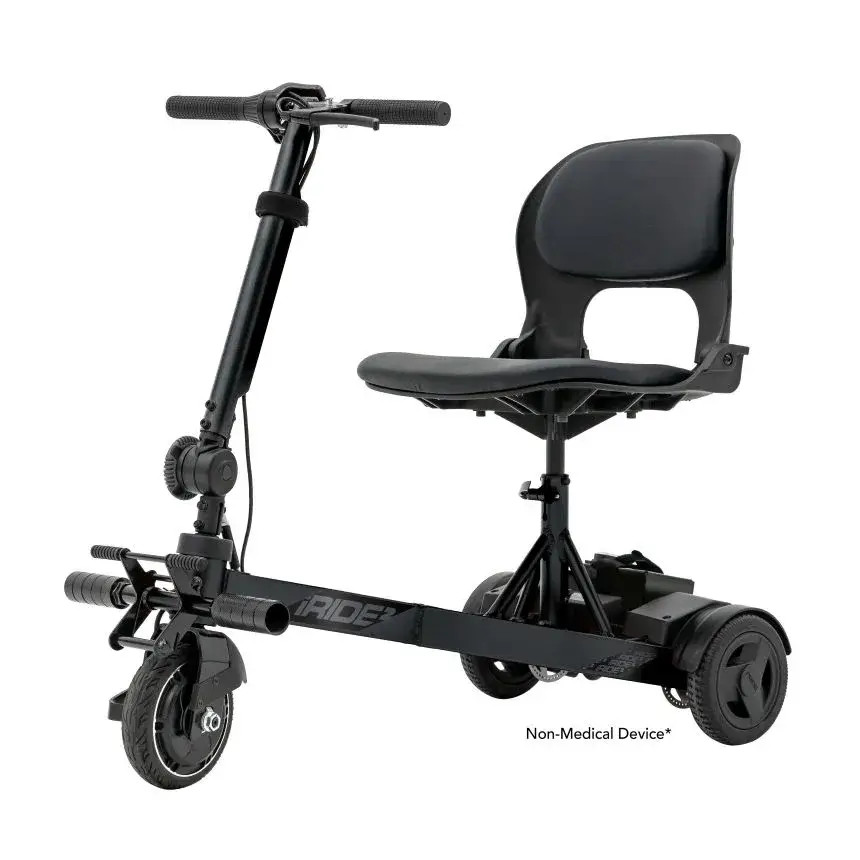
| Pride iRide 2 | 15 mph | 17 miles | Three |
| Afiscooter Breeze | 9.3 mph | 14 miles | Three |
Browse Our Complete Mobility Range
Explore our full selection of certified scooters suitable for Canadian travel requirements.

What Canadian property managers say
Hear from other property managers and operators who rely on our equipment.
Our guests love the Afiscooter S3. It folds easily and meets all airline battery rules we checked. The long range means they can explore Calgary without worrying about charging stations nearby during their stay.
We switched to the Vive Series C for our facility. The compact size fits perfectly in elevator spaces and cars. Guests appreciate how lightweight it is, making independent travel much simpler for everyone involved.
The Pride iRide 2 has been a great addition to our rental fleet. It handles well on various terrains and complies with transport regulations easily. Guests report high satisfaction with its comfort and ease of use.
Travel Regulations: Frequently Asked Questions
Do I need to declare my mobility scooter at check-in?
Yes, you should always declare mobility scooters when checking in for a flight. Airlines need this information to arrange proper handling and storage. Failure to declare may result in delays or refusal of transport.
Can I carry lithium batteries in checked luggage?
No, spare lithium batteries are generally prohibited in checked baggage due to fire risks. They must be carried in your personal carry-on items with terminals protected against short circuits during transit.
What happens if my battery exceeds watt-hour limits?
Batteries over one hundred sixty watt-hours are usually banned on passenger flights. You may need to arrange alternative transport for the device or use a different power source that meets airline safety standards.
Are there fees for checking mobility scooters?
Most Canadian airlines do not charge extra fees for checking mobility aids as essential equipment. However, policies can vary, so confirm with your carrier directly to avoid unexpected costs at the airport.
How early should I arrive for security screening?
Arrive at least two hours before domestic flights and three hours for international ones. This allows ample time for additional screening procedures required for mobility devices without rushing or stress.
Can airlines damage my foldable scooter during handling?
While airlines take care, damage can occur during rough handling. Using a sturdy protective case and removing fragile parts reduces risk significantly. Consider travel insurance for added peace of mind regarding potential issues.
Do I need a medical certificate to fly with a scooter?
Generally, no medical certificate is required just for transporting a mobility scooter. However, if you have specific health conditions affecting travel, consult your doctor and airline for any additional documentation needs.
What if the airline refuses to transport my scooter?
If refused, ask for a written explanation citing specific policy violations. You may request alternative arrangements or file a complaint later. Having prior communication records helps resolve disputes more effectively.
Are there weight limits for checked mobility devices?
Yes, most airlines enforce strict weight limits for all checked items, including scooters. Ensure your device plus packaging stays within these limits to avoid excess baggage fees or rejection at the counter.
How do you calculate shipping on bulk orders?
We calculate shipping on live carrier rates at checkout, not on flat or subsidized tiers. Every order is priced against real LTL, parcel, or pallet-freight quotes from our Calgary warehouse to your dock. That means you never absorb hidden shipping costs into product margins — what we charge is what the carrier charges us, plus a small handling pass-through. For bulk and pallet orders this typically runs 15–25% lower than competitors who bake shipping into their unit prices, because the rate is transparent and tied to the actual shipment weight and distance.
Related guides from ChickenPieces
Why Choose ChickenPieces for Your Needs
We provide reliable equipment and expert support tailored to Canadian business requirements.
Local Expertise
Our Calgary-based team understands regional regulations and customer needs. We offer personalized advice to help you select the right products for your specific operational environment and goals.
Quality Assurance
We source only from reputable manufacturers known for durability and safety. Every product undergoes rigorous testing before reaching our inventory, ensuring high standards for all clients who purchase items.
Fast Fulfillment
Our efficient logistics network ensures quick delivery across Canada. We minimize downtime for your business by getting essential supplies to you promptly, keeping operations running smoothly without interruption or delay.
Regulatory Compliance
All products meet Health Canada and CFIA compliance standards where applicable. We stay updated on changing regulations to ensure your inventory remains legal and safe for use in professional settings today.
Request a Quote Today
Ready to upgrade your mobility solutions? Contact us for a customized quote tailored to your specific needs. Our team is ready to assist you.
Request a QuoteAuthoritative Sources
The following government and public-health sources informed the operator guidance above. Citations to Reddit, Quora, and operator forums appear in the FAQ block above.