
 US Dollar

2026 Jul 10th
Master Kitchen Voltage: Selecting 120V vs 208V vs 240V
Canadian kitchens use three main voltages. Standard outlets provide 120V for smaller units. Larger commercial buildings often have 208V or 240V service. Matching equipment to your building’s electrical panel prevents tripped breakers and ensures appliances run at full power.
Master Kitchen Voltage: Selecting 120V vs 208V vs 240V Equipment
This guide helps property managers and facility operators choose the correct voltage rating for commercial kitchen equipment to prevent damage and ensure optimal performance in Canadian buildings.
Key Takeaways
Key points to consider before purchasing new kitchen equipment.
Check Building Specs
Verify your electrical panel capacity. Older buildings may only support single-phase power. Knowing your available amperage prevents costly rewiring projects when installing high-demand commercial appliances in existing spaces.
Match Voltage Ratings
Ensure the appliance voltage matches your supply. Using a 120V device on 208V causes damage. Mismatched power leads to immediate failure or voids warranties. Always consult an electrician before installation.
Power Output Matters
Higher voltage allows greater wattage. A 240V microwave heats faster than a 120V unit. For high-volume food service, higher power reduces wait times and improves throughput during peak hours significantly.
Energy Efficiency Gains
Correct voltage usage improves efficiency. Underpowered units run longer to complete tasks. This wastes energy and increases utility costs over time. Proper matching ensures optimal performance per kilowatt hour used.
Safety Compliance First
Adhere to Canadian electrical codes. Improper installation risks fire hazards. Always hire licensed professionals for wiring. Ensure all components meet CSA standards for commercial kitchen environments and daily heavy use.
Plan for Growth
Consider future equipment needs. Upgrading voltage capacity later is expensive. Designing your kitchen with higher voltage potential now saves money. It allows flexibility for adding more powerful appliances as business scales up.
Understanding Canadian Commercial Power Standards
Learn the differences between standard residential and commercial electrical supplies in Canada.
Canadian buildings vary widely in electrical infrastructure. Residential units typically offer 120V single-phase power. This comes from standard outlets found throughout homes. Commercial properties often include higher voltage options. These support heavy machinery and large appliances. Knowing your building’s setup is the first step.
Three-phase power systems are common in larger facilities. They provide 208V or 240V depending on configuration. This higher capacity supports industrial-grade equipment efficiently. Many office buildings and restaurants have these lines installed. Identifying what you have prevents installation delays later.
Voltage determines how much energy flows to devices. Higher voltage allows more power without increasing amperage. This reduces strain on wiring circuits. It is safer for continuous high-load applications. Understanding this helps select the right appliance.
When to Choose 120V Appliances
Identify scenarios where standard voltage equipment is the best fit for your space.
Standard 120V appliances suit low-volume environments. Cafes, offices, and small Airbnb units benefit from them. These devices plug directly into existing wall sockets. No electrician is needed for basic installation. They offer convenience and ease of use for simple cooking tasks.
Power limits exist with standard voltage. Microwaves capped at 1000W are typical here. Cooking times may be longer than high-power units. For light-duty use, this is acceptable. It balances cost savings with adequate performance for small groups or individual meals.
Flexibility is a major advantage of 120V gear. You can move them between rooms easily. They work in any standard Canadian outlet. This suits dynamic spaces where equipment moves often. Renters and short-term hosts find this adaptability highly valuable.
Benefits of 208V and 240V Systems
Discover why high-power kitchens require upgraded electrical connections for optimal performance.
Commercial kitchens demand heavy power loads. 208V and 240V systems deliver this capacity effectively. Appliances run cooler and last longer under proper voltage. Overloading 120V circuits causes frequent breaker trips. Upgrading protects your equipment investment and ensures reliability.
Higher wattage means faster cooking cycles. A 3000W microwave heats food in half the time of a 1000W unit. This efficiency matters in high-volume settings. Staff spend less time waiting for meals. Guests receive hot food quicker, improving overall service experience significantly.
Installation requires professional electrical work. Hardwiring these units ensures safe operation. Proper grounding and circuit breakers are essential. While initial setup costs more, long-term savings outweigh them. Efficient energy use lowers monthly utility bills substantially.
Verifying Equipment Compatibility with Your Panel
Steps to ensure your chosen appliance matches your building's electrical capacity.
Never assume compatibility based on plug shape alone. Internal components dictate power needs. A device may look standard but require special wiring. Always read the technical specifications sheet carefully. This prevents dangerous mismatches and potential fire hazards in your facility.
Consult your building manager or electrician early. They can confirm available capacity for new loads. Adding high-power equipment might require panel upgrades. Planning ahead avoids surprises during installation phases. It ensures smooth integration into existing infrastructure systems.
Dual-voltage models offer some flexibility. Some units switch between 208V and 240V automatically. Verify if your candidate has this feature. It provides safety margins for varying building standards. This adaptability is useful when moving between different properties.
Electrical Safety Standards in Canadian Kitchens
Adhering to local codes protects staff and property from electrical hazards.
Canadian Electrical Code sets strict guidelines. All commercial kitchens must comply fully. Proper grounding prevents shock hazards. Adequate ventilation protects against overheating components. Regular inspections ensure ongoing safety for staff and visitors in the workplace environment.
Circuit breakers protect against overloads. Each appliance needs its own dedicated line if possible. Sharing circuits causes instability and risks fire. Professional installers know how to balance loads correctly. They ensure compliance with local municipal regulations as well.
Staff training is part of safety protocols. Users must understand power limits. Overfilling microwaves or misusing outlets creates dangers. Clear signage helps prevent accidents. Education reduces liability and promotes a culture of safety within your organization daily.
Planning for Long-Term Electrical Needs
Strategies to accommodate future growth and equipment upgrades in your facility.
Business needs change over time. You may add more stations later. Planning for higher voltage now avoids major retrofits. It keeps expansion costs low and manageable. Think ahead about potential menu expansions or volume increases.
Energy efficiency trends favor higher power tools. They complete tasks quickly using less total energy. Investing in 240V ready infrastructure supports this shift. It prepares your facility for modern, efficient appliances. This forward thinking pays dividends over years.
Resale value improves with updated electrical systems. Buyers prefer properties with reliable power supplies. Upgrading panels increases asset worth significantly. It makes your property more attractive to tenants or investors seeking high-capacity spaces.
Voltage Comparison for Commercial Microwaves
Compare key features of different voltage options to find the best fit for your kitchen.
| Feature | 120V Models | 208V Models | 240V Models |
|---|---|---|---|
| Typical Wattage | Up to 1000W | 1700W - 2100W | 2100W - 3000W |
| Plug Type | Standard NEMA 5-15 | Hardwired or L6-20P | Hardwired or L6-30P |
| Cooking Speed | Slower | Fast | Very Fast |
| Installation Cost | Low | Moderate | High |
| Best For | Small Offices, Airbnbs | Cafes, Small Restaurants | Large Cafeterias, Hotels |
| Circuit Requirement | Shared or Dedicated | Dedicated 20A+ | Dedicated 30A+ |
| Energy Efficiency | Good for Low Use | High for Medium Use | Highest for Heavy Use |
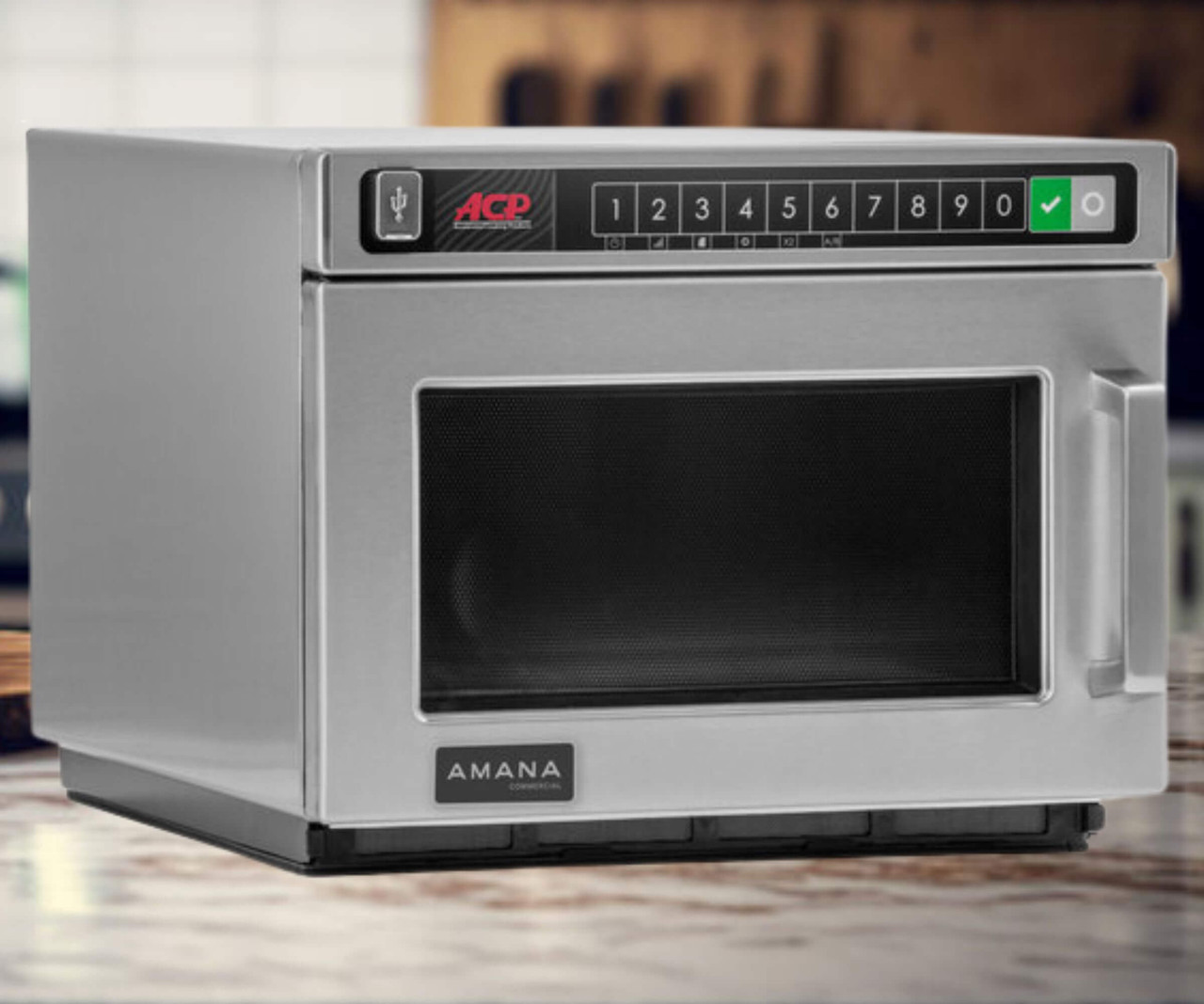
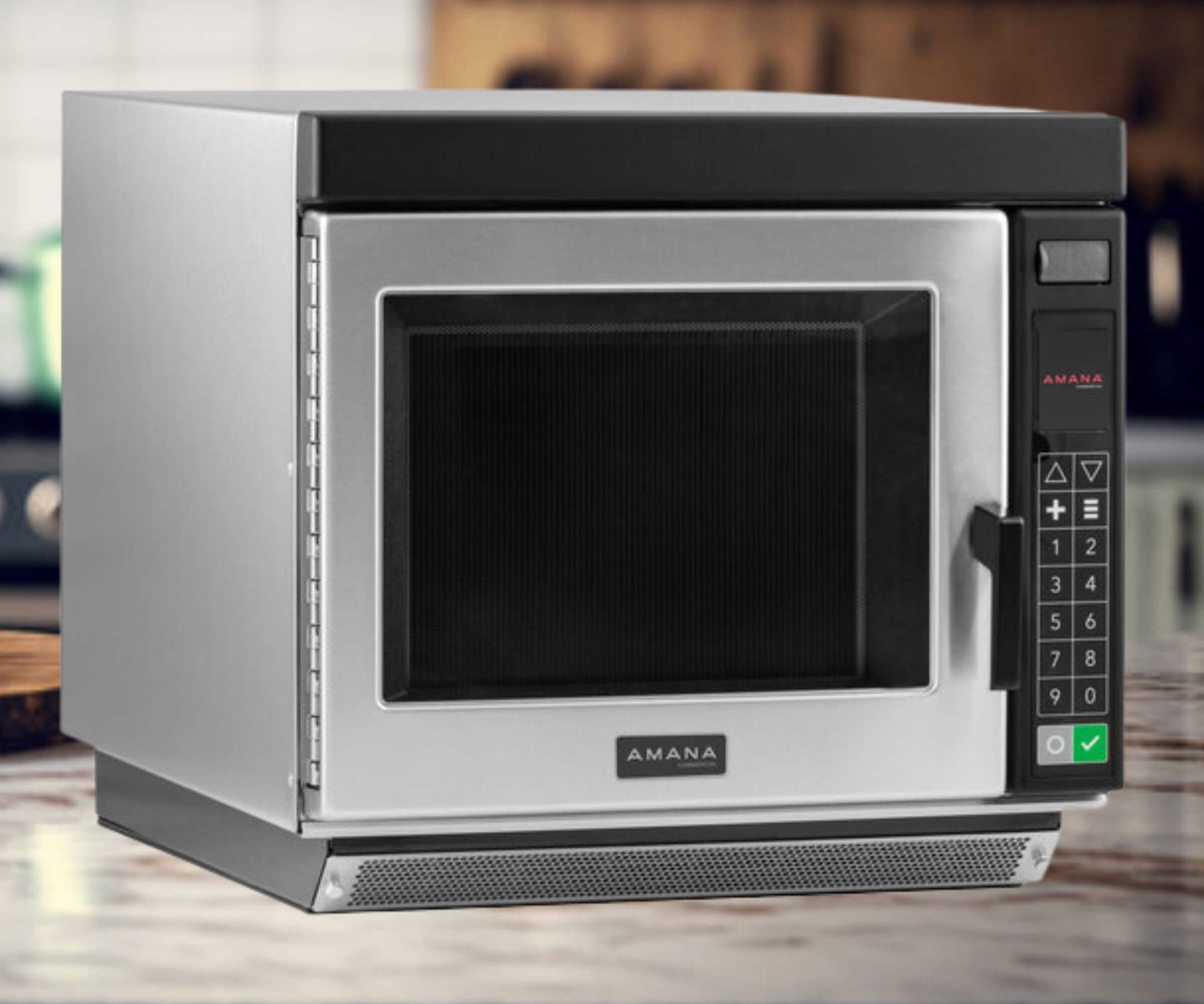
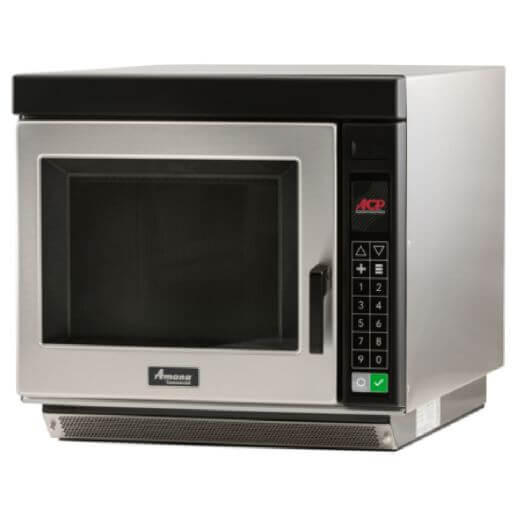
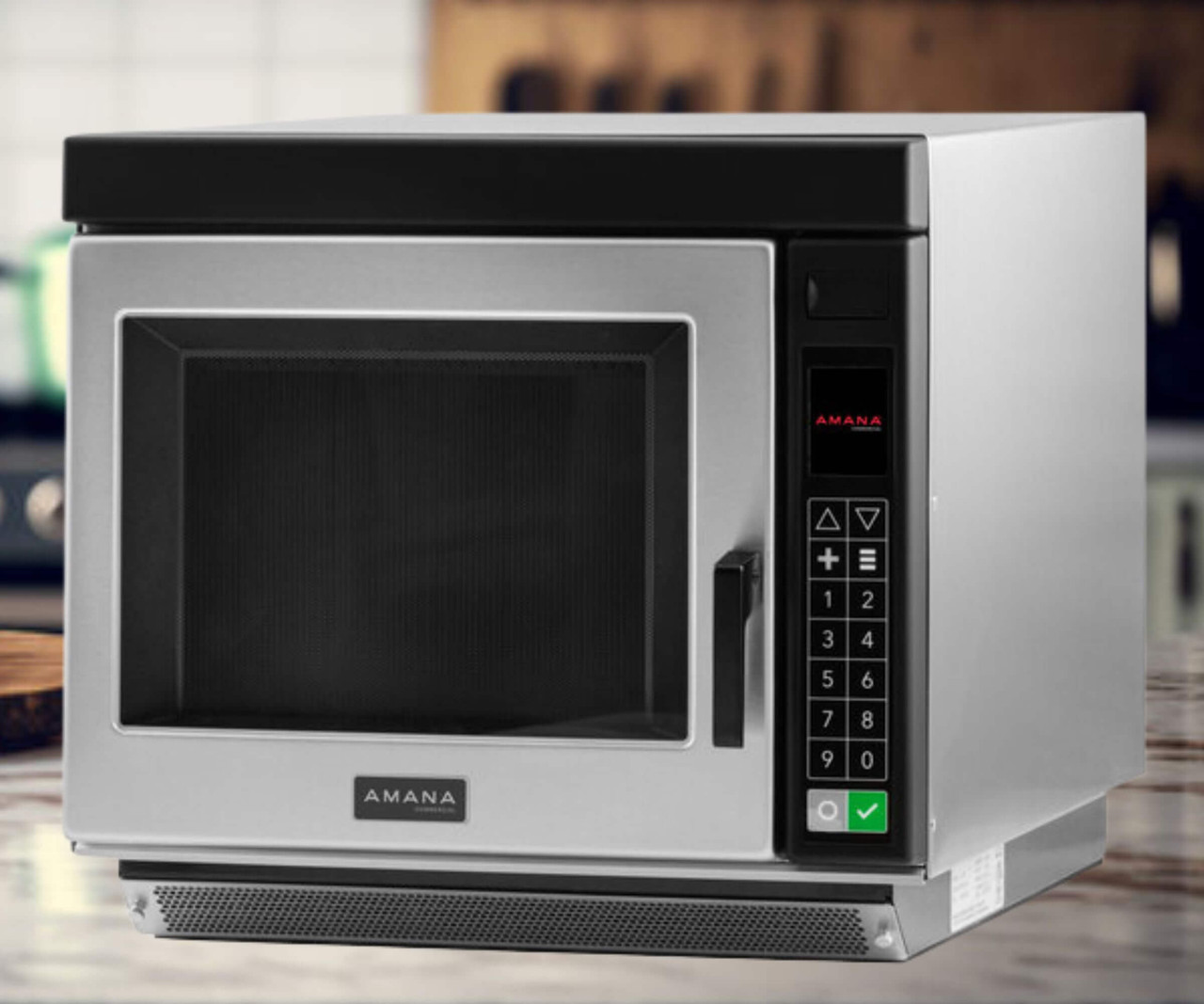
Browse Our Voltage-Specific Inventory
Find the right power rating for your specific building requirements.
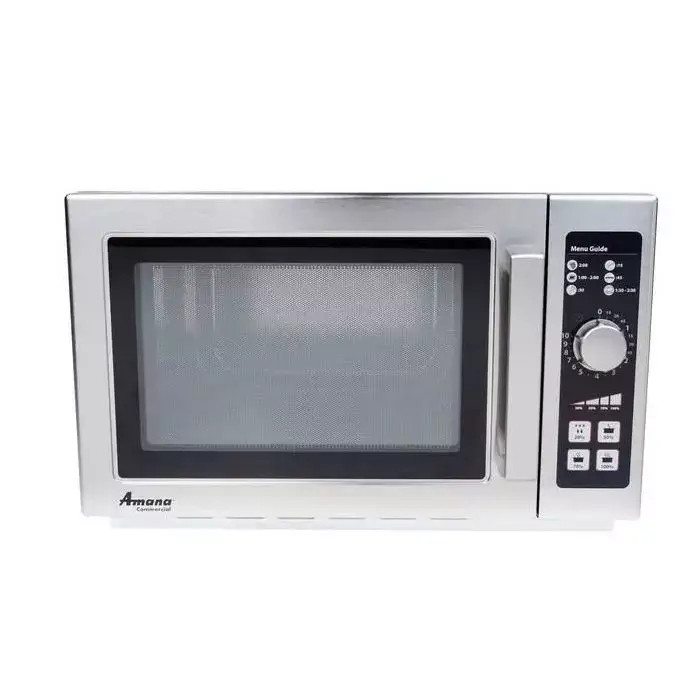
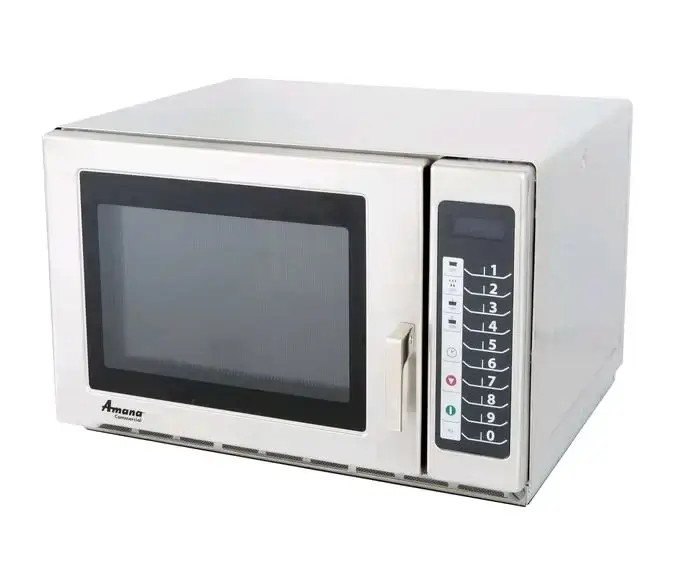
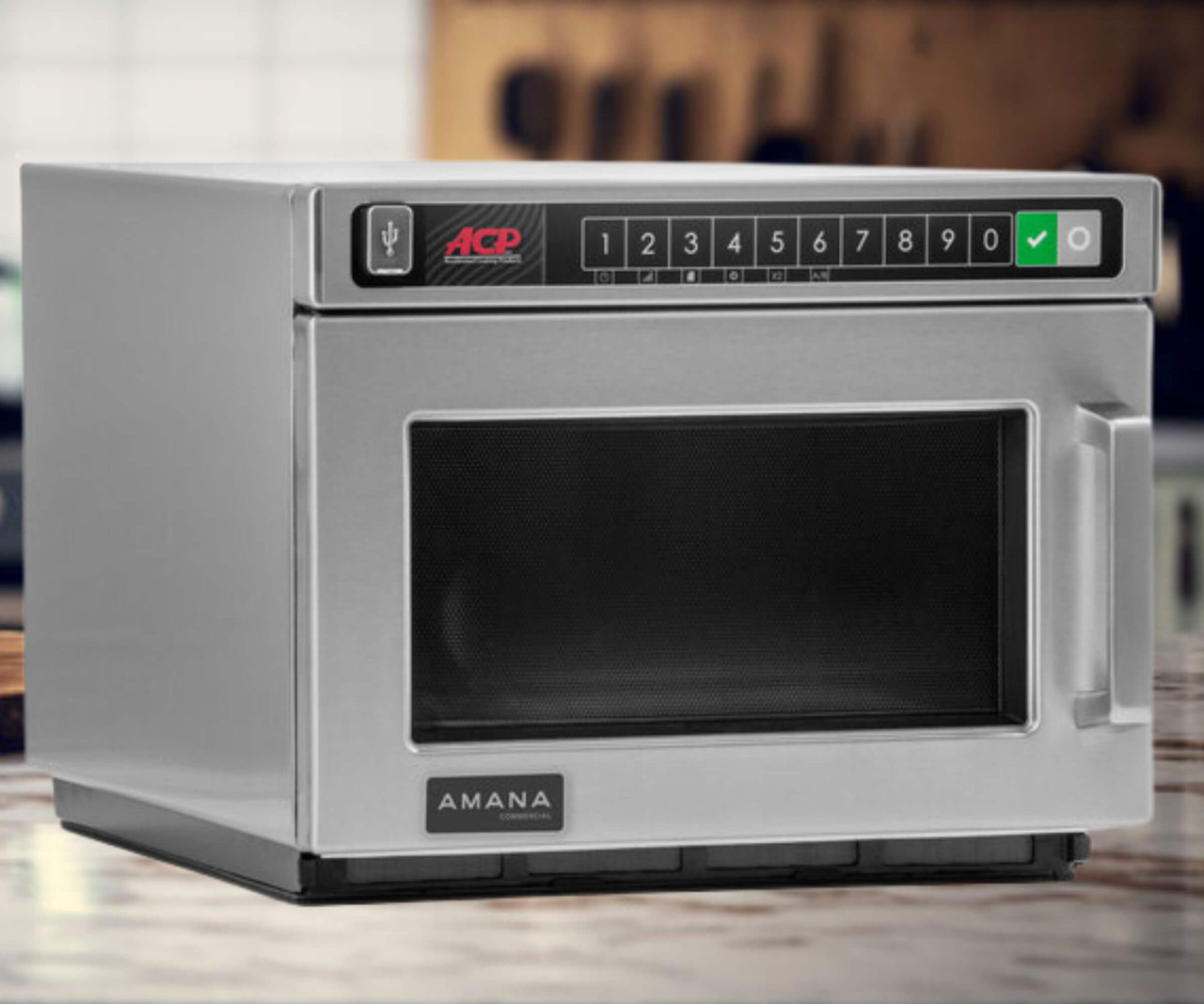
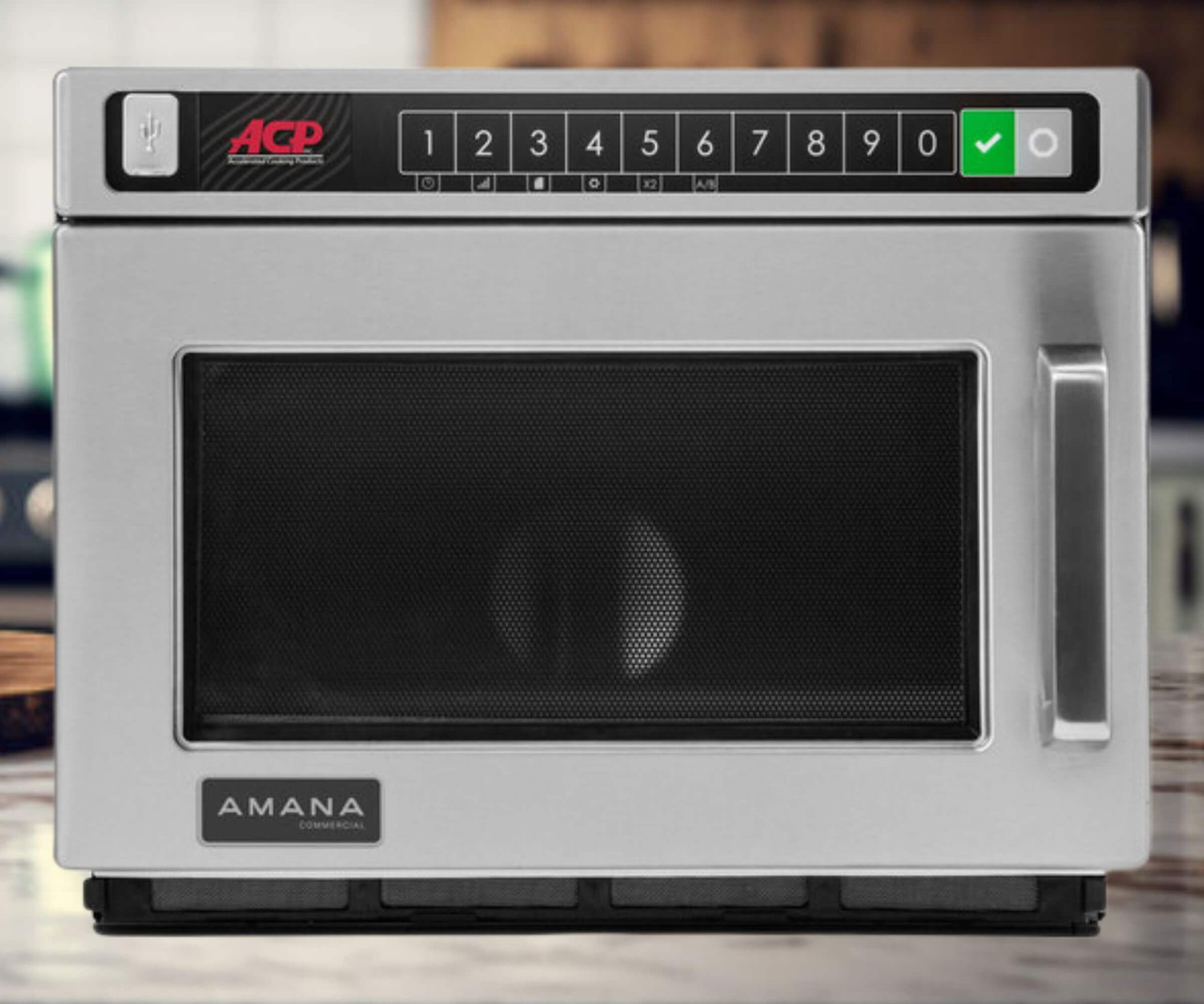

What Canadian facility operators say
Hear from Canadian operators who optimized their kitchen power.
We upgraded our office breakroom to a 120V model. It fits perfectly into existing outlets without calling an electrician. Staff love the quick heat-up time for lunches. Installation was instant and hassle-free for our small team setup.
Our cafe switched to a 208V unit. The cooking speed doubled compared to our old one. It handles the morning rush easily now. Customers get hot coffee and pastries faster. The investment paid off within months of use.
Managing a hotel required high-power solutions. We installed 240V microwaves in all suites. Guests appreciate the fast service during busy travel seasons. The dedicated circuits ensure reliability without tripping breakers often.
Common Voltage Questions: Frequently Asked Questions
Can I use a 120V microwave on a 240V outlet?
No, never do this. It will destroy the appliance immediately. The voltage mismatch causes excessive current flow. This leads to blown components or fire hazards. Always match the device rating to your supply exactly.
How do I know if my building has 208V?
Check your electrical panel label. Look for three-phase power indicators. Consult your property manager or an electrician. They can measure the voltage between phases. This confirms availability before you purchase equipment.
Is it worth upgrading from 120V to 240V?
For high-volume kitchens, yes. The speed difference is significant. It improves efficiency and reduces wait times. Initial installation costs are higher but offset by performance gains. Consider your daily usage volume carefully.
Do all commercial microwaves require hardwiring?
Most high-voltage units do. They draw too much power for standard plugs. Hardwiring ensures a secure and safe connection. Always follow manufacturer instructions strictly. Improper wiring voids warranties and creates risks.
Can I install these units myself?
High-voltage installations require licensed electricians. It is unsafe for untrained individuals to handle. Local codes mandate professional work for commercial power. Hiring pros ensures compliance and protects your property from liability.
What happens if I overload a circuit?
Breakers will trip to prevent damage. Frequent tripping indicates an overloaded system. This disrupts operations and signals potential wiring issues. Consult an electrician to balance loads properly across your panel circuits.
Are dual-voltage microwaves common?
Some commercial models support both 208V and 240V. They adjust automatically to the supply voltage. Check specifications for this feature before buying. It offers flexibility if your building has mixed power sources available.
How does voltage affect energy bills?
Higher voltage appliances often finish tasks faster. This reduces total runtime and energy consumption per meal. While they draw more amps, the duration is shorter. Overall efficiency improves with proper voltage matching for heavy use.
Do I need a permit for electrical upgrades?
Yes, most municipalities require permits for new circuits. This ensures work meets local safety codes. Your electrician usually handles the paperwork. Skipping permits risks fines and insurance problems later on.
How do you calculate shipping on bulk orders?
We calculate shipping on live carrier rates at checkout, not on flat or subsidized tiers. Every order is priced against real LTL, parcel, or pallet-freight quotes from our Calgary warehouse to your dock. That means you never absorb hidden shipping costs into product margins — what we charge is what the carrier charges us, plus a small handling pass-through. For bulk and pallet orders this typically runs 15–25% lower than competitors who bake shipping into their unit prices, because the rate is transparent and tied to the actual shipment weight and distance.
Related guides from ChickenPieces
Why Buy From ChickenPieces
We provide reliable supplies and expert guidance for Canadian facilities.
Local Calgary Support
Our team understands regional building codes. We offer quick responses to technical questions. Local presence means faster shipping across Western Canada. Trust our expertise for your specific needs.
Wide Product Range
We stock various voltage options. Whether you need 120V or 240V, we have it. Our inventory covers all commercial kitchen categories. Find everything you need in one place easily.
Expert Guidance
We ensure all products meet strict standards. Each item complies with Health Canada regulations. This guarantees safety and quality for your operations. Shop with confidence in our certified goods.
No Minimum Orders
Order one case or one pallet -- no MOQ gates. Scale purchasing with occupancy instead of committing to distributor volume tiers.
Request a Custom Quote Today
Contact us for personalized advice on voltage needs. We help you select the best equipment for your facility.
Request a QuoteAuthoritative Sources
The following government and public-health sources informed the operator guidance above. Citations to Reddit, Quora, and operator forums appear in the FAQ block above.