
1970 Jan 1st
Bulk Napkins & Paper Products in Canada
Source: Health Canada Food Safety Guidelines; FDA Food Code.
Buying bulk paper products reduces waste and ensures consistent quality for your team. You gain access to durable napkins, towels, and cups that meet strict hygiene standards. This approach simplifies inventory management while supporting sustainable operations across all facility types.
Stock Bulk Napkins & Paper Products for Canadian Restaurants Efficiently
Facility managers and restaurant owners need reliable stock to maintain daily service standards. Our wide selection ensures you never run low on essential paper products or hygiene supplies during peak hours.
Key Takeaways
These points explain how to select the right paper goods for your specific operational needs.
Assess Daily Usage Rates
Track consumption patterns to determine optimal case sizes. This prevents overstocking and reduces storage clutter in back-of-house areas. Accurate tracking helps maintain steady supply levels without interrupting service flow.
Prioritize Absorbency Strength
Choose materials that handle heavy spills effectively. Strong fibers prevent tearing during use, which maintains a clean environment. High-quality stock supports efficient cleaning routines and improves overall guest satisfaction significantly.
Check Eco-Friendly Options
Select recycled or plant-based materials to reduce environmental impact. Many modern products offer equal durability with lower carbon footprints. This choice aligns with corporate sustainability goals and appeals to conscious consumers visiting your venue.
Verify Bulk Packaging Specs
Ensure case dimensions fit your storage space comfortably. Standardized packaging simplifies handling and stacking procedures for staff. Proper sizing reduces manual labor time and minimizes damage during transport into the facility.
Evaluate Color Consistency
Uniform appearance enhances brand presentation across all service areas. Consistent hues create a professional look that reinforces your identity. Matching colors help maintain visual coherence in dining rooms, restrooms, and kitchen zones.
Plan Restocking Schedules
Set regular delivery intervals to avoid emergency orders. Predictable schedules allow staff to prepare storage areas efficiently. This routine prevents stockouts and keeps operations running smoothly during busy periods without interruption.
Assess Your Facility Paper Needs
Understanding consumption rates helps you choose the right volume for consistent service.
Start by reviewing historical data from previous quarters. This reveals patterns in peak demand periods and slow seasons. Knowing when you use more supplies allows for proactive ordering rather than reactive scrambling. It also helps negotiate better terms with suppliers who value predictable volume commitments from their clients over time.
Consider the specific areas requiring paper products separately. Restrooms, dining rooms, and kitchens often have distinct needs based on traffic flow. Separating these categories prevents cross-contamination risks and ensures each zone has appropriate materials. Tailored stocking strategies improve hygiene standards and reduce waste significantly in high-traffic commercial environments.
Involve staff feedback in the selection process too. Front-line workers know which brands perform best under pressure. Their insights can highlight issues with thinness or absorbency that management might miss. Incorporating their preferences leads to higher satisfaction and smoother daily operations across all departments within your facility.
Choose Durable Napkin Varieties
High-quality napkins enhance guest experience while maintaining cost control through bulk purchasing.
Dinner napkins serve both functional and aesthetic roles. They must withstand moisture from drinks and food residues effectively. Look for embossed designs that add texture and perceived value to the dining experience. These details contribute to a premium feel even when using standard paper materials for everyday service.
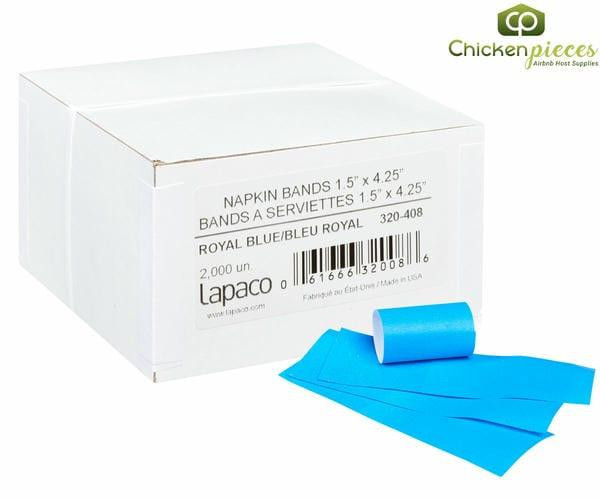
Band-style napkins offer convenience for quick-service establishments. The adhesive strip keeps settings tidy during transit or outdoor seating events. This feature reduces loss rates compared to loose sheets that blow away easily. It also streamlines setup times for large groups arriving simultaneously at your venue.
Color matching plays a subtle but important role in branding. Consistent hues reinforce your visual identity across all touchpoints. Neutral tones work well for versatility, while branded colors create memorable impressions. Select shades that complement your decor without clashing with tableware or lighting conditions.
Prioritize Restroom Supply Quality
Reliable toilet paper and towels ensure comfort and hygiene for all visitors.
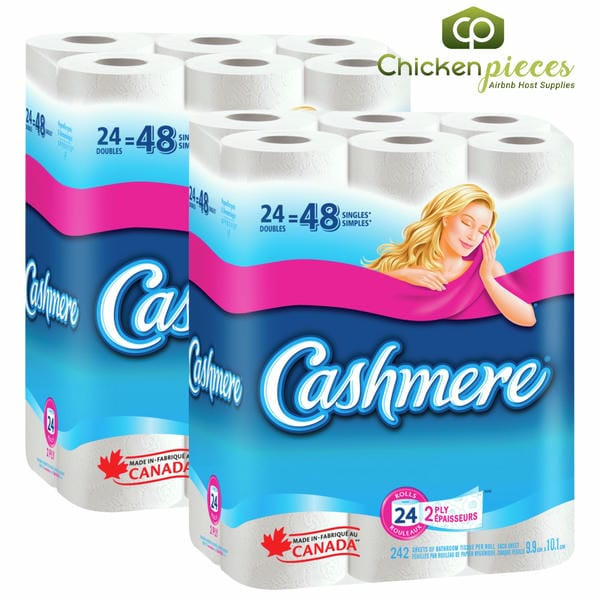
Toilet paper thickness affects user satisfaction directly. Thin sheets may tear easily, causing frustration and increased usage rates. Thicker rolls last longer per person, reducing overall consumption volume. Investing in quality here saves money long-term by lowering restocking frequency and disposal costs associated with frequent changes.
Paper towels need strong absorbency for wet hands. Quick drying prevents drips on floors, which reduces slip hazards significantly. Look for products designed for high-speed dispensers to maximize efficiency. These systems deliver controlled amounts, preventing waste from excessive pulling or hoarding by users.
Dispenser compatibility matters for smooth operations. Ensure chosen supplies fit existing hardware without modification. Mismatches cause jams and messes that disrupt service flow. Standardized sizes simplify inventory management and allow easier substitution if one brand becomes unavailable temporarily.
Select Eco-Friendly Beverage Solutions
Insulated cups and bowls made from renewable resources support green initiatives.
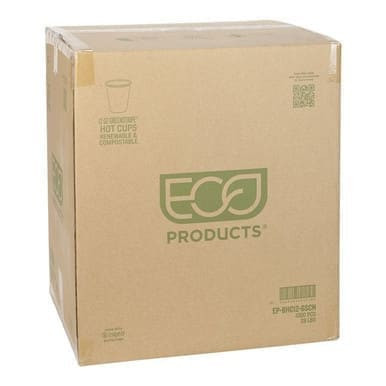
Hot drink cups require insulation to keep beverages warm. Double-wall construction traps heat effectively without external sleeves. This design improves customer comfort and reduces material waste from extra holders. It also presents a cleaner, more modern image aligned with contemporary café trends.
Greenstripe patterns signal environmental responsibility clearly. Customers recognize these designs as indicators of sustainable sourcing practices. Choosing such items demonstrates commitment to ecological stewardship publicly. It enhances brand reputation among environmentally conscious patrons who value ethical business decisions.
Sugarcane bowls offer sturdy alternatives to plastic containers. They withstand hot and cold temperatures without leaching chemicals. This material is biodegradable and compostable under industrial conditions. Switching to these options helps meet regulatory requirements for single-use items in many jurisdictions.
Optimize Inventory Management Practices
Efficient storage systems prevent damage and ensure easy access for staff.
Label shelves clearly with product names and quantities. This speeds up retrieval times during busy shifts significantly. Staff can locate needed items quickly without searching through multiple boxes. Clear labeling reduces errors and ensures correct products are used in appropriate areas consistently.
Rotate stock using first-in-first-out methods. Older cases should be used before newer deliveries arrive. This prevents expiration issues with date-sensitive goods like certain adhesives. Regular rotation maintains freshness and quality throughout the entire inventory cycle effectively.
Keep backup supplies readily accessible near point-of-use locations. Emergency kits allow immediate response to sudden shortages or spills. This preparedness minimizes downtime and keeps service uninterrupted. Strategic placement reduces travel time for employees managing multiple zones simultaneously.
Ensure Regulatory Compliance Standards
All products must meet Canadian safety and health regulations strictly.
Health Canada sets strict rules for materials contacting food. Ensure all paper goods comply with these specifications fully. Non-compliant items pose legal risks and potential health hazards. Regular audits help identify gaps before they become serious problems affecting your license status.
CFIA guidelines cover broader aspects of supply chain integrity. Traceability becomes essential if recalls occur unexpectedly later on. Maintaining detailed records simplifies investigation processes significantly. Transparent documentation protects your business from liability claims arising from contaminated products.
Local bylaws may impose additional restrictions too. Municipalities often require specific disposal methods for certain materials. Understanding these rules avoids fines and operational disruptions. Proactive compliance demonstrates professionalism and responsibility to regulators and community members alike.
Compare Paper Product Features
Review key attributes to determine which items best suit your daily operational requirements.
| Product Type | Absorbency Level | Eco-Friendly Option | Bulk Availability |
|---|---|---|---|
| Dinner Napkins | High | Yes | Cases of 3000 |
| Paper Towels | Very High | Recycled | Rolls per Case |
| Hot Cups | Insulated | Sugarcane Base | Units per Box |
| Toilet Paper | Medium | Standard | Double Rolls |
| Soup Bowls | Sturdy | Biodegradable | Stackable Packs |
| Band Napkins | Standard | Adhesive Strip | Sheets per Case |
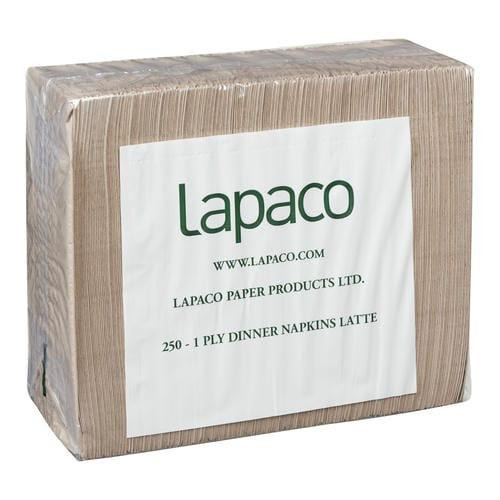
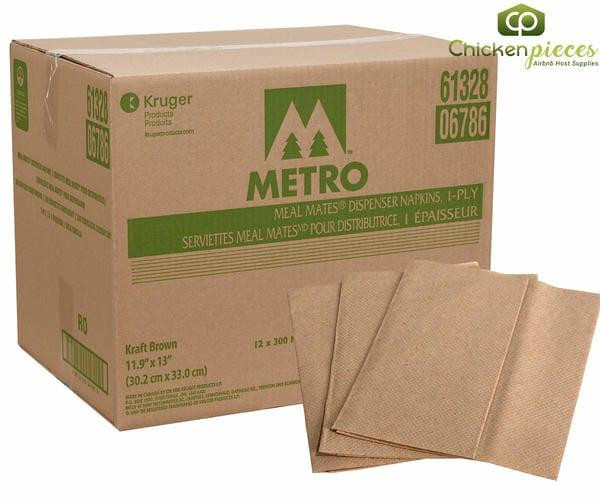
| Kraft Napkins | Moderate | Recycled Content | Sheets per Pack |
Browse Our Paper Range
Explore our complete collection of bulk paper goods designed for commercial use.



People Also Ask
Real questions buyers search before they order — answered straight.
What is the best quality paper napkin for a restaurant?
For most venues, quality comes down to ply and absorbency: two-ply napkins feel softer and hold up better than thin one-ply, while dispenser napkins are sized for high-traffic self-serve. The best choice depends on the setting, as casual counters can run lighter napkins while table service tends to want a heavier, more presentable option. Buying a consistent house napkin in bulk keeps both the quality and the look the same across every table.
Is it better to use paper or cloth napkins in a restaurant?
Paper napkins are lower effort and lower risk for hygiene, since each one is used once and binned, with no laundry cost or turnaround. Cloth feels more upmarket but adds washing, replacement, and stock handling, which is why many casual and fast-paced venues stay with paper. Plenty of restaurants use both: paper for everyday service and cloth for special settings.
Are paper towels or paper napkins more economical for a venue?
Napkins are made for the table and tend to be the tidier, more presentable option, while paper towels are built for cleaning and spills. Using towels as napkins can feel wasteful and often works out less economical, because they are bulkier and get used more heavily. Matching the right product to each job, with napkins on tables and towels in the kitchen, usually gives the best value overall.
Are paper napkins recyclable?
Clean, unused paper napkins can sometimes be recycled, but once they have been used with food, grease, or moisture they generally cannot go in standard recycling. Most used napkins are better suited to organic or compost streams where a venue has them. Checking your local council or waste provider's rules is the safest way to sort them correctly.
Are paper napkins compostable or biodegradable?
Plain, unbleached, uncoated paper napkins are usually compostable and biodegradable, including the food residue on them, which makes them a good fit for organic waste bins. Napkins with heavy printing, dye, or plastic-style coatings break down less cleanly, so simpler napkins are the greener choice. For venues with commercial composting, food-soiled napkins are often accepted where recycling would reject them.
Are paper napkins microwave safe?
Plain white paper napkins are generally microwave safe for short spells, such as covering a plate to stop splatter, provided they have no metallic ink or foil trim. Printed or coloured napkins are best kept out of the microwave, as some dyes and coatings are not designed for heat. As a rule, use a plain napkin and keep the time short.
What Canadian facility managers say
Read feedback from customers who rely on our supply chain for their daily operations.
Switching to these insulated cups improved our coffee service significantly. Customers notice the temperature retention and appreciate the eco-friendly design. Our waste output dropped noticeably since making this change last quarter.
The bulk toilet paper rolls last much longer than previous brands. We refilled dispensers half as often, saving staff time and reducing overall costs. The quality is consistent every single order we place.
Band napkins kept our outdoor event settings tidy despite windy conditions. Guests loved the convenience and our staff appreciated fewer replacements needed. Highly recommended for large gatherings requiring reliable service items.
Shipping & Returns: Frequently Asked Questions
Are the Gordon Choice GFS bulk napkins sold on ChickenPieces.com CFIA-approved for food contact in Canadian restaurants?
Source: Source
Do the napkins carry UL ECOLOGO (UL 175) certification, and what does that mean for a restaurant's sustainability claims?
Source: Source
Are these bulk napkins compostable? Can I claim they are 'compostable' in my restaurant marketing?
Source: Source
What is Division 23 of the Food and Drug Regulations, and how does it apply to paper napkins in a restaurant?
Source: Source
What is the difference between UL ECOLOGO (UL 175) and BPI compostability certification? Do the ChickenPieces napkins have either?
Source: Source
Does Canada's Single-Use Plastics Prohibition affect paper napkins, and do any compostability regulations apply to bulk paper foodservice products?
Source: Source
Are there specific Health Canada or CFIA requirements for napkin paper dyes, inks, or bleaching in foodservice napkins?
Source: Source
How can a Canadian restaurant make verifiable environmental claims about using bulk paper napkins without greenwashing?
Source: Source
Related guides from ChickenPieces
Why Choose Our Supply Partner
We provide reliable, compliant products with dedicated support for your business needs.
Fast Nationwide Delivery
Our logistics network ensures timely arrivals across all provinces. You receive orders promptly to maintain uninterrupted service flow without unexpected delays affecting your operations.
Dedicated Account Support
Personal representatives assist with order tracking and issue resolution. They understand your unique challenges and provide tailored solutions quickly to keep your facility running smoothly every day.
Consistent Quality Control
Every batch undergoes rigorous testing before shipment. This guarantees uniform performance across all deliveries, ensuring predictable results that meet your high standards for guest satisfaction.
Regulatory Compliance Focus
All items adhere strictly to Health Canada and CFIA guidelines. We verify documentation regularly to protect your business from legal risks associated with non-compliant materials in food service environments.
Request Your Custom Quote Today
Contact us now to discuss your specific requirements. Our team will create a tailored proposal that fits your budget and operational goals perfectly.
Request a Quote