
2026 Sep 7th
Best Restaurant Supply Wholesalers in Canada Compared
Sysco Canada and Gordon Food Service dominate national broadline distribution with multi-province networks. Flanagan Foodservice leads Ontario and Atlantic Canada with personalized service. Costco Business Centre, Wholesale Club, and online suppliers including ChickenPieces fill gaps for smaller operators and remote locations.
Best Restaurant Supply Wholesalers in Canada Compared
Facility operators, property managers, and foodservice buyers need reliable supply partners; this comparison covers national broadliners, warehouse clubs, and online alternatives across Canada.
Key Takeaways
Six practical points to guide your wholesaler selection.
Broadliners suit scale
Sysco and GFS serve large and multi-unit operations with negotiated pricing, volume discounts, and technology platforms for inventory tracking.
Regional independents add service
Flanagan and Pratts compete on account relationships and flexibility, often winning loyalty from family-run and medium-sized businesses.
Cash-and-carry fills gaps
GFS Marketplace and Costco Business Centre let operators buy between scheduled deliveries without minimum orders or account negotiations.
Online lowers barriers
ChickenPieces and similar platforms offer guest checkout, no minimums, and direct shipping to smaller or remote operations.
Dual sourcing is common
Many restaurants use multiple distributors simultaneously, matching each vendor to specific product categories for optimal coverage.
Equipment needs differ
Broadline distributors focus on consumables; full kitchen equipment requires specialized dealers with design and installation services.
Sysco Canada and GFS: National Scale
The two largest broadline distributors operate coast-to-coast with distinct strengths.
Sysco Canada maintains distribution centers in every major province, serving chains, hotels, and resorts with comprehensive food products, equipment, and supplies. Their technology platforms include advanced reporting tools for inventory management. Negotiated list pricing with volume discounts rewards larger accounts with predictable costs.
Gordon Food Service Canada runs nine distribution centers and is privately held, which supports flexible pricing and a customer-first reputation. Their online ordering system is technology-forward, and they are particularly competitive on produce and dairy in core markets. The GFS Marketplace cash-and-carry stores provide between-delivery shopping that Sysco currently lacks.
The choice between these two often depends on operation size and geography. Sysco's international scale and specialty product range favor large chains needing nationwide consistency. GFS excels for family-owned restaurants and smaller operations that value rep access and the flexibility of walk-in purchasing.
Flanagan and Western Canada Options
Independent distributors compete on relationships and local knowledge.
Flanagan Foodservice is Canada's largest Canadian-owned independent foodservice distributor, concentrated in Ontario and Atlantic Canada. Their 10,000-plus item catalog and personalized service emphasis distinguish them from scale-focused national competition. Healthcare, catering, and fine dining operations are core segments.
In Western Canada, Pratts Food Service specializes in Alberta, Saskatchewan, and Manitoba with regional expertise that national broadliners sometimes lack. Zast Foods serves Eastern Canada from Quebec with French-language support, a practical requirement for many operators in that province.
Regional distributors often deliver faster response times and customized solutions. Their smaller scale can mean more attentive account management, though product breadth may trail national competitors. For operators outside major urban corridors, regional coverage sometimes determines feasibility more than catalog size.
Costco Business Centre and Cash-and-Carry
Warehouse formats serve small operators without formal account requirements.
Costco Business Centre operates in Mississauga, New Westminster, East Gwillimbury, and Winnipeg with a cash-and-carry warehouse format. Restaurants, offices, and small businesses buy bulk quantities directly. The model suits operators with storage capacity who prefer to control their own pickup timing.
Sysco is planning to introduce the Restaurant Depot warehouse format to Canada, responding to competitive pressure from established warehouse clubs. This format targets smaller operators priced out of traditional broadline delivery minimums.
Warehouse shopping demands staff time and vehicle access. The trade-off is immediate product availability without delivery scheduling. For fill-in orders between scheduled broadline deliveries, cash-and-carry prevents stockouts that disrupt service.
ChickenPieces and Digital-First Suppliers
Online wholesalers remove geography and account barriers for dispersed operations.
ChickenPieces.com ships nationwide from Calgary to all Canadian provinces with no minimum order requirement. Buyers purchase single cases or full pallets with equal pricing flexibility. Account creation offers order history, saved payment, stored addresses, and personalized recommendations.
Processing takes one to two business days with delivery typically two to six business days via UPS. This timeline suits planned inventory replenishment rather than emergency restocking. Previous US shipments are paused due to tariffs; the operation remains Canada-focused.
Digital-first suppliers suit remote locations outside broadline distribution zones, small operators without volume use, and buyers who prefer self-service ordering. The trade-off is longer delivery times compared to regional distributors with local fleets.
How to Choose Your Supply Partner
Five factors separate suitable matches from costly mismatches.
Start with your location. National broadliners cover major population centers; remote facilities may need regional or online alternatives. Map your delivery address against each distributor's network before evaluating catalogs.
Product range alignment matters more than total SKU count. A 10,000-item broadline catalog means little if your menu depends on specialty items only available through niche distributors. UNFI, Tree of Life, and Krinos serve organic, natural, and ethnic segments that broadliners stock thinly.
Logistics capabilities include delivery frequency, temperature-controlled transport, and order minimums. Multi-temperature trucks protect frozen, refrigerated, and dry goods simultaneously. Account minimums may exclude small operators from broadline service entirely.
Where to Source Kitchen Equipment
Broadline distributors concentrate on consumables, not full equipment lines.
Sysco and Gordon Food Service core business is consumables. Their equipment selections are limited compared to specialized dealers. Operators building or renovating kitchens need dedicated equipment suppliers with design and installation capabilities.
Nella Cutlery and Pinnacle Food Equipment provide nationwide or regional shipping with design services. Regional dealers offer local access though quality varies. Refurbished suppliers like Canada Food Equipment provide budget options for cost-conscious buyers.
Specialty distributors serve single brands only. TFI Food Solutions handles Taylor, Henny Penny, Franke, Lightfry, and Icetro equipment. Matching equipment source to project scope prevents gaps between what a broadliner can supply and what a kitchen actually requires.
Canadian Restaurant Supply Wholesalers Compared
Match supplier characteristics to your operation size, location, and purchasing preferences.
| Supplier | Minimums & access | Delivery model | Best-fit buyer |
|---|---|---|---|
| Sysco Canada | Negotiated account, volume discounts | Multi-province distribution network | Large chains, hotels, multi-unit operations |
| Gordon Food Service | Negotiated account, GFS Marketplace open | Scheduled delivery plus cash-and-carry | Mid-size independents, family restaurants |
| Flanagan Foodservice | Negotiated account | Regional multi-temperature fleet | Ontario/Atlantic operators, personalized service |
| Costco Business Centre | Business membership required, no product minimums | Cash-and-carry, self-pickup | Small operators with storage, vehicle access |
| Wholesale Club | Membership, varies by location | In-store plus limited delivery | Western and central Canada small businesses |
| Amazon Business | Account creation, variable seller terms | Carrier delivery, timelines vary | Emergency fill-ins, hard-to-find items |
| ChickenPieces | No minimum, guest checkout available | UPS ground, 2-6 business days | Remote operators, Airbnb hosts, small facilities |
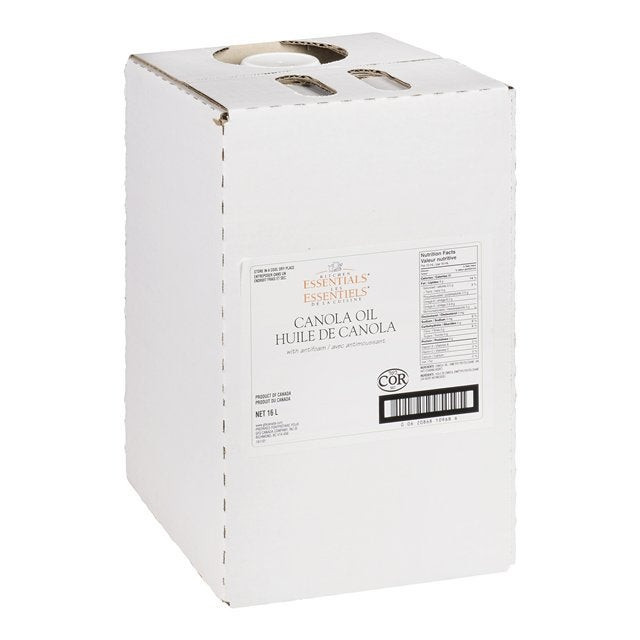
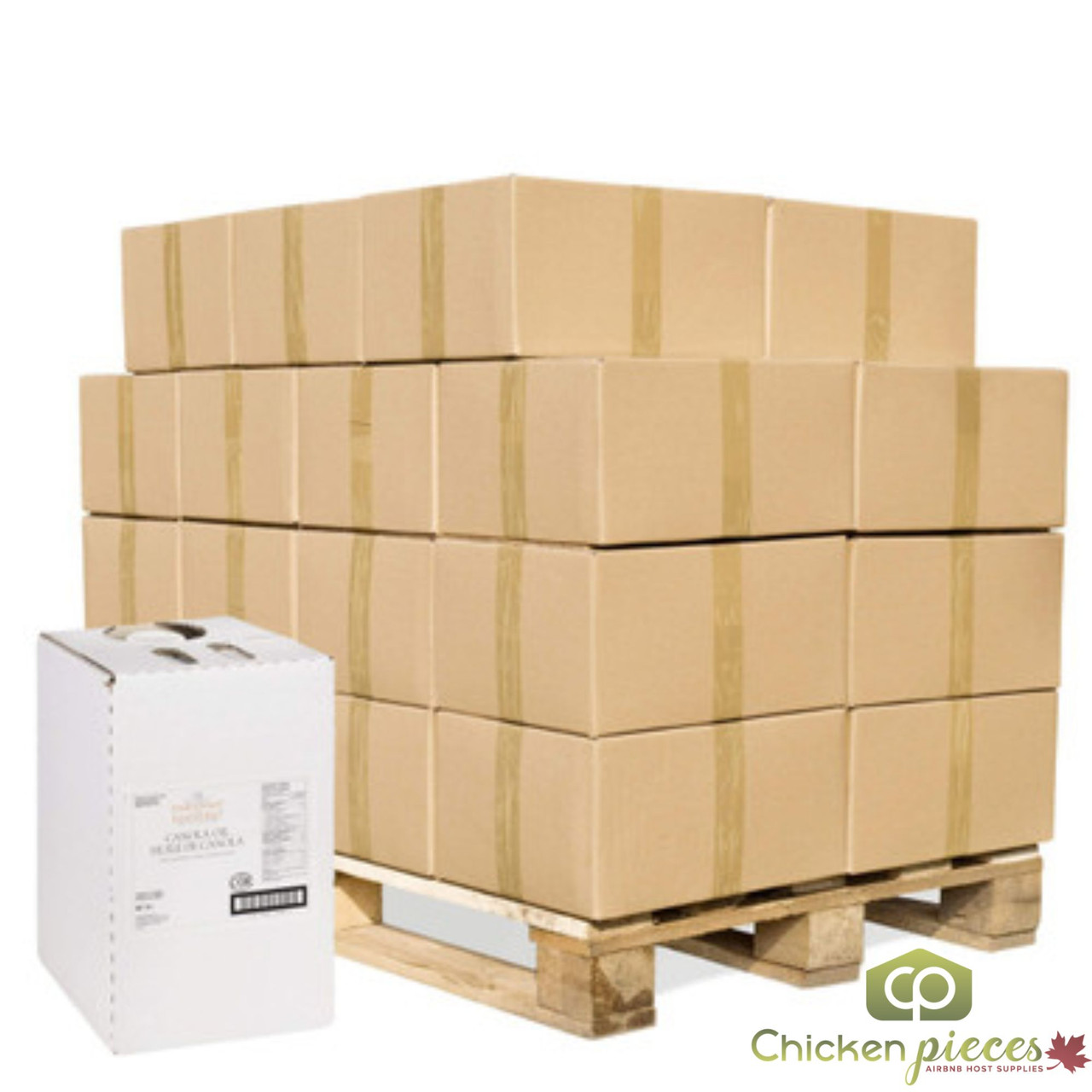
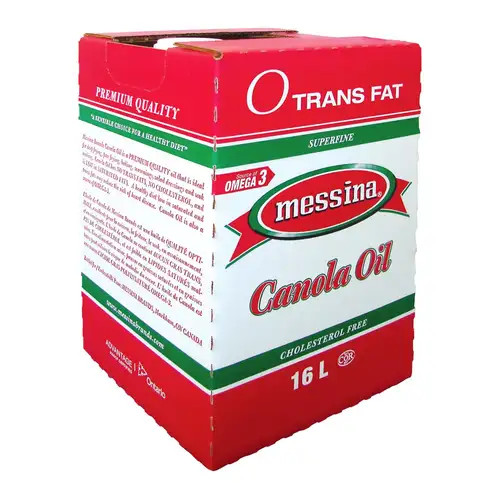
Canola Oils and Kitchen Essentials
Bulk canola oils, sprays, and paper supplies for commercial kitchens and hospitality operations.





What Canadian facility operators say
What Canadian operators say about flexible wholesale purchasing.
Running three Airbnb properties in Banff, I needed consistent supplies without a corporate account. The no-minimum ordering let me test quantities before committing to larger shipments.
Our small healthcare facility in Thunder Bay was outside most broadline zones. Online ordering with direct shipping solved our access problem without requiring volume commitments we could not meet.
I switched from a cash-and-carry model to delivered supplies for my catering business. The pallet option on frying oil cut my monthly trips in half, and the quality has stayed consistent.
Wholesaler selection: Frequently Asked Questions
These FAQs answer real searched questions about the product first. A source is linked where an answer cites one.
Which is better in Canada — Sysco or Gordon Food Service (GFS)?
Source: Got our Sysco delivery today. As usual, they nailed it! — r/KitchenConfidential
Do Canadian food distributors have minimum order sizes or drop fees?
Source: What is the minimum drop that suppliers charge in order to deliver? — r/restaurateur
Can I buy from restaurant wholesalers without a business account — are they open to the public?
Source: Five wholesale food distributors that are now open to the public — r/toronto
How transparent is foodservice distributor pricing — will I see price increases coming?
Source: Price transparency for Sysco, US Foods etc — r/restaurantowners
What is a fair margin for a food distributor to make on my orders?
Source: What is a fair margin for your food distributor to make? — r/restaurateur
Should a small Canadian restaurant use one broadline distributor or split orders across suppliers?
How do I compare Sysco, GFS and other distributor prices to know I'm getting a fair deal?
Source: Chefs who order from both Sysco & US Foods (or GFS in Canada) — r/Chefit
Where do restaurants in Calgary and Alberta buy wholesale food outside the big two?
Source: Where do food service companies get their products from — r/NoRulesCalgary
I'm opening my first Canadian restaurant — where should I actually buy wholesale food?
Source: Where to buy wholesale food for restaurant/bar food? — r/smallbusiness
Do Canadian wholesale food distributors need a licence — and what should I check before signing?
Source: Food licences — Canadian Food Inspection Agency (Safe Food for Canadians Regulations)
Related guides from ChickenPieces
Why Operators Choose ChickenPieces
Flexible wholesale purchasing built for Canadian hospitality and facility management.
No order minimums
Buy single cases or full pallets without volume requirements or negotiated account thresholds.
Nationwide delivery
Ship to any Canadian province from Calgary, with processing in one to two business days.
Guest checkout option
Purchase immediately without account creation, or register for order history and saved preferences.
Canadian compliance assured
Products meet CFIA and Health Canada standards for commercial foodservice and hospitality operations.
Sources & further reading
- Sysco Canada - Restaurant Food Supply & Foodservice Distributor — Sysco Canada
- Gordon Food Service (GFS) Canada - Food Distribution & Services — Gordon Food Service Canada
- Flanagan Foodservice - Ontario & Atlantic Canada Food Distributor — Flanagan Foodservice
- Costco Business Centre - Business Membership & Restaurant Supplies — Costco Business Centre
- ChickenPieces.com - Canada's Bulk Food & Hospitality Supply — ChickenPieces
- Sysco vs. Gordon Food Service (GFS) - Detailed Comparison — FrillPick
- Gordon Food Service vs. Sysco - Quality, Price & Best Use Cases — DeliVisor
- The Top 30 Food Distributors in Canada in 2026 — GourmetPro
- The Top 30 Food Distributors in Canada in 2026 — Groupex/Restaurants Canada
- Best Restaurant Equipment Suppliers in Canada 2026 — Nella Online
- Frequently Asked Questions - ChickenPieces.com Bulk Supply — ChickenPieces FAQ
- Sysco Plans to Bring Restaurant Depot Warehouse Format to Canada — Retail Insider
Compare Your Wholesale Options
Review your operation's location, volume, and product needs against the suppliers above. For flexible online ordering with no minimums, request a personalized product consultation from ChickenPieces.
Request a QuoteReferences: Health Canada - Food Chemical Contaminants CFIA - Food Safety for Industry.