
 US Dollar


2026 Jun 27th
How to Add Bubble Tea to an Existing Cafe Menu (Wholesale Supplies, Canada)
Adding bubble tea to an existing Canadian cafe menu requires five core supplies — tapioca pearls, syrups or powder mixes, tea base, wide-bore straws, and a lid-sealing machine or dome lids — plus a small amount of staff training. Equipment investment for a basic setup starts around CA 1,000–CA 3,000 for a sealer; the ingredients themselves are available by the case from wholesale distributors. ChickenPieces.com stocks tapioca pearls, syrups, and bubble tea powder mixes and ships Canada-wide from Calgary with no membership.
Key takeaways
- Bubble tea can be added to a cafe menu without opening a dedicated boba shop — the drink is simpler to produce than many hot-food items.
- Core supplies: tapioca pearls (or popping boba), concentrated syrups or powder mixes, brewed tea, non-dairy creamer, wide-bore straws, and a sealing machine or dome lids.
- Cooked tapioca pearls must be served within 4 hours; quick-cook pearls reduce prep time to under 30 minutes.
- The Canadian bubble tea market is growing; adding it gives cafes a high-margin beverage that appeals to younger demographics.
- Wholesale supplies ship from Calgary via ChickenPieces.com — no minimum membership required.
Why should an existing cafe add bubble tea?
Bubble tea (boba tea) has moved well beyond specialty tea shops in Canada. Independent cafes, snack kiosks, dessert counters, and even some restaurants now include at least two or three boba offerings on their drinks menu. Adding bubble tea allows a cafe to serve guests who might otherwise walk to a competing boba-only shop — and with ingredient costs well managed, it is one of the higher-margin beverages available. The drink also photographs well, which drives organic social sharing.
What supplies do you need to add bubble tea to your menu?
The supply list is shorter than most operators expect:
- Tapioca pearls (boba): the classic chewy topping, cooked fresh in boiling water. Available in pre-sweetened, plain, and quick-cook formats by the kilogram.
- Popping boba: juice-filled spheres that burst in the mouth — no cooking required, which simplifies service. Popular with younger guests.
- Concentrated syrups or powder mixes: taro, matcha, mango, strawberry, lychee, and classic milk tea are the top sellers in Canada. Powder mixes dissolve into milk or water; concentrated syrups add flavour to fresh tea.
- Tea base: black tea, green tea, or oolong brewed in a standard tea brewer. No special equipment required if you already brew tea.
- Non-dairy creamer: blended with tea to create the classic milk tea base. Powder format is easier to store and portion.
- Wide-bore straws: at minimum 12 mm diameter to allow tapioca pearls to pass through. These are sold by the case at wholesale.
- Sealing machine or dome lids: a heat-sealing machine (CA 1,000–CA 3,000) creates a branded, leak-proof seal ideal for takeaway. Dome lids are a low-cost alternative for cafes with primarily dine-in service.
Equipment checklist for adding bubble tea
| Item | Approximate CA Cost | Required? |
|---|---|---|
| Cup sealing machine | CA 1,000–CA 3,000 | Recommended for takeaway |
| Tapioca pearl cooker / pot | CA 0 (standard stock pot) or CA 300–CA 800 dedicated unit | Yes; existing pot works |
| Shaker tin or cocktail shaker | CA 20–CA 50 | Yes |
| Blender (for thick drinks) | May already own | For blended/slush boba |
| Ice machine | May already own | Yes |
| Wide-bore straws & cups (consumables) | ~CA 0.05–CA 0.15 per drink | Yes |
What is the difference between tapioca pearls and popping boba?
Traditional tapioca pearls (boba) are made from tapioca starch; they require cooking in boiling water for 20–30 minutes (or less with quick-cook pearls) and have a chewy, almost gummy texture. They are the classic bubble tea topping.
Popping boba uses a process called spherification to form small, juice-filled spheres with a thin gel skin that bursts in the mouth. They require no cooking and are ideal for cafes with limited back-of-house prep space. Popular flavours include mango, strawberry, lychee, and passion fruit. Both formats are available in wholesale cases from ChickenPieces.com bubble tea supplies.
How long do cooked tapioca pearls last?
Uncooked dry pearls keep at room temperature for several months when stored in a cool, dry location. Order by the kilogram or case to align with your expected weekly volume — larger volumes reduce your per-gram cost.
Which bubble tea flavours sell best in Canada?
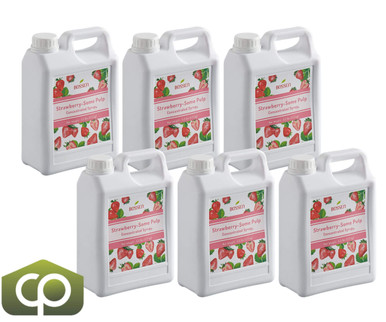
Based on popularity patterns across Canadian cafes and boba shops, the top-performing flavours for a new menu addition are: classic milk tea (black tea + non-dairy creamer), taro milk tea, matcha milk tea, mango fruit tea, and strawberry fruit tea. Starting with 3–4 flavours keeps your ingredient inventory manageable and reduces waste while you gauge your customers’ preferences. Concentrated syrups from ChickenPieces.com cover all of these options.
Do I need a sealing machine?
For takeaway service, a heat-sealing machine is strongly recommended. It creates a professional, leak-proof seal that travels well and is expected by customers who are accustomed to boba-shop packaging. Dome lids are an acceptable lower-cost alternative for dine-in or low-volume programs, and allow customers to see the toppings without a sealer. If you plan to grow your boba volume, a sealer pays back quickly — machines start around CA 1,000 for a basic semi-automatic model.
How it works in Canada
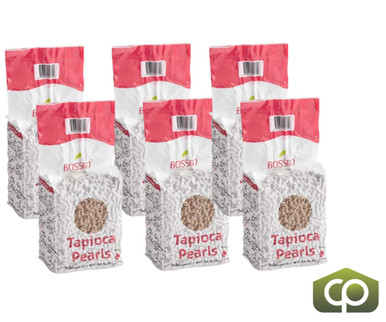
ChickenPieces.com is a Calgary-based wholesale distributor stocking bubble tea supplies including Bossen tapioca boba pearls (3 kg/6-case), concentrated fruit and milk tea syrups, and non-dairy creamer powder. Orders ship Canada-wide in 2–5 business days with no membership required. If you already carry tea and coffee supplies from ChickenPieces.com, adding a boba line can be done with a single supplementary order.
Stock up at ChickenPieces.com

Frequently Asked Questions
What ingredients do I need to make bubble tea? +
Do I need special equipment to serve bubble tea? +
How much does it cost to add bubble tea to an existing cafe menu in Canada? +
What is the difference between tapioca pearls and popping boba? +
How long do cooked tapioca pearls last? +
What bubble tea flavours sell best in Canadian cafes? +
Do I need a sealing machine for bubble tea? +
Where can I buy bubble tea supplies in bulk in Canada? +
Launch Your Bubble Tea Menu This Week
Order tapioca pearls, concentrated syrups, non-dairy creamer, and wide-bore straws from ChickenPieces.com — everything to launch a boba program from your existing cafe, shipped from Calgary.
21,000+ SKUs · Operating since 2017 · Calgary-based · Ships across Canada · Free shipping on most orders over CA 199
This article is operational information for foodservice buyers. Equipment and ingredient costs are approximate ranges drawn from publicly available Canadian wholesale and supplier data. Verify current pricing with your supplier before making purchasing decisions. Cooked pearl shelf life is a general industry guideline; follow your ingredient manufacturer’s instructions.